
Getting around the UK as a student doesn’t have to be confusing or expensive-if you know where to look. Whether you’re commuting from student housing to campus, exploring a new city on weekends, or heading home for the holidays, buses, trains, trams, and the Tube are your daily lifelines. But the system isn’t always obvious. Fares change by region, discounts aren’t always automatic, and one ticket doesn’t work everywhere. Here’s how real students actually get from point A to point B without overpaying or getting lost.
Start with the right travel card
The biggest mistake new students make? Buying single tickets every time. In London, the Oyster card or contactless payment is the only smart move. If you’re under 18 or a full-time student aged 18-25, you can apply for a 18+ Student Oyster card. It gives you 30% off Pay As You Go fares and daily capping. That means if you take five Tube rides in one day, you won’t pay more than the price of a Day Travelcard. Same goes for buses-no matter how many you hop on, you’re capped at £4.65 per day in 2026.
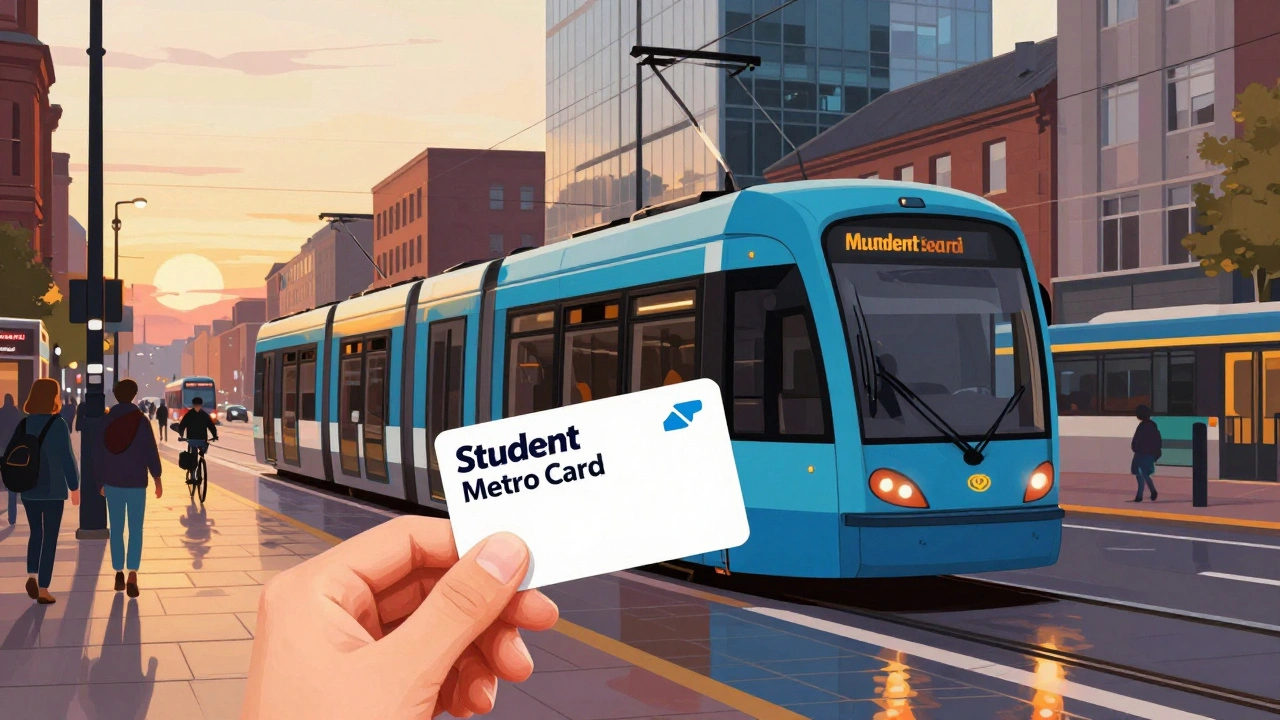
Outside London, things get regional. In Manchester, students get a free or discounted Student MetroCard through their university. In Edinburgh, the Student CityCard covers buses and trams. In Cardiff, the Student Saver gives you unlimited travel on local buses. The key? Ask your student union. Most universities have partnerships with local transit agencies and will give you a discount code or application form.
Know the difference between Tube, Overground, and National Rail
In London, people say “the Tube” to mean the Underground. But there’s also the Overground, which looks like a Tube line but runs above ground. And then there’s National Rail-trains that go from central London to suburbs or other cities. All three use the same Oyster card, but fares differ.
For students, the trick is knowing which one to take. The Tube is fastest for inner-city travel. Overground is better for longer routes across zones, like from Clapham to Stratford. National Rail? Only use it if you’re going outside London-like to Brighton or Oxford. A student Oyster card won’t give you discounts on National Rail tickets unless you have a separate 16-25 Railcard. That card costs £30 a year and gives you 1/3 off most train fares across the UK. If you take even two return trips a month, it pays for itself.
Buses are cheaper-but not always faster
London buses don’t accept cash. You need an Oyster card, contactless card, or mobile payment. The fare is £1.75 per ride, and you can transfer between buses for free within an hour. That’s a lifesaver if you’re hopping from one campus building to another. Outside London, bus fares vary. In Birmingham, a single ride costs £2.20. In Glasgow, it’s £1.80. Many universities offer free or discounted bus passes bundled with tuition. Check your student portal.
Pro tip: Use the Citymapper or Google Maps app. They show real-time bus arrivals and tell you if a bus is delayed. Students who rely on buses often get stuck waiting 20 minutes in the cold. Apps help you plan around that.
Trams are underrated-especially in Manchester and South London
Manchester’s Metrolink and London’s Tramlink are quiet, reliable, and often faster than buses. In Manchester, students can get a Student Travel Pass that covers all trams and buses. In Croydon, the Tramlink runs every 7-10 minutes from early morning until midnight. A single ride costs £1.80 with Oyster or contactless. No need to buy a separate ticket.
Trams are especially useful if you’re studying at universities like Manchester Metropolitan or King’s College London’s Denmark Hill campus. They connect directly to student housing areas and avoid traffic jams. Plus, they’re quieter than buses-great if you’re trying to nap before class.
Traveling between cities? Get a 16-25 Railcard
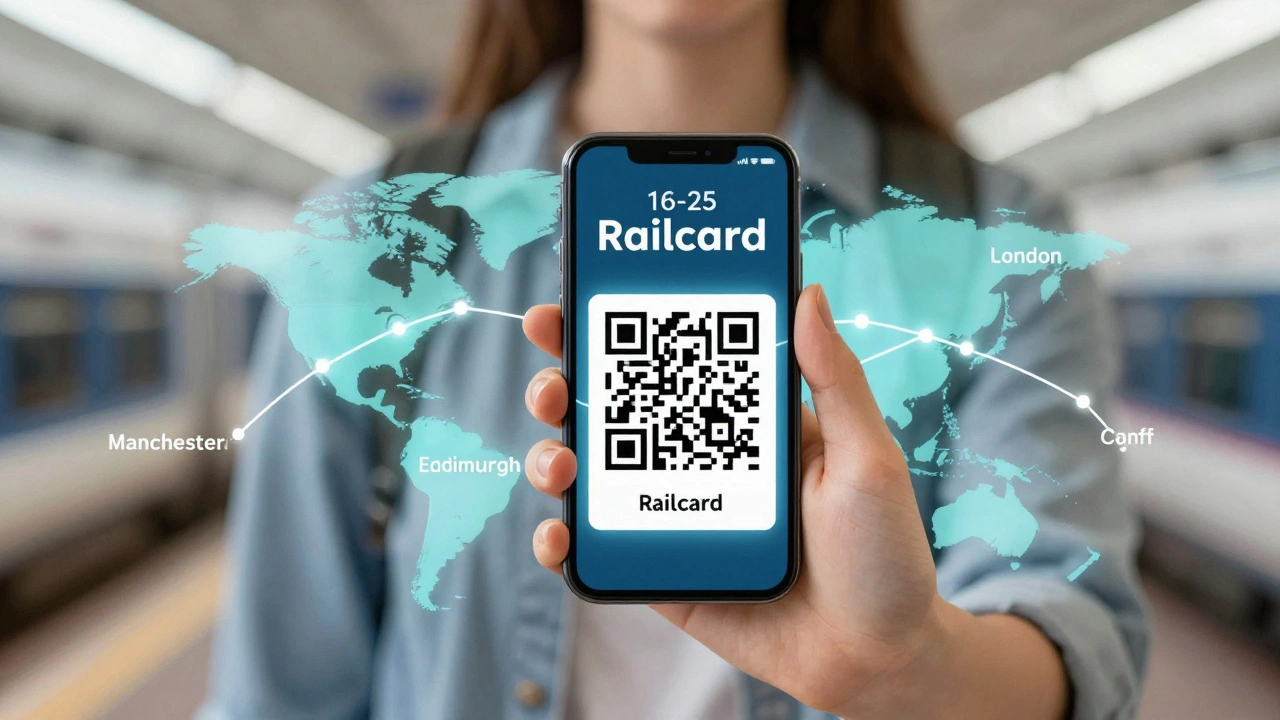
Let’s say you’re in Leeds and want to visit your sister in Bristol. Or you’re in Edinburgh and planning a weekend trip to Glasgow. The cheapest way? A 16-25 Railcard. It’s available to full-time students under 26. Apply online through the official Railcard website. You’ll need a photo, your student ID, and proof of enrollment.
With the Railcard, a £120 London to Manchester ticket drops to £80. A £45 Edinburgh to Glasgow trip becomes £30. You can use it on most train operators, including Avanti West Coast, TransPennine Express, and Greater Anglia. It also works on some bus services and ferry routes. And yes-you can use it with your Oyster card in London for off-peak Tube and bus travel.
Don’t forget: you can buy it as a digital card in the Railcard app. No need to carry a physical card. Just show the QR code at ticket gates.
How to save even more
Students who travel smart don’t just rely on discounts-they plan ahead. Here’s what actually works:
- Buy weekly or monthly passes if you’re commuting daily. In London, a weekly Travelcard for Zones 1-2 costs £37.80. If you take the Tube every day, that’s cheaper than paying £4.65/day for 8 days.
- Travel off-peak. Tube and train fares are cheaper after 9:30 AM on weekdays and all day on weekends. If your class starts at 11, delay your morning coffee run until after 9:30.
- Use student discounts on apps. Citymapper has a student discount section. Uber and Bolt offer reduced fares for students with a valid ID.
- Join your university’s transport group. Many have Facebook groups where students sell unused monthly passes or carpool to nearby towns.
What doesn’t work
Don’t assume your home country’s student ID works in the UK. American or Australian student cards mean nothing here. You need a UK-recognized student ID from a UK university, plus the right travel card.
Don’t buy a paper Travelcard unless you have to. They’re more expensive than Oyster or contactless. And never use cash on buses-it’s not accepted in London, Manchester, or most major cities.
And please, don’t wait until your first day of class to figure this out. If you’re arriving in August or September, apply for your Railcard and Oyster card in July. Processing can take 10-14 days.
What to do if you get stuck
Lost your Oyster card? Go to any Tube station ticket office. They’ll refund the balance if you registered it online. Forgot your student ID? Most stations let you show a digital copy on your phone. If you’re in a rush, tap your contactless card anyway-you’ll be charged the full fare, but you can claim a refund later through your university’s transport office.
Trains delayed? Use the National Rail Enquiries app. It sends real-time alerts. If your train is more than 30 minutes late, you can claim compensation through Delay Repay-even if you’re a student.
Can I use my student discount on the Tube if I’m not in London?
No. The 18+ Student Oyster card only works in London. Outside London, each city has its own student discount system. In Manchester, you need a Student MetroCard. In Edinburgh, it’s the Student CityCard. Always check with your university’s transport office or local transit authority.
Is the 16-25 Railcard worth it for occasional travel?
Yes-if you take just two return trips a month. A £60 round-trip ticket drops to £40 with the Railcard. That’s £20 saved per trip. Over a year, that’s £480 saved. The Railcard costs £30, so you break even in under two months. Even one extra trip a month makes it worthwhile.
Can I use my contactless bank card instead of an Oyster card?
Yes, and it’s often easier. Just tap your contactless debit or credit card on the reader. You’ll get the same fares and daily capping as an Oyster card. But you won’t get the 30% student discount unless you link it to your 18+ Student Oyster account. So if you’re a student, get the Oyster card-it’s cheaper.
Do I need a separate ticket for trams and buses?
No. In London, your Oyster card or contactless payment works on buses, the Tube, Overground, and trams. In Manchester, your Student MetroCard covers trams and buses. In Cardiff, your Student Saver works on all local buses. One card, one payment method-no need to carry multiple tickets.
What if I’m over 25 but still a full-time student?
You can still get the 16-25 Railcard if you’re in full-time education, even if you’re 26. The rule is based on your student status, not your age. As long as your course lasts at least 15 hours a week for 20 weeks a year, you qualify. Universities usually provide a letter confirming this. Keep a digital copy on your phone.
Next steps for new students
Before your first day:
- Apply for your 16-25 Railcard online-it takes 2-3 days to process.
- Register for your university’s student transport scheme. They’ll tell you how to get a local discount card.
- Download Citymapper and set your home and campus addresses.
- Get a contactless debit card or top up an Oyster card with £20.
- Save your university transport office’s phone number. They can help with lost cards, refunds, or route changes.
Public transport in the UK isn’t perfect-but it’s cheap, reliable, and student-friendly if you know the rules. The key isn’t having the most expensive pass. It’s having the right one.