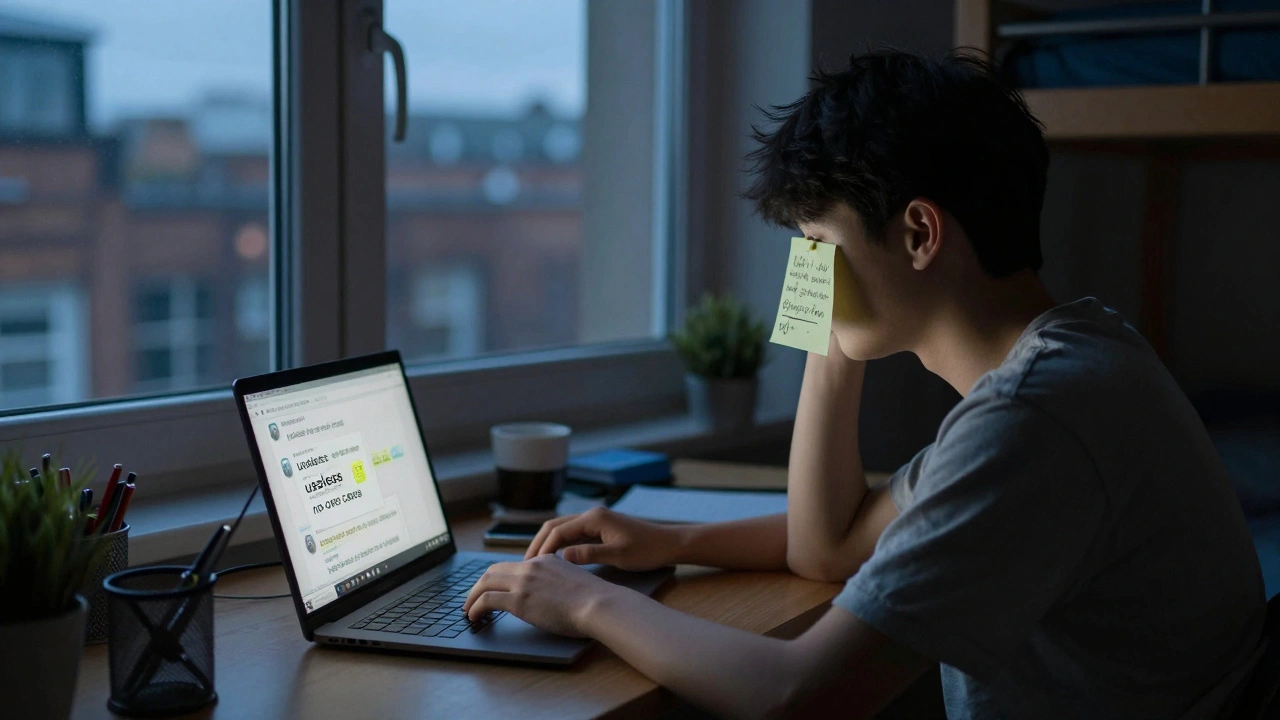
Posting content online as a student in the UK isn’t just about sharing your thoughts-it’s about building something real. Maybe you run a blog about university life, make short videos on revision tips, or post daily sketches from your art class. But every time you hit publish, there’s a chance someone will reply with something harsh. A comment like “This is useless” or “Why are you even trying?” can stick. It doesn’t matter if it’s one person or fifty. When you’re juggling essays, part-time work, and rent, negative comments feel personal. They don’t just hurt-they drain.
Why Negative Comments Hit Harder When You’re a Student
Most adults who create content online have built-in thick skin. They’ve been rejected before. They know feedback isn’t always about them. But as a student, you’re still figuring out who you are. Your creativity is tied to your identity. A comment calling your blog “boring” doesn’t just critique your writing-it feels like a verdict on your intelligence.
And it’s not just emotional. There’s real pressure. UK student loans are high. Many of you work 15-20 hours a week just to cover basics. Your online presence might be your only way to build a future career. When someone says, “No one cares about this,” it doesn’t just sting-it makes you wonder if you’re wasting time.
A 2024 study by the UK Student Wellbeing Network found that 68% of student creators who received regular negative feedback reported a drop in posting frequency within three months. Half of them considered quitting entirely. That’s not just about confidence. It’s about survival.
Not All Negative Comments Are the Same
Before you react, pause. Not every critical comment is a threat. There are three types:
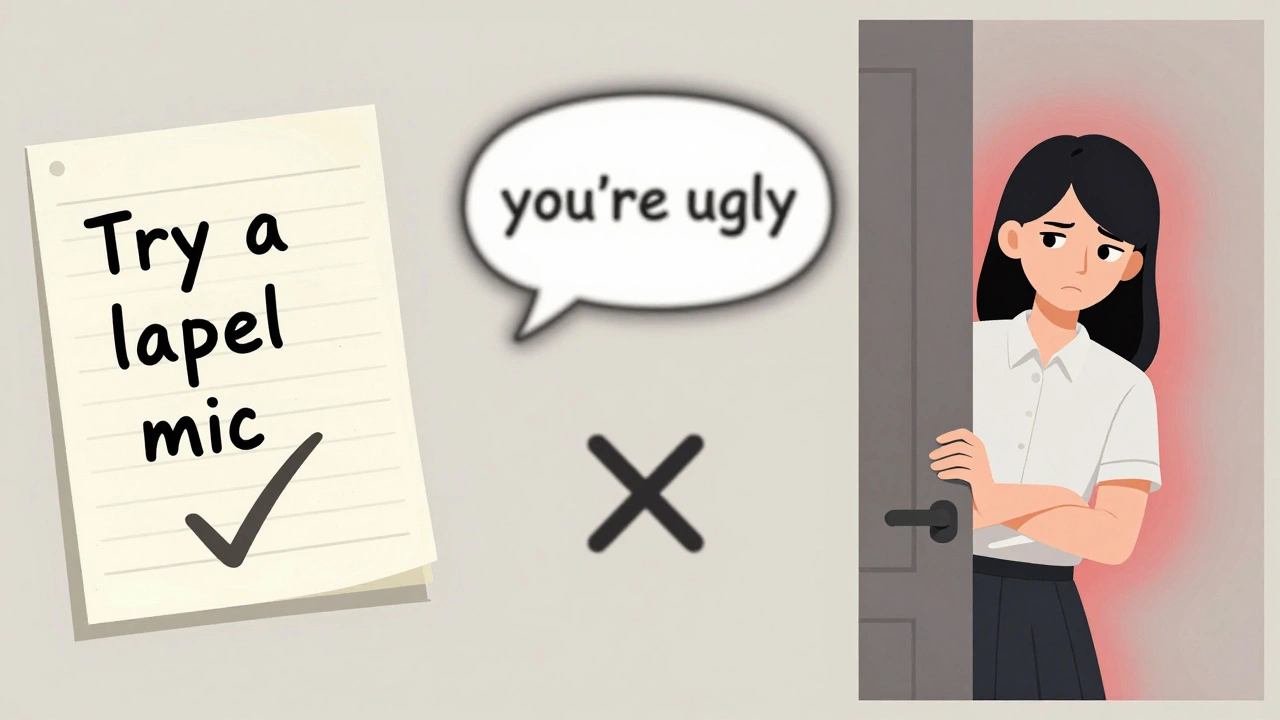
- Constructive criticism - “Your video was clear, but the audio was muffled. Try using a lapel mic.” This is gold. It’s specific, actionable, and meant to help.
- Anonymous hate - “You’re ugly and your content sucks.” No details. No logic. Just venom. This is noise. It’s not feedback-it’s a cry for attention from someone who doesn’t care about your work.
- Envious rivalry - “I’ve been doing this for years and I don’t get views like you.” This one’s tricky. It’s not always malicious, but it’s rooted in resentment. It often comes from other students who feel threatened.
Learn to tell them apart. The first one deserves a thank you. The second? Delete and move on. The third? Acknowledge it silently-then keep going.
What to Do When You See a Negative Comment
Here’s a simple 3-step system that works for students who can’t afford to waste time:
- Wait 24 hours - Don’t reply immediately. Emotions run high. You’ll say something you regret. Sleep on it. In the morning, you’ll often realize the comment wasn’t worth your energy.
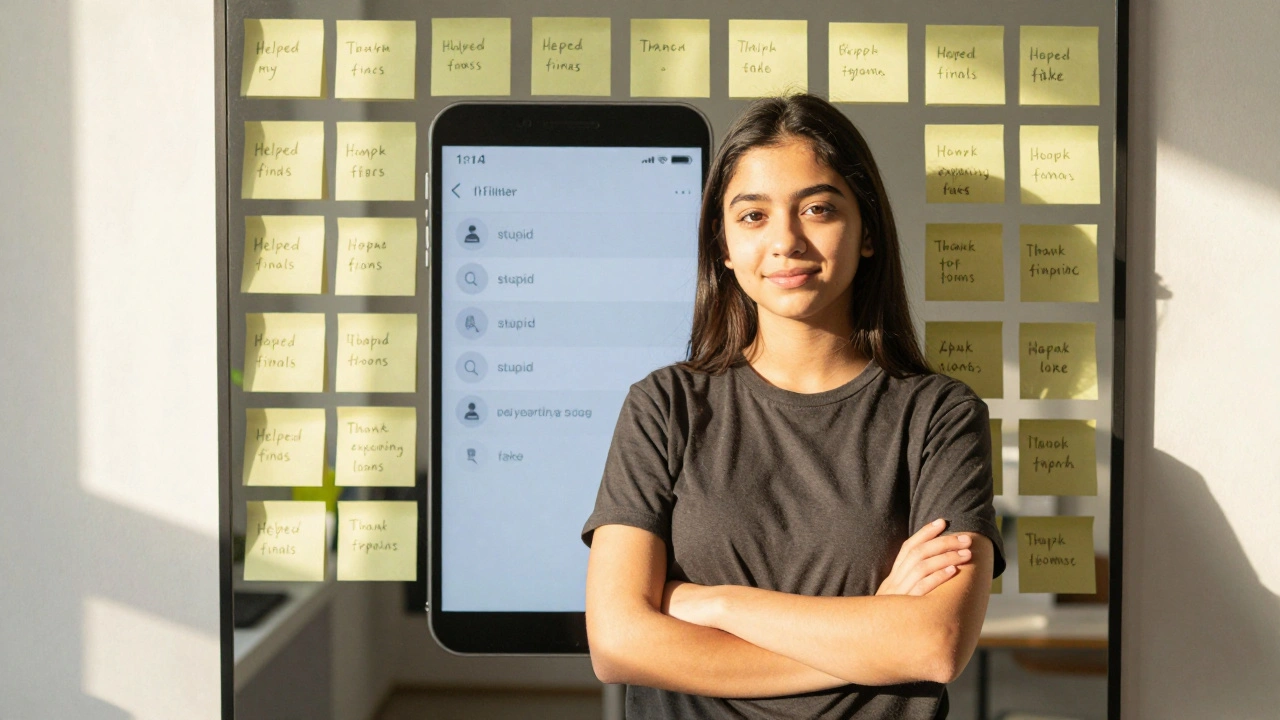
- Filter it - Ask: “Is this useful?” If yes, save it. If no, delete it. Use comment moderation tools. Platforms like YouTube, Instagram, and WordPress let you block keywords. Add words like “stupid,” “useless,” “fake,” or “no one cares.” Let the system catch the junk before you see it.
- Respond only if it adds value - If someone gave real feedback, thank them. “Thanks for pointing that out-I’ll fix the mic next time.” That’s it. No arguing. No explaining. No defending your worth. Just gratitude.
One student, Mia, runs a TikTok channel called “Uni Life on a Budget.” She got 47 hate comments in one week. Instead of replying, she turned on keyword filters and blocked 12 phrases. Within two weeks, her negative comment rate dropped by 89%. She didn’t stop creating. She just stopped listening to the noise.
Protect Your Mental Space
Online criticism doesn’t disappear because you ignore it. It lingers. That’s why you need boundaries.
- Set daily scroll limits - Use your phone’s screen time tracker. Limit yourself to 10 minutes a day checking comments. Anything more is a habit, not a task.
- Don’t check comments before 10 a.m. - Your mind is most vulnerable right after waking up. Don’t start your day with someone else’s anger.
- Keep a “win log” - Every time you get a positive comment, a like, or a message saying “This helped me,” save it. Not in a folder. Write it on a sticky note. Put it on your mirror. Read it when you’re doubting yourself.
There’s a reason this works: your brain is wired to notice threats more than rewards. That’s evolution. But you can retrain it. One positive interaction should outweigh ten negative ones in your memory.
When It Gets Too Heavy
Some comments cross a line. Threats. Doxxing. Racist or sexist slurs. These aren’t just negative-they’re illegal.
In the UK, the Online Safety Act 2023 gives you real power. If someone harasses you online:
- Take screenshots (with timestamps)
- Report the comment to the platform
- File a report with Action Fraud (www.actionfraud.police.uk)
- Contact your university’s student support team-they have legal guidance for this
You are not overreacting. You are not being dramatic. You are protecting your right to exist safely online.
Why You Should Keep Creating Anyway
The truth? The people who hate your content aren’t the ones who matter. The ones who do? The quiet ones. The student in Leeds who DMs you saying, “Your budget tips got me through finals.” The mum in Manchester who says, “I finally understood student loans because of your video.”
There are 2.5 million students in the UK. Even if you only reach 1% of them, that’s 25,000 people who see you as a guide, not a target.
Every great creator started with silence. Then a few voices. Then a few more. Then a community. It doesn’t happen overnight. But it happens when you stop trying to please everyone and start serving the few who need you.
Your voice matters-not because it’s perfect, but because it’s yours. And right now, someone out there is waiting to hear it.
Should I reply to every negative comment?
No. Most negative comments aren’t meant to be answered-they’re meant to provoke. The only time you should reply is if the comment offers specific, useful feedback. Then, thank them briefly and move on. Replies to hate, envy, or abuse only give them more attention. Silence is your most powerful tool.
Can I get in trouble for deleting comments?
No. As a content creator, you have full rights to moderate your own platform. The UK’s Online Safety Act actually encourages creators to remove harmful content. Deleting abusive, spammy, or off-topic comments is not only allowed-it’s your responsibility to keep your space safe.
What if the negative comments come from other students?
It’s common. Some students feel threatened by your success, especially if you’re gaining visibility. Don’t take it personally. You’re not competing-you’re creating. Block or mute if needed. If the comments are public and hurtful, report them. Your work is not a battleground. It’s your path.
How do I stop obsessing over negative feedback?
Create a daily routine that replaces the habit. Instead of checking comments first thing in the morning, start with one win from your win log. Replace scrolling with 10 minutes of journaling or walking. Your brain will rewire over time. Focus on progress, not popularity.
Is it normal to want to quit after one bad comment?
Yes. It’s completely normal. Most student creators feel this way after their first major negative comment. But quitting because of one comment means letting someone else decide your future. Keep going-not because it’s easy, but because what you’re building matters more than the noise.