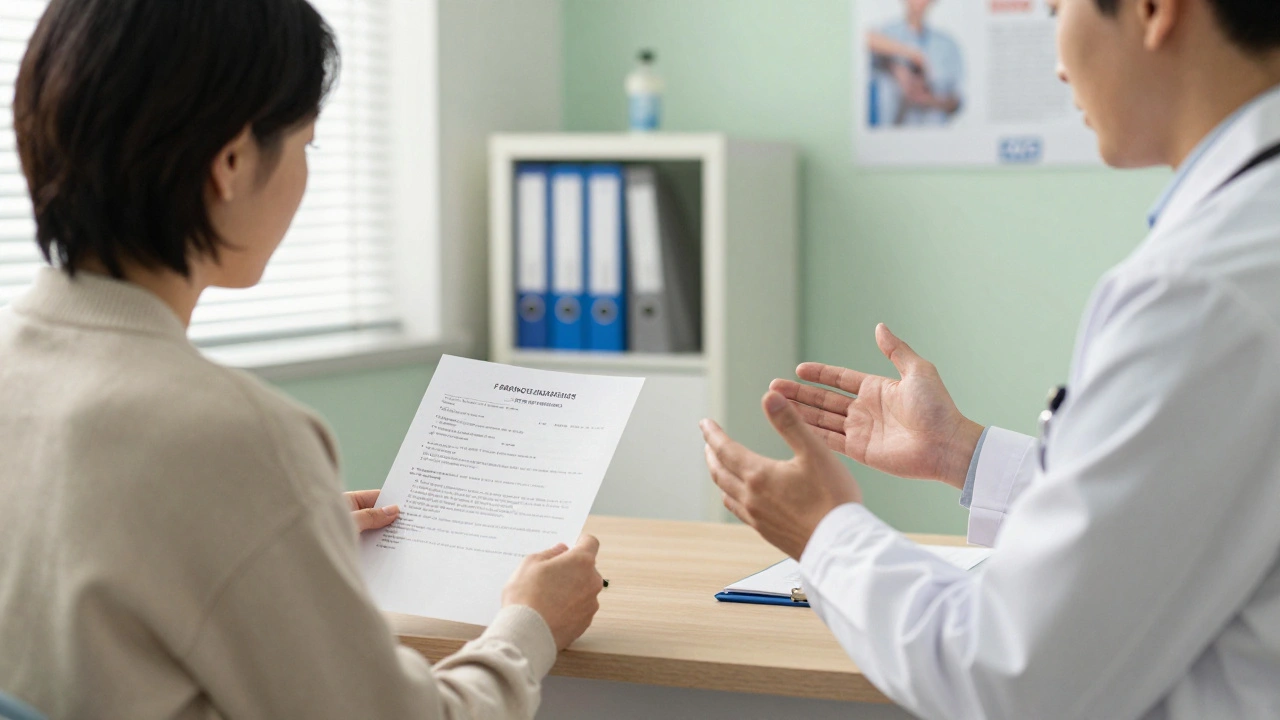
Getting a medical note or an extenuating circumstances letter in the UK isn’t as complicated as it sounds-but it’s not always straightforward either. Whether you’re a student missing an exam, an employee needing time off work, or someone dealing with a sudden health issue, having official proof from a doctor can make all the difference. The good news? You don’t need to jump through endless hoops. Most of the time, your GP surgery can help you get what you need quickly and without stress.
What’s the Difference Between a Sick Note and an Extenuating Circumstances Letter?
People often mix these up, but they serve different purposes.
- A sick note (officially called a fit note) is issued by your GP when you’re too unwell to work. It’s used for employers and covers the period you’re off work due to illness.
- An extenuating circumstances letter is usually for education settings-universities, colleges, or exam boards. It explains why you couldn’t meet deadlines, sit an exam, or attend classes because of a medical issue, mental health crisis, or family emergency.
Both require proof, but only the fit note is a legal document under NHS rules. The extenuating circumstances letter is more flexible and written at the discretion of your GP.
When Can You Get One?
You don’t need to be bedridden to qualify. GPs issue these letters for a wide range of situations:
- Chronic pain or illness (e.g., migraines, arthritis, long COVID)
- Mental health issues (anxiety, depression, burnout)
- Accidents or injuries
- Family emergencies (e.g., caring for a sick relative)
- Medical appointments that conflict with work or study obligations
- Post-surgery recovery
What matters most is that you’ve been seen by a registered healthcare professional and they believe your condition genuinely affected your ability to perform. A vague email saying “I’m feeling off” won’t cut it. You need documentation.
How to Request a Medical Note
Here’s how to do it right:
- Book an appointment with your GP. Don’t wait until the last minute. Many surgeries require you to book in advance, especially if you need a longer letter.
- Be specific about what you need. Say: “I need a fit note for work,” or “I need a letter for my university explaining why I missed my exam.” The more detail you give, the better they can help.
- Bring evidence if you have it. Recent hospital letters, prescriptions, or screenshots of mental health app logs can help your GP understand your situation faster.
- Ask if they can email it. Most GPs now send letters directly to your employer or university via secure email. Ask if they can send it to a specific person or department.
- Check the dates. Make sure the note covers the exact period you need. If you’re asking for a letter for a past event (e.g., you missed a class last week), the GP can still issue it-but they’ll want to know why you’re requesting it now.
What If You Can’t See Your GP?
If you’re too unwell to leave the house, or your GP surgery is closed, you have options:
- NHS 111 online can assess your situation and, in some cases, direct you to a GP who can issue a note remotely.
- Online GP services like Babylon Health or Livi offer video consultations. If they’re registered with the NHS, they can issue fit notes.
- Hospital discharge summaries count as proof. If you were treated in A&E or stayed overnight, ask for a copy of your discharge letter-it’s often accepted as official documentation.
Important: Private doctors (not NHS-registered) can’t issue official fit notes. Only NHS GPs, hospital doctors, or approved online providers can do this legally.
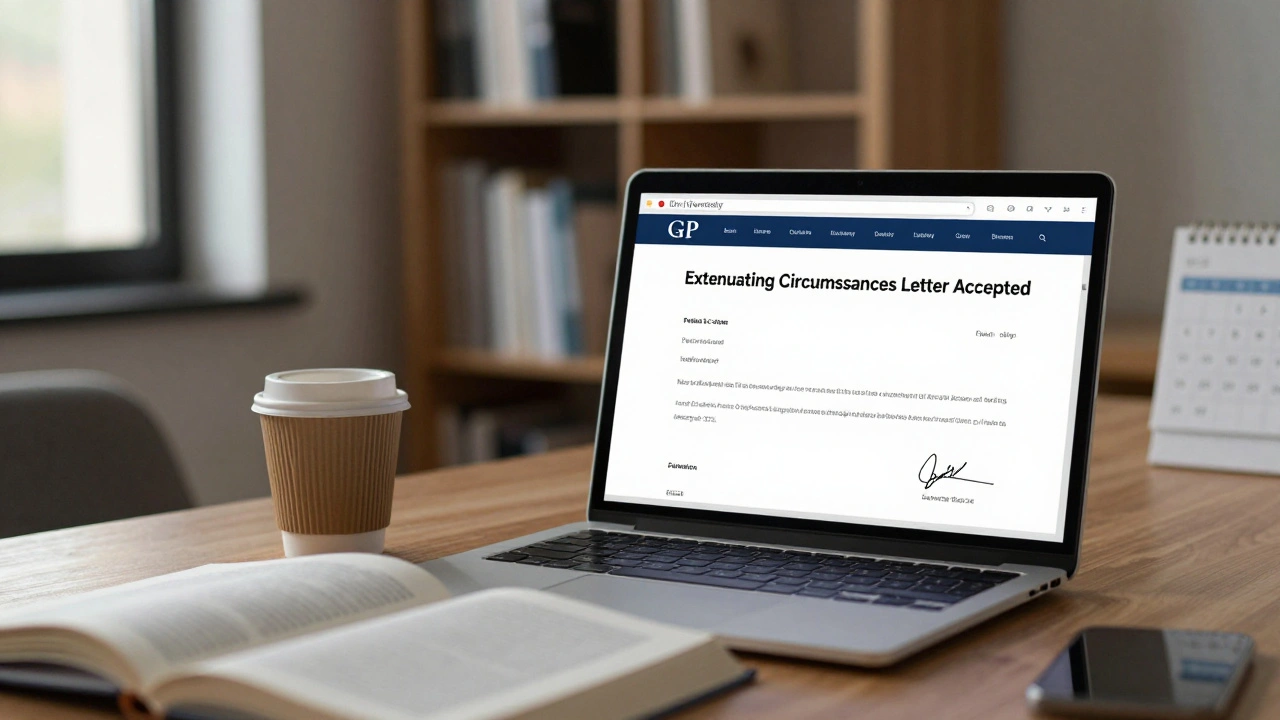
What Should the Letter Include?
There’s no strict template, but a good medical note or extenuating circumstances letter should contain:
- Your full name and date of birth
- The date the letter was written
- A clear statement that you were under medical care during the period in question
- The reason for your absence (e.g., “severe anxiety,” “post-operative recovery”)
- The dates you were unable to attend work or study
- The doctor’s signature, printed name, GMC number, and practice stamp
Universities and employers usually have their own forms, but most accept a simple letter as long as it has these elements. If you’re unsure, ask the institution what they require ahead of time.
How Long Does It Take?
Typically, you’ll get it the same day or within 24 hours if you book an appointment. Some surgeries offer same-day letters if you explain the urgency. If you need it urgently-for example, your exam is tomorrow-call the surgery and say: “I have an exam tomorrow and I’m too unwell to attend. Can you issue a letter today?” Many will prioritize you.
Don’t wait until the day after you miss something. GPs are more likely to help if you reach out while the issue is still recent.
What If You’re Denied?
Sometimes, GPs refuse to issue a note. Reasons might include:
- You haven’t been seen recently enough
- Your condition doesn’t meet their clinical threshold
- They feel the request is for non-medical reasons (e.g., avoiding work)
If this happens, ask for feedback. Say: “Can you explain why you’re not able to issue this? Is there something I can do to support my case?”
You can also:
- Ask to speak with another GP at the same practice
- Visit a walk-in centre or urgent care clinic
- For students: Contact your university’s student support team-they often have access to on-campus health services that can help
Can You Get a Letter for Past Dates?
Yes. GPs can backdate letters, but only if they can verify your condition during that time. For example:
- You had a panic attack on Monday but didn’t see a doctor until Friday. If you describe symptoms clearly and they match your medical history, they can still issue a note covering Monday.
- For mental health, you might have been seeing a therapist. A letter from them can support your GP’s note.
Don’t assume it’s impossible. Many GPs will help if the request is reasonable and backed by context.
What About Students?
If you’re a student, universities have formal processes. Most require:
- A completed extenuating circumstances form (available on your student portal)
- A medical note or letter
- Proof of your condition (e.g., prescription, hospital letter, counselling records)
Submit everything as soon as possible-even if you’re still recovering. Late submissions are often rejected.
Some universities have dedicated wellbeing teams who can help you get the right documentation. Don’t be afraid to reach out.
Common Mistakes to Avoid
- Waiting until after you’ve missed the deadline
- Asking for a note for minor issues (e.g., “I had a bad night’s sleep”)-GPs can tell when it’s not serious
- Not providing enough context (e.g., “I’m sick” isn’t enough-say “I’ve been experiencing severe nausea and dizziness since Tuesday”)
- Trying to use a private clinic’s note if they’re not NHS-registered
- Forgetting to check if your university or employer has specific requirements
Final Tip: Keep Copies
Always save a digital and printed copy of your letter. Send it to yourself via email. Universities and employers sometimes lose paperwork. Having your own record means you can re-submit quickly if needed.
And remember: this isn’t about lying or getting out of responsibilities. It’s about being honest about your health. If you’re unwell, you deserve support. The system is built to help you-not to make things harder.