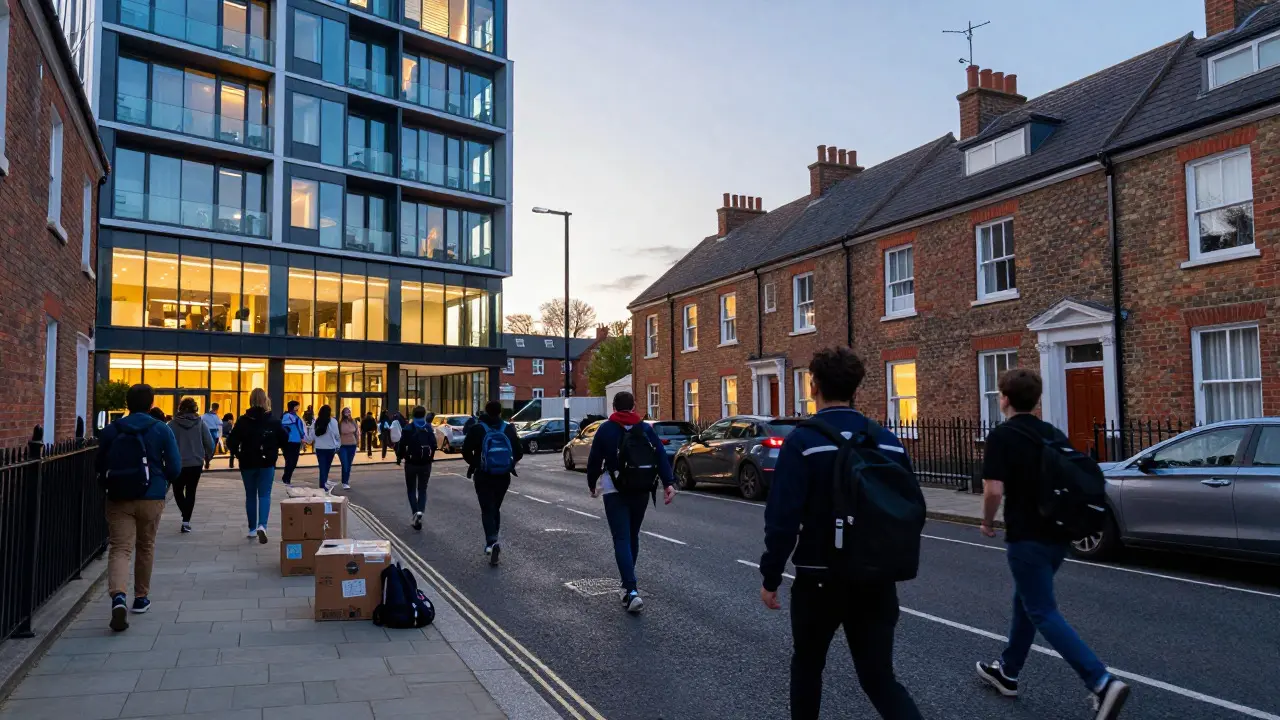
Missing your university deadline isn't just a stressor; it's a logistical nightmare. In the UK, securing student accommodation is a competitive process where popular properties vanish within days of listing. Whether you are arriving from abroad or moving from another city, knowing exactly where to look saves you thousands of pounds and weeks of anxiety. The market splits into two distinct worlds: managed halls and private rentals. Each has its own ecosystem of tools, pricing structures, and risks.
Understanding the Two Main Housing Markets
Before you open a single browser tab, you need to know which side of the fence you're on. Most students choose between University Halls (often called "Halls of Residence" or "HOBs") and Private Rentals.
University Halls are owned or managed by the university. They offer fixed rent, included bills, and often mandatory catering plans. The trade-off is less privacy and stricter house rules. Private Rentals include shared houses, flats, or studio apartments found through agencies or directly from landlords. You get more space and freedom, but you handle tenancy agreements, deposit protection, and potentially higher utility costs.
Your choice depends on your budget, social preferences, and how far from campus you want to live. If you value convenience and safety above all else, start with Halls. If you want independence and lower long-term costs, focus on private options.
Top Platforms for Finding Private Student Rooms
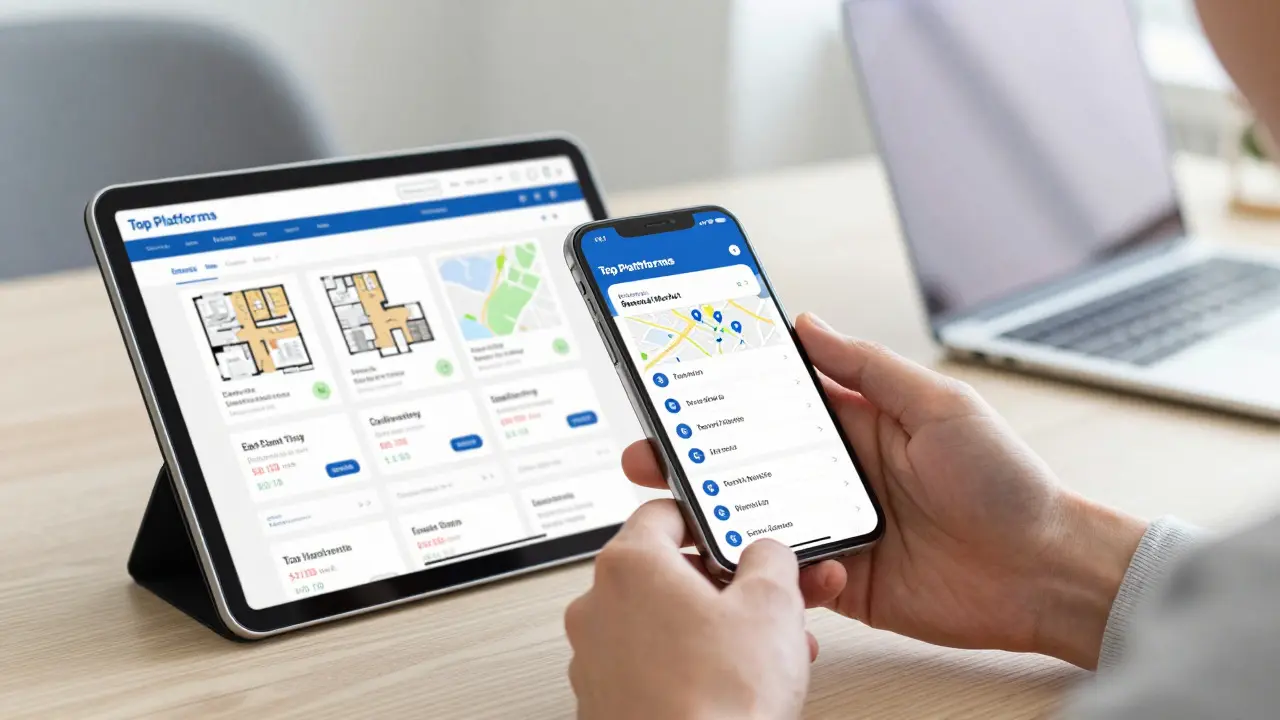
The private rental market in the UK is fragmented. No single site holds every property. To maximize your chances, you need to use a combination of specialized student platforms and general real estate sites. Here are the tools that actually work in 2026:
- SpareRoom: The dominant platform for finding individual rooms in shared houses. It’s ideal if you want to meet your potential flatmates before signing anything. Filters allow you to search by distance to university, price range, and house rules (e.g., no pets, quiet hours).
- OpenRent: A newer platform gaining traction for its transparency. It shows verified listings without hidden agency fees. Many landlords prefer OpenRent because it cuts out middlemen, meaning you might find deals not listed elsewhere.
- Rightmove & Zoopla: These are the giants of UK property. While they list whole houses and flats, many student-friendly properties appear here. Use them when looking for entire flats to split among friends. Set alerts for specific postcodes near your campus.
- Unipol & Pittodrie: Niche student-specific portals. Unipol focuses heavily on purpose-built student accommodations (PBSAs) outside of direct university management. Pittodrie is similar, offering curated listings with detailed floor plans and amenity lists.
Pro tip: Don’t rely on just one. Check SpareRoom for rooms, Rightmove for flats, and university-specific boards for local gems. Speed is critical; good rooms go within 48 hours of being posted.
Navigating University Halls and PBSAs
If you’re leaning towards managed housing, your search starts differently. Most universities have their own portal for Halls of Residence. This is usually the first step for incoming freshmen. However, these spots fill up fast, often months before term starts.
For those who miss the initial wave or prefer more modern facilities, Purpose-Built Student Accommodation (PBSA) providers are the next best option. Companies like National Student Village, Berkeley Group, and Q Square operate large complexes across major cities like London, Manchester, and Birmingham.
PBSAs offer hotel-like amenities: gyms, study lounges, concierge services, and high-speed Wi-Fi. The downside? Rent is significantly higher than private rentals. A standard en-suite room in a PBSA can cost £150-£250 per week in London, compared to £100-£130 in a private house share.
| Type | Avg Weekly Cost (London) | Bills Included? | Flexibility | Best For |
|---|---|---|---|---|
| University Halls | £120 - £180 | Yes | Low | Freshers, safety-focused |
| PBSA | £150 - £250+ | Yes | Medium | Convenience, luxury |
| Private House Share | £90 - £140 | No (usually) | High | Budget, social life |
| Private Flat (Whole) | £400+ (split) | No | Very High | Groups of friends |
Critical Safety Checks Before Signing
Found a place you love? Don’t sign yet. The UK rental market has improved, but scams still exist, especially online. Follow this checklist to protect your money and peace of mind.
- Verify the Landlord or Agency: If renting privately, ask for proof of ownership or a license to let. For agencies, check if they are registered with a redress scheme like The Property Ombudsman or TPO.
- Check Deposit Protection: By law, your deposit must be held in a government-approved scheme within 30 days. Ask which scheme (Deposit Protection Service, MyDeposits, or Tenants Fees Authority) will be used. If they say "we'll sort it later," walk away.
- Inspect Gas Safety: You are legally entitled to a current Gas Safety Certificate. If it’s missing, the landlord is breaking the law.
- Read the Tenancy Agreement: Is it an Assured Shorthold Tenancy (AST)? Who is responsible for repairs? What happens if you move out early? Ambiguity here leads to disputes later.
- Video Tour vs. In-Person: If you’re international and can’t visit, demand a live video call tour, not a pre-recorded video. Ask the current tenants to show you the actual state of the kitchen and bathroom. Pre-recorded videos hide mold, damp, and broken appliances.
Timing Your Search for Maximum Success
When you search matters as much as where you search. The UK academic year starts in September/October, but the housing race begins earlier.
- January - March: Best time to book for the following year. Universities release Hall allocations, and PBSA operators open bookings. Prices are often at their lowest baseline.
- April - June: Peak season. Good properties disappear quickly. Competition is fierce. Be ready to act immediately.
- July - August: Last-minute deals. Some students cancel last minute, creating openings. However, the selection is limited, and prices may be inflated due to urgency.
If you’re applying for a Master’s degree, don’t wait for your final offer letter. Book provisionally if the platform allows it, or secure a flexible contract. Missing the window means paying premium rates for whatever is left.

Budgeting Beyond the Rent
Rent is only part of the equation. Factor in these additional costs to avoid financial shock in your first month:
- Council Tax: Students are exempt, but you need to register your exemption with the local council. Do this immediately upon arrival.
- Utilities: If not included, budget £100-£150 per person per month for electricity, gas, water, and internet in a shared house. London is more expensive.
- Contents Insurance: Protects your laptop, clothes, and bike. Costs around £50-£100 per year. Worth every penny.
- Initial Setup: Bedding, towels, basic kitchenware. Budget £300-£500 unless you’re bringing everything from home.
Frequently Asked Questions
Is it safer to live in University Halls or private rentals?
University Halls are generally safer due to on-site security, staff presence, and controlled access. However, private rentals in well-known student areas (like Edinburgh’s Old Town or Manchester’s Northern Quarter) are also safe. Always research the neighborhood crime statistics and check street lighting if you plan to travel late at night.
Can I find a room without visiting the UK first?
Yes, but proceed with caution. Use platforms like SpareRoom or OpenRent that allow video tours. Never pay a deposit until you’ve seen the property live via video call and verified the landlord’s identity. Avoid agents who demand cash payments or wire transfers to unverified accounts.
What is the average rent for a student room in London?
In 2026, a standard room in a shared house in Central London averages £150-£180 per week. En-suites in Purpose-Built Student Accommodation can range from £200 to £280 per week. Outer boroughs like Croydon or Barking are cheaper, averaging £100-£130 per week.
Do I need a guarantor if I’m an international student?
Often, yes. Many UK landlords require a UK-based guarantor. If you don’t have one, look for landlords who accept a larger deposit (up to 6 months' rent) or use specialist guarantor companies like Guarantors4Rent. PBSA providers are more likely to waive this requirement.
Which website is best for finding cheap student rooms?
SpareRoom is typically the best for finding affordable individual rooms because it connects you directly with current tenants or landlords, cutting out agency fees. Combine this with university notice boards for local deals that never make it to major websites.