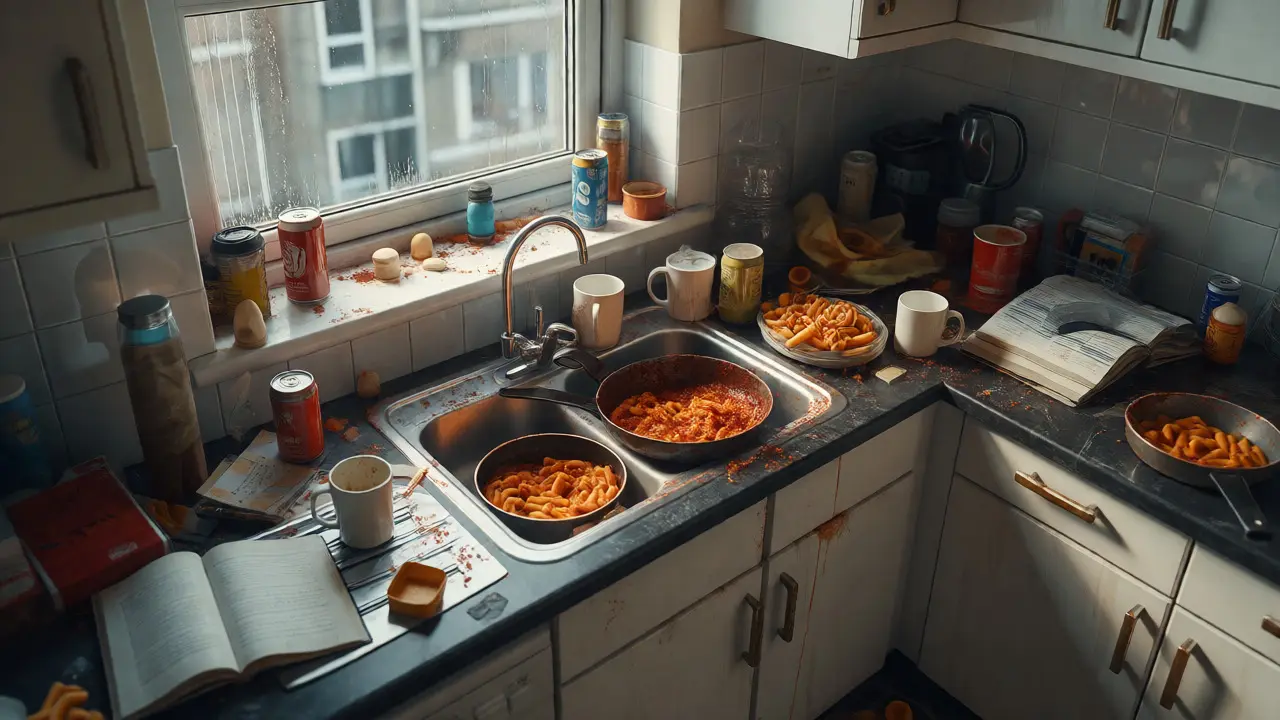
Nothing kills the vibe of a fresh university term faster than a kitchen sink overflowing with three-week-old pasta sauce and a bathroom floor that looks like a crime scene. You’ve moved into your new student flat, excited about lectures and socials, but reality hits hard when you realize you’re sharing a space with people who have very different definitions of "clean." Creating a fair house chore rota isn’t just about hygiene; it’s about survival. It prevents passive-aggressive notes on the fridge and saves friendships before they even start.
Most students assume everyone shares their standards. They don’t. One person might think leaving a mug in the sink for two days is fine; another considers it a moral failing. Without a system, resentment builds quietly until someone snaps. The solution? A structured, flexible, and realistic cleaning schedule that respects everyone’s time and boundaries. Here is how you build one that actually works in a typical UK student house share.
Why Your Good Intentions Fail Without Structure
You might think, "We’re adults, we’ll just clean up after ourselves." That works for one or two weeks. Then exam season hits, or a big weekend out leaves everyone exhausted, and the "just do it" method collapses. Human nature leans toward procrastination, especially when the task feels endless. If there’s no clear owner for a specific job, it becomes nobody’s job. This is known as the diffusion of responsibility.
A chore rota removes ambiguity. It transforms vague expectations into concrete tasks with deadlines. When you know exactly what you need to do and by when, you stop worrying about whether others are pulling their weight because the system holds them accountable too. It also helps manage energy levels. Instead of facing a massive deep-clean on Sunday, you handle small, manageable tasks throughout the week. This keeps the living space livable without consuming your entire free time.
Step One: Audit Your Shared Spaces and Needs
Before writing down names and days, look at your actual living situation. A four-person studio apartment has different needs than a five-bedroom semi-detached house in Manchester. Walk through your home together. Identify the high-traffic zones that get dirty fastest.
- The Kitchen: Usually the biggest battleground. Break this down into sub-tasks: washing dishes, wiping surfaces, taking out bins, and cleaning the oven/fridge monthly.
- Bathrooms: Toilets, showers, sinks, and mirrors. In a house with one bathroom for five people, daily quick wipes are essential.
- Common Areas: Living room floors (vacuuming/sweeping), dusting shelves, and tidying general clutter.
- Outdoor/Bins: Wheelie bin management is huge in the UK. Knowing which bin goes out on which day (general waste vs. recycling) prevents fines from the local council.
Not all chores are created equal. Scrubbing a toilet takes more effort than folding laundry. Acknowledge this inequality upfront. If you assign tasks randomly, you might end up with one person always getting the worst jobs while another gets the easy ones. Fairness doesn’t mean identical tasks; it means balanced effort over time.
Choosing Your Rotation System
There are three main ways to structure a rota. Pick the one that fits your group’s personality.
| System Type | How It Works | Best For | Potential Pitfalls |
|---|---|---|---|
| Weekly Rotation | Everyone does a different set of chores each week. Roles swap every Monday. | Groups who want variety and fairness. | Requires strict handover; if someone forgets, chaos ensues. |
| Fixed Tasks | Each person owns specific chores permanently (e.g., Alice always does bins). | People who hate change or have strong preferences. | Resentment builds if tasks feel unequal or boring long-term. |
| Task-Based/Digital | Chores are posted on an app; whoever claims it first does it. | Tech-savvy groups with irregular schedules. | Nobody claims tasks; requires active monitoring. |
For most UK student houses, the Weekly Rotation works best. It ensures no one is stuck scrubbing the shower forever. However, combine it with fixed roles for critical items. For example, make the person whose name is on the bin tag responsible for putting bins out that week, regardless of other tasks. This reduces the chance of missed collections.
Setting Realistic Standards (The "Good Enough" Rule)
This is where most rotas fail. Someone writes "Clean Bathroom" on the list. Person A scrubs it for an hour using bleach and a toothbrush. Person B wipes the sink and calls it done. Conflict arises because their definitions of "clean" differ wildly.
Agree on minimum standards. Write them down. Does "clean kitchen" mean dishes washed within 24 hours? Or immediately after use? Does "vacuum" mean moving furniture or just the open floor? Be specific. Use terms like "no food debris," "surfaces wiped," or "bins emptied." If you don’t define the finish line, people will cross it at different points.
Consider the concept of "good enough." Unless you’re paying for professional cleaners, perfection is unnecessary and exhausting. Aim for a functional, hygienic space, not a magazine cover. If the floor is swept but has a few crumbs left, it’s probably fine. Save the deep clean for once a month, rotating who leads it.
Tools That Keep You Honest
You don’t need fancy software, but paper rotes often disappear behind the fridge magnet. Digital tools work better for students who live on their phones.
- Shared Calendars: Google Calendar allows you to set recurring events for chores. Notifications pop up on everyone’s phone.
- Dedicated Apps: Apps like Sweepy or Tody gamify cleaning. You can track streaks and see who hasn’t completed tasks.
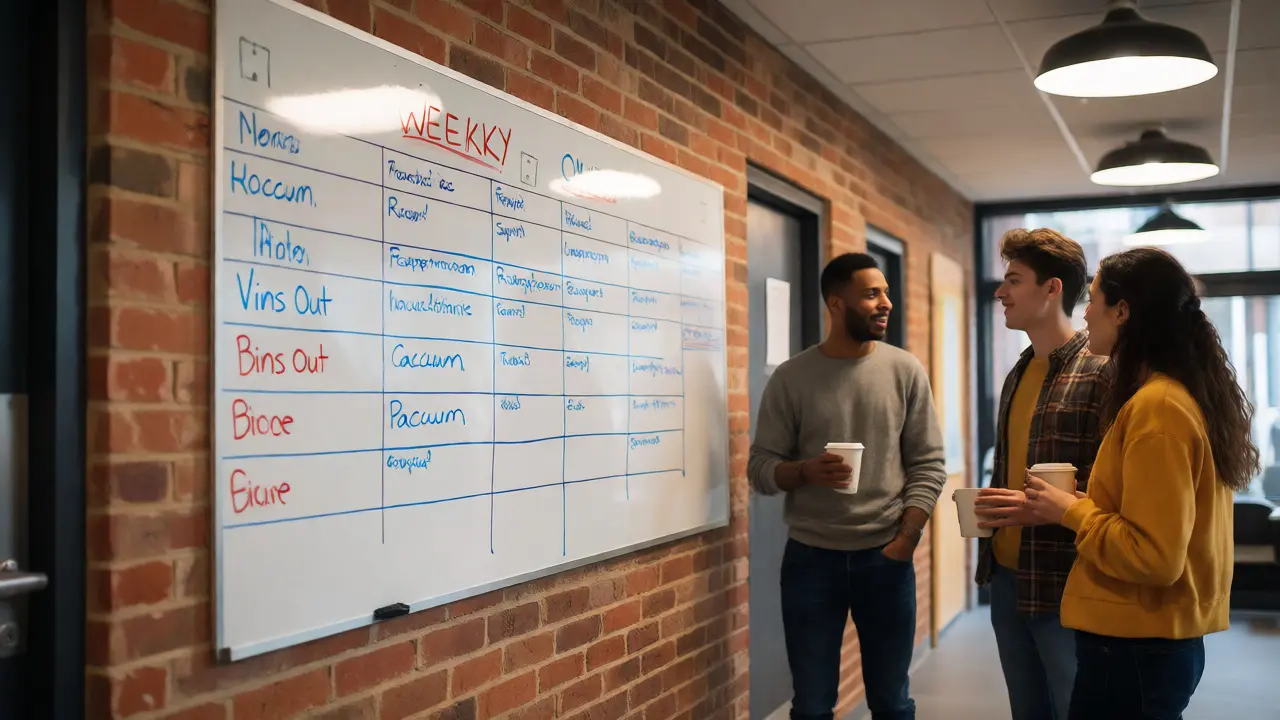
- Physical Whiteboard: Sometimes, visibility matters more than tech. A large whiteboard in the hallway forces accountability. People can’t ignore what’s right in front of them.
If you choose digital, ensure everyone actually checks the app. If you choose physical, designate a "reset day" (usually Sunday evening) to update the board. Hybrid approaches work well too: keep the weekly schedule on the wall, but use a chat group for reminders like "It’s my turn for bins, please check if I forgot."