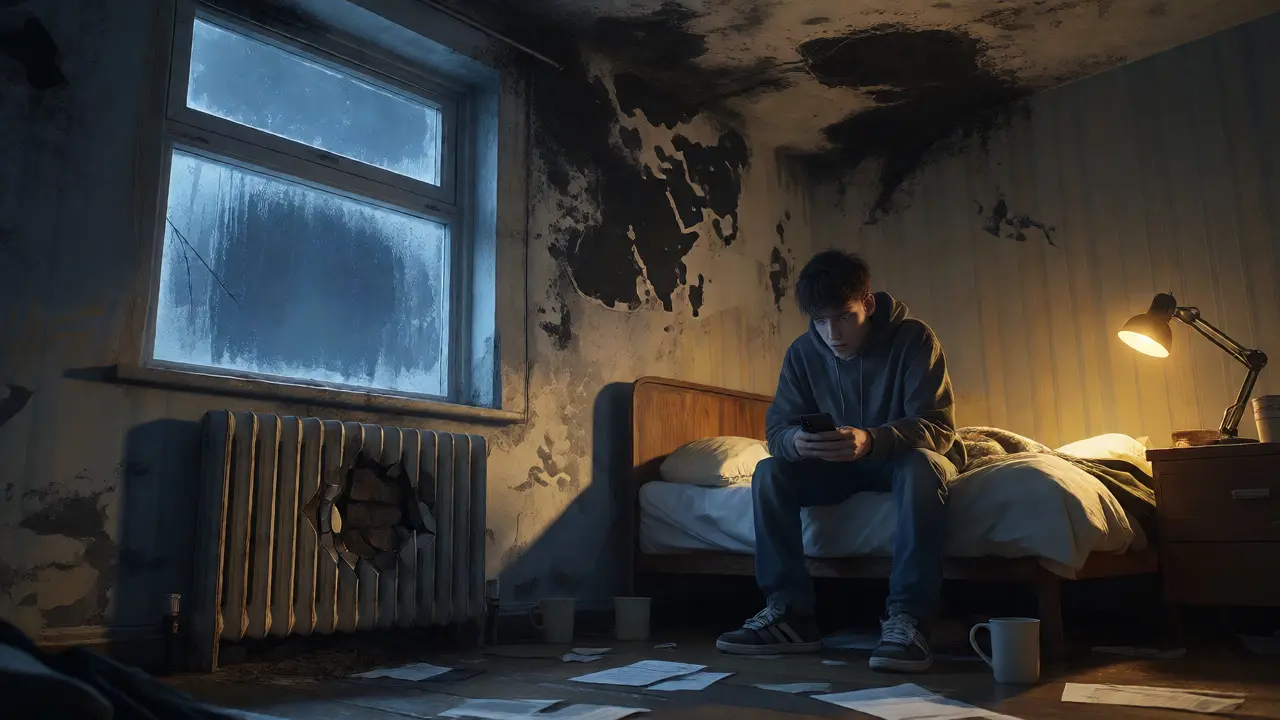
You’re staring at a radiator that hasn’t worked since October. The mold on your bathroom ceiling looks like a map of Europe. You’ve emailed your landlord three times, called twice, and sent one very polite WhatsApp message. Silence. If you are an international or domestic student in the UK, this isn’t just bad luck-it’s a breach of contract. But knowing who to call can feel like navigating a maze blindfolded. Do you go to the university? The local council? Or some obscure ombudsman nobody has heard of?
Here is the hard truth: most students give up because they don’t know the specific rules for their type of housing. University halls, private rentals, and council-managed properties all have different complaint routes. Using the wrong channel wastes months. This guide cuts through the bureaucracy so you can get your heating fixed, your deposit back, or your rent reduced.
Know Your Housing Type Before You Complain
Your first step isn’t writing an angry email; it’s identifying exactly who owns and manages your home. In the UK, student housing generally falls into three buckets, and each has a distinct escalation path. Misidentifying your provider will send your complaint into a black hole.
- University-Managed Halls: Owned directly by your university (e.g., Student Union accommodation or college-owned residences). These follow internal university policies but are ultimately subject to external oversight if unresolved.
- Private Landlords & Agencies: Independent landlords or letting agents managing purpose-built student accommodation (PBSA) or shared houses. They are regulated by government schemes and local councils.
- Council-Owned Housing: Rare for traditional undergraduates but common for postgraduate students, mature students, or those in supported housing managed by the Local Authority or city council.
If you live in a private flat, your primary regulator isn’t the university-it’s the law and potentially a redress scheme. If you live in university halls, your university is the first line of defense, but they aren’t above the law either.
The Internal Complaint Process: Step One
Before you escalate, you must exhaust the internal process. External bodies like the Ombudsman or courts will reject your case if you haven’t given the provider a fair chance to fix it. This sounds obvious, but many students skip the formal written stage and jump straight to threats.
Write a formal complaint letter or email. Keep it factual. List the issues with dates. For example: "On March 12, I reported a leaking roof. On March 15, no action was taken." Attach photos. Send it via recorded delivery or read-receipt email so you have proof they received it. Most universities and large agencies have a deadline-usually 20 working days-to respond. If they ignore you or give a rubbish answer, move to the next step.
| Housing Type | First Stop | External Escalation |
|---|---|---|
| University Halls | Accommodation Office / Students' Union Advice Service | Office of the Independent Adjudicator (OIA) |
| Private Rental (Agency) | Letting Agent / Landlord | Redress Scheme (TDS, DPS, MyDeposits) + Local Council |
| Council Housing | Council Housing Department | Local Government Ombudsman (LGO) |
University Halls: The Office of the Independent Adjudicator
If you live in university-owned accommodation and the university fails to resolve your issue, you can take your case to the Office of the Independent Adjudicator (OIA), which reviews complaints from higher education students in England and Wales. This is a powerful tool because the OIA’s decisions are binding on universities that are members (which is almost all of them).
You cannot go to the OIA immediately. You must complete the university’s internal appeals process first. Once that is done, you have twelve months from the date of the university’s final decision to submit your complaint to the OIA. The good news? It’s free for students. The OIA doesn’t act as a court; they look at whether the university acted fairly and followed its own procedures. Did they delay repairs unreasonably? Did they fail to consult you before changing room allocations?
Keep your evidence tight. The OIA wants to see that you tried to solve it reasonably. If the university ignored your emails for six weeks while you lived without hot water, the OIA will likely rule in your favor and order compensation or a refund.
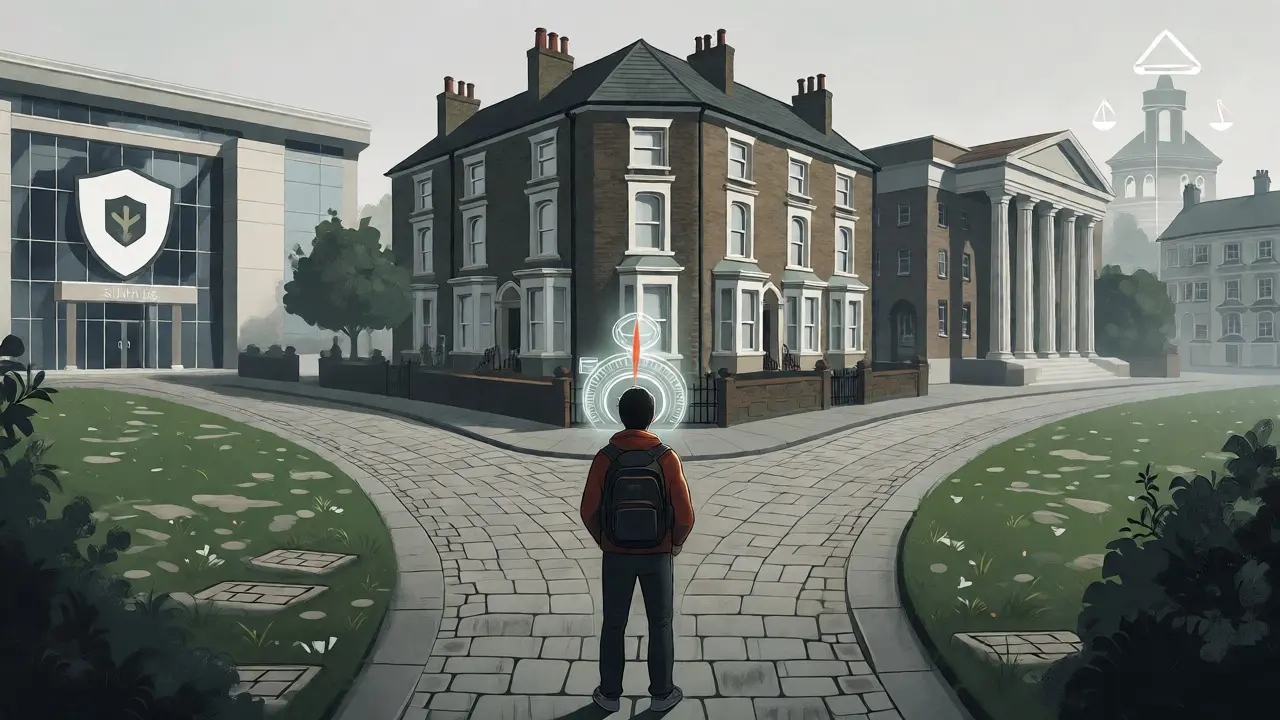
Private Rentals: Redress Schemes and Deposit Disputes
Most private student lettings involve a deposit held in a government-approved scheme. If your dispute is about money-specifically deductions from your deposit-you don’t need a lawyer. You need the adjudication service provided by the scheme holding your money.
In England and Wales, there are three main schemes: Tenancy Deposit Scheme (TDS), Deposit Protection Service (DPS), and mydeposits. When you moved in, your landlord should have told you which one holds your cash. If they deducted £300 for "carpet cleaning" but you had professional receipts proving it was clean, you can raise a dispute directly with the scheme. They will review photos, inventory reports, and correspondence. Their decision is binding.
What if the issue isn’t about the deposit, but about ongoing conditions like damp or harassment? Here, the Local Council environmental health team becomes your ally. Under the Housing Health and Safety Rating System (HHSRS), councils can inspect private homes for hazards. If they find serious risks, they can force the landlord to make repairs. You can request an inspection, though response times vary by council.
Council Housing: The Local Government Ombudsman
If your housing is managed directly by the local council (common for postgraduates or social housing tenants), the route is different. You start with the council’s own complaints procedure. If they fail to address maladministration-such as ignoring maintenance requests for months or charging incorrect fees-you escalate to the Local Government Ombudsman (LGO), now known as the Local Government and Social Care Ombudsman.
The LGO investigates complaints against councils and adult social care providers. They don’t deal with disagreements over policy (like "I don't like the color of the walls") but do handle failures in service delivery. Did the council promise a repair within 7 days and take 60? That’s maladministration. The LGO can recommend apologies, financial remedies, or changes in practice. Like the OIA, this service is free for residents.
When to Call the Police or Go to Court
Not every problem fits neatly into an ombudsman box. If your landlord enters your property without notice repeatedly, or threatens violence, that’s harassment. In these cases, document everything and contact the police if necessary. For severe breaches where you want to end the tenancy early or sue for damages exceeding what an ombudsman can award, you might need small claims court.
However, court is expensive and slow. Use it only when other avenues fail. For most student issues-mold, broken appliances, unfair fees-the administrative routes (OIA, LGO, Deposit Schemes) are faster, cheaper, and less stressful.
Practical Tips for Winning Your Case
Whether you are dealing with a university or a private landlord, how you present your case matters more than how angry you are. Judges and adjudicators prefer clarity over emotion.
- Keep a Log: Create a simple spreadsheet. Date, Issue, Action Taken, Response Received. This timeline is gold dust for any investigation.
- Photograph Everything: Take dated photos of damage when you move in and out. Use apps that timestamp images automatically.
- Use the Right Terminology: Don’t say "the place is gross." Say "there is visible mold affecting air quality," referencing potential health impacts under the HHSRS.
- Check Your Contract: Read the clause on repairs. Who is responsible for lightbulbs vs. boilers? Knowing this prevents silly arguments.
- Seek Free Advice: Contact your university’s Students' Union advice center or Shelter England for independent guidance before escalating. They often have templates for complaint letters.
Can I withhold rent if my heating is broken?
Be careful. Withholding rent without legal advice can put you in arrears, risking eviction. In the UK, you usually continue paying rent while disputing the issue, then seek reimbursement later. Consult Shelter or a solicitor before stopping payments.
How long does the OIA take to decide?
The Office of the Independent Adjudicator typically aims to resolve complaints within 90 days, but complex cases can take longer. You will receive updates on the status of your case during this period.
Do I need a lawyer to complain to the council?
No. The Local Government Ombudsman process is designed for laypeople. You submit a form online or by post. Lawyers can help if the case is highly complex, but it is rarely necessary for standard housing complaints.
What if my landlord isn't in a deposit protection scheme?
It is illegal in England and Wales for a landlord not to protect your deposit in an approved scheme within 30 days. If they haven't, you can claim up to three times the deposit amount through the courts. Check the website of TDS, DPS, or mydeposits to verify registration.
Can international students use these services?
Yes. Both the OIA and local council environmental health teams serve all students regardless of nationality, provided the property is located in the relevant jurisdiction (England/Wales for OIA/LGO specifics, Scotland has separate systems).