
Quick Wins for Your Dispute
- Always communicate in writing; emails are your best evidence.
- Check your contract for specific clauses on 'fair wear and tear'.
- Use the official complaints process before jumping to legal action.
- Leverage the Tenancy Deposit Scheme (TDS) for rental disputes.
- Contact the Energy Ombudsman for unresolved utility battles.
Dealing with Landlord Deposit Deductions
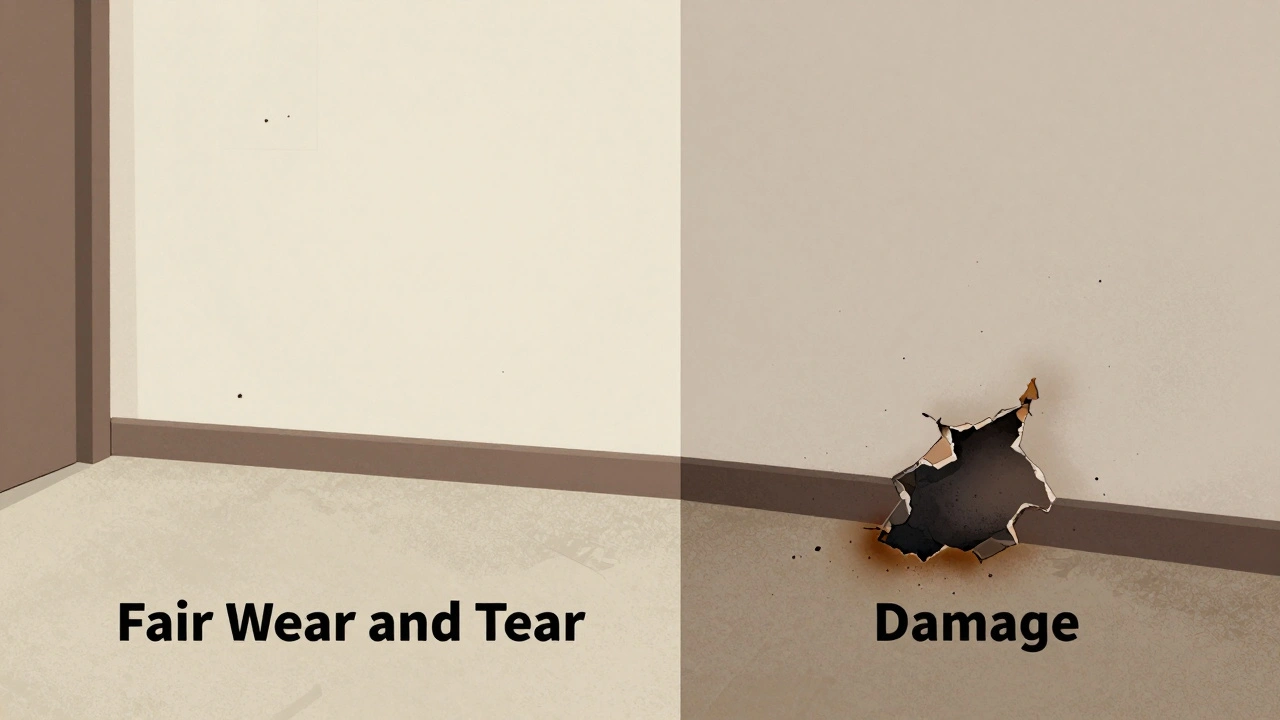
The most common battleground for tenants is the end-of-tenancy deposit. Many landlords try to charge for things that fall under Fair Wear and Tear, which is the natural deterioration of a property over time through normal daily use. For example, a few scuffs on a hallway wall after two years of living there is normal. Replacing the entire carpet because of a tiny mark is not.
If your landlord wants to deduct money from your Tenancy Deposit-the sum held as security against damage-you need to demand an itemized list of costs. Don't accept a vague "cleaning fee: £200". Ask for the actual invoice. If they used a professional company, they must prove the work was done and that it was necessary. Under the Tenant Fees Act 2019, landlords in England cannot charge banned fees, including most administrative costs that used to be common.
If you can't agree, stop arguing with the landlord and go straight to your deposit protection scheme. In the UK, almost all deposits must be held by a government-approved third party. These include the DPS (Deposit Protection Service), the My Deposits, or the TDS (Tenancy Deposit Scheme). These organizations offer a free dispute resolution service. They act as the judge: you provide your check-in inventory and photos, the landlord provides their evidence, and the scheme decides how much the landlord can actually keep.
| Scenario | Likely "Fair Wear and Tear" | Likely "Damage/Chargeable" |
|---|---|---|
| Walls/Paint | Small nail holes for pictures | Large holes or unauthorized painting |
| Carpets | Fading from sunlight or light traffic | Permanent stains or cigarette burns |
| Appliances | Old washer failing due to age | Broken door handle due to force |
| Cleaning | Dust in hard-to-reach areas | Leftover rubbish or heavy grime |
Fighting Overcharged Utility Bills
Utility disputes usually fall into two categories: billing errors (like estimated readings) and predatory charges. The most frequent issue is the "estimated bill". If your energy provider doesn't have an actual reading from your meter, they guess. If they guess too high, you end up paying for energy you never used. The first step is to take a photo of your meter right now and submit it through the provider's app or website. This forces them to recalculate based on actual usage.
Then there are the Standing Charges, which are the fixed daily costs of being connected to the energy grid regardless of how much energy you use. While these are legal, some companies try to apply incorrect tariffs. Check if you are on a "standard variable tariff" or a fixed deal. If you've been put on a more expensive rate without notice, you can demand a refund for the difference.
If you are dealing with a water bill and suspect a leak, remember that many UK water companies have a "leak allowance". This means if a pipe burst under your floor and your bill spiked, they may write off a portion of the high cost once you prove the leak has been fixed. Don't just pay the bill; call them and specifically ask for a "leakage allowance application form".
The Step-by-Step Process to Dispute a Charge
Whether it's a landlord or a power company, the challenge unfair charges process follows a similar logical flow. If you jump straight to a lawyer, you'll spend more than the charge itself. Follow this sequence instead:
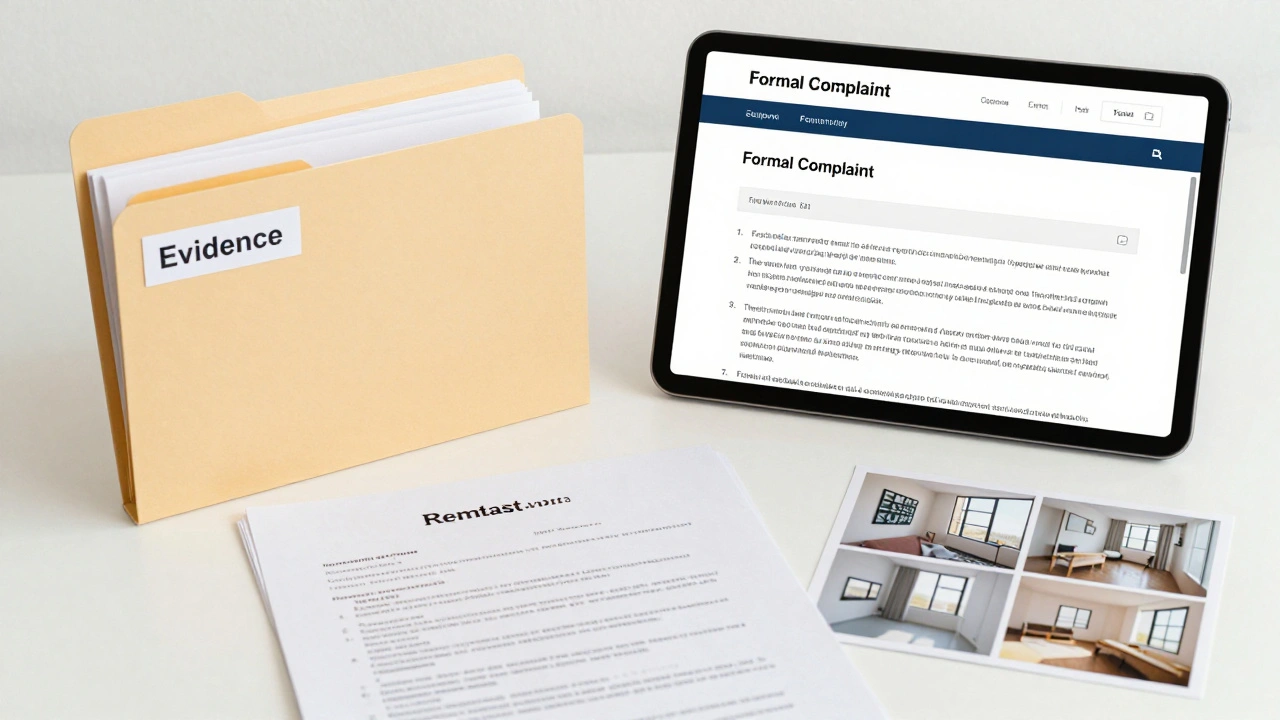
- Gather Your Evidence: Collect your signed contract, the move-in inventory (with photos), and all previous bills. If it's a utility issue, get your meter readings.
- The Informal Request: Send a polite email. "I've noticed a charge for £X which doesn't seem right based on my contract. Could you please provide a breakdown of this cost?" Give them 14 days to respond.
- The Formal Complaint: If they refuse or ignore you, send a "Formal Complaint". Use those exact words in the subject line. This triggers a internal legal process within the company. State exactly why the charge is unfair and what you want (e.g., a refund of £150).
- The Deadlock Letter: If the company says "no" again, ask for a "Letter of Deadlock". This is a formal document stating that you and the company cannot reach an agreement. You need this to take the case to an external ombudsman.
- Third-Party Arbitration: This is where you bring in the big guns. For utilities, this is the Energy Ombudsman or Ofwat. For landlords, it's the deposit protection scheme or the First-tier Tribunal (Property Chamber).
Dealing with 'Hidden' Service Charges
If you live in a flat, you likely pay a service charge for building maintenance. These are notorious for being vague. You are legally entitled to see the accounts for the building. If you see a charge for "General Repairs" that seems astronomical, ask for the receipts. Under the Landlord and Tenant Act, you have a right to challenge the reasonableness of service charges at a tribunal.
Watch out for "management fees" that aren't in your lease. A landlord cannot suddenly decide to charge you a £50 "admin fee" for renewing a contract if it isn't explicitly written in the agreement and compliant with the Tenant Fees Act. If they try, simply point to the legislation. Most landlords will drop the charge the moment they realize you know the law.

Common Pitfalls to Avoid
One of the biggest mistakes tenants make is paying the disputed amount "just to get it over with" and then trying to claim it back later. While you can do this, it's much harder to get money back once it's in the provider's pocket. If you are disputing a utility bill, tell the company you are paying the "undisputed amount" (the part you agree with) and that the rest is in dispute. This prevents them from claiming you are simply defaulting on your payments.
Another trap is relying on verbal agreements. "The landlord said I could paint the walls" doesn't hold water if you don't have an email or text to prove it. From now on, every single agreement-even the small ones-must be documented. If you have a phone call, send a follow-up email saying, "Just to confirm our conversation from earlier, we agreed that..."
Can a landlord charge me for professional cleaning if I left the place clean?
Generally, no. Under the Tenant Fees Act 2019, landlords cannot require a tenant to pay for a professional clean at the end of a tenancy. They can only require that the property is cleaned to the same standard it was when you moved in. If you cleaned it yourself to that standard, they cannot force you to pay for a professional service.
What happens if my landlord didn't protect my deposit in a scheme?
This is a serious breach of law. If your deposit wasn't protected within 30 days of payment, you can take the landlord to court. You could be awarded up to three times the amount of the deposit as compensation, and the landlord will still have to return the original deposit to you.
Can I stop paying my energy bill if I'm disputing a charge?
It is risky to stop all payments, as this can damage your credit score. The best approach is to pay the amount you believe is correct (the undisputed part) and notify the company in writing that the remaining balance is being formally disputed. This shows you are acting in good faith.
How do I prove 'Fair Wear and Tear' in a dispute?
The best proof is a comparison between your move-in inventory and your move-out photos. If the carpet was already slightly worn when you moved in, and it's slightly more worn now, that's fair wear and tear. Use timestamps on your photos to prove the condition of the property at both ends of the tenancy.
How long does it take to get a refund from the Energy Ombudsman?
Timelines vary, but typically a case is resolved within 90 days. The process is free for consumers, and the decision made by the Ombudsman is usually binding on the energy company, meaning they must pay the refund if the Ombudsman rules in your favor.
Next Steps for Different Situations
If you are still living in the property: Start a "evidence log". Take photos of the property every few months and save every communication. If you see a weird charge on a monthly bill, challenge it immediately; don't wait until the end of the year.
If you have already moved out: Do not sign any "agreement to release funds" unless you are 100% happy with the amount. Once you sign that, you usually waive your right to use the dispute service of the deposit scheme.
If you are on a low income: Contact Citizens Advice. They can often provide a templated letter for disputes that landlords find more intimidating than a personal email, and they can guide you through the free legal aid options if the amount of money is significant.