Quick Recovery Roadmap
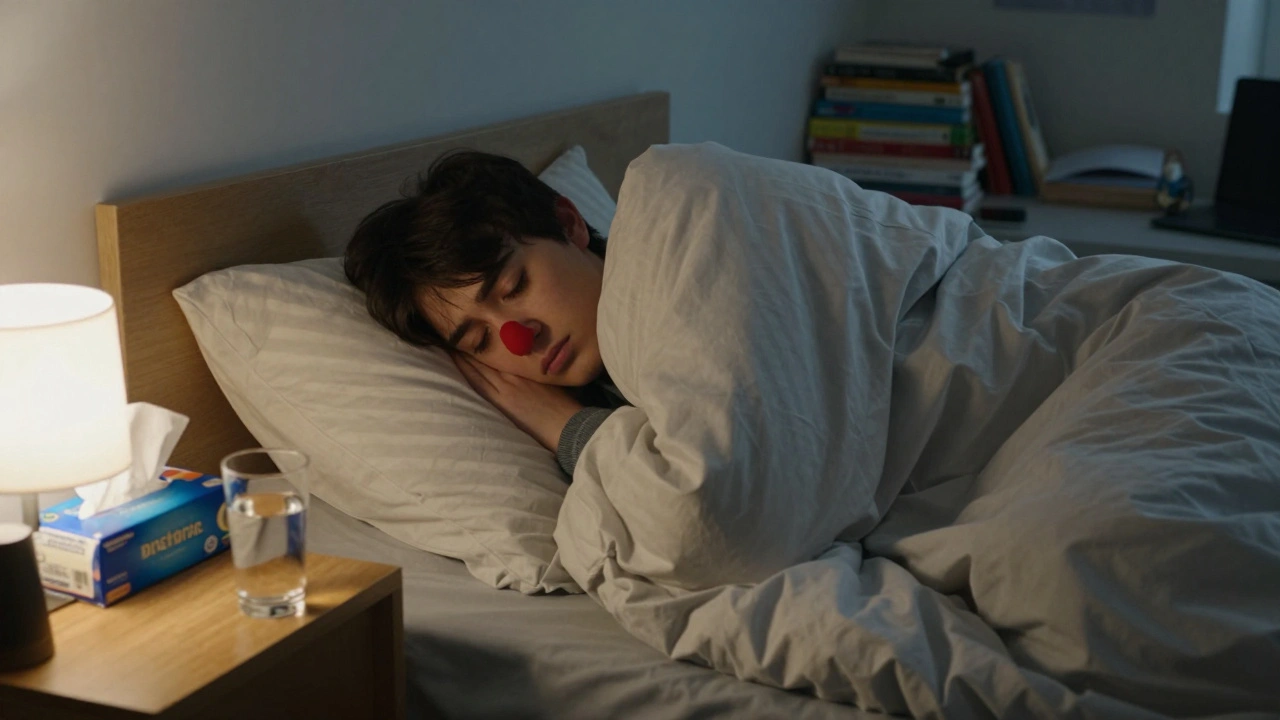
- Hydration: Drink at least 2 liters of water or herbal tea daily to thin mucus.
- Sleep: Aim for 8-10 hours; your immune system does its heavy lifting while you sleep.
- Nutrition: Focus on warm soups and vitamin-rich fruits over processed snacks.
- Hygiene: Use soap and water frequently to stop the cycle of reinfection in shared flats.
Why Everyone Gets Sick at Once
You might wonder why you've never felt this sick during a normal school break. The reality is that university life is a biological shock. You're suddenly exposed to hundreds of people from different cities and countries, each carrying their own unique strains of Rhinovirus (the primary cause of common colds) and other pathogens. Your immune system is essentially meeting a new library of germs all at once.
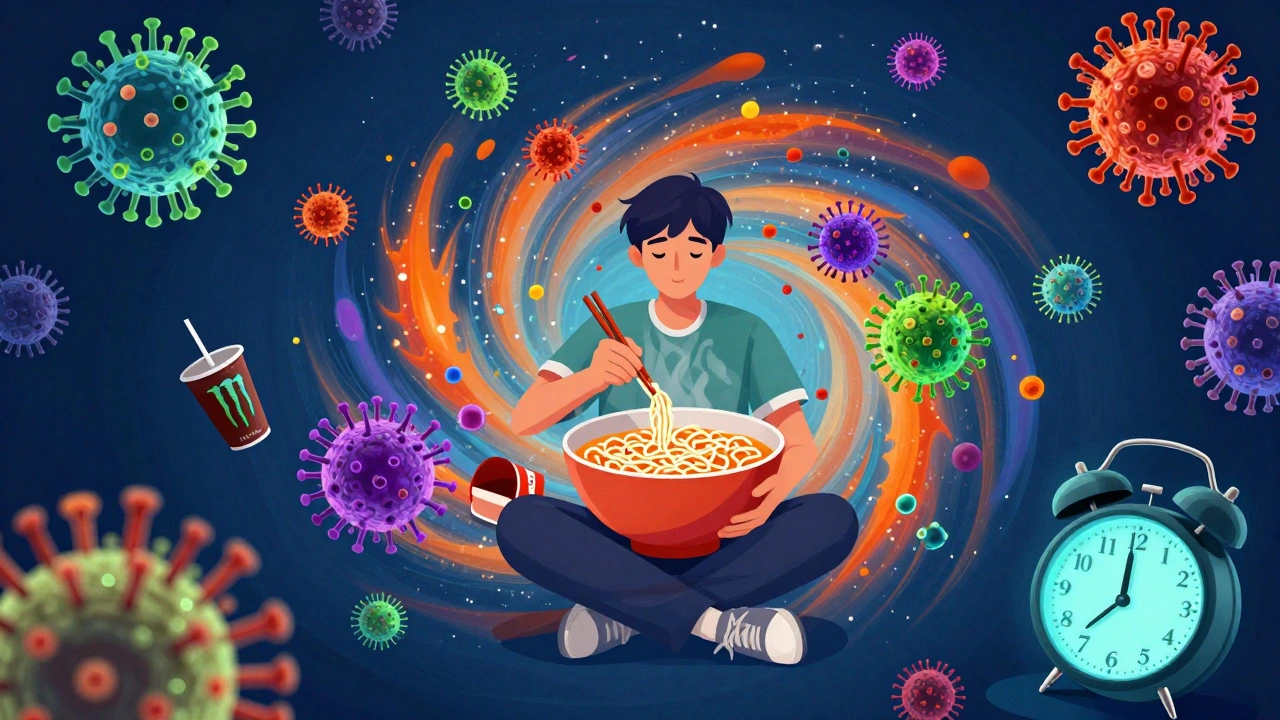
Combine this with the "Freshers' lifestyle." You're likely surviving on a diet of cheap noodles, drinking more alcohol than usual, and staying up until 3 AM. This suppresses your Immune System, making you a sitting duck for any virus floating around the lecture hall. When you combine sleep deprivation with high-stress levels from moving away from home, your body's natural defenses drop, and that's when the flu hits.
Effective Remedies for Rest at Home
When you're stuck in a dorm room, you don't have a full pharmacy at your disposal. The goal is symptom management while your body fights the virus. Start with the basics: steam. A hot shower or a bowl of steaming water with a towel over your head can clear your sinuses better than most sprays. If you have a fever, Paracetamol is the standard go-to in the UK for reducing temperature and easing muscle aches. Just make sure you follow the dosage on the packet-don't double up because you're desperate to go to a party.
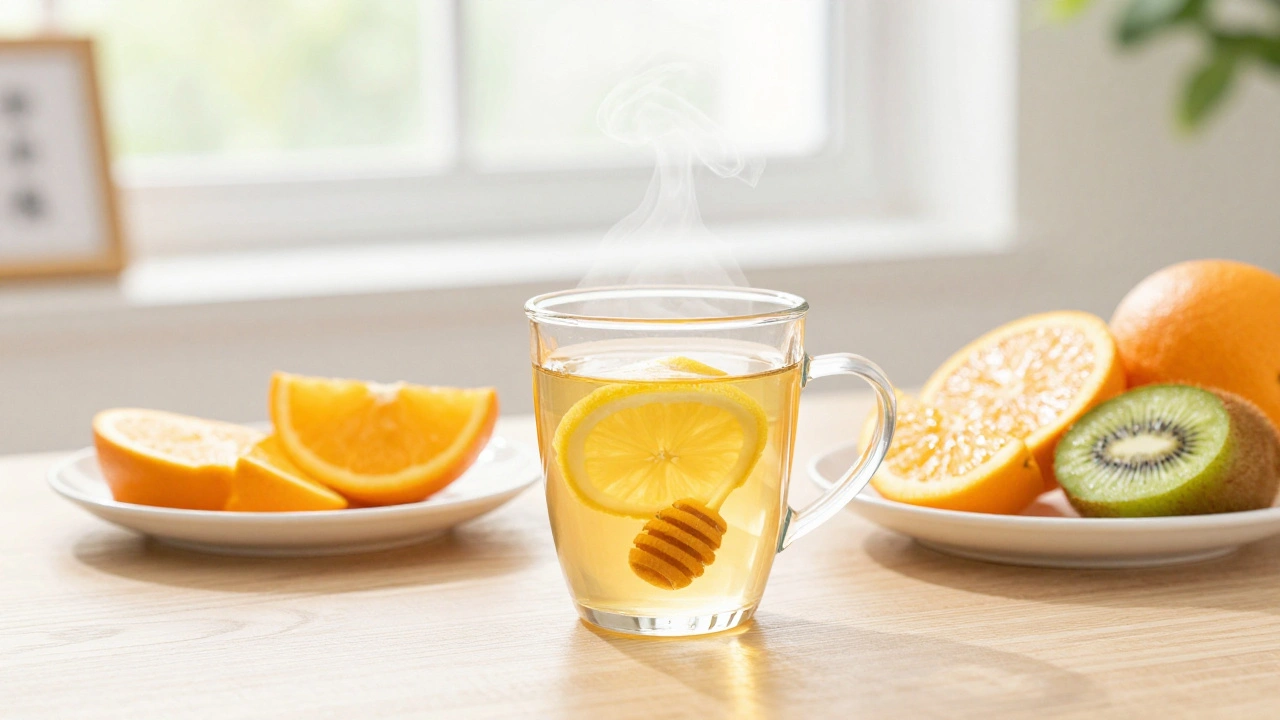
For a sore throat, honey and lemon in warm water isn't just an old wives' tale; it creates a protective film over the throat and helps soothe inflammation. If you're dealing with a heavy chest, a spoonful of honey before bed can reduce nighttime coughing, allowing you to actually get the restorative sleep you need. Avoid the temptation to take antibiotics unless a doctor specifically prescribes them; most cases of Freshers' Flu are viral, and antibiotics only work on bacteria.
| Symptom | Best Home Remedy | What to Avoid |
|---|---|---|
| Congested Nose | Saline spray or steam inhalation | Blowing nose too hard (irritates lining) |
| Sore Throat | Warm saltwater gargles and honey | Very cold drinks or spicy foods |
| Muscle Aches | Warm bath and Paracetamol | Intense workouts/gym sessions |
| Low Energy | Broth-based soups and naps | Excessive caffeine or energy drinks |
The Prevention Strategy for New Students
Prevention is all about building a buffer. Most students wait until they are sick to think about health, but the window for prevention is in the first 14 days of term. The most effective tool is Hand Hygiene. University kitchens are breeding grounds for bacteria. Wash your hands before every meal and after using shared facilities. If you can't get to a sink, a hand sanitizer with at least 60% alcohol is a lifesaver during long lecture blocks.
Diet plays a massive role in how you handle the "Freshers' gauntlet." Instead of relying on toast and cereal, try to incorporate Vitamin C rich foods. Think oranges, kiwis, and bell peppers. While a supplement might help, getting nutrients from whole foods provides a broader range of antioxidants that support your white blood cells. Also, keep an eye on your water intake. Dehydration dries out the mucous membranes in your nose and throat, making it easier for viruses to enter your system.
Don't underestimate the power of a consistent sleep schedule. It's tempting to stay up every night socializing, but your body produces Cytokines-proteins that target infection-primarily during sleep. If you only get four hours of sleep, you are significantly more likely to catch whatever your flatmate has. Try to carve out at least two nights a week where you prioritize a full eight hours of rest.
When to Stop Self-Treating and See a Doctor
Most people recover from this within a week, but some cases are more serious. You should contact your GP or visit a local walk-in centre if you experience a high fever that won't come down with medication, or if you have difficulty breathing. A persistent, deep cough that produces green or yellow phlegm could be a sign of Pneumonia or a secondary bacterial infection that requires medical intervention.
Another red flag is the "rebound effect." This is when you start feeling better for two days and then suddenly get much worse. This often happens when a viral infection opens the door for a bacterial infection to take hold. If your symptoms vanish and then return with more intensity, don't ignore it. Get a professional opinion to ensure you don't end up with a long-term respiratory issue that ruins your first semester.
Managing Your Social Life While Sick
The biggest struggle with Freshers' Flu isn't the cough; it's the FOMO (Fear Of Missing Out). You see your new friends posting photos from a club or a pub crawl, and you feel the urge to drag yourself out of bed. Resist this. Pushing your body when it's already compromised can turn a 5-day cold into a 3-week ordeal. Plus, you're essentially acting as a "super-spreader," passing the virus to your new social circle.
Instead, use this time for low-energy bonding. Invite a flatmate over for a movie marathon or a gaming session in the common room. It's a more relaxed way to get to know people without the noise of a club. Once you start feeling better, don't jump straight back into the deep end. Give yourself a "buffer day" of normal activity before hitting the gym or going to a loud event. Your body needs to fully recharge its energy stores before you put it under stress again.
Is Freshers' Flu actually a real medical condition?
No, it is not a clinical diagnosis. It is a general term for a set of symptoms caused by various common colds, viruses, and exhaustion. It describes the experience of many students getting sick at the same time due to shared environments and lifestyle changes.
How long does it usually last?
For most students, the worst of the symptoms last between 3 to 7 days. However, a lingering cough or slight fatigue can persist for two weeks depending on your immune system's strength and how much rest you actually get.
Can I prevent it by taking vitamins?
Vitamins like Vitamin C and Zinc can support your immune system, but they aren't magic shields. They work best as part of a balanced diet. The most effective prevention is a combination of frequent hand washing, adequate sleep, and staying hydrated.
Should I go to the university clinic for a cold?
If you have standard cold symptoms, home rest and over-the-counter remedies are usually sufficient. However, if you have a very high fever, shortness of breath, or symptoms that don't improve after a week, you should definitely book an appointment with your GP.
Does alcohol make Freshers' Flu worse?
Yes. Alcohol dehydrates the body and can suppress the immune system, making it harder for your body to fight off the virus. It can also interact poorly with some over-the-counter medications like paracetamol, so it's best to avoid it until you've fully recovered.
Next Steps for a Healthy Semester
Now that you're recovering, use this as a wake-up call to set up a sustainable routine. Register with a local GP immediately if you haven't already; don't wait until you're in a crisis to find out where your clinic is. Explore the local supermarkets for fresh produce so you aren't relying on vending machines when you're stressed during exam periods.
If you find yourself getting sick frequently, consider tracking your sleep and diet for a week. Often, a small change-like drinking more water or going to bed one hour earlier-can make a huge difference in how often you catch these seasonal bugs. Your first year of university is a marathon, not a sprint, so take care of your health now to ensure you can actually enjoy the rest of the term.