
Asking a UK lecturer is an academic staff member in the United Kingdom who teaches and assesses students at universities or colleges for a reference can feel like navigating a minefield. You need that letter for your job application, postgraduate course, or scholarship, but you don’t want to sound demanding or awkward. In the UK higher education system, relationships are often more formal than in the US, and timing is everything. Get it wrong, and you might get a generic, lukewarm note-or worse, silence. Get it right, and you’ll secure a powerful endorsement that highlights your strengths.
The good news? It’s not as hard as it seems if you follow a few key rules. This guide will walk you through exactly how to approach your lecturer, what to include in your request, and how to make their job easy so they write a glowing recommendation.
Why Timing Matters in UK Academia
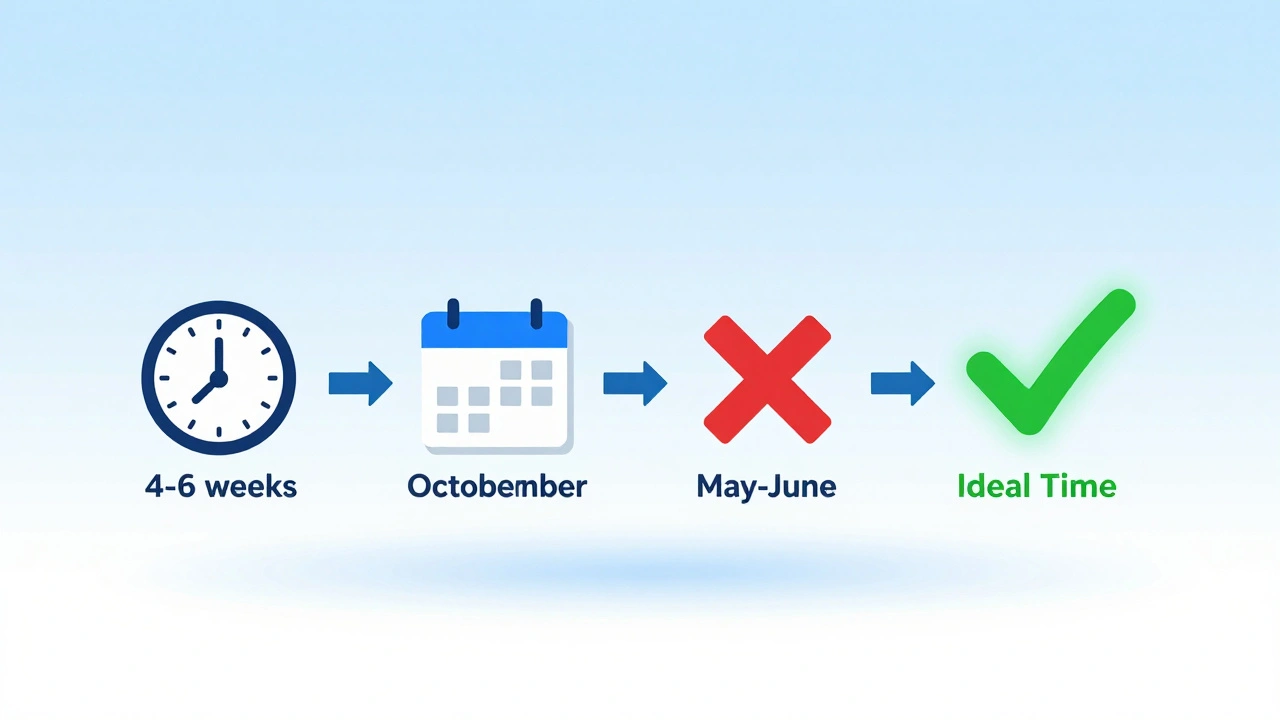
In UK universities, lecturers are incredibly busy, especially during exam periods and module assessments. Asking for a reference during these times is a recipe for disaster. They simply won’t have the time to write a thoughtful, detailed letter. Instead, aim to ask at least four to six weeks before your deadline. If you’re applying for postgraduate courses are advanced degree programs pursued after completing an undergraduate degree, try to ask in October or November of your final year. For job applications, give them plenty of notice-two weeks is the absolute minimum, but four is better.
Avoid asking during:
- Exam weeks (usually May-June and December)
- Module assessment deadlines
- Holiday breaks (Christmas, Easter, summer break)
Instead, pick a quiet period between modules or at the start of a new semester when their workload is lighter.
Choosing the Right Lecturer
Not every lecturer knows you well enough to write a strong reference. Think about who taught you in classes where you participated actively, submitted high-quality work, or had meaningful discussions. Ideally, choose someone who:
- Taught you in a core module related to your career goals
- Gave you positive feedback on essays or projects
- You’ve spoken with outside of class hours (e.g., during office hours)
If you’re unsure whether a lecturer remembers you, remind them gently in your initial email. Mention specific details from their class, like a project you worked on or a topic you discussed. This helps jog their memory and shows you were engaged.
How to Craft Your Initial Request Email
Your first email should be polite, clear, and concise. Don’t expect a yes on the spot-give them time to consider. Here’s what to include:
- Subject Line: Make it clear and professional. Example: "Request for Reference - [Your Name]"
- Greeting: Use "Dear Dr. [Last Name]" or "Dear Professor [Last Name]" unless they’ve told you otherwise.
- Reminder: Briefly remind them who you are and which module you took with them.
- Purpose: Explain why you need the reference (job, course, scholarship).
- Deadline: State the submission deadline clearly.
- Offer Materials: Offer to send your CV, personal statement, or other relevant documents.
- Out: Thank them for their time and let them know it’s okay if they can’t do it.
Here’s a template you can adapt:
Dear Dr. Smith,
I hope this email finds you well. My name is Alex Quadros, and I was a student in your Advanced Marketing Strategies module last semester. I really enjoyed your teaching style and appreciated your feedback on my final project.
I am currently applying for a Marketing Analyst position at XYZ Company, and I would be grateful if you could provide a reference for me. The application deadline is June 15th, so I wanted to reach out early to ensure you have ample time.
I have attached my CV and cover letter for your reference. Please let me know if you need any additional information. I completely understand if you are unable to provide a reference at this time.
Thank you for considering my request.
Best regards,
Alex Quadros
[Your Phone Number]
[Your LinkedIn Profile]
Making Their Job Easy
Lecturers appreciate students who make the process smooth. Once they agree to write the reference, send them a package of materials to help them craft a strong letter. Include:
- Your updated CV
- Your personal statement or statement of purpose
- A list of key achievements or skills you’d like highlighted
- Details about the role or program you’re applying for
- The submission instructions (online portal link, email address, etc.)
You can also suggest specific points they might mention, such as your analytical skills, teamwork abilities, or research capabilities. This doesn’t mean dictating what they write-it just gives them concrete examples to draw from.
Following Up Politely
If you haven’t heard back within a week, send a gentle reminder. Don’t panic-they might have missed your email or are waiting for more information. Keep it brief and polite:
Dear Dr. Smith,
I hope you’re having a good week. I just wanted to follow up on my previous email regarding the reference for my job application. Please let me know if you need any further information from me.
Thank you again for your support.
Best regards,
Alex Quadros
If they still don’t respond, assume they can’t do it and move on to another contact. Never badger a lecturer-it reflects poorly on you.
What to Do After They Submit the Reference
Once the lecturer submits the reference, send a thank-you email. Let them know you appreciate their effort and keep them updated on the outcome. If you get the job or admission, share the good news! It builds goodwill for future interactions.
Can I ask multiple UK lecturers for references?
Yes, you can ask multiple lecturers, but only use the ones who know you best. Most applications require two references, so prioritize quality over quantity. Avoid asking too many people-it can seem desperate or disorganized.
What if a lecturer refuses to write a reference?
If a lecturer declines, accept it gracefully. They may not feel they know you well enough or may be too busy. Move on to another contact without pressing the issue. It’s better to have a neutral reference than none at all.
Should I offer to draft the reference for my lecturer?
No, never draft the reference yourself. It undermines the authenticity of the endorsement. Instead, provide bullet points or anecdotes that highlight your strengths, letting the lecturer write the letter in their own voice.
Is it okay to ask a lecturer for a reference via social media?
It’s not ideal. Email is the most professional and appropriate method. Social media messages can come across as casual or intrusive. Stick to official university email addresses or LinkedIn messaging if necessary.
How long does a UK lecturer reference stay valid?
Most references are considered valid for one to two years. If you’re reapplying for jobs or courses after a long gap, ask for an updated reference to reflect recent achievements and growth.