
When you first see the rent price for a UK student flat, it feels manageable. £800 a month? That’s doable. But by the time you’ve paid your first bill, you realize you’re spending way more than the advertised rate. The truth? Student accommodation in the UK is full of hidden costs that catch most newcomers off guard. These aren’t just small extras-they add up to hundreds of pounds every month, and they’re rarely spelled out in the brochure.
Utility Bills Are Never Included
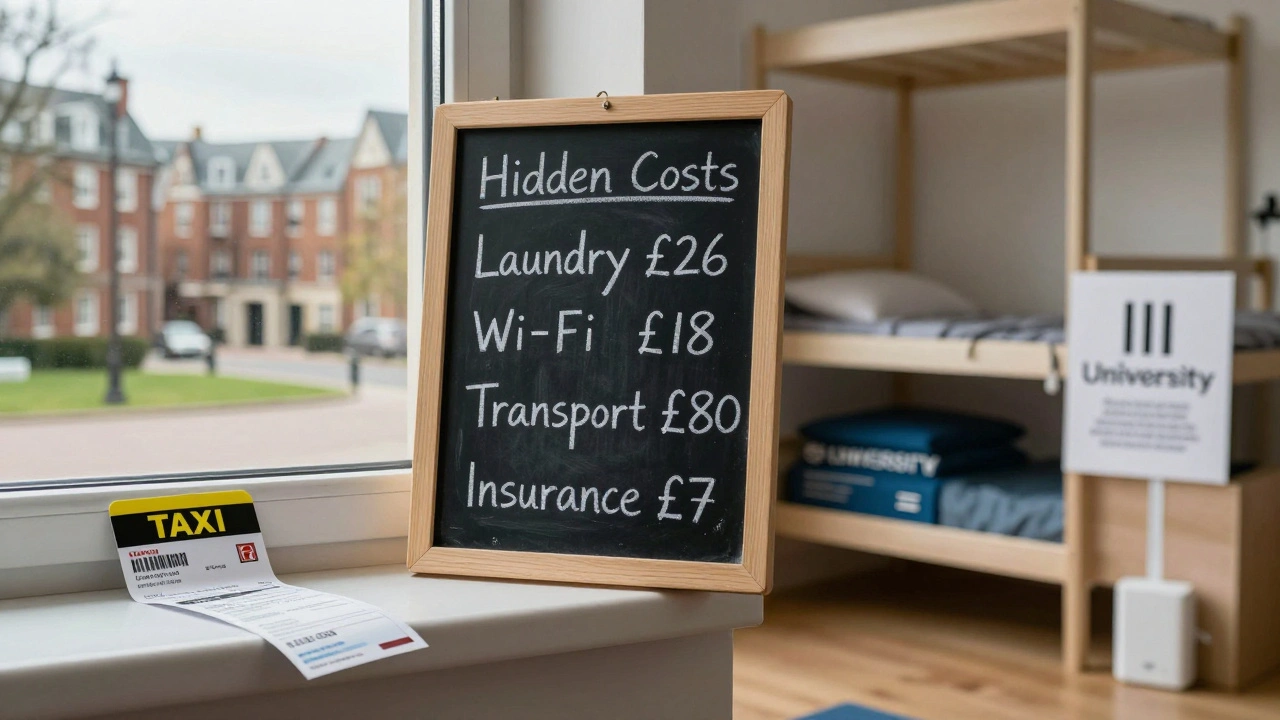
Most student housing ads say "rent includes bills"-but that’s often misleading. What they really mean is "electricity and water are included," but internet isn’t. Or maybe gas is covered, but heating is capped at £15 a week. You’ll get a separate bill for Wi-Fi, and it’s usually £12-£20 a month. Some places charge extra for laundry, too. A single wash cycle? £2.50. Do that twice a week, and you’re spending £26 a month just to keep your clothes clean.
And don’t forget about water usage limits. A few universities cap water usage at 500 liters per person per week. Go over? You pay extra. One student in Manchester ended up paying £47 extra in one month because he took long showers and didn’t realize the limit existed.
Security Deposit Traps
You pay a £400 deposit. Sounds fair. But when you move out, you’re told the carpet is stained, the kitchen tiles are chipped, or the TV remote is missing-even if you never touched it. Landlords use vague terms like "fair wear and tear" to justify deductions. A 2023 report from the National Union of Students found that 63% of students lost part of their deposit over minor damage that wasn’t their fault.
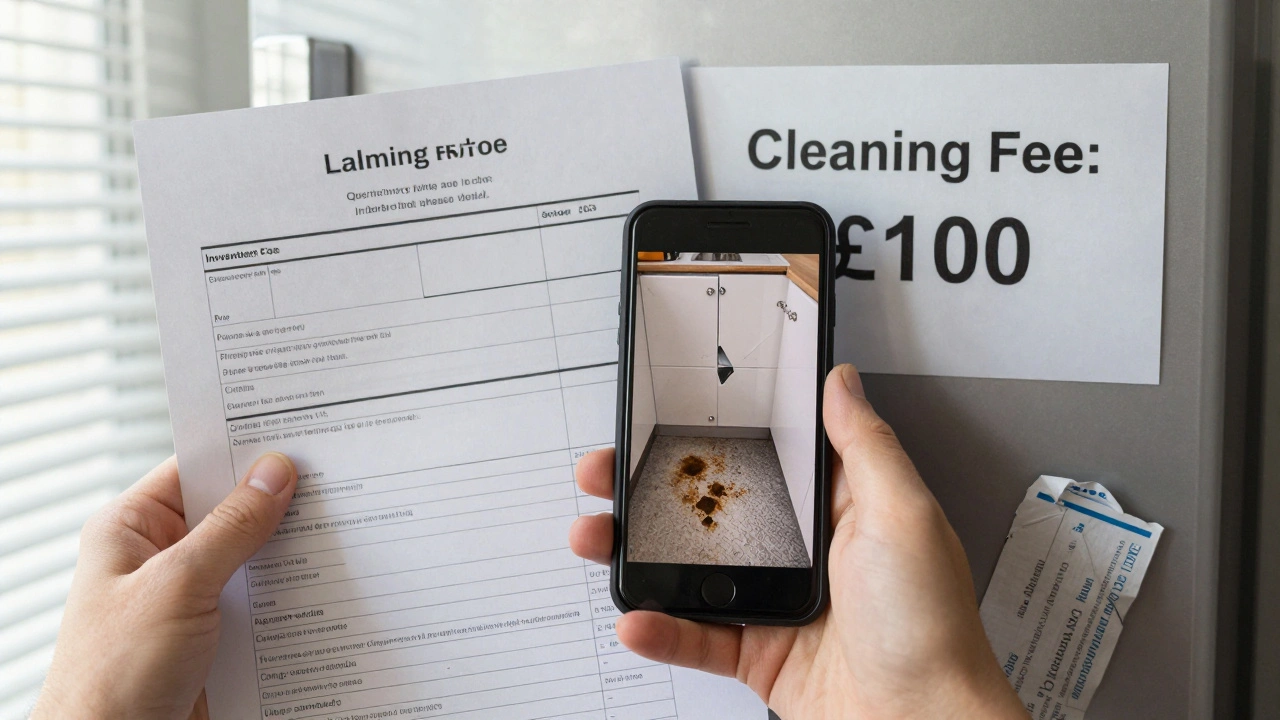
Some accommodations even charge a "cleaning fee"-£100 or more-claiming you didn’t leave the flat in "professional condition." But if you cleaned it yourself, why should you pay? Many students don’t realize they can dispute these charges. You need photos from move-in day, a signed inventory checklist, and proof you cleaned. Most don’t have any of that.
Location Isn’t Free
The cheapest rooms are usually the farthest from campus. A £600/month flat might be a 45-minute bus ride away. That means monthly transport costs: £60-£100 for a student bus pass. Add in occasional taxis after late lectures or weekend trips home? You’re looking at £150 extra a month.
Some student halls charge for parking-even if you don’t have a car. One student in Leeds was billed £30 a month for a "parking permit" he never used. He only found out after checking his account online. And if you live off-campus in a private building, you might pay for a gym membership that’s included in the rent but requires a separate sign-up fee just to get access.
Contents Insurance You Didn’t Ask For
Most student housing packages include "basic contents insurance." But what does that actually cover? If your laptop gets stolen, you might get £500. If your phone dies? Nothing. If your camera breaks during a trip? Not covered. The insurance often has a £250 excess-meaning if you file a claim for £300, you only get £50 back.
Some landlords automatically enroll you in their insurance plan and charge £5-£8 a month. You can opt out, but you have to do it within 14 days of signing the contract. Most students miss that deadline. By the time they realize their camera was stolen, it’s too late to switch.
Network and Device Fees
Some accommodations charge extra for each device you connect to the Wi-Fi. One provider in Birmingham limits you to three devices per room. Plug in a smart speaker, a gaming console, and a second laptop? You’re hit with a £5 monthly fee per extra device. That’s £15 extra for a student who just wants to stream Netflix and play games.
And don’t assume the provided furniture is in good shape. If a bed frame breaks because it’s old, you might be charged for replacement. One student in Glasgow got a £120 bill for a broken bunk bed-despite the fact that the university had replaced it twice in the last year.
Food and Kitchen Chaos
Shared kitchens are a nightmare. You pay £20 a month for "kitchen maintenance," but that doesn’t cover cleaning supplies. You end up buying dish soap, sponges, trash bags, and cleaning wipes yourself. That’s £10-£15 a month, easily.
And if you’re in a self-catered flat, you’re expected to cook. But grocery prices near campuses are inflated. A bag of rice costs £3.50 at the campus shop, £1.99 at the supermarket 2 miles away. A student who doesn’t have a car or bike pays £5 extra each trip just to get there. Over a term, that adds up to £80.
What You Can Do About It
Before you sign anything, ask for a full breakdown. Not just rent. Ask: "What’s not included?" Get every fee in writing. Demand a copy of the inventory checklist before you move in. Take time-stamped photos of every room, every scratch, every stain. Save receipts for cleaning supplies. Keep records of every payment.
Join your student union. They often have free legal advice for housing disputes. If you’re overcharged, you can appeal. Many students win back hundreds of pounds just by knowing their rights.
And if you’re choosing between two places? Don’t just compare rent. Compare the hidden costs. A £100 cheaper flat might cost you £200 more in bills, transport, and cleaning fees. The real price isn’t what’s listed. It’s what you’re forced to pay after move-in day.
Are utility bills really not included in student rent?
Many student accommodations advertise "bills included," but this usually only covers water and electricity. Internet, heating limits, laundry, and even water usage over a cap are often extra. Always ask for a written list of what’s included and what’s not. Don’t assume anything.
Can I get my security deposit back if I clean the flat myself?
Yes-but only if you have proof. Take photos before you move out, keep receipts for cleaning supplies, and make sure you signed the inventory checklist when you moved in. Landlords can’t charge for normal wear and tear. If they try, you can dispute it through your student union or the deposit protection scheme.
Why do some student halls charge for parking if I don’t have a car?
Some landlords include parking fees in the rent regardless of whether you own a vehicle. This is common in areas where parking is limited. Always ask if parking is mandatory. If it is, you can request a refund or waiver-especially if you’re using public transport.
Is contents insurance worth it for students?
The insurance offered by halls is usually weak. It often has low coverage limits, high excess fees, and excludes common items like laptops or phones. It’s better to check if your parents’ home insurance covers you, or get a cheap standalone policy. Don’t rely on the one automatically added to your rent.
What should I do if I’m charged for damage I didn’t cause?
First, request a detailed breakdown of the charges. Then, compare them to your move-in photos and inventory form. If the damage existed before you moved in, you have a case. Contact your student union for support. Most universities have a housing officer who can help you appeal. Many students successfully get charges reversed just by asking.