Imagine this: you've got a 30-minute break between lectures, a cramped dorm kitchen, and a hunger pangs. But no worries-your healthy microwave recipes can be simple and nutritious. In the UK, where student housing often lacks full kitchens, microwave cooking is a quick and healthy way to prepare meals with minimal effort. Let's cut through the myths and show you exactly how to make real food in minutes.
Why Your Microwave is a Student's Secret Weapon
Most UK students don't have the luxury of a full kitchen. Dorm rooms often only have a microwave, maybe a mini-fridge, and a kettle. But that's all you need. Microwaves heat food faster than ovens or stovetops-no preheating, no cleanup. Plus, they're way cheaper than takeaway. A study by the National Union of Students in 2024 found that students who cook with microwaves spend 40% less on food than those relying on ready meals. And healthier too. Instead of salt-heavy takeout, you can make real meals with fresh ingredients. For example, a baked sweet potato with tuna costs under £2 and takes 10 minutes. That's a meal that beats £5 takeaway any day.
Safety First: What UK Students Need to Know
Before you start cooking, safety is key. UK microwaves usually run at 700-1000 watts. That's lower than some US models, so cooking times might be longer. Always check the wattage label inside your microwave. Never use metal containers-they cause sparks. Stick to glass, ceramic, or containers labeled 'microwave-safe'. Plastic containers? Only use ones that say 'microwave-safe' on the bottom. Also, liquids can superheat. Heat a cup of water for a minute, then let it sit for 30 seconds before drinking. Stirring helps prevent burns. And never microwave sealed containers-pierce the lid or leave it slightly open. In the UK, food safety regulations require clear labeling on containers, so always check before using.
5 Foolproof Microwave Recipes for Busy Students
Here are five recipes that take under 10 minutes. All use ingredients you can find at UK supermarkets like Tesco or Lidl.
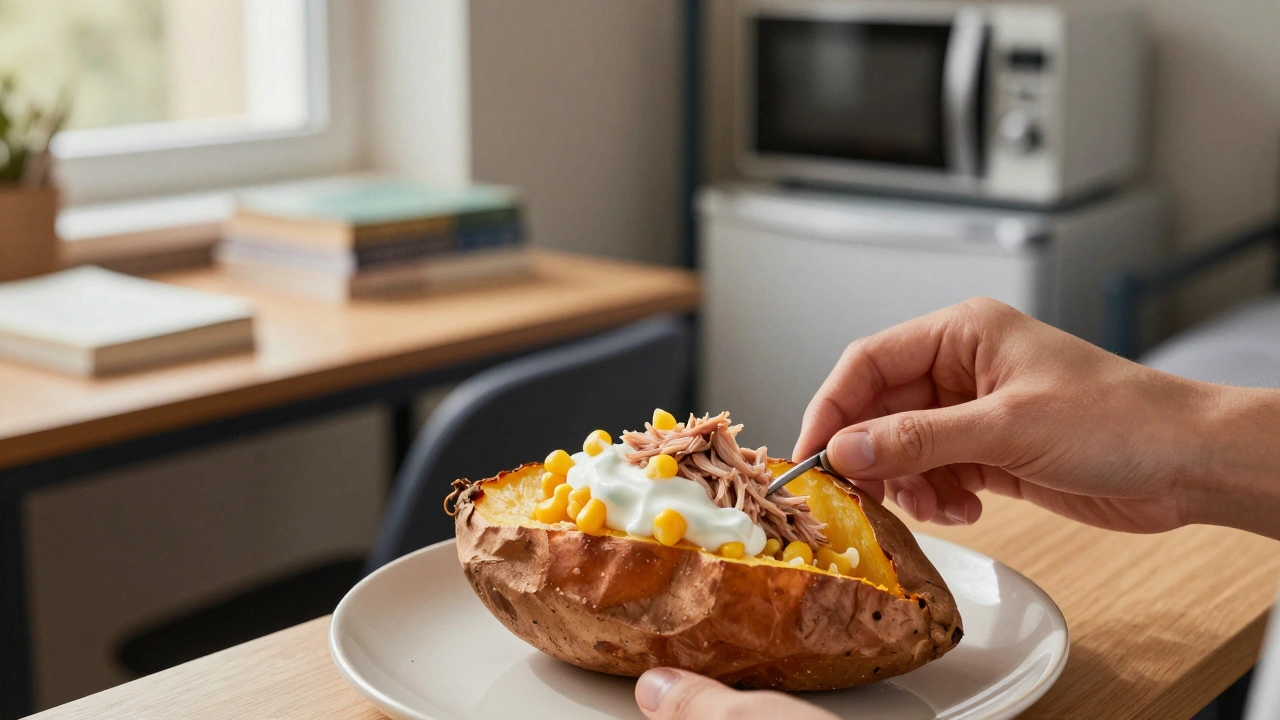
- Baked Sweet Potato with Tuna: Pierce a sweet potato with a fork. Microwave on high for 5-7 minutes until soft. Split open, top with canned tuna mixed with a spoonful of Greek yogurt, and a sprinkle of sweetcorn. Season with salt, pepper, and lemon juice. Done in 10 minutes.
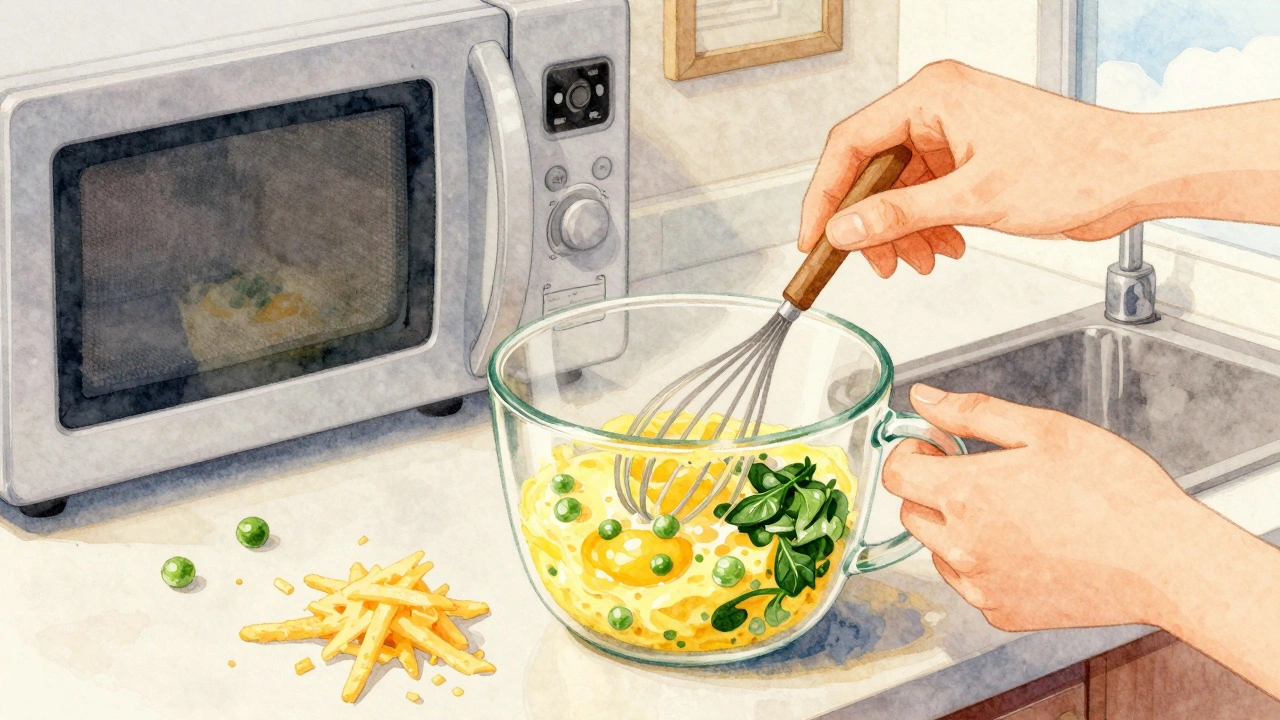
- Mug Omelette: Whisk two eggs with a splash of milk in a microwave-safe mug. Add frozen peas and chopped spinach. Microwave for 1 minute, stir, then cook for another 30 seconds. Top with grated cheddar. Perfect for breakfast or a quick lunch.
- Vegetable Soup: Combine 1 cup of canned tomatoes, ½ cup frozen mixed veggies, and ½ cup vegetable stock in a bowl. Microwave for 3 minutes. Stir in a pinch of dried herbs like thyme or oregano. It's ready in 4 minutes-ideal for cold days.
- Instant Oats with Peanut Butter: Mix ½ cup oats with 1 cup water in a mug. Microwave for 2 minutes. Stir in a tablespoon of peanut butter and sliced banana. Add a dash of cinnamon for extra flavor. This costs less than 50p and keeps you full for hours.
- Tuna and Sweetcorn Salad: Mix canned tuna, sweetcorn, and cherry tomatoes in a bowl. Add a dash of olive oil and lemon juice. Heat in the microwave for 1 minute to warm the tuna. No cooking needed-just mixing. It's a refreshing lunch option that takes 2 minutes.
Budget-Friendly Ingredients You Can Find at UK Supermarkets
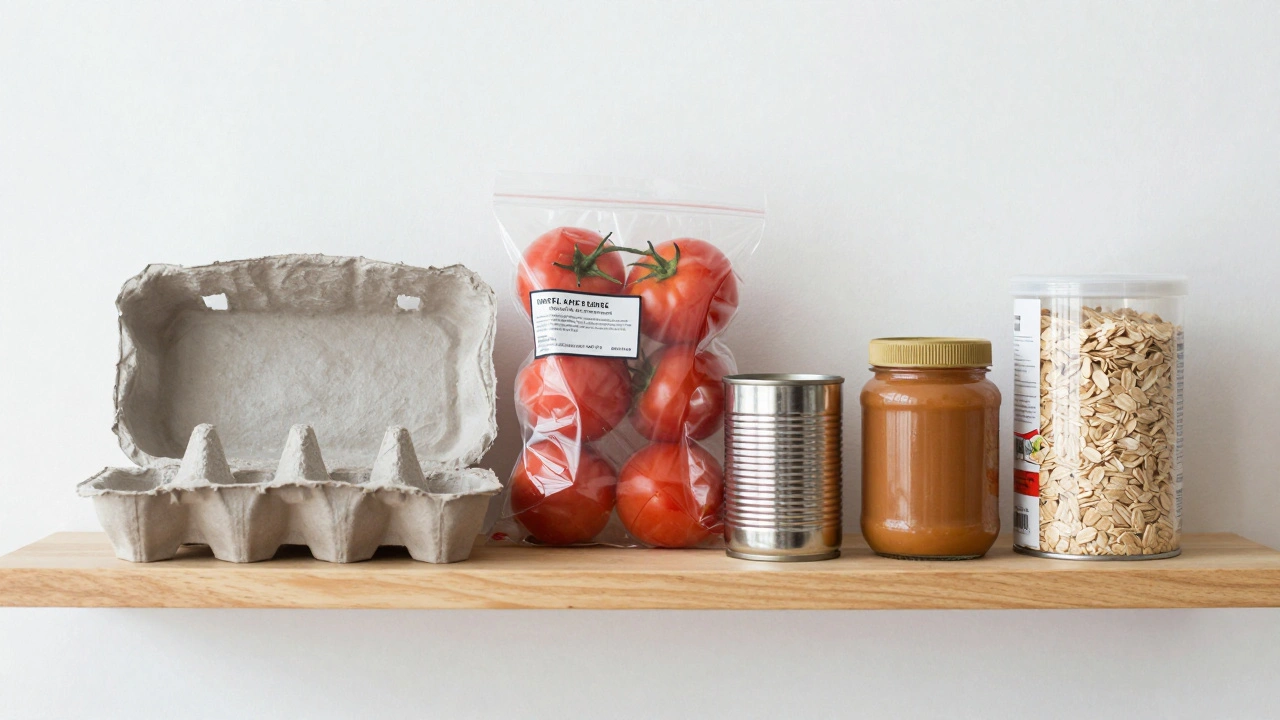
You don't need fancy ingredients. UK supermarkets have cheap, healthy options. Eggs cost around £1.50 a dozen. Frozen veggies are £1-£2 per bag and last months. Canned beans are £0.50 a can. Oats are £1 for a big tub. Look for store brands like Tesco Value or Aldi's own brand. They're just as good. A bag of frozen mixed veggies at Lidl costs less than £1 and can make multiple meals. Keep a small pantry of these basics, and you'll never be stuck with takeout. For example, a £5 shopping trip at Aldi can cover a week of meals: eggs, oats, canned tomatoes, frozen peas, and peanut butter. That's all you need to start cooking.
Avoid These Common Microwave Mistakes
Even simple recipes can go wrong. Overcooking is the biggest mistake. Start with shorter times-30 seconds at a time-and check. Using the wrong container can melt plastic or cause fires. Only use microwave-safe containers. Also, don't cover food tightly-steam needs to escape. Use a vented lid or paper towel. And always stir halfway through cooking. Microwaves heat unevenly, so stirring ensures even heat. Finally, never leave food unattended. It's easy to burn things if you walk away. For example, if you microwave a mug of soup for 2 minutes straight, it might boil over. But if you stop at 1 minute, stir, then cook for another 30 seconds, it stays perfectly smooth.
Quick Checklist for Success
Before you start cooking, check these off:
- Use microwave-safe containers (glass or labeled plastic)
- Pierce potatoes or sealed foods to avoid explosions
- Stir food halfway through cooking
- Start with lower power settings for delicate items
- Let food stand for 1 minute after cooking to finish heating
- Keep a small pantry: eggs, canned beans, frozen veggies, oats, peanut butter
Can I cook raw meat in the microwave?
Yes, but you must ensure it reaches a safe internal temperature. Use a food thermometer to check. Chicken needs to reach 74°C (165°F), and beef or pork should be 63°C (145°F). Microwave cooking can be uneven, so stir or rotate the meat halfway through. Alternatively, partially cook meat in the microwave and finish it on the stove for even heating.
How do I prevent food from drying out?
Cover your food with a microwave-safe lid or vented plastic wrap. Adding a splash of water or broth before heating helps retain moisture. For items like rice or pasta, stir halfway through cooking. Also, use lower power settings (50-70%) for longer cooking times to avoid overcooking the edges while the center heats up.
Are frozen vegetables okay for microwave cooking?
Absolutely! Frozen veggies are perfect for microwave cooking because they're already prepped and retain nutrients. Just add a splash of water to the bowl before microwaving to help steam them. No need to thaw-cook them straight from frozen. A bag of frozen peas takes 2-3 minutes on high to become tender.
What's the best way to reheat leftovers?
Reheat leftovers in short bursts. Start with 1 minute on medium power, then check and stir. Repeat until heated through. Covering with a damp paper towel prevents drying out. For soups or sauces, stir every 30 seconds. Always ensure leftovers reach 74°C (165°F) to kill bacteria-especially important for meat or dairy-based dishes.
Do I need special cookware for microwave meals?
No special cookware is needed, but container safety matters. Use glass or ceramic bowls labeled microwave-safe. Avoid plastic unless it has the microwave-safe symbol (usually wavy lines). For baking potatoes or sweet potatoes, use a microwave-safe plate. For mug omelettes, a sturdy ceramic mug works best. Never use metal-this includes aluminum foil or containers with metallic paint.