
Walking into a UK university canteen can feel like navigating a minefield of high-sugar options and confusing portion sizes. You want to eat well, but your budget is tight, and the cafeteria line moves faster than you can read the nutritional labels. The good news? You don't need a personal chef or a massive grocery bill to stay healthy on campus. With a few smart strategies for choosing healthy eating options in cafes, decoding meal deal traps, and mastering the art of the packed lunch, you can fuel your brain without breaking the bank.
The Reality of University Dining Halls
University dining halls are centralized food service areas providing subsidized meals to students. They are the backbone of student life in the UK, offering everything from breakfast cereals to late-night pasta. However, the default choices are often processed, high in sodium, and low in fiber. If you simply grab whatever is closest to the register, you’ll likely end up with a diet heavy on refined carbohydrates and light on essential nutrients.
To navigate this, you need to look past the 'comfort' items. Most UK universities operate on a 'free flow' or 'all-you-can-eat' model during core hours, which means you control the quantity. This is your biggest advantage. Instead of filling your plate with fries and bread rolls, start with vegetables. Most canteens have a salad bar or a vegetable station that is often underutilized. Load up on broccoli, carrots, or leafy greens first. Then, add a protein source like grilled chicken, fish, or beans. Finally, choose a complex carbohydrate like brown rice or wholemeal pasta over white alternatives. This simple order of operations ensures you get satiety from fiber and protein before you even touch the calorie-dense carbs.
Another critical aspect of dining hall culture is timing. Peak hours (12:00-13:30) mean long queues and limited choice as popular items sell out. If you can shift your meal time to 11:00 or 14:00, you’ll find fresher stock and more variety. Many students also use the 'half-portion' strategy. If a dish looks appealing but huge, ask if you can take two smaller portions instead of one large one. This prevents waste and allows you to mix different nutrient profiles in a single sitting.
Decoding the Meal Deal Trap
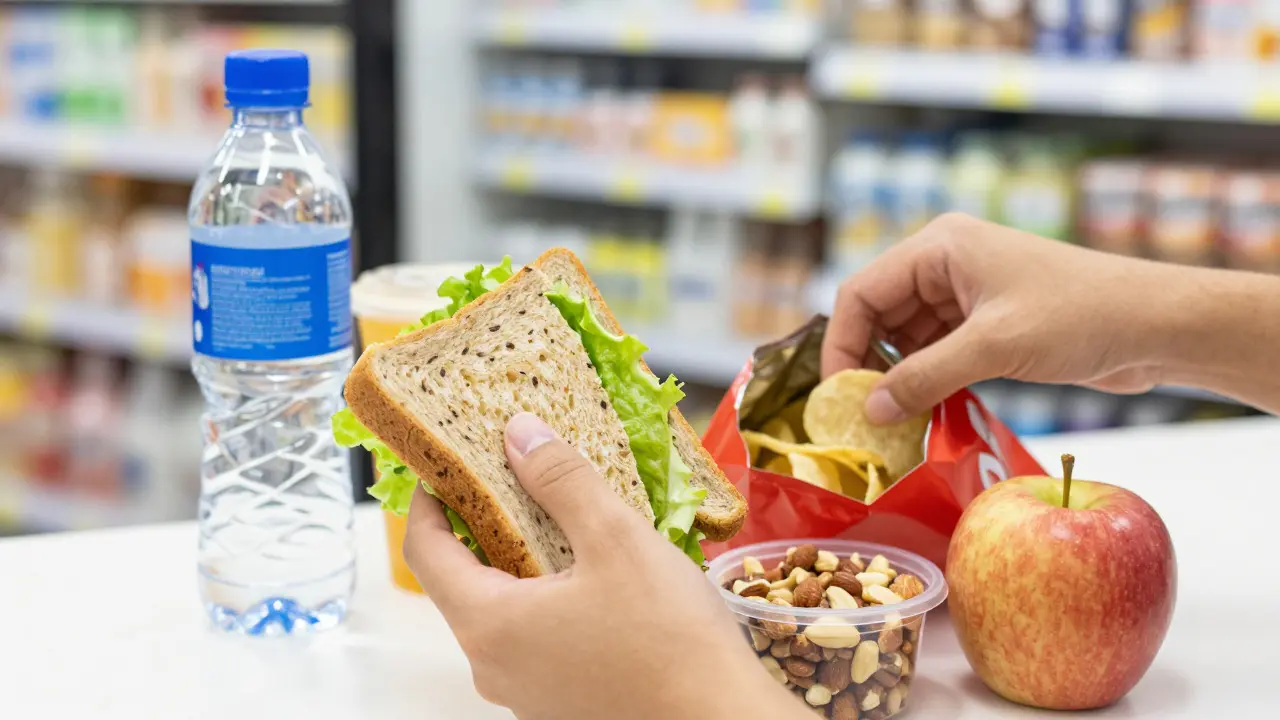
Meal deals are pre-packaged food bundles typically consisting of a sandwich, snack, and drink sold at convenience stores. In the UK, these are ubiquitous in shops like Tesco Express, Sainsbury’s Local, and Boots. While convenient, they are rarely optimized for health. A standard meal deal might cost £5.50, but it often contains a white bread sandwich with processed meat, a bag of crisps, and a sugary soft drink. That’s roughly 800-1,000 calories, half of which come from sugar and saturated fat.
Does this mean you should never buy a meal deal? Not necessarily. It depends on how you customize it. Here is how to turn a bad meal deal into a decent one:
- Swap the Drink: Always replace the fizzy drink with a bottle of water or an unsweetened iced tea. This alone cuts 100-150 calories of pure sugar.
- Upgrade the Sandwich: Look for sandwiches made with wholegrain or seeded bread. Avoid those labeled 'ham and cheese' if the ham is pale pink (likely cured with nitrates). Opt for roast chicken, tuna, or vegetarian options like hummus and pesto.
- Replace the Snack: Swap the crisps or chocolate bar for a piece of fruit, a handful of nuts, or a yogurt. Many shops now offer small bags of mixed nuts or individual apple slices for about the same price as a snack pack.
If you can’t customize, consider buying the components separately. A bag of fresh grapes costs less than a chocolate bar and provides natural energy without the crash. A boiled egg from the deli counter is cheaper and healthier than a processed sausage roll. The goal isn’t perfection; it’s avoiding the automatic spike-and-drop blood sugar cycle that leaves you tired by 2 PM.
The Power of the Packed Lunch
Packed lunches are meals prepared at home or in shared accommodation and brought to class. This is the most effective way to maintain a healthy diet on a student budget. Cooking for yourself allows you to control ingredients, portion sizes, and freshness. Plus, it saves money. A homemade lunch costs roughly £2-£3 per day, compared to £6-£8 for a cafe meal.
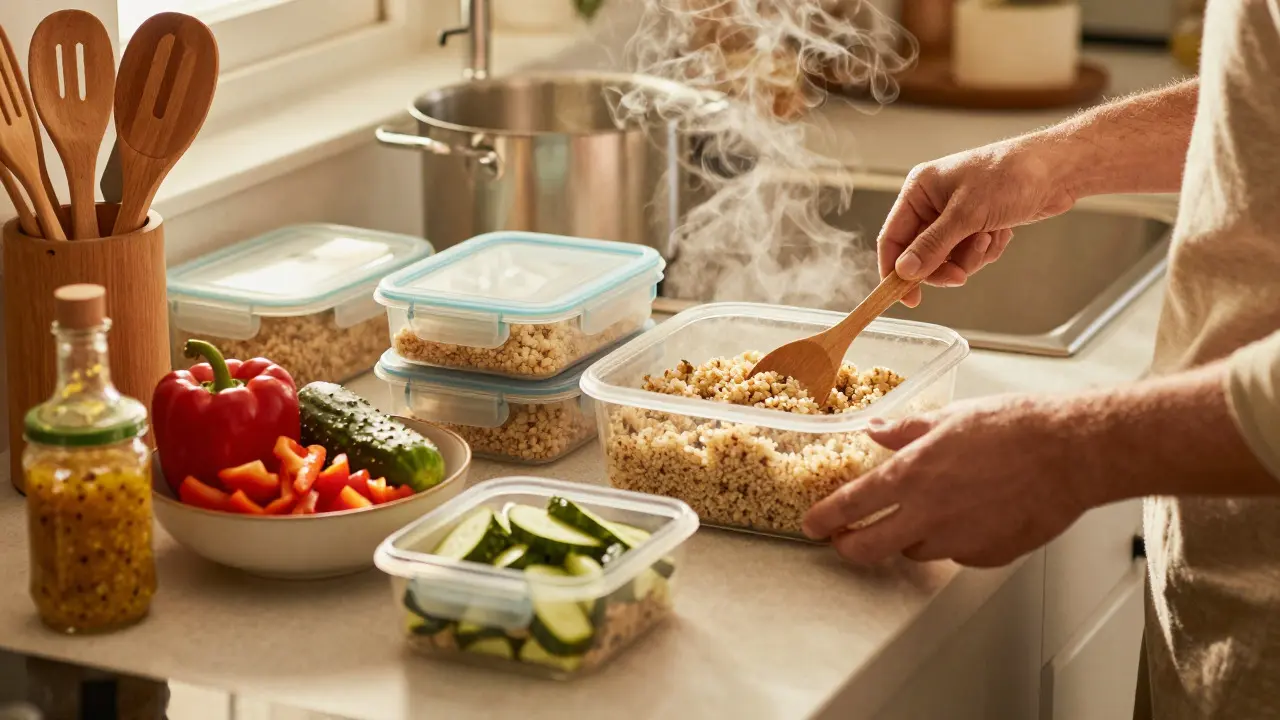
You don’t need a fully equipped kitchen to make great packed lunches. If you live in halls, you likely have access to a communal kitchen. Use it wisely. Batch cooking is your best friend here. Spend two hours on Sunday preparing ingredients for the week ahead. Here is a simple framework:
- Base: Cook a large pot of quinoa, brown rice, or lentils. These keep well in the fridge and provide sustained energy.
- Protein: Boil eggs, grill chicken breasts, or bake salmon. Store them in separate containers to prevent cross-contamination.
- Veggies: Wash and chop vegetables like bell peppers, cucumbers, and carrots. Keep them in airtight containers with a little vinegar or lemon juice to keep them crisp.
- Sauce: Prepare a dressing or sauce in a small jar. Olive oil, balsamic vinegar, mustard, and herbs make a quick vinaigrette.
When assembling your lunchbox, layer the wet ingredients (sauce, tomatoes) at the bottom and dry ingredients (greens, proteins) on top. This keeps your salad from getting soggy. Bring a reusable cutlery set to avoid plastic waste and ensure you actually eat the meal rather than tossing it because you couldn’t find a fork.
Cafe Culture: Making Smart Choices
University cafes are social hubs, not just places to eat. They offer coffee, pastries, and light meals. The danger here is the 'cafe effect,' where you order something unhealthy because it feels indulgent or part of the experience. A latte with a croissant can easily hit 600 calories before you’ve even started studying.
To eat well in a cafe, focus on balance. If you’re having a pastry, skip the extra syrup or cream. Choose a black coffee or a flat white instead of a caramel macchiato. For food, look for options that include protein and fiber. A turkey wrap with lettuce and tomato is far better than a plain cheese danish. Many cafes now offer 'brunch bowls' with avocado, eggs, and greens. These are excellent sources of healthy fats and protein. If you only see sweet options, try ordering a slice of cake for dessert and having a proper meal elsewhere, or bring your own fruit to pair with your coffee.
Also, pay attention to portion sizes. Cafe portions are often larger than what you need. If you’re not hungry, ask for half a portion or share with a friend. This reduces waste and helps you listen to your body’s hunger cues rather than just eating because food is present.
Budgeting for Nutrition
Eating healthy doesn’t have to be expensive. In fact, it’s often cheaper than eating out. The key is knowing what to buy. Focus on whole foods: seasonal fruits, frozen vegetables, dried legumes, and bulk grains. These are inexpensive and nutritious. Avoid pre-cut fruits and pre-cooked meals, which carry a premium for convenience.
Here is a rough weekly budget breakdown for a student aiming for a healthy diet:
| Item | Healthy Option (Cost) | Convenience Option (Cost) |
|---|---|---|
| Breakfast | Oats & Bananas (£2.00) | Cereal & Juice (£3.50) |
| Lunch | Homemade Salad & Chicken (£2.50) | Meal Deal Sandwich (£5.50) |
| Dinner | Batch-Cooked Pasta Bolognese (£3.00) | Canteen Takeaway (£7.00) |
| Snacks | Fruit & Nuts (£2.00) | Chips & Chocolate (£4.00) |
| Total Weekly | £39.00 | £100.00+ |
This table shows that choosing healthy options can save you over £60 a month. That’s money you can put toward textbooks, transport, or savings. Plus, you’ll feel more energetic and focused, which directly impacts your academic performance.
Hydration and Hidden Sugars
Water is the most important beverage for cognitive function. Yet, many students rely on coffee, energy drinks, and sodas to stay awake. While caffeine is fine in moderation, it shouldn’t replace hydration. Aim for 2-3 liters of water daily. Keep a reusable bottle with you at all times. If plain water bores you, infuse it with cucumber, mint, or citrus slices. This adds flavor without adding sugar.
Watch out for hidden sugars in seemingly healthy foods. Yogurts labeled 'low fat' often contain added sugar to compensate for taste loss. Fruit juices, even those labeled '100% natural,' lack the fiber of whole fruit and can spike blood sugar quickly. Opt for whole fruits instead. Similarly, granola bars can be as sugary as candy bars. Read the label: if sugar is in the top three ingredients, think twice before buying it.
Common Mistakes to Avoid
Even with the best intentions, students often fall into common traps. One major mistake is skipping breakfast because you’re short on time. This leads to overeating later in the day. Keep emergency snacks in your bag: a banana, a protein bar, or a packet of almonds. Another mistake is relying too heavily on free-flow canteen food. While convenient, it lacks variety and often includes hidden oils and salts. Balance canteen meals with homemade ones at least three times a week.
Finally, don’t stress about perfection. Some days, you’ll eat pizza or chips. That’s okay. Health is about consistency, not rigidity. As long as you’re making mostly healthy choices, you’re on the right track. Listen to your body, stay hydrated, and enjoy the process of learning to feed yourself well.
What is the cheapest healthy food option for UK students?
Oats, bananas, and frozen vegetables are among the cheapest healthy foods. Oats provide sustained energy, bananas offer potassium and natural sweetness, and frozen veggies retain their nutrients while being significantly cheaper than fresh produce during off-seasons.
Are meal deals worth it for university students?
Only if customized. Standard meal deals are high in sugar and low in nutrition. To make them worthwhile, swap the drink for water, choose wholegrain bread, and replace the snack with fruit or nuts. Otherwise, buying components separately is often healthier and sometimes cheaper.
How do I store food without a fridge in my room?
Use insulated lunch bags with ice packs for perishable items. For non-perishables, keep nuts, dried fruit, and whole-grain crackers in sealed containers. Plan meals around shelf-stable ingredients like canned beans, tinned fish, and instant oats if fridge space is limited.
What should I eat before an exam to stay focused?
Choose complex carbohydrates and lean proteins. Examples include oatmeal with berries, whole-grain toast with peanut butter, or a salad with grilled chicken. Avoid heavy, fatty meals or high-sugar snacks that cause energy crashes. Stay hydrated with water, not sugary drinks.
Is it better to eat in the canteen or cook for myself?
Cooking for yourself offers better control over ingredients and cost. However, canteens provide convenience and social interaction. A balanced approach is best: cook main meals at home when possible, and use canteens for quick bites or social eating. Aim for a mix of both to maintain variety and manage time effectively.