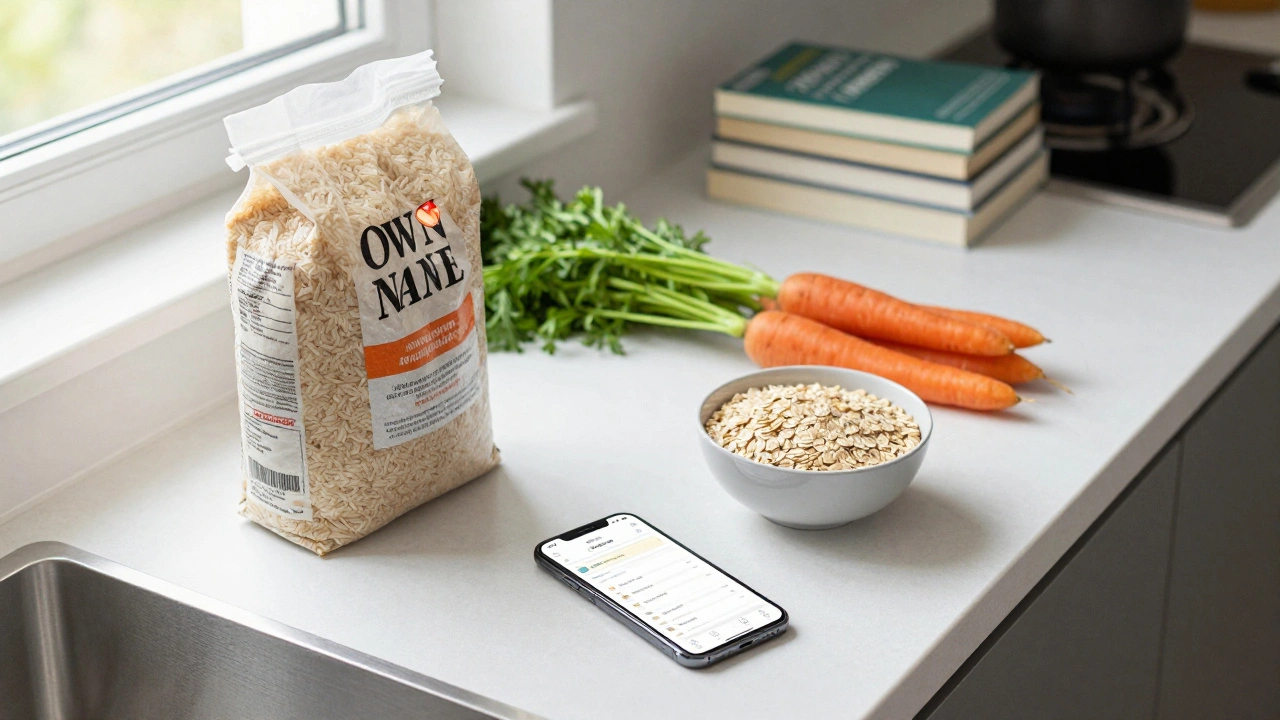
Quick Wins for Your Wallet
- Swap branded grains for supermarket "own-brand" staples.
- Freeze vegetables and proteins immediately after buying to stop waste.
- Use a slow cooker or air fryer to make bulk batches of legumes and grains.
- Shop at discount retailers like Aldi or Lidl for fresh produce.
- Leverage student discount apps and loyalty cards for a few extra pence per item.
Mastering the UK Supermarket Game
Where you shop determines how much you eat. If you're hitting up a premium store every time, you're paying a 'convenience tax'. To actually save, you need to differentiate between where you buy your staples and where you buy your treats. Aldi is a German discount supermarket chain known for its low-cost private label products. By sticking to stores like this or Lidl, you can often slash your weekly bill by 30% compared to the bigger, name-brand chains.
One of the biggest mistakes students make is ignoring the 'reduced' section. In the UK, supermarkets mark down items approaching their expiration date. These are gold mines for proteins like chicken or salmon. If you buy them and cook or freeze them the same day, you're getting high-quality nutrients at a fraction of the cost. Just remember the rule: if you can't eat it tonight, it must go in the freezer.
| Expensive Option | Budget Alternative | Nutritional Value | Cost Saving |
|---|---|---|---|
| Fresh Berries (Out of Season) | Frozen Mixed Berries | High Antioxidants | ~60% Cheaper |
| Pre-cut Salad Bags | Whole Head of Lettuce/Cabbage | High Fiber | ~50% Cheaper |
| Branded Quinoa/Couscous | Brown Rice or Oats | Complex Carbs | ~70% Cheaper |
| Pre-marinated Meats | Dry Lentils/Chickpeas | Plant Protein | ~80% Cheaper |
The Power of Plant-Based Proteins
Meat is often the most expensive part of a shopping list. To keep your student budget meals UK viable, you have to embrace pulses. Legumes are a group of plants including lentils, chickpeas, and beans that provide a cheap source of protein and fiber. A 500g bag of dried red lentils costs pennies and can feed you for three days if you make a thick dahl.
If you aren't used to plant-based eating, don't go cold turkey. Start with 'Meatless Mondays'. Mix lentils into your minced beef for a Bolognese; it bulks out the meal, adds fiber, and makes the meat last twice as long. Tinned chickpeas are also incredibly versatile. You can roast them for a crunchy snack or mash them with a bit of mayo and lemon for a cheap 'tuna-style' sandwich filling.
Smart Meal Prepping Without the Stress
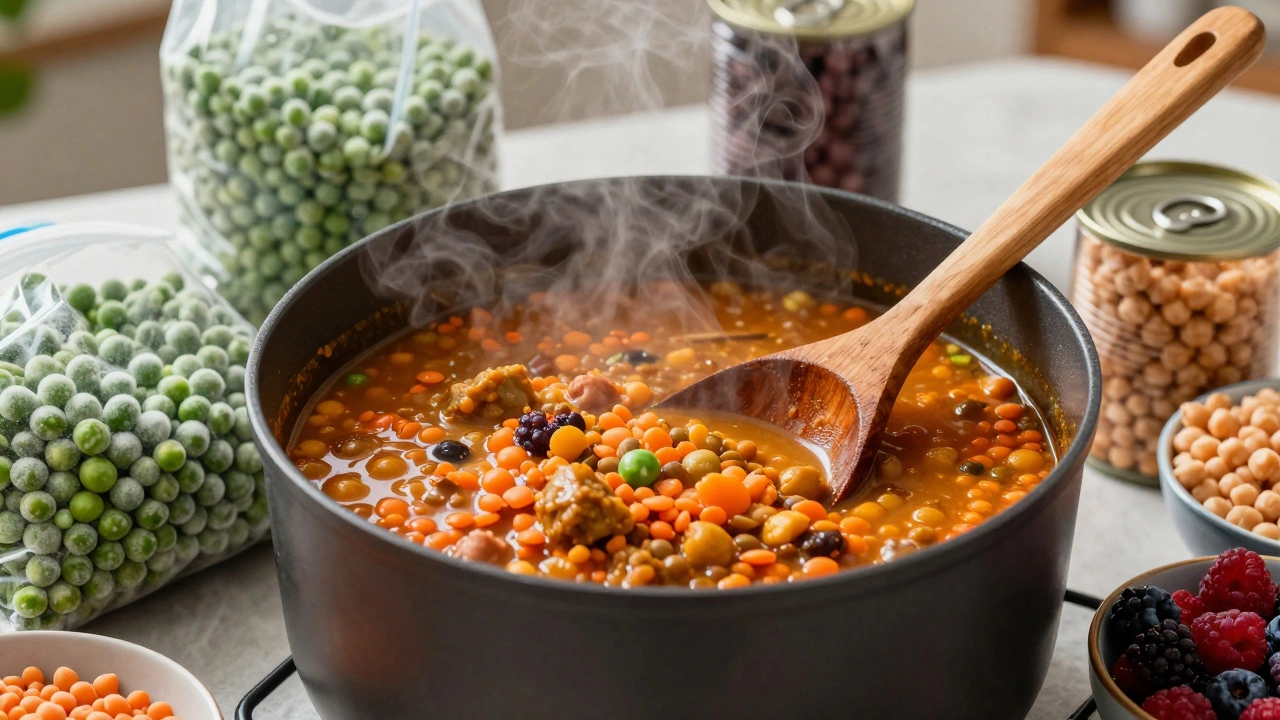
The real enemy of a student budget isn't the price of food, but the waste. We've all bought a bag of spinach with the best intentions, only to find it turned into green slime in the fridge two weeks later. The solution is batch cooking. Instead of cooking one meal, cook four. A giant pot of vegetable stew or a tray of roasted root vegetables can be portioned out and frozen.
Invest in a few basic containers. If you spend Sunday afternoon prepping your lunches for the week, you avoid the temptation of a £7 meal deal at the university canteen. Use a Slow Cooker if you have one; it allows you to use cheaper, tougher cuts of meat that become tender over eight hours, or to make massive batches of bean chili that tastes better the next day.
Decoding Nutrition on a Dime
You don't need a degree in dietetics to eat healthily, but you do need to focus on micronutrients. Your brain needs omega-3s and B vitamins to function during finals. Instead of expensive supplements, look for Canned Sardines or mackerel. They are incredibly cheap, packed with heart-healthy fats, and have a long shelf life.
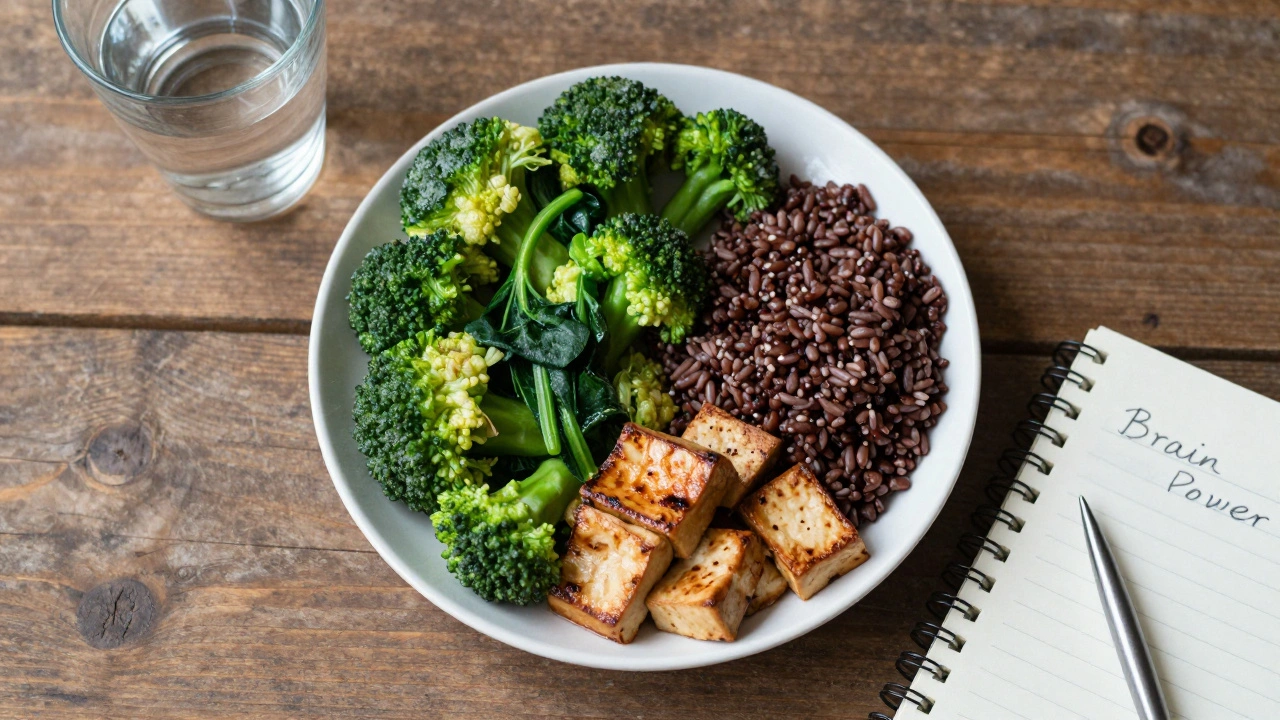
For greens, frozen is often better than fresh. Frozen peas, spinach, and broccoli are flash-frozen at the peak of ripeness, meaning they often have more vitamins than the "fresh" stuff that has spent a week in a truck. They also don't rot if you forget about them for a few days. Aim for a plate that is half vegetables, a quarter protein, and a quarter complex carbs like brown rice or wholemeal pasta.
Navigating the 'Cheap Food' Traps
It's easy to fall into the trap of buying ultra-processed foods because they seem cheap. A pack of instant noodles is inexpensive, but it leaves you feeling sluggish and hungry an hour later. This is called 'hidden hunger'-where you have enough calories but not enough nutrients. The result is a brain fog that makes studying almost impossible.
Avoid the 'convenience' aisle. Pre-chopped onions, peeled carrots, and microwave rice are marked up significantly. Spending ten minutes chopping your own vegetables can save you £5 a week. That's a few pints or a cinema ticket at the end of the month. Buy whole grains like Oats, which are arguably the cheapest and healthiest breakfast option in the UK, providing slow-release energy to keep you focused in lectures.
What are the cheapest healthy proteins in the UK?
The most affordable proteins are dried lentils, canned chickpeas, kidney beans, and eggs. For animal proteins, tinned sardines, frozen chicken breasts (bought in bulk), and tofu are the most cost-effective options per gram of protein.
How can I avoid food waste in a small student kitchen?
Use a 'First In, First Out' system where older items move to the front of the fridge. Freeze bread in slices so you only toast what you need. Transform wilting vegetables into a 'everything soup' or a stir-fry at the end of the week.
Are frozen vegetables actually healthy?
Yes, often more so than fresh. They are usually frozen immediately after harvest, locking in vitamins. They are cheaper, last longer, and are just as nutritious as fresh produce, provided you avoid those with heavy cream or butter sauces added.
Which UK supermarkets are actually the cheapest for students?
Aldi and Lidl generally offer the lowest prices for staples and fresh produce. For a wider variety of specialty items, the 'Essentials' or 'Smart Price' ranges at Tesco or Asda are good alternatives, though generally slightly more expensive than the discounters.
Can I really survive on a very low weekly food budget?
Yes, by focusing on 'base' ingredients like rice, oats, beans, and frozen veg. The key is avoiding pre-made meals and snacks. With a focus on bulk-cooking and plant-based proteins, it's possible to eat nutritionally complete meals for under £20 a week.
Next Steps for Your Budget Diet
If you're just starting out, don't try to change everything at once. Start by downloading a shopping app to track your spending and plan one single meal you can batch-cook this Sunday. If you find yourself still struggling, look into local 'community fridges' or student unions that often provide free or heavily discounted produce to those in need.
Once you've mastered the basics, try exploring seasonal eating. Buy squash and root veg in winter and berries in summer. Not only is it cheaper, but the taste is significantly better because the food hasn't traveled halfway across the world to get to your plate.