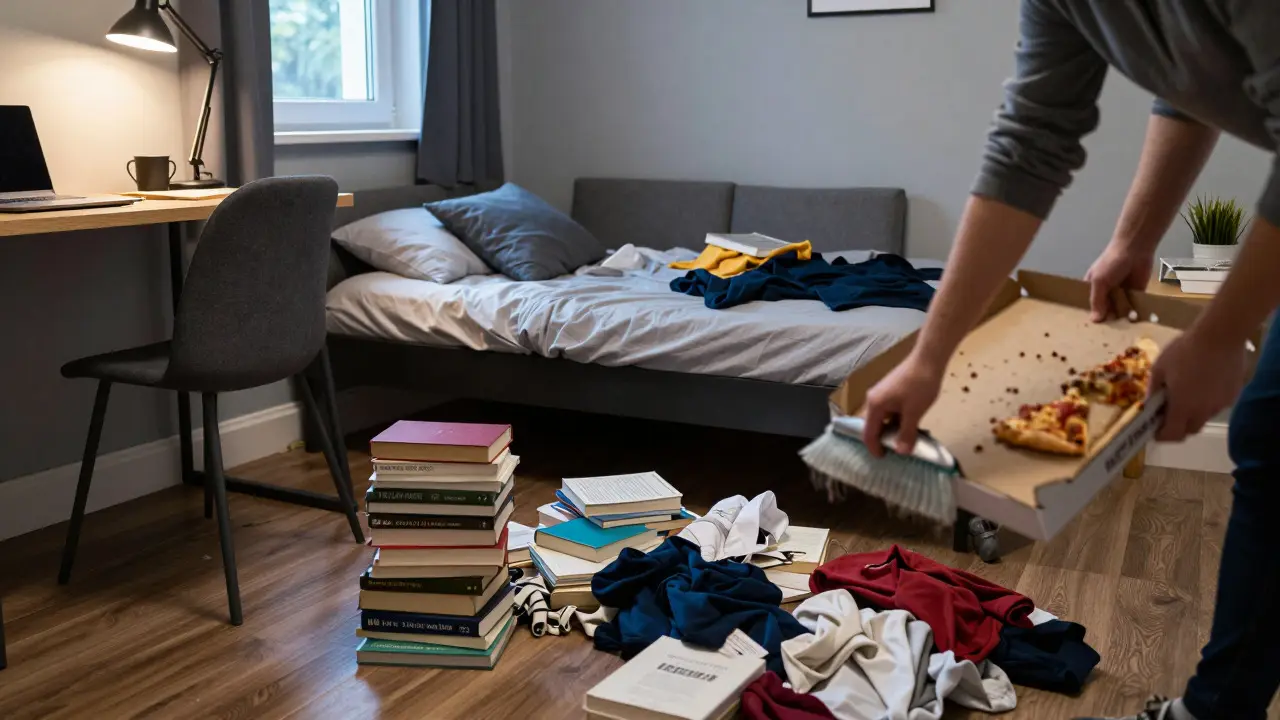
You just got a text from your flatmate: "Coming over in 20 mins!" Your stomach drops. You’re living in a tiny UK student room that is roughly the size of a large wardrobe. The floor is covered in textbooks, there’s a half-eaten pizza box on the desk, and the bathroom mirror is fogged up from your morning shower. Panic? Not yet. Hosting friends in a small, shared space doesn’t mean you need a palace; it means you need a system. With a few strategic moves, you can transform your chaotic corner into a welcoming spot in under fifteen minutes.
The reality of student life in the UK is that space is premium. Whether you are in a purpose-built student accommodation (PBSA) block or a shared house in Manchester or London, your personal area is likely compact. The goal isn't to impress with luxury; it's to show that you care enough to make the space comfortable. A clean, organized, and slightly cozy environment signals respect for your guests without requiring hours of labor.
The 15-Minute Rescue Plan
When you have less than twenty minutes, perfection is impossible. Aim for "organized chaos." Here is how to triage your space quickly:
- Clear the floor first. Nothing makes a room feel smaller or messier than clutter on the ground. Sweep books, clothes, and trash into one pile. Put trash in the bin immediately. Stack books neatly on a shelf or table. This single action instantly doubles your perceived square footage.
- Tidy the surfaces. Wipe down your desk and any tables where you might sit. Move mugs, laptops, and random papers to one side. You don’t need to organize them perfectly; just clear the surface so people have room to put their drinks or phones.
- Address the smell. Student rooms often accumulate odors from cooking, laundry, or simply lack of ventilation. Open a window if the weather allows. If not, use an air freshener or light a candle. Avoid strong scents like heavy incense; stick to subtle notes like vanilla or citrus which feel welcoming rather than overpowering.
- Prep the bathroom. This is non-negotiable. Guests will use it. Ensure the toilet is flushed and clean, the sink is dry, and there is at least one spare towel. If you share the bathroom, give your flatmates a heads-up that it’s being prepped for guests.
This process takes about ten to fifteen minutes. It won’t win you an interior design award, but it will prevent the awkward silence that comes from staring at a pile of dirty dishes.
Comfort in Compact Spaces
Once the mess is gone, focus on comfort. In a small room, seating is often limited. You might only have your bed and a chair. That’s fine, but make sure those spots are inviting.
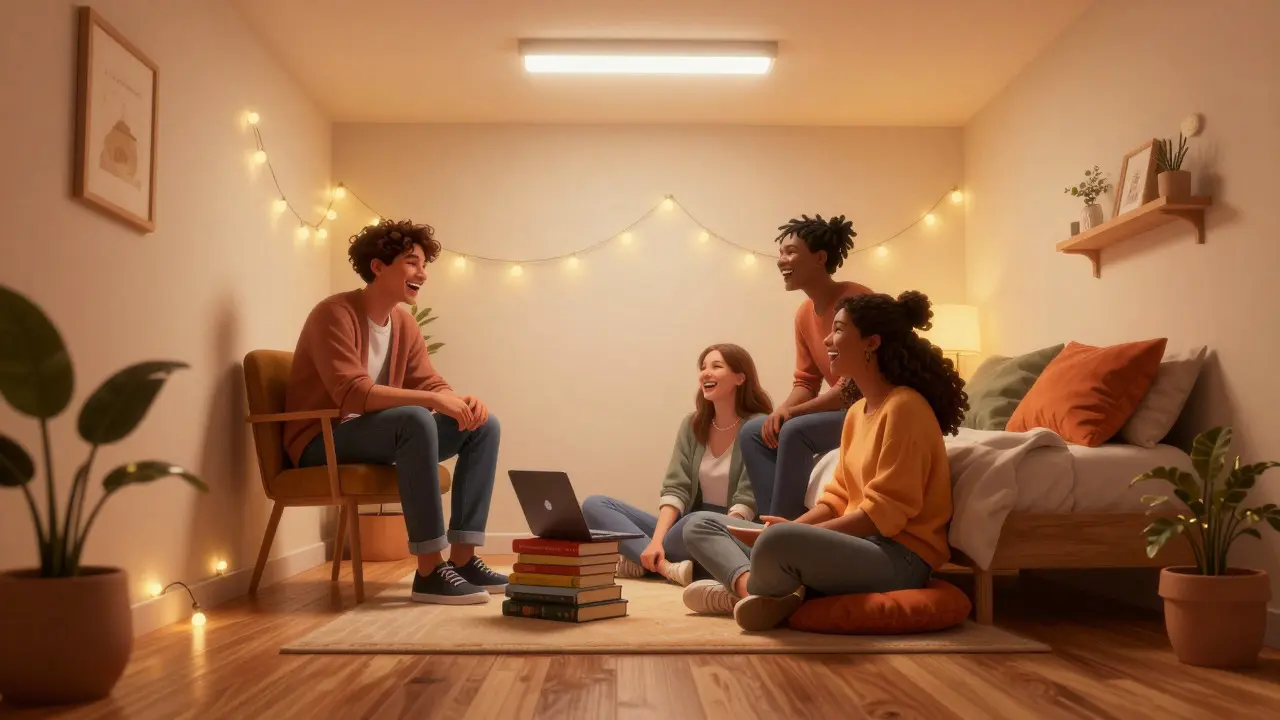
- Bed as seating: Strip the duvet and pillows off if they look rumpled. Arrange two or three cushions against the headboard to create a makeshift sofa. This invites people to sit and talk rather than stand awkwardly.
- Lighting matters: Fluorescent overhead lights can be harsh and unflattering. Turn them off. Use desk lamps, fairy lights, or string lights instead. Warm lighting creates a relaxed atmosphere and hides minor imperfections in the decor.
- Create a focal point: If you have a TV or a laptop, set it up for a movie or game. If not, arrange your seating so everyone faces each other. Eye contact is easier when bodies are angled toward one another.
Remember, you are hosting in your home base, not a hotel lobby. Coziness beats spaciousness every time. A cramped room with good vibes is better than a large, empty room with bad energy.

Food and Drinks: Keep It Simple
Don’t overcomplicate the refreshments. Unless you’re planning a specific dinner party, snacks and drinks are sufficient. The key is accessibility. If guests have to ask for water or hunt for a napkin, you’ve lost points.
Set out a bowl of nuts, crisps, or fruit. Place a pitcher of water or a jug of tea/coffee within easy reach. If you have a kettle, fill it and place it near the cups. For alcohol, keep it simple: a six-pack of beer or a bottle of wine with glasses ready. Avoid complex cocktails unless you’re confident in your mixing skills. Simplicity reduces stress and cleanup time.
Consider dietary needs. Ask your friends if they have allergies or preferences before they arrive. A quick group chat message asking "Any food aversions?" saves you from buying something nobody eats. Also, label any homemade items clearly. Gluten-free, vegan, or nut-free labels prevent accidental reactions and show thoughtfulness.
Social Etiquette in Shared Housing
Living with others adds a layer of complexity. Your flatmates are part of the hosting experience. If you live in a house with multiple tenants, ensure common areas are tidy. If the kitchen is sticky or the living room is full of someone else’s laundry, it reflects poorly on you, even if it’s not technically your mess.
Communicate with your flatmates. Let them know who is coming and roughly how many. This prevents surprises and ensures everyone is on board. If you have a strict quiet hour rule, remind your guests gently. "Hey, we’re keeping it chill after 10 PM because [Flatmate] has an early lecture" is a polite way to manage noise levels without sounding authoritarian.
Musical choice also matters. Play music at a volume that allows conversation. If the song ends, let it fade naturally or switch tracks. Don’t blast headphones while talking. And please, avoid playing the same five songs on loop. Rotate your playlist to keep the vibe fresh.
Common Pitfalls to Avoid
Even with the best intentions, students often stumble on a few basic things. Watch out for these:
- The Clutter Trap: Don’t hide mess behind doors. If a door opens to a disaster zone, it ruins the illusion of order. Tidy what’s visible.
- Temperature Control: UK winters are cold, but radiators can be too hot. Check the thermostat before guests arrive. Ask them if they’re comfortable. Layering options (like a spare blanket) are helpful.
- Phone Usage: While it’s normal to check messages, constantly scrolling during conversation feels rude. Keep your phone face down or in your pocket when engaging directly with guests.
- Cleanup Expectations: Decide beforehand who cleans up. If you’re hosting, assume it’s your job. Don’t leave guests wondering if they should wash their own cup. Offer to do it, or have a basket for used dishes ready.
Avoid making assumptions about your guests’ habits. Some people like to kick off their shoes; others don’t. Provide a mat by the door. Some prefer to sit on the floor; others prefer chairs. Offer both options if space allows.
Post-Visit Recovery
The event is over. Now what? Resist the urge to collapse immediately. Spend ten minutes resetting your space. Wash the dishes, take out the trash, and fluff the pillows. This resets your mental state and prepares your room for the next day. If you didn’t clean thoroughly before, this is your chance to do a deeper tidy while everything is still fresh in your mind.
Send a quick thank-you text to your friends. "Thanks for coming over! Good times." It reinforces the positive connection and lets them know you enjoyed their company. It’s a small gesture that builds long-term friendships.
| Task | Time Required | Priority Level |
|---|---|---|
| Clear floor clutter | 3 minutes | High |
| Tidy desk/surfaces | 2 minutes | Medium |
| Clean bathroom & add towels | 4 minutes | High |
| Set out drinks/snacks | 2 minutes | Medium |
| Adjust lighting/music | 1 minute | Low |
Hosting friends in a UK student room is less about having a big house and more about having a plan. By focusing on quick wins-clearing floors, tidying surfaces, and managing smells-you create a space that feels intentional and welcoming. You don’t need to be perfect. You just need to be prepared. The next time that text pops up, you’ll know exactly what to do. Take a breath, grab a broom, and get to work. Your friends will appreciate the effort, and you’ll enjoy the company much more when you’re not worrying about the mess.
How much notice should I give my flatmates before hosting friends?
Give at least a few hours' notice, ideally the day before. This gives them time to adjust their schedule and ensures the common areas are available. Last-minute notifications can cause friction, especially if they were planning to use the space privately.
What if my room is too small for more than two people?
Limit your guest list to two or three people maximum. Quality over quantity applies here. If you want to host a larger group, move the gathering to the common living room or kitchen, provided your flatmates agree.
Do I need to buy new decorations to make my room look nice?
No. Focus on arrangement rather than acquisition. Rearrange existing furniture, add warm lighting, and remove clutter. These free changes have a bigger impact on perception than buying new items.
How do I handle guests who stay longer than expected?
Use gentle cues. Mention an upcoming commitment, such as a study session or a call with family. Or, start putting away dishes and dimming the lights. Most guests will pick up on these signals and wrap up the visit.
Is it okay to have pets around when guests are visiting?
It depends on your guests. Some love animals; others have allergies or fears. Ask in advance. If you have a cat, ensure it’s not underfoot. If you have a dog, make sure it’s trained to sit or lie down quietly.