
The Realities of Planning on a Budget
Let's be honest, the biggest hurdle for any group of UK students is the varying definition of 'cheap.' For one person, a budget trip means a 12-bed hostel dorm in Prague; for another, it means a mid-range hotel with a decent breakfast. If you don't nail down the finances early, you'll end up in a heated argument over a €15 dinner in a tourist trap.
The first step is to establish a 'hard cap' on spending. Instead of asking 'how much do you want to spend?', ask 'what is the absolute maximum you can spend on accommodation and flights?' Once you have the lowest common denominator, that becomes your group's budget ceiling. This prevents the awkward moment where one friend feels pressured to spend money they don't have, which usually leads to resentment and a miserable holiday.
To make this work, you need a shared tracking system. Splitwise is a social payment app that allows users to track shared expenses and settle debts. It's a lifesaver for student groups because it removes the need for someone to be the 'banker' and chase people for money. Just enter the cost of the group pizza or the taxi to the airport, and the app does the math. It turns a potential friendship-ending conflict into a simple notification on a phone screen.
Picking a Destination That Actually Works
Choosing where to go is where most groups stall. The secret is to move away from 'where do we want to go?' and toward a 'voting system.' Have everyone suggest three destinations, then use a poll to narrow it down. If you're looking for value, consider the 'Eastern Europe' route. Cities like Budapest or Krakow offer a fraction of the cost of Paris or Amsterdam, meaning your student budget stretches much further.
If you're staying within the UK, consider the logistics of transport. While a car seems cheaper, remember the cost of petrol, insurance, and the inevitable parking fees. Sometimes, a National Express coach or a railcard-discounted train is actually more cost-effective and far less stressful than navigating a five-person pile into a rented hatchback.
| Destination | Average Daily Cost | Primary Transport | Vibe |
|---|---|---|---|
| Prague, Czech Republic | £30 - £50 | Flight / Bus | Nightlife & Architecture |
| Edinburgh, Scotland | £50 - £80 | Train / Coach | Culture & Nature |
| Lisbon, Portugal | £40 - £70 | Flight | Sun & Seafood |
| Krakow, Poland | £25 - £45 | Flight | History & Cheap Eats |
The Logistics of Group Accommodation
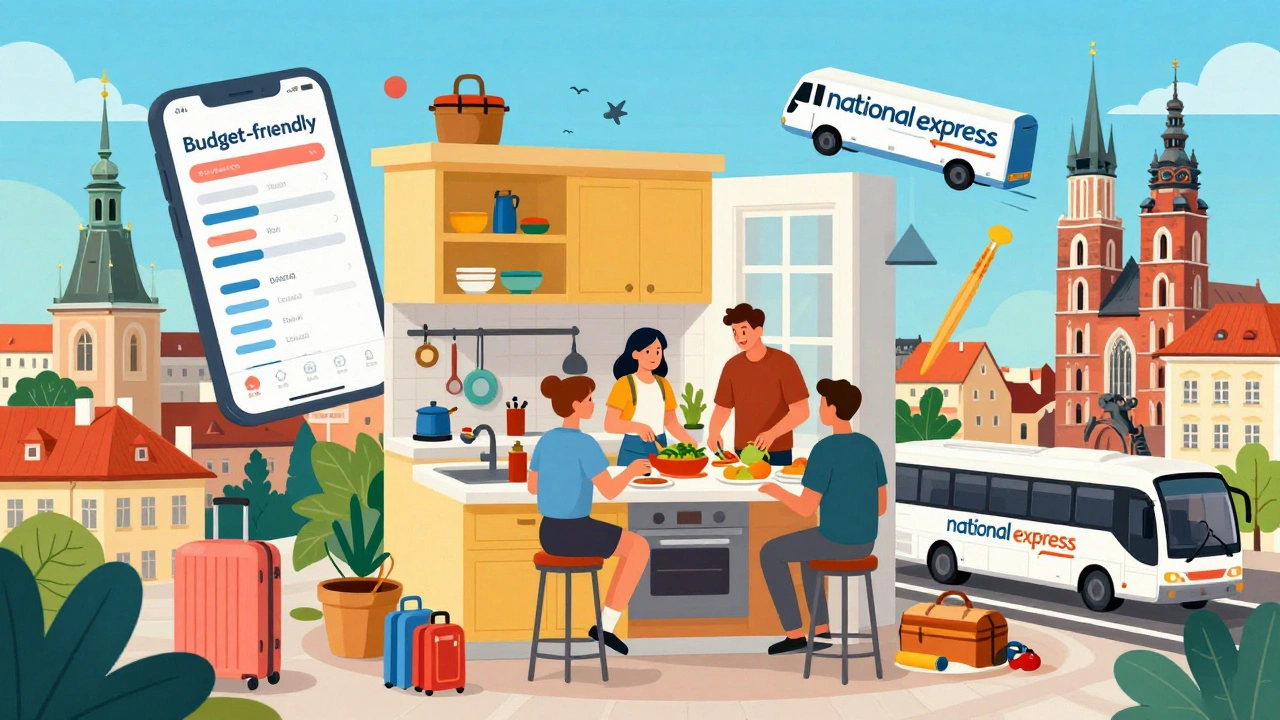
Hostels are the classic choice, but they aren't always the best for a group of six or more. Once you hit a certain number, renting a large apartment via Airbnb or VRBO often becomes cheaper per person than booking multiple hostel beds. Plus, you get a kitchen, which is the single biggest money-saving tool available to you. Cooking one dinner a day at home instead of eating out can save you £10-£20 daily.
However, the 'Airbnb trap' is the deposit. Ensure the person booking the place is someone the group trusts, and more importantly, ensure everyone sends their share of the deposit before the booking is confirmed. Never be the person who pays the full amount and 'hopes' people will pay them back later. That's a recipe for a financial headache.
Managing the Itinerary Without the Stress
One of the biggest mistakes student groups make is over-scheduling. Trying to see every museum, landmark, and club in 72 hours is a fast track to burnout. You'll spend more time arguing about where to walk than actually seeing the city.
The 'Anchor Activity' method is a much better approach. Instead of a rigid schedule, pick one 'anchor' activity per day-something everyone agrees is a priority (like a specific tour or a beach day). Leave the rest of the day open for exploration, naps, or spontaneous discoveries. This gives people the freedom to opt-out of things they aren't interested in without feeling like they're ruining the trip for everyone else.
If you're heading abroad, you must handle the boring stuff now. Student Travel Insurance is non-negotiable. A lot of students assume they are covered by their bank account or a parent's policy, but often they aren't. A basic policy covers you if you lose your passport, get sick, or accidentally break something in your rental. Check providers like DogVacay or specialized student insurers to find a plan that fits your specific activities (like if you're planning on skiing or surfing).
Handling Group Conflict on the Road
No matter how close you are, spending 24/7 with a group of people in a foreign city will cause friction. Someone will be too slow to get ready, someone will be too picky about food, and someone will definitely lose their map. The key to surviving this is 'Scheduled Solitude.'
Encourage the group to spend a few hours apart. Maybe two people want to visit a niche gallery while the others want to spend the afternoon in a cafe. This isn't a sign that the trip is failing; it's a survival strategy. When you reunite for dinner, you'll actually have something new to talk about, and the tension from being crammed together will have dissipated.
When a conflict does happen, deal with it immediately and calmly. If someone isn't pulling their weight with the planning or the costs, a quick, honest conversation is better than a passive-aggressive comment during a walking tour. Use 'I' statements: 'I feel stressed when I'm the only one booking things,' rather than 'You're being lazy.' It sounds cliché, but it works.

Pre-Trip Checklist for the Group Leader
Someone usually ends up as the unofficial leader. If that's you, use this list to make sure nothing slips through the cracks:
- Passport Check: Make sure everyone's passport is valid for at least 6 months beyond the return date.
- GHIC/EHIC Cards: Ensure everyone has a valid Global Health Insurance Card for healthcare in the EU.
- Currency Strategy: Suggest a travel card like Revolut or Monzo to avoid terrible airport exchange rates.
- Shared Folder: Create a Google Drive or Dropbox folder for boarding passes, hotel addresses, and the itinerary.
- Emergency Contacts: Ensure everyone has a digital and physical copy of the group's emergency contact list.
How do we split costs fairly if some people want more expensive options?
The best way is to separate 'core' costs from 'optional' costs. Core costs (accommodation, shared transport) are split equally. Optional costs (nicer dinners, extra excursions) are paid for individually. If a few people want a fancy hotel and others want a hostel, the group should split into two accommodation pods but meet up for the activities.
What is the cheapest way for a group of students to travel across Europe?
The most cost-effective method is usually a combination of budget airlines (like Ryanair or EasyJet) for long distances and FlixBus or regional trains for shorter hops. Booking 3-6 months in advance is critical for students, as last-minute prices can triple.
Should we book a guided tour or plan everything ourselves?
Self-planning is almost always cheaper and offers more freedom. However, if your group is notoriously bad at making decisions, a structured tour can remove the stress of logistics. For a middle ground, book a 'semi-independent' tour where you have a set itinerary but handle your own meals and free time.
How do we handle the 'flake' who always cancels last minute?
Implement a 'no-refund' policy for shared bookings. If someone pays their share of the Airbnb and then cancels, they don't get their money back unless the group finds a replacement. This ensures that the people who actually go aren't stuck paying more to cover the absent friend.
Is a Railcard actually worth it for a group trip?
Yes, absolutely. A 16-25 Railcard costs about £30 but gives you a third off most rail fares in the UK. If you're planning a trip to Scotland or Wales, the card usually pays for itself within the first two journeys. Just make sure everyone in the group gets one.
What to Do When Things Go Wrong
Despite the best planning, things will go sideways. You'll miss a train, a hostel will be a nightmare, or someone will lose their wallet. The most important thing to remember is that these are the moments that become the best stories later. When the group is stressed, the best thing you can do is stay calm and focus on the solution rather than the blame.
If you're facing a genuine emergency, like a lost passport, head straight to the nearest embassy or consulate. Having digital scans of all your documents saved in a cloud folder (shared with the whole group) makes this process significantly faster. If it's just a case of the Airbnb being a dump, document the issues with photos and contact the host immediately through the app to create a paper trail for a potential refund.
Ultimately, group travel for students is about more than just seeing a new city. It's a crash course in communication, budgeting, and patience. If you can survive a week in a cramped apartment in Budapest with five of your best friends without ending the friendship, you've successfully navigated one of the most challenging parts of the student experience.