Food prices in the UK have remained stubbornly high since the inflation spikes of recent years. For many households, the weekly shop is no longer just a routine errand; it’s a strategic operation to stretch every pound. If you feel like your money disappears before you even leave the checkout, you’re not alone. The key isn’t earning more-it’s buying smarter. By tweaking how you interact with major retailers like Tesco, a leading UK supermarket chain known for its Clubcard loyalty program and wide range of fresh and packaged goods. or Aldi, you can cut your monthly bill by 15-20% without sacrificing quality.
The Power of Own-Brand Products
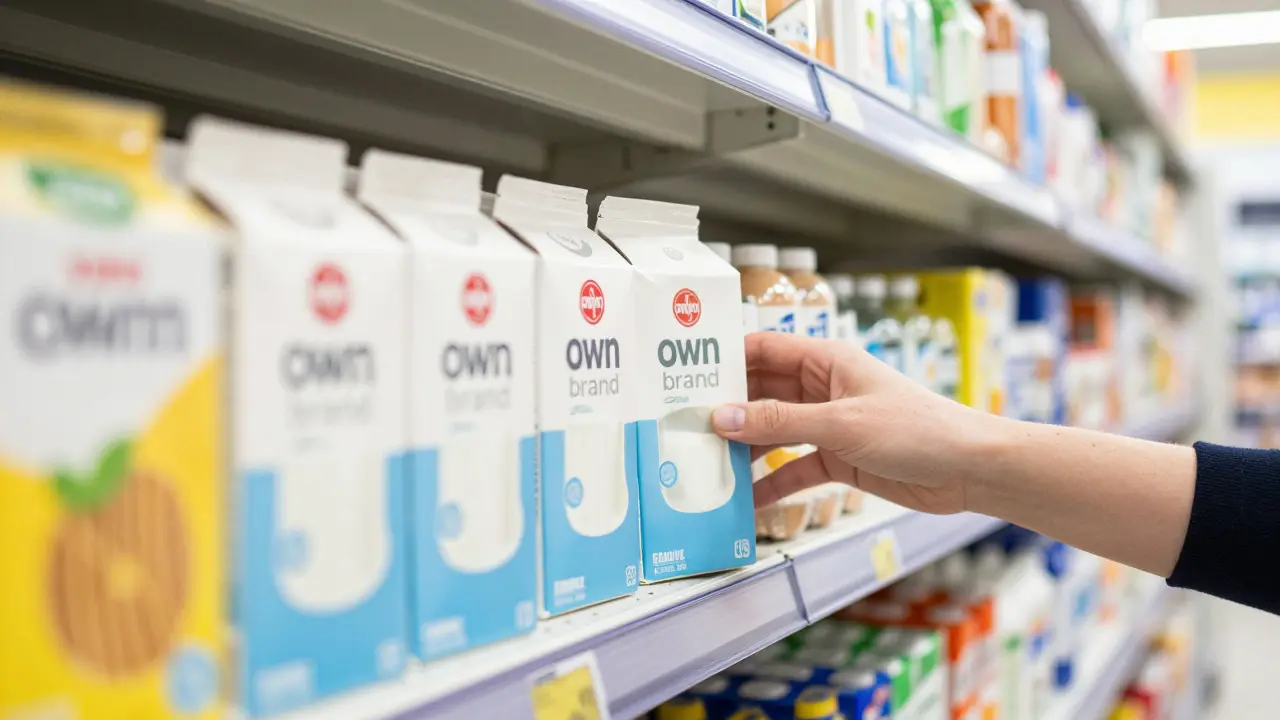
The biggest immediate win comes from switching away from branded names. Retailers spend millions on marketing specific brands, but their private-label alternatives often come from the same factories. When you buy "Taste the Difference" from Tesco or "Specially Selected" from Sainsbury's, you are paying for the retailer’s margin, not extra ingredients. A study by the Food Foundation found that shoppers who consistently choose own-brand items save an average of £35 per month compared to those sticking to national brands. It’s not about eating worse; it’s about recognizing that the packaging costs more than the product inside. Start with staples like milk, eggs, and pasta. You likely won’t notice the difference, but your bank account will.
Mastering the Loyalty Card System
In the UK, ignoring your loyalty card is leaving money on the table. Every major supermarket-Tesco, Asda, Sainsbury’s, and Morrisons-uses data to offer personalized discounts. But here’s the trick: these offers aren’t random. They are based on your past purchases. If you rarely buy coffee, you won’t get a coffee discount. To maximize this, ensure your card is scanned on every single trip, even if it’s just for a loaf of bread. This builds your profile as a loyal customer, triggering better deals over time. Furthermore, check the app weekly. Digital vouchers often expire quickly and are less competitive than in-store flyers. Using a digital coupon for a 2-for-1 deal on fruit can easily offset the cost of your entire week’s produce.
Meal Planning to Beat Impulse Buys
Walking into a store hungry or without a list is the fastest way to overspend. Impulse buys-chocolate bars, snacks, or pre-made meals-account for up to 30% of unnecessary spending. The solution is simple but requires discipline: plan your meals for the week before you shop. Look at what’s already in your fridge and freezer. Build your menu around those items first. Then, create a strict shopping list. Stick to it. If you don’t need it, don’t buy it. This method also helps reduce food waste, which is essentially throwing money in the bin. According to WRAP, the UK wastes enough food daily to fill the Empire State Building. By planning portions carefully, you ensure that every item purchased gets eaten, not discarded.

Understanding Price Per Unit and Seasonal Produce
Not all sizes are created equal. Always look at the price per kilogram or per liter on the shelf label. Sometimes, the larger pack is cheaper per unit, but only if you’ll use it before it expires. Buying a 5kg bag of rice when you eat through it in two weeks might seem like a bargain, but if half goes stale, you’ve lost money. Conversely, seasonal produce is significantly cheaper because supply is high. In summer, strawberries and courgettes are affordable. In winter, switch to root vegetables like carrots, potatoes, and celeriac. These crops store well and keep prices low. Avoid importing out-of-season fruits like cherries or blueberries if you’re tight on cash; they carry a premium for logistics and refrigeration.
Comparison of Major UK Supermarkets
Different supermarkets cater to different budgets and needs. Knowing where to go for what can save you time and money. Here is a quick breakdown of the major players in the UK market:
| Supermarket | Strengths for Budget | Best For | Loyalty Program |
|---|---|---|---|
| Aldi & Lidl | Lowest base prices, limited SKUs (fewer choices) | Staples, dry goods, household items | Simple discount cards |
| Tesco | Huge variety, strong own-brand range, frequent app deals | One-stop shops, fresh meat, broad selection | Clubcard (personalized offers) |
| Asda | Aggressive pricing on basics, large stores | Bulk buying, family-sized packs | Asda Rewards |
| Sainsbury’s | High-quality own-brand, good bakery section | Fresh produce, baked goods | Nectar (points + partners) |
Mixing stores can be effective. Buy your dry goods and cleaning supplies at Aldi or Lidl, where prices are structurally lower due to lean operations. Then, visit Tesco or Sainsbury’s for fresh meat, fish, and specialty items where their quality control and loyalty discounts shine. This hybrid approach prevents you from overpaying for basics while ensuring you get quality where it matters most.

Reduction Racks and Online Exclusives
If you haven’t checked the yellow sticker section yet, you’re missing out. At the end of the day, supermarkets mark down perishables to clear space. Meat, fish, and ready meals often drop by 40-70% in the last hour. Plan your evening around this window if possible. Additionally, online-only deals exist because they don’t take up physical shelf space. Check the "Online Only" section in apps for exclusive discounts on non-perishable items. However, be mindful of delivery fees. Bundling orders with friends or neighbors can split these costs, making online exclusives viable even for small households.
Practical Checklist for Your Next Shop
- Check your freezer and fridge first: List what you already have to avoid duplicates.
- Plan three main meals: Build the rest of the week around leftovers and side dishes.
- Scan your loyalty card: Ensure you earn points and unlock digital coupons.
- Compare unit prices: Look at the small text under the main price tag.
- Buy seasonal produce: Stick to what’s in season for better taste and lower cost.
- Visit reduction racks late: Aim for the last hour of trading for deep discounts.
Frequently Asked Questions
Is it really worth switching to own-brand products?
Yes. For most staple items like dairy, grains, and canned goods, the quality difference is negligible, but the price difference can be 20-40%. Over a year, this adds up to hundreds of pounds saved.
Which supermarket is cheapest in the UK in 2026?
Aldi and Lidl generally offer the lowest base prices for a standard basket of goods. However, if you rely heavily on fresh meat and use loyalty cards effectively, Tesco or Asda can be competitive depending on your specific shopping habits.
How do I stop wasting food while saving money?
The most effective strategy is meal planning. Buy only what you need for planned meals. Use the 'first in, first out' method in your fridge, placing newer items behind older ones. Also, freeze leftovers immediately rather than letting them spoil.
Are online grocery deals actually cheaper?
Often, yes, but only if you factor in delivery fees. Many supermarkets offer free delivery over a certain threshold (e.g., £40 or £50). If you can bundle your order to meet this minimum, online-exclusive discounts usually make it cheaper than in-store shopping.
What is the best time to shop for the lowest prices?
For fresh produce and meat, the last hour before closing is ideal for reduction stickers. For general groceries, mid-week (Tuesday or Wednesday) often sees new stock arrivals and fewer crowds, allowing you to find the best remaining deals without rushing.