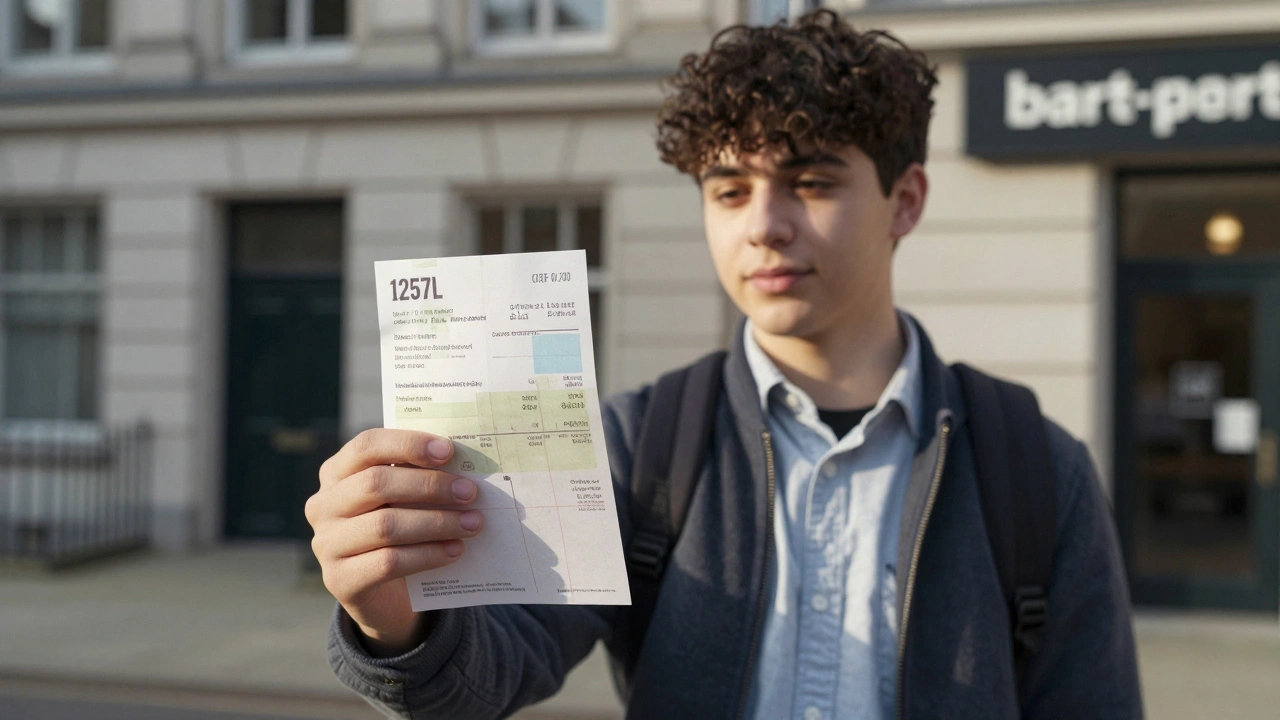
If you’re a student working in the UK for the first time, you’ve probably heard the term tax code and felt confused. What is it? Why does it matter? And why does your paycheck look different from your friend’s who’s not a student? This isn’t about complicated forms or legal jargon. It’s about understanding what’s taken out of your pay and why - so you keep what you’re owed.
What is a UK tax code?
Your UK tax code is a mix of numbers and letters used by your employer and HMRC to figure out how much tax to take from your pay. It’s not a secret code - it’s a simple formula based on your personal allowance and any adjustments. For most students, the code starts with a number like 1257, followed by a letter - usually L. So, 1257L means you’re entitled to the standard Personal Allowance of £12,570 per year before paying income tax.
That £12,570 is your tax-free income. If you earn under that in a year, you pay zero income tax. If you earn over it, you pay 20% on the amount above. This applies whether you’re working part-time during term, during summer break, or full-time after graduation.
Why students get the same tax code as everyone else
A lot of students think they get special treatment - like lower tax rates or exemptions. They don’t. The UK doesn’t have a separate tax system for students. You pay income tax and National Insurance the same way as any other worker. The only difference? Most students don’t earn enough to hit the tax threshold.
Let’s say you work 15 hours a week at £11 an hour. That’s £165 a week, or £8,580 a year. You’re well under £12,570. So even if your tax code says 1257L, you’ll pay £0 in income tax. But here’s the catch: you might still see National Insurance being taken out.
National Insurance: The hidden deduction students forget about
National Insurance (NI) is separate from income tax. It’s a contribution that helps fund your future state pension and certain benefits. For employees, Class 1 NI kicks in when you earn more than £242 a week (2025/26 rates). The rate is 8% on earnings between £242 and £967 a week, and 2% above that.
So if you’re earning £165 a week, you pay zero NI. But if you pick up extra shifts and hit £250 a week, suddenly £0.68 disappears from your pay. It’s small - but it adds up. Many students don’t realize this because they assume ‘tax’ means only income tax. It doesn’t. NI is real, and it’s deducted even if you’re not paying income tax.
How do you get your tax code?
You don’t apply for it. HMRC sends it to your employer automatically - but only if they know you’re working. Here’s how it works:
- You start a job and fill out a starter checklist (form P46 or the digital equivalent).
- Your employer sends your details to HMRC - your name, address, National Insurance number, and start date.
- HMRC checks if you’ve worked before, if you’ve got another job, or if you’re claiming benefits.
- HMRC issues your tax code and sends it to your employer - usually within a few days.
If you’ve never worked in the UK before, your employer will use a temporary tax code - often 1257L on a non-cumulative basis. That means tax is calculated only on what you earn that pay period, not your total annual income. It’s not wrong - it’s just cautious. HMRC hasn’t confirmed your full picture yet.
What if you had a job last year?
If you worked last year - even part-time - HMRC already has your record. Your tax code might be adjusted based on what you earned then. For example, if you earned £8,000 last year, you still have £4,570 of your allowance left. So you won’t pay tax until you earn past £12,570 total.
But here’s the trap: if you started a new job in December and didn’t tell your employer you had a job in October, you might get taxed at 20% from day one. That’s because HMRC didn’t know you’d already used part of your allowance. You’ll get it back later - but only if you file a tax return or wait for HMRC to adjust it. That can take months.
What to do if your tax code is wrong
You’ll know it’s wrong if:
- You’re being taxed even though your total annual pay won’t hit £12,570
- You see a code like K1257 (which means you owe tax from a previous year)
- You’ve had two jobs and your tax code doesn’t reflect both
If you think your code is wrong, log into your HMRC online account. You’ll see your current code and earnings history. If something looks off, call HMRC at 0300 200 3300. Have your National Insurance number, employer name, and payslips ready. They’ll fix it - and if you’ve overpaid, you’ll get a refund.
Do international students pay tax?
If you’re from outside the UK and studying here, you still need a tax code if you work. The rules are the same. You get the full Personal Allowance if you’re a resident for tax purposes - which most full-time students are. But if you’re only here for less than 183 days in a tax year, you might not qualify. That’s rare for students on a student visa, though.
Most international students pay no income tax because they don’t earn enough. But they still pay National Insurance if they earn over £242/week. Don’t assume you’re exempt - check your payslip.
What about student loans?
Student loan repayments are separate from tax code. They’re handled by the Student Loans Company (SLC). If you have a Plan 2 loan (the most common), you start repaying once you earn over £27,295 a year. That’s way above what most students earn. So if you’re working part-time, you won’t repay anything. But your employer won’t deduct loan payments unless you’re earning over that threshold.
Don’t confuse student loan deductions with tax. They’re not the same thing. You’ll see them as a separate line on your payslip if they apply.
What happens if you don’t have a National Insurance number?
You can still work without one - but your employer will use a temporary tax code (like 1257L on a non-cumulative basis) and deduct tax at the emergency rate of 20% on everything you earn. You won’t pay National Insurance if you’re under £242/week, but you’ll pay full income tax.
That’s not fair - and it’s not permanent. Apply for a National Insurance number as soon as you start working. Go to www.gov.uk/apply-national-insurance-number or call 0800 141 2075. You’ll get an appointment, usually within a few weeks. Once you have it, HMRC updates your record and your employer adjusts your tax code. Any overpaid tax is refunded automatically.
Real example: Maya, a student in Manchester
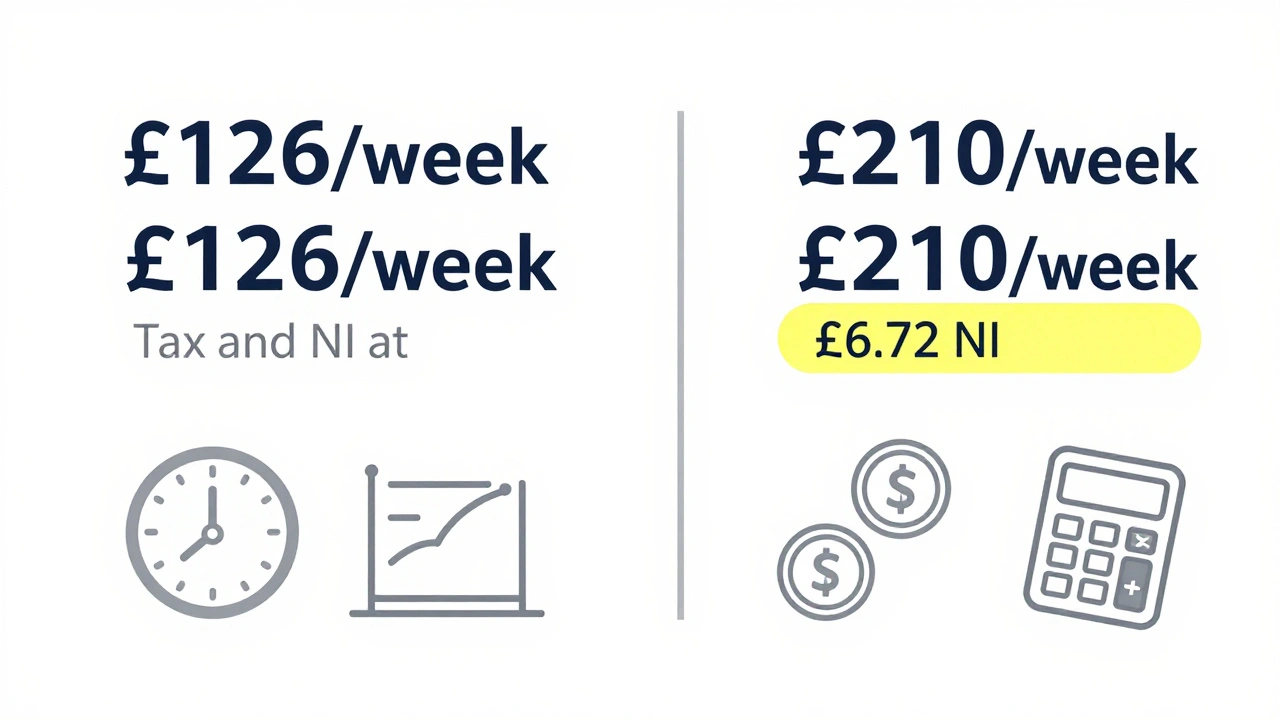
Maya works 12 hours a week at £10.50/hour. That’s £126 a week. She’s under the £242 NI threshold, so no National Insurance is taken. Her tax code is 1257L. She earns £6,552 a year - well under £12,570. So she pays zero income tax. Her net pay is £126 a week, full.
Then she picks up weekend shifts at a café. Now she’s working 20 hours a week - £210 a week. That’s £10,920 a year. Still under £12,570. Still no income tax. But now she’s over £242/week. So £6.72 goes to National Insurance each week. Total deduction: £6.72. Net pay: £203.28.
She doesn’t panic. She checks her payslips. She sees the NI deduction and knows it’s normal. She doesn’t need to do anything. She’ll get a P60 at year-end, and if she changes jobs, she’ll hand over her P45.
What to do next
Here’s your simple checklist:
- Apply for a National Insurance number if you don’t have one - it’s free and fast.
- Check your payslip for your tax code (it’s usually at the top).
- Look for two numbers: the tax code (e.g., 1257L) and any NI deduction.
- If you’re earning under £12,570/year, you pay no income tax - even if you see tax being taken, it’s likely temporary.
- If you’ve had multiple jobs, tell HMRC. Use your P45 from your old job.
- Log into your HMRC account to see your tax history - it’s updated monthly.
You don’t need to be an expert. You just need to know what to look for. Most students overpay because they assume they’re being taxed wrong. The truth? You’re probably paying exactly what you should - and if you’re not, the fix is simple. HMRC doesn’t hide refunds. You just have to pay attention.
Final thought
Working while studying isn’t just about money. It’s about learning how the system works. Your first payslip isn’t a mystery - it’s your first lesson in financial independence. Understand your tax code. Know why NI is taken. Check your payslip. You’re not just a student. You’re a worker. And you deserve to keep what’s yours.
Do students get a different tax code in the UK?
No, students don’t get a special tax code. They use the same code as everyone else - usually 1257L - based on the standard Personal Allowance of £12,570 per year. The only difference is that most students earn less than that, so they pay no income tax. But they still pay National Insurance if they earn over £242 a week.
Why is tax being taken from my pay if I’m a student?
If you’re being taxed, it’s likely because you’re using a temporary tax code while HMRC sorts out your earnings history. This often happens if you’ve worked before, had multiple jobs, or didn’t give your employer your P45. You’re not being taxed unfairly - you’ll get any overpaid tax back automatically once HMRC updates your records.
Do I need a National Insurance number to work as a student?
You can start working without one, but your employer will tax you at the emergency rate (20% on all income) until you get it. Applying for a National Insurance number is free and takes a few weeks. Once you have it, your tax code will be corrected, and any overpaid tax will be refunded.
Do international students pay UK tax?
Yes, if you’re working in the UK, you pay UK income tax and National Insurance under the same rules as UK students. Most international students pay no income tax because they earn under £12,570/year. But they still pay National Insurance if they earn over £242/week. Residency status matters - most full-time students on a student visa are considered UK residents for tax purposes.
When do student loan repayments start?
Student loan repayments only start when you earn over £27,295 a year (2025/26 rate). Most students working part-time won’t reach that. Repayments are calculated as 9% of earnings above that threshold. Your employer won’t deduct loan repayments unless you’re earning over £27,295/year - so if you’re seeing deductions, it’s likely tax or National Insurance, not your student loan.