
If you’ve been blogging as a student in the UK-whether it’s about campus life, budget meals, or reviewing indie bands-you’ve already done half the work needed to turn that into real income. You don’t need a degree in journalism. You don’t need to be a perfect writer. You just need to start treating your blog like a portfolio, not just a diary.
Your Blog Is Already a Portfolio
Most people think they need to build a fancy website with testimonials and case studies before they can land paid gigs. But if you’ve been writing consistently for even six months, you’ve got more than enough to show. Look at your top three posts. Are they clear? Do they have a voice? Do they answer a question someone actually asked? If yes, those are your first three samples.
One student in Manchester started a blog called Student Rent Survival-just honest posts about how she managed £800 rent in a shared flat while working part-time. Within four months, a local property management company reached out. They wanted her to write blog posts for their listings. She didn’t have a resume. She just sent them her blog. They paid her £250 per post.
Your blog doesn’t need to be about money to make money. It just needs to be real. People pay for authenticity, not polish.
Where UK Clients Are Looking Right Now
You’re not competing with professional agencies. You’re competing with other students. And that’s your advantage. Here’s where real clients are finding writers in 2026:
- Reddit communities like r/UKFreelance, r/Blogging, and r/StudentUK often have job posts from small businesses looking for cheap, reliable writers.
- Facebook Groups like "UK Student Freelancers" and "Content Writers UK" have 50,000+ members. Check daily. Someone always needs a 500-word article on "how to save on student council fees" or "best budget coffee shops in Leeds."
- LinkedIn isn’t just for corporate jobs. Search "freelance writer needed" + "UK". Filter by "Posted in last 24 hours." Many small startups and solopreneurs post there.
- Upwork and Fiverr still work-but only if you niche down. Don’t say "I write anything." Say "I write student-focused blog posts about mental health, budgeting, or part-time jobs in the UK." That’s your hook.
One student in Glasgow landed six clients in three weeks just by posting in Facebook groups. His first gig? Writing 12 product descriptions for a local vegan snack brand. He got paid £100. He didn’t even know what "product description" meant before that. He just wrote like he was telling a friend.
How to Pitch Without Being Pushy
You don’t need to send a formal proposal. You need to send a message that feels like a conversation.
Here’s the template that works:
- "Hi [Name], I saw you’re looking for someone to write about [topic]."
- "I run a blog called [Your Blog Name] where I write about [related topic]. Here’s one post that’s similar: [link]."
- "I can write 500-800 words on this in 2 days. Happy to do a small test piece for free if that helps."
That’s it. No fluff. No CV. No "I’m passionate about writing." Just proof you’ve done it before-and you’re easy to work with.
One student in Brighton used this method to land her first client: a local yoga studio. She’d written about "how yoga helped me through exam stress." She sent them the link. They asked for three posts. She got paid £150 total. She’s still writing for them 18 months later.

Start Small, But Start Now
You don’t need to write 10 articles before you get paid. You need to write one. And send it to one person.
Here’s what that looks like in real time:
- Monday: Pick one blog post you’re proud of.
- Tuesday: Find one small business in your city that could use a blog. A bookstore. A coffee shop. A tutoring service.
- Wednesday: Send the pitch above. No waiting. No overthinking.
- Thursday: If no reply, send a quick follow-up: "Just checking in-still happy to help if you need it."
- Friday: If they say yes, write the article. Send it. Get paid.
That’s a full cycle in five days. No experience needed. No tools required. Just your blog and your voice.
What You Should Charge (UK 2026)
Most students start at £0.05 per word. That’s £25 for a 500-word article. That’s fine. But don’t stay there.
Here’s what’s realistic in 2026:
- First 3 jobs: £20-£40 per article (low rate, high volume)
- After 5 completed pieces: £50-£80 per article (ask for it)
- After 10 pieces + testimonials: £100+ per article (you’re now a pro)
Don’t undervalue yourself because you’re a student. Clients aren’t paying for your degree. They’re paying for your ability to make their audience care.
Keep Writing, Even When It Feels Pointless
The biggest mistake students make? They stop blogging once they start getting paid. Don’t do that.
Your blog is your living resume. Every new post is a new sample. Every comment is social proof. Every time you write about how you struggled to pay for textbooks, you’re building trust with someone who’s doing the same thing.
One student in Cardiff kept posting weekly-even after landing paid work. Two years later, a publisher reached out. They wanted to turn her blog into a book. She didn’t pitch. She didn’t apply. They found her because she never stopped writing.
Next Steps: Your 7-Day Action Plan
Here’s exactly what to do next week:
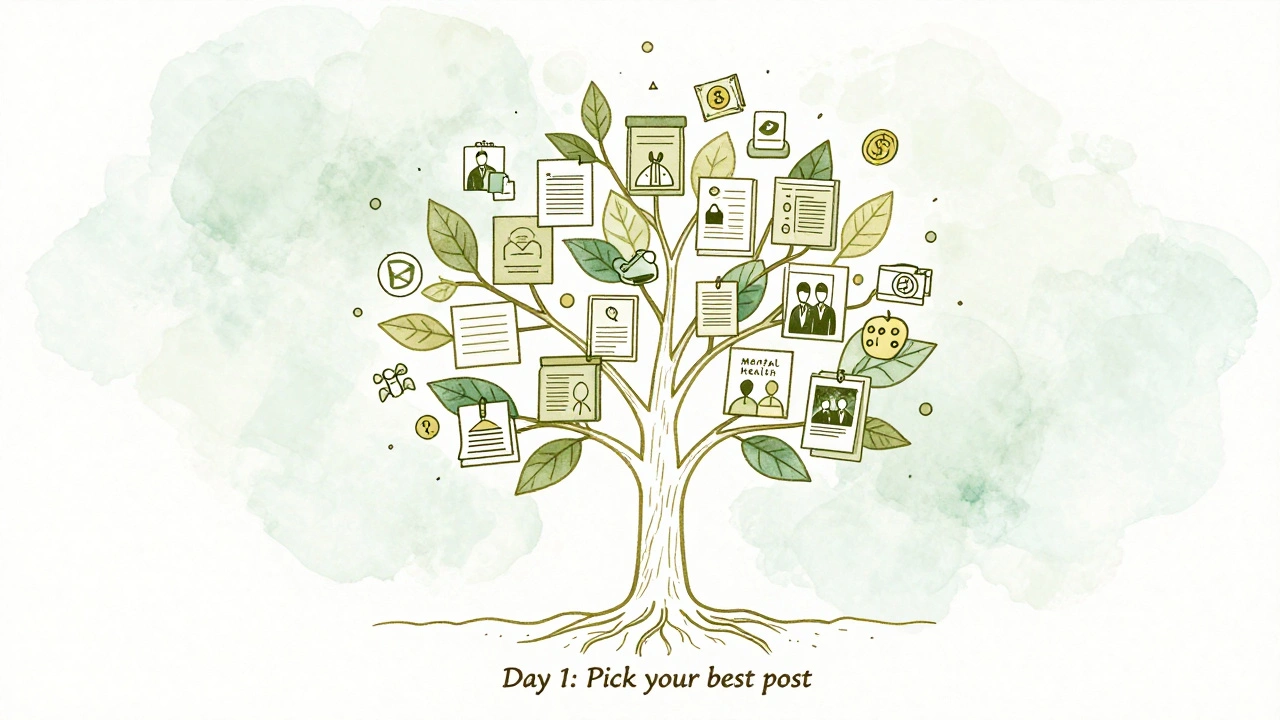
- Day 1: Pick your best blog post. Not your favorite. The one that got the most comments or shares.
- Day 2: Find 3 local businesses in your city that have blogs but post rarely. A gym. A salon. A secondhand bookshop.
- Day 3: Send your pitch. Use the template above. No excuses.
- Day 4: If no reply, send one polite follow-up.
- Day 5: Write a new blog post about your experience applying for freelance work. Add it to your site.
- Day 6: Join one Facebook group for UK freelancers. Comment on one job post. Don’t apply yet. Just engage.
- Day 7: Set a goal: "I will get paid for writing before April 1." Write it down. Say it out loud.
That’s it. No apps. No courses. No expensive tools. Just your blog, your words, and one brave message.
Why This Works Better Than a Resume
A resume tells employers what you studied. Your blog shows them what you can do. No one cares that you got a B+ in English Literature. But they care that you wrote a post that helped 300 students save money on groceries.
Freelance writing in the UK isn’t about credentials. It’s about consistency. It’s about showing up. It’s about writing like you’re talking to a friend who’s just as tired as you are.
You don’t need to be the best writer. You just need to be the one who keeps going.
Do I need to be based in the UK to write for UK clients?
No. Many UK clients hire writers from anywhere in the world as long as you understand UK culture, slang, and references. But if you’re in the UK, you have a huge advantage-you know local events, universities, and issues firsthand. Use that. Mention specific cities, student unions, or local brands in your writing. That builds instant trust.
What if my blog is in a niche like gaming or fashion?
Niche blogs are gold. Companies in those spaces are desperate for writers who actually get it. A gaming blog? You can write for indie game studios. A fashion blog? Local thrift stores want content that speaks to Gen Z. Don’t try to be general. Double down on what you already love. That’s your edge.
How do I handle payments as a student?
Use PayPal or Wise. Most small businesses in the UK pay via these. Avoid bank transfers unless you’re comfortable setting up a business account. Some students use their parent’s account. Others open a free student business account with Revolut or Monzo. Keep it simple. Get paid first. Sort paperwork later.
Can I turn this into a full-time career?
Yes. Thousands of students in the UK have turned blog writing into full-time freelance careers. Some now run agencies. Others write for national publications. The key isn’t talent-it’s volume. Write consistently. Build a track record. Over time, clients will come to you.
What if I don’t have a blog yet?
Start one today. Use free tools like WordPress.com or Medium. Write one post about something you know well-like how you passed your exams without studying. Publish it. Then find one business that might need similar content. Send your pitch. You don’t need to be perfect. You just need to start.