
Imagine signing a lease, handing over your first month’s rent and a hefty deposit, only to discover that the heating doesn’t work or the landlord is planning to sell the property next month. It’s a nightmare scenario for many new tenants in the United Kingdom. If you are renting for the first time in the UK, the process can feel like navigating a minefield of legal jargon and hidden costs. But it doesn’t have to be.
The UK rental market has specific rules designed to protect both landlords and tenants. Understanding these rules before you sign anything is your best defense against bad experiences. This guide breaks down exactly what you need to check, the questions you must ask, and the red flags that should make you walk away immediately.
Understanding Your Legal Rights as a Tenant
Before you even look at properties, you need to know where you stand legally. In England, Wales, and Scotland, tenancy laws differ slightly, but the core principles remain similar. Most new rentals fall under an Assured Shorthold Tenancy (AST), which is the most common type of private rental agreement in England and Wales. An AST gives you security of tenure for at least six months and protects you from unfair eviction.
In Scotland, the equivalent is a Private Residential Tenancy (PRT), which offers even stronger protections, including no fixed end date unless either party chooses to end it. Knowing which law applies to your location is crucial because it dictates how much notice a landlord must give to evict you and how disputes are handled.
One critical change in recent years is the abolition of Section 21 'no-fault' evictions in England. This means landlords can no longer kick you out without a valid reason simply because they want to. They must now use Section 8, proving you have broken the terms of the contract, such as not paying rent. This shift places more power in your hands, but it also means you must adhere strictly to the contract terms.
The Essential Pre-Viewing Checks
Don’t just look at the pretty photos online. When you visit a property, you are inspecting a home, not just admiring decor. Here is what you need to verify during your viewing:
- EPC Rating: Every rental property in the UK must have an Energy Performance Certificate (EPC) with a rating between E and G. Properties rated F or G are illegal to rent. A low rating means higher energy bills for you.
- Gas Safety Certificate: By law, landlords must provide a current Gas Safety Record issued by a Gas Safe registered engineer within the last 12 months. Ask to see this document before you move in.
- Electrical Installation Condition Report (EICR): Since April 2020, landlords in England must ensure electrical installations are safe and inspected by a qualified person at least every five years.
- Mold and Damp: Look behind sofas, under sinks, and in corners. White powder on walls or black spots indicate mold. This is often a sign of poor ventilation or structural issues that the landlord may ignore.
- Water Pressure and Heating: Turn on the taps and shower. Run the hot water. Check if the radiators get warm. These are expensive fixes, and if they don’t work now, they might not be fixed quickly later.
Questions You Must Ask the Landlord or Agent
Many first-time renters are too polite to ask difficult questions. Don’t be. Asking these questions shows you are serious and helps you avoid traps.
| Question | Why It Matters | Red Flag Response |
|---|---|---|
| Who is responsible for repairs? | Landlords must fix structure, exterior, and installations (water, gas, electricity). Tenants handle minor maintenance like changing light bulbs. | "You handle everything." |
| Is the deposit protected? | By law, deposits must be held in a government-approved scheme within 30 days. | "I'll hold it myself." |
| What are the exact break clause terms? | Allows you to leave early without penalty if needed. | No break clause mentioned. |
| Are there any upcoming works? | Renovations or sales can disrupt your life. | Vague answers about "future plans." |
| How are utilities split? | Some bills are included; others are separate. Clarify who pays for council tax. | "We'll figure it out later." |

Navigating References and Right to Rent
Once you find a place you love, the paperwork begins. In the UK, almost all landlords will require a reference check. This usually involves three parts:
- Employment Reference: Proof of income. Most landlords want to see that your annual salary is at least 2.5 to 3 times the yearly rent.
- Previous Landlord Reference: Confirmation that you paid rent on time and didn’t damage the property.
- Right to Rent Check: This is a legal requirement. Landlords must check your immigration status to ensure you have the legal right to live in the UK. They will ask for your passport or visa documents. Failure to do this can result in heavy fines for the landlord, so they take it seriously.
If you are a student, you might need a guarantor-a parent or relative with a good credit history-who signs up for the rent if you default. Some companies offer professional guarantor services for a fee if you don’t have family support.
Understanding the Deposit and Inventory
Your deposit is your financial safety net. In England, it cannot exceed five weeks’ rent for properties costing less than £50,000 per year. For high-value properties, it can be up to six weeks. In Scotland, the cap is one month’s rent.
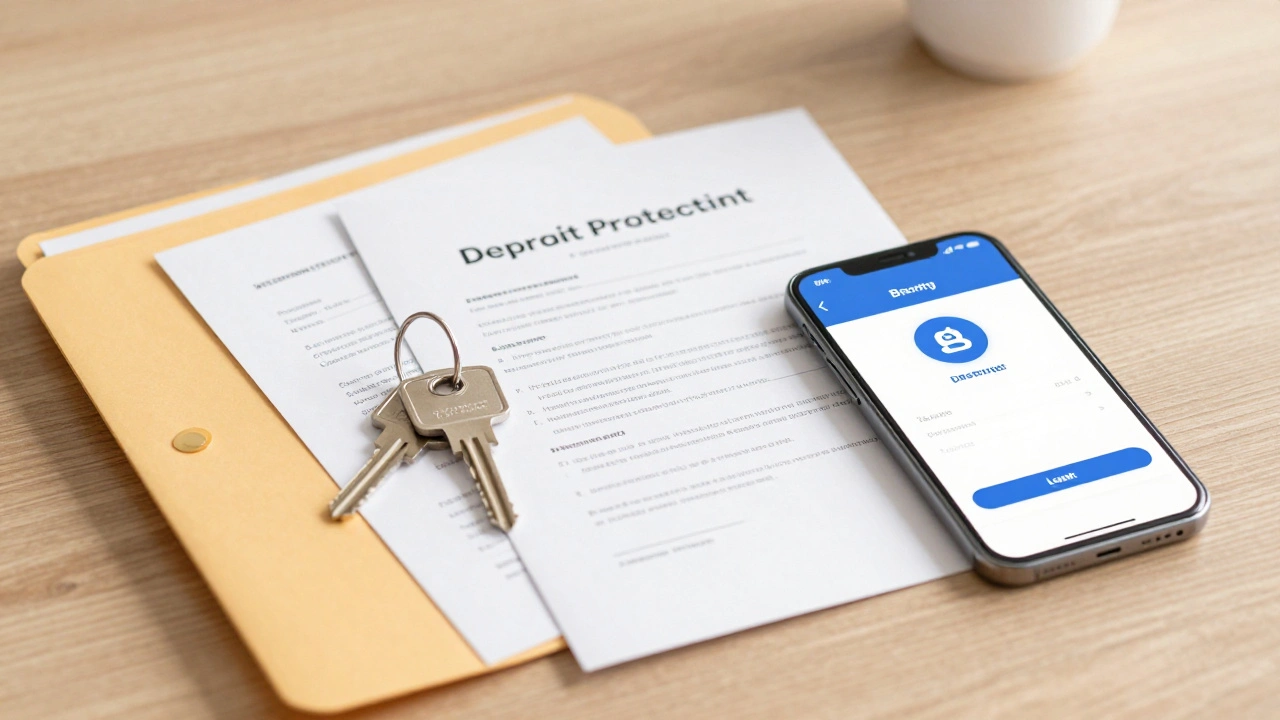
The deposit must be placed in a Tenant Deposit Scheme, which is a government-backed program that holds your money securely until the end of the tenancy. There are three approved schemes in England and Wales: The Deposit Protection Service (DPS), MyDeposits, and Tenancy Deposit Scheme (TDS). The landlord must tell you which one they used within 30 days.
When you move in, you will receive an inventory checklist. This document lists every item in the property and its condition. Take photos and videos of everything-scratches on floors, stains on carpets, cracks in walls. Send these to the landlord immediately. If you don’t document existing damage, you could be charged for it when you leave.
Common Pitfalls to Avoid
Even experienced tenants make mistakes. Here are the most common errors first-timers make in the UK:
- Paying Cash Without Receipts: Always pay rent via bank transfer. Never hand over cash without a signed receipt. Digital trails protect you in disputes.
- Ignoring the Tenancy Agreement: Read every line. Look for clauses about pets, subletting, and guests. If something isn’t written down, it doesn’t exist.
- Skipping the Viewing: Never rent a property sight unseen. Scammers often list non-existent properties to steal deposits.
- Not Checking Council Tax Bands: Council tax varies by location and property size. Students are often exempt, but working professionals must pay. Check the local council website for the band.
Next Steps After Signing
Once you’ve signed the lease and moved in, your job isn’t done. Register your address with the local council, update your bank details, and notify any subscription services. Keep a copy of your tenancy agreement, deposit protection certificate, and all communication with the landlord in a dedicated folder. If issues arise, report them in writing via email. Verbal agreements are hard to prove.
Renting in the UK is a significant commitment, but with the right knowledge, you can secure a safe, comfortable home. Stay vigilant, ask questions, and never rush into a decision. Your future self will thank you.
Can a landlord enter my property without permission?
No. Under the Tenant Fees Act 2019 and common law, landlords must give at least 24 hours’ written notice before entering your home, except in emergencies like fires or floods. They cannot enter just to show the property to prospective buyers without your consent.
What happens if my deposit is not protected?
If a landlord fails to protect your deposit in an approved scheme within 30 days, you can apply to the court. The court may order the landlord to return the deposit and pay you up to three times the deposit amount as compensation.
Do I have to pay for minor repairs?
Generally, no. Landlords are responsible for maintaining the structure, exterior, and installations for water, gas, electricity, sanitation, and heating. Tenants are only responsible for damages caused by their negligence or misuse, such as breaking a window or staining carpets beyond normal wear and tear.
Can I keep pets in a rented property?
Since January 2025, landlords in England cannot unreasonably refuse a request to keep a pet. However, they can set reasonable conditions, such as requiring pet insurance or a higher deposit for potential damage. Always get permission in writing.
How do I end my tenancy early?
Check your tenancy agreement for a "break clause." This allows you to leave before the fixed term ends, usually with one month’s notice. If there is no break clause, you may need to negotiate with the landlord to find a replacement tenant or pay the remaining rent.