
Arriving in the UK as an international student is a mix of excitement and sheer terror. You’ve packed your life into two suitcases, navigated visa paperwork that seemed designed to break you, and landed in a country where the rain is constant and the slang is confusing. The biggest shock isn’t usually the academic workload-it’s the loneliness. Everyone seems to have known each other since primary school, laughing at inside jokes you don’t understand while eating toast in the library. But here’s the secret most orientation guides gloss over: you don’t have to force yourself into the typical "pub culture" to make friends. The real magic happens in cultural societies, which are student-led groups dedicated to specific nationalities, languages, or global interests.
Why Cultural Societies Beat Generic Student Clubs
You might be thinking, "I’ll just join the football team or the drama society." Sure, those are great. But for many international students, especially those from non-Western backgrounds, generic clubs can feel like hitting a wall. There’s often a subtle social barrier-shared references to British TV shows, cricket, or specific regional dialects-that takes months to bridge. Cultural societies remove that barrier instantly. When you walk into a meeting for the Indian Society, the Chinese Society, or the Latin American Club, you’re already speaking the same emotional language. You share food memories, family expectations, and the specific stress of calling home across time zones.
These groups aren’t just echo chambers for people from one country. Most are open to anyone interested in that culture. This means you get deep connections with peers who actually care about your background, plus a network of curious British students who want to learn. It’s a two-way street that builds genuine friendship rather than superficial networking. Plus, these societies often host events that are cheaper and more authentic than what you’d find in town centers. Think homemade samosas instead of overpriced pub snacks, or traditional dance workshops instead of loud club nights.
The Big Players: Major National and Regional Societies
Every major UK university-from Oxford and Cambridge to smaller campuses in Sheffield or Leeds-has a hierarchy of societies. At the top are the large national associations. These are well-funded, organized, and run by experienced senior students. They are your best bet for immediate structure and support.
| Society Type | Primary Benefit | Typical Activities | Best For |
|---|---|---|---|
| National Associations (e.g., ISOC, CSSA) |
Strong sense of identity; large networks | Festivals (Diwali, Lunar New Year), career panels, formal dinners | Students seeking strong cultural ties and professional networking within their diaspora |
| Regional/Interest-Based (e.g., Middle Eastern, African Union) |
Diverse perspectives within a broad region | Language exchange, political debates, cooking classes | Students from diverse backgrounds wanting broader regional connections |
| Academic/Cultural Hybrid (e.g., French Society, Goethe Club) |
Language practice + cultural immersion | Film nights, conversation cafés, museum trips | Students wanting to improve language skills while making friends |
| Faith-Based Groups (e.g., Muslim Society, Christian Union) |
Spiritual support + community safety net | Prayer sessions, charity drives, interfaith dialogues | Students prioritizing spiritual connection alongside socializing |
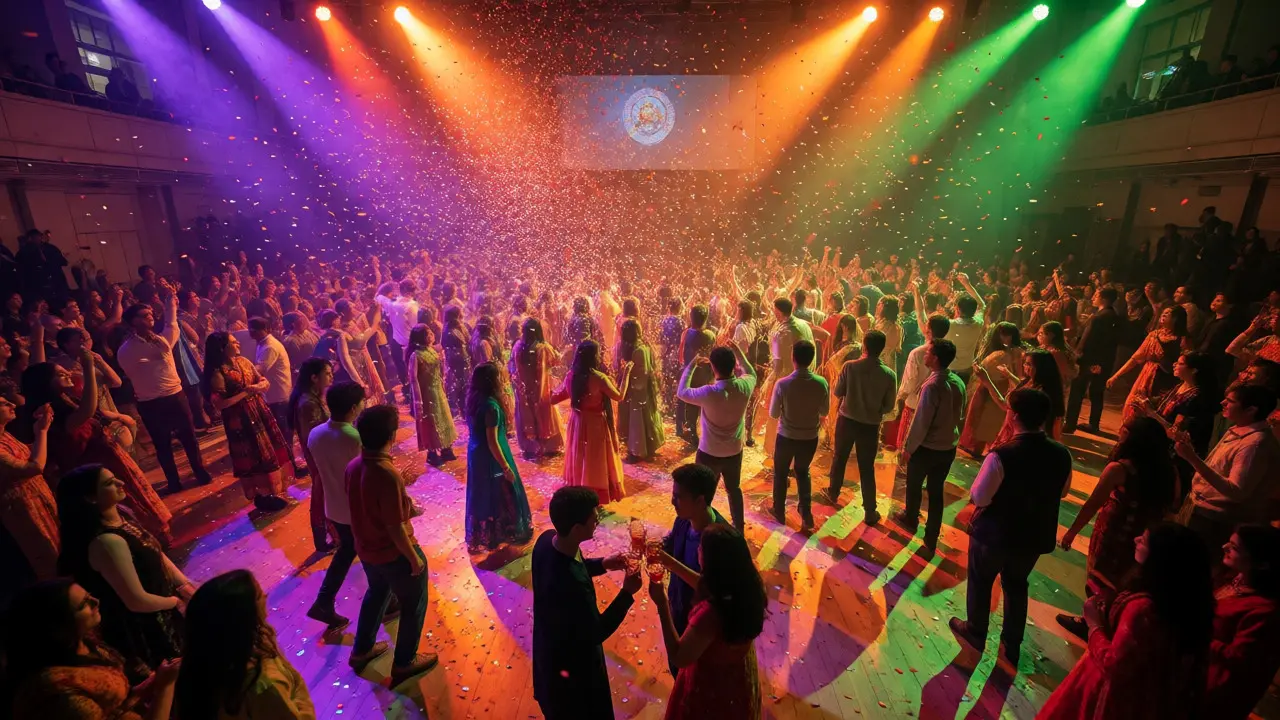
Take the Chinese Students and Scholars Association (CSSA), for example. It’s not just a club; it’s an institution. In cities like London or Manchester, CSSA chapters organize massive Lunar New Year celebrations that rival local festivals. They also offer practical help, like tutoring services or housing tips specifically tailored to international needs. Similarly, the Indian Students’ Organisation (ISO) often runs Diwali balls that are legendary on campus, featuring Bollywood performances and catered Indian food that actually tastes like home.
How to Find and Join the Right Group
Don’t wait until October. The recruitment window is tight. Most universities hold a "Freshers’ Fair" in the first week of September. This is your golden hour. You’ll see hundreds of tables, flyers, and enthusiastic students handing out stickers. Here’s how to tackle it without getting overwhelmed:
- Prioritize Your List: Before you go, check your university’s student union website. Look up the list of registered societies. Identify three cultural groups related to your background and two general interest groups you’re curious about.
- Talk to People, Not Just Flyers: Stop at the table. Ask simple questions: "What’s your next big event?", "Do you meet weekly?", "Is there a membership fee?" If the members seem stressed or disorganized, move on. You want a group that feels welcoming, not chaotic.
- Check Social Media: Almost every active society has an Instagram page. Scroll through their posts. Do they look fun? Are they posting regularly? A dormant account is a red flag. A lively feed with photos of recent gatherings is a green light.
- Attend One Event First: Don’t commit to being an officer immediately. Go to one casual meetup. See if the vibe clicks. If you leave feeling drained, try another group next week.
If you miss Freshers’ Fair, don’t panic. Many societies hold "Welcome Back" events in January. Or, simply email the society president. Their contact details are usually on the student union portal. A short, polite email saying you’re an international student looking to connect often gets a warm reply and an invite to the next meeting.

Beyond Borders: Finding Communities That Aren’t About Your Passport
Here’s a counter-intuitive tip: sometimes the best community isn’t the one that matches your nationality. If you’re from Brazil but hate samba, forcing yourself into the Brazilian Society might feel like work. Instead, look for communities based on shared experiences or hobbies that transcend borders.
Consider joining the International Students Network (ISN) or similar umbrella organizations. These groups exist specifically to bring together students from *all* countries. They’re perfect if you want to avoid silos. You’ll meet someone from Japan, someone from Nigeria, and someone from France, all bonded by the common experience of navigating UK bureaucracy. The conversations are richer because everyone brings a different perspective.
Another underrated option is volunteer-based cultural groups. Organizations like Voluntary Service Overseas (VSO) student branches or local refugee support charities often attract culturally aware students. Working side-by-side on a project creates bonds faster than sitting in a lecture hall. Plus, volunteering looks fantastic on your CV when you start applying for post-graduate jobs in the UK.
Navigating Costs and Logistics
Let’s talk money. Being an international student in the UK is expensive. Tuition fees are high, and living costs in cities like London can eat up your budget fast. Fortunately, most cultural societies are cheap to join. Annual memberships typically range from £5 to £15. This covers admin costs and helps fund free or discounted events.
However, watch out for hidden costs. Some societies charge extra for large events like proms or end-of-year trips. Always ask: "Are there any additional fees for this event?" Also, consider the location. If a society meets in a city center venue, factor in transport costs. University-run societies often meet in campus buildings, which are free and safe.
Time management is the other hurdle. Juggling assignments, part-time work, and social life is hard. Choose one main cultural society and one hobby-based group. Trying to join five societies leads to burnout and shallow connections. Depth beats breadth every time.
Making the Most of Your Community
Joining is easy. Staying engaged is where it gets tricky. To truly find your community, you need to shift from passive attendee to active participant. Here’s how:
- Show Up Consistently: Regularity builds trust. Attend meetings even when you’re tired. People notice who shows up.
- Contribute Something: Can you cook a dish from home? Offer to teach a dance step? Share a resource for visa advice? Contribution makes you memorable and valued.
- Step Out of Comfort Zones: Invite a friend from a different society to your cultural event. Bridge the gap between groups. This expands your network beyond your immediate circle.
- Use Online Tools: Most societies use WhatsApp or Discord for communication. Join the chat. Respond to messages. Share memes. This digital presence keeps you connected between physical meetups.
Remember, these societies are run by students, not professionals. Things will go wrong. Events might be poorly advertised. Food might run out. Be patient and forgiving. Your empathy toward their efforts will earn you respect and deeper friendships.
When Culture Clashes Happen
Not every interaction is smooth. Sometimes, cultural misunderstandings occur within these very societies. You might encounter cliques, gossip, or differing views on tradition versus modernity. This is normal. It mirrors the tensions you might face back home.
If you feel excluded, speak up. Approach the committee member directly. Say, "I felt left out during the last planning session," rather than complaining publicly. Most student leaders are eager to include new voices. If the issue persists, remember that you have options. Switching societies is fine. Leaving a group doesn’t mean failure; it means you found a better fit elsewhere.
Also, recognize that some societies may inadvertently reinforce stereotypes. If you feel pressured to conform to a specific "international student" image, push back gently. You define your own identity, not the group. True community respects individuality within the collective.
Next Steps for Your First Month
So, what should you do right now? Here’s a quick checklist to kickstart your search for community:
- Week 1: Visit the Student Union website. Download the list of all affiliated societies. Shortlist 3-5 cultural groups.
- Week 2: Follow them on Instagram. Check their activity levels. Send emails to presidents asking about upcoming events.
- Week 3: Attend one event per shortlisted group. Take notes on the vibe and logistics.
- Week 4: Pick one primary society to join officially. Buy the membership. Introduce yourself to three new people.
Finding your tribe takes time. It won’t happen overnight. But by leveraging cultural societies, you create a support system that understands your unique journey. You transform from a lonely outsider into a valued member of a vibrant, diverse community. And honestly, that’s worth far more than any grade on a transcript.
Are cultural societies only for students from that specific country?
No, most cultural societies are inclusive and welcome anyone interested in learning about that culture. While the majority of members might share the heritage, British students and other internationals frequently join to learn languages, enjoy food, or participate in festivals. You don't need to prove your nationality to join.
How much does it cost to join a cultural society in the UK?
Annual membership fees are generally low, typically ranging from £5 to £15. This fee supports administrative costs and helps subsidize events. However, larger events like formal dinners or trips may have additional ticket prices, so always check specific event costs before committing.
Can I join multiple cultural societies?
Yes, you can join as many as you like. However, it's recommended to stick to one or two to avoid burnout. Quality of engagement matters more than quantity. Focus on groups where you can actively participate and build meaningful relationships rather than spreading yourself too thin.
What if I don't identify strongly with my home country's culture?
That's perfectly fine. Consider joining hybrid groups like the International Students Network, faith-based societies, or interest-based clubs (like hiking or photography) that attract diverse crowds. Your community can be defined by shared values or hobbies rather than just passport origin.
How do cultural societies help with post-graduation careers?
Many societies host career panels, alumni networking events, and workshops on UK job applications. They provide access to mentors who have successfully navigated the transition from student to professional in the UK. Additionally, leadership roles within these societies demonstrate soft skills like teamwork and organization to future employers.