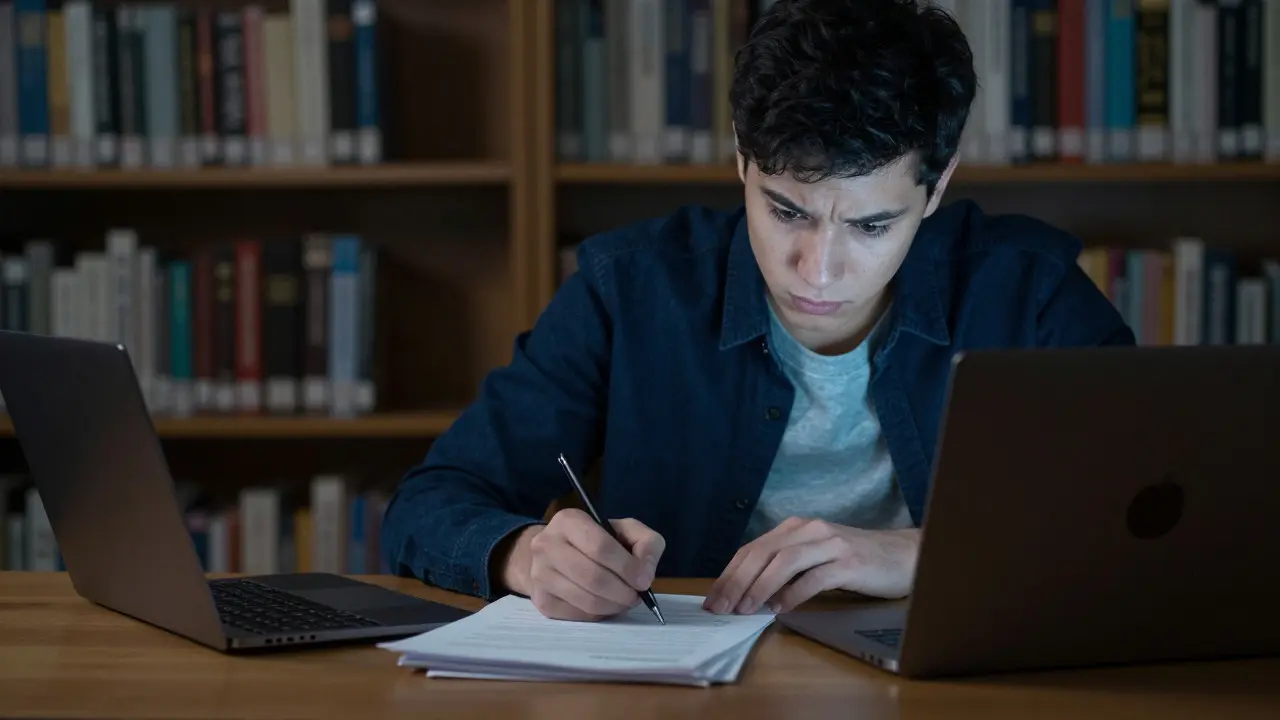
Imagine a first-year student who hasn't spoken to their parents since leaving home. They need to prove they are enrolled for visa purposes or financial aid, but their university requires a "parental confirmation." This is a common bottleneck for estranged students in the UK. It creates unnecessary stress and can even delay critical administrative processes.
Estrangement is a state of separation from family members, often due to conflict, abuse, or distance, where contact is minimal or non-existent. For these students, standard bureaucratic requirements designed for typical family structures can feel exclusionary. Universities in the UK have a duty to support all students, regardless of their family situation. However, many still rely on outdated forms that assume a supportive household exists.
Why Standard Forms Fail Estranged Students
Most UK universities use standard enrollment forms that ask for a parent or guardian's signature to confirm residence or academic standing. The logic seems simple: parents know best. But for an estranged student, this assumption is wrong. Asking a student to get a letter from someone they avoid is not just inconvenient; it can be emotionally damaging.
The core issue is a lack of flexibility in administrative processes. When a student declares "no contact," the system often defaults to requiring alternative proof, which might be equally difficult to obtain, such as utility bills in their own name (which new students rarely have) or bank statements showing regular income (which students may not have).
- Emotional Burden: The process forces students to re-engage with sources of trauma.
- Administrative Delay: Time spent chasing signatures delays visa applications and bursary approvals.
- Privacy Concerns: Some students fear that disclosing estrangement to a generic admin team will lead to judgment or assumptions about their mental health.
What Universities Need to Change
To truly support estranged students, institutions need to shift from a "one-size-fits-all" approach to one that recognizes diverse family structures. This doesn't mean removing verification entirely, but rather offering multiple pathways to prove status.
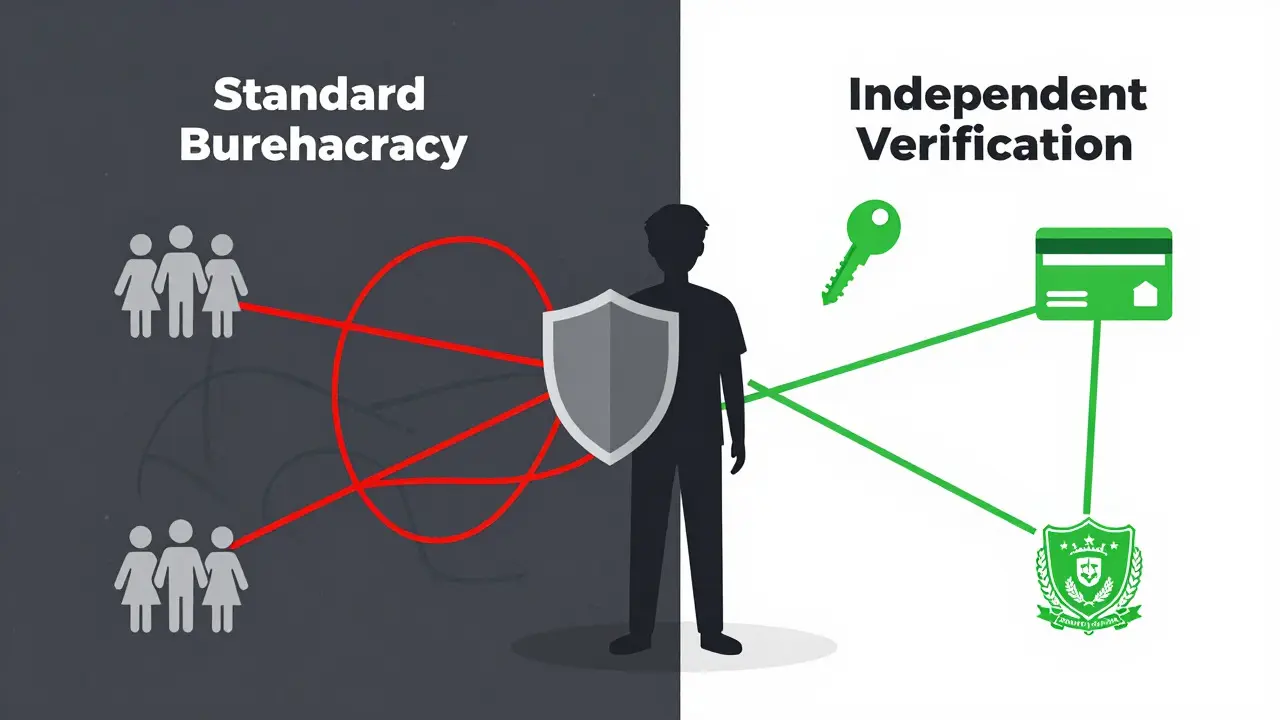
The most effective change is accepting independent evidence of residency and enrollment. If a student lives in university halls, the Hall Manager’s confirmation is often sufficient. If they live privately, a tenancy agreement or a letter from a landlord works. For academic standing, the Registrar’s office can simply issue a letter confirming active enrollment without needing third-party input.
| Verification Type | Typical Student Requirement | Estranged Student Alternative | Efficiency Rating |
|---|---|---|---|
| Residency Proof | Parent/Guardian Letter | Hall Manager Certificate or Tenancy Agreement | High (Direct) |
| Enrollment Status | Parental Signature on Form | Registrar’s Office Letter | High (Internal) |
| Financial Support | Parental Income Details | Student Bank Statement or Bursary Award Letter | Medium (Varies) |
This table highlights that for most administrative needs, the university itself holds the necessary data. Requiring external validation from family adds a layer of complexity that serves no real security purpose for basic enrollment checks.
The Role of Safeguarding and Wellbeing Teams
While administrative changes are crucial, the human element matters too. University wellbeing teams play a vital role in advocating for estranged students. These teams often have more flexibility than central admin departments. A letter from a designated welfare officer can sometimes override standard form requirements if a student presents a case of hardship.
Safeguarding is the process of protecting children and adults from harm, including neglect and abuse. In the context of higher education, safeguarding isn't just about physical safety; it includes emotional well-being and ensuring that institutional processes do not inadvertently cause harm. By recognizing estrangement as a valid special circumstance, universities align their policies with broader safeguarding principles.
Wellbeing teams should be trained to identify signs of family distress early. Often, estranged students keep their situation quiet until a crisis hits, like a visa deadline. Proactive outreach during orientation weeks can help flag these needs before they become urgent problems.
Practical Steps for Students and Admin Staff
If you are a student facing this issue, here is what you can do immediately. First, gather any existing documentation that proves your independence. This could include a rental contract, a job offer letter, or previous correspondence with the university that shows you have been managing your affairs alone.
Second, request a meeting with both the departmental administrator and the university’s student union representative. Student unions often have legal advice services that can write a formal letter supporting your case. This third-party backing can persuade hesitant admin staff to accept alternative proofs.
For university staff, the key is empathy and procedural clarity. Create a specific "Special Circumstances" pathway in your enrollment software. Instead of forcing students to fill out the standard form and then explain why it’s blank, give them a checkbox for "No Parental Contact Available." This triggers a different workflow that asks for independent proof instead of parental sign-off.
- Identify the Barrier: Determine exactly which document requires parental input.
- Find Internal Alternatives: Check if the university can verify the fact internally (e.g., enrollment status).
- Seek External Independent Proof: Use landlords, employers, or solicitors instead of family.
- Document the Exception: Keep a record of the decision to waive the standard requirement for future reference.

Policy Recommendations for Institutional Leaders
Universities aiming to improve inclusivity should review their admissions and retention policies annually. The goal is to reduce friction for marginalized groups, including estranged youth, LGBTQ+ students, and international students from cultures where family control is high.
A clear policy statement on the university website helps set expectations. It tells students upfront that they don't need to involve their parents to succeed academically. This transparency builds trust and reduces anxiety during the application and enrollment phases.
Furthermore, training for front-line staff is essential. Many administrators are well-meaning but rigid because they follow scripts. Regular workshops on diversity and inclusion, specifically covering family dynamics, can empower staff to make spot decisions that benefit students without waiting for senior approval.
Frequently Asked Questions
Do I need a lawyer to get a confirmation letter if my parents won't sign?
Usually, no. Most universities accept letters from landlords, hall managers, or student union representatives. A lawyer is only necessary if there is a legal dispute over guardianship or if a visa officer explicitly demands notarized documents, which is rare for standard enrollment checks.
Will declaring estrangement affect my chances of getting a scholarship?
It shouldn't negatively affect merit-based scholarships. However, for means-tested grants, you may need to prove your independent financial status. Having a clear record of living independently and managing your own finances can actually strengthen your case for full independence status.
What if I am under 18 and estranged from my parents?
This is more complex because legal guardianship usually lies with parents. In this case, you may need to provide evidence of being in local authority care, having a court order, or being recognized as an "independent young person" by the university's safeguarding team. Early engagement with the university is critical here.
How long does it take to get an alternative confirmation letter?
If the university verifies internally, it can take as little as 24 hours. If you need a letter from a landlord or external party, allow 5-7 working days. Always check deadlines for visas or funding applications and plan backward from those dates.
Is estrangement considered a disability for reasonable adjustments?
Not automatically. However, if the estrangement causes significant mental health issues that substantially limit daily activities, it may qualify under the Equality Act 2010. You would need medical evidence linking the family situation to your condition to claim reasonable adjustments based on disability.