
When UK students plan to study abroad under the Erasmus programme, the excitement often outweighs the paperwork-until they hit the first roadblock: flights, visas, or insurance. It’s 2026, and the rules have changed since the UK left the EU. Erasmus is no longer the same programme UK students once knew. But don’t panic. There are still ways to study in Europe, and they’re more manageable than you think-if you know where to look.
What Happened to Erasmus for UK Students?
The UK officially left the original Erasmus+ programme in 2021. That meant UK students lost automatic access to funding, tuition waivers, and simplified mobility rules across EU countries. But in 2023, the UK launched its replacement: the Turing Scheme. It’s not Erasmus, but it serves the same purpose: sending students abroad for study or work placements. The key difference? The Turing Scheme is global-not just European. You can go to Canada, Japan, or Brazil, not just Spain or Germany.
But here’s the catch: many universities still partner with European institutions using old Erasmus agreements. Some schools have kept bilateral agreements with EU universities, meaning you might still be able to go through an Erasmus-style exchange, even if it’s not officially funded by the EU anymore. Always check with your university’s international office. They’ll tell you whether your programme is under Turing, a bilateral deal, or something else entirely.
Flights: How to Find the Best Deals for Students
Flights are often the biggest surprise cost. A round-trip ticket to Lisbon in January 2026 costs around £180 if you book 3 months ahead. Same flight booked last minute? £500. That’s not a typo.
- Use student flight aggregators like StudentUniverse, StudentJet, or Skyscanner’s student filter.
- Book mid-week-Tuesdays and Wednesdays are cheapest.
- Be flexible with airports. Flying into Barcelona instead of Madrid can save you £60.
- Sign up for airline newsletters. EasyJet, Ryanair, and Wizz Air send exclusive student discounts every month.
- Consider budget airlines for short hops, but watch out for baggage fees. A 20kg checked bag on Ryanair costs £35 if booked online, £65 at the airport.
One student from Manchester flew to Bologna in February 2025 using a £79 ticket booked six months early. She added a 10kg bag for £15. Total: £94. That’s less than a week’s groceries in London.
Visas: Do UK Students Need One?
It depends on where you’re going-and how long you’ll stay.
If you’re going to an EU country for less than 90 days in a 180-day period, you don’t need a visa. That covers most semester-long exchanges. But if your placement lasts longer-say, a full academic year-you’ll need a long-stay student visa. Countries like France, Germany, and Italy require this.
Here’s what you’ll typically need:
- Letter of acceptance from your host university
- Proof of funds (usually €600-€1,000 per month)
- Health insurance that meets the country’s minimum requirements
- Passport valid for at least 3 months beyond your stay
- Completed visa application form and fee (usually €60-€100)
Some countries, like Spain, let you apply for the visa after arrival-but only if you’re staying under 90 days. If you’re staying longer, you must apply from the UK before you go. Don’t wait. Processing times can take 4-8 weeks. Start 3 months before your trip.
And yes, you still need to register with local authorities after arrival. In Germany, that’s the Einwohnermeldeamt. In France, it’s the OFII. Skip this step, and you risk fines or trouble renewing your stay.
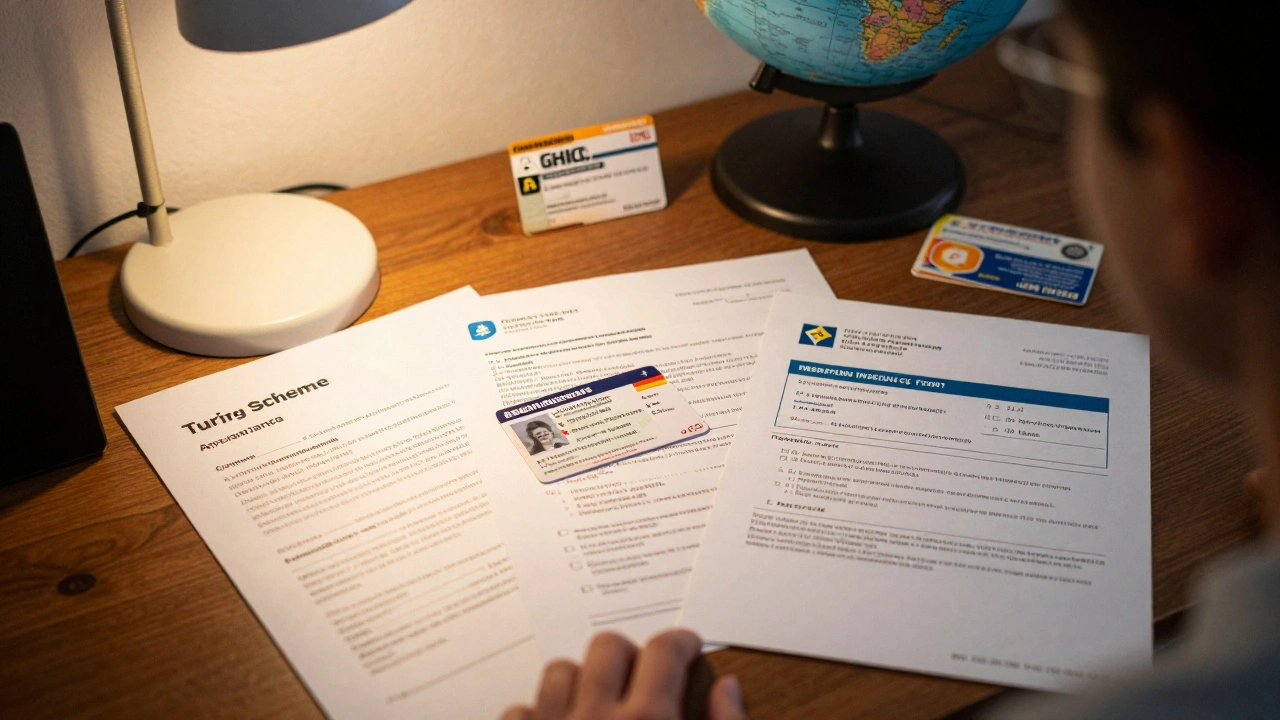
Insurance: What’s Required and What’s Enough
Every country has its own rules. But here’s the universal truth: you need health insurance that covers you for the entire duration of your stay.
For EU countries, the European Health Insurance Card (EHIC) no longer works for UK students. It was replaced by the Global Health Insurance Card (GHIC). The GHIC gives you access to state healthcare in EU countries at the same cost as locals-often free or reduced. But it doesn’t cover everything.
It won’t cover:
- Private hospitals
- Emergency evacuation
- Lost luggage
- Trip cancellation
- Personal liability
That’s why you need travel insurance on top of your GHIC. Look for a student-specific plan. Providers like Endsleigh, Allianz, and SafetyWing offer policies designed for students abroad. They typically cost £80-£150 for a full year.
Check the fine print. Some policies exclude pre-existing conditions or high-risk activities like skiing. If you’re planning to ski in the Alps, make sure your policy covers it. One student from Leeds had to pay £2,300 out of pocket for a broken leg because her policy didn’t list winter sports.
What You Can’t Skip: Registration and Local Rules
Once you land, you’re not done. Many countries require you to register your address within days of arrival. In the Netherlands, you must register with the Gemeente. In Portugal, you need to apply for a residence permit at the SEF (though it’s being replaced by a new system in 2026).
Don’t assume your university will handle it. They’ll help you with paperwork, but you’re responsible for showing up on time. Missing a deadline can mean fines, delays in opening a bank account, or trouble getting a local SIM card.
Also, know your rights. In many EU countries, students are entitled to discounted public transport, museum entry, and even cinema tickets. Carry your student ID everywhere. A UK student ID card often works, but some places ask for an International Student Identity Card (ISIC). It costs £12 and can save you hundreds over a year.

Common Mistakes UK Students Make
- Thinking the GHIC is enough. It’s not. You need top-up insurance.
- Waiting until the last minute to apply for visas. Processing delays are real.
- Booking flights with no return date. Some countries require proof of onward travel.
- Not checking if their university’s partner school still accepts UK students under a bilateral agreement.
- Assuming all EU countries treat UK students the same. Belgium’s rules are different from Poland’s.
One student from Edinburgh booked a flight to Rome with no return date. Border control turned her away. She had to buy a new ticket on the spot-£400 extra.
Final Checklist Before You Go
- ✅ Confirm your programme is under Turing or a bilateral agreement
- ✅ Book flight with return date and keep receipt
- ✅ Apply for GHIC (free via NHS website)
- ✅ Buy student travel insurance with medical, baggage, and cancellation cover
- ✅ Check visa requirements for your host country-apply early
- ✅ Get an ISIC card (£12, saves money)
- ✅ Register with your university’s international office for local support
- ✅ Save emergency contacts: UK embassy, university abroad, insurance provider
Studying abroad isn’t just about grades. It’s about learning how to navigate a new system, manage your own care, and adapt quickly. The paperwork is tedious, but it’s the price of independence. Do it right, and you’ll come back with more than a degree-you’ll come back with confidence.
Do UK students still get Erasmus funding?
No. The UK left the EU’s Erasmus+ programme in 2021. It’s been replaced by the Turing Scheme, which funds study and work placements worldwide, not just in Europe. Some universities still have private agreements with European schools that mimic Erasmus, but funding comes from the university, not the EU.
Do I need a visa for a 6-month study exchange in Spain?
Yes. If you’re staying longer than 90 days, you need a long-stay student visa. You must apply from the UK before you leave. You’ll need proof of enrolment, financial means (around €700/month), health insurance, and a police certificate. Processing takes 6-8 weeks.
Is the GHIC enough for health coverage abroad?
No. The GHIC only covers state healthcare in EU countries. It doesn’t cover private hospitals, repatriation, lost luggage, or trip cancellation. You must buy additional travel insurance designed for students. Most universities require proof of this before you leave.
Can I work while studying abroad under the Turing Scheme?
Yes, but rules vary by country. In France, you can work up to 964 hours per year (about 20 hours/week). In Germany, you can work 120 full days or 240 half-days annually. Always check local labour laws. Your visa may restrict work, and your insurance may not cover work-related injuries.
What if my flight gets cancelled right before I leave?
If you have travel insurance with trip cancellation cover, you can claim the cost of the flight and any non-refundable accommodation. Keep all receipts and emails. Most policies require you to book through a licensed travel agent or airline. Don’t rely on credit card insurance-it often has exclusions for student trips.
Do I need to open a bank account abroad?
Not always, but it helps. Some landlords and utility companies won’t accept UK bank transfers. Opening a local account saves you fees and makes rent payments easier. You’ll need your passport, proof of address (like a university letter), and sometimes your visa. Banks like Santander in Spain or Deutsche Bank in Germany have student accounts.