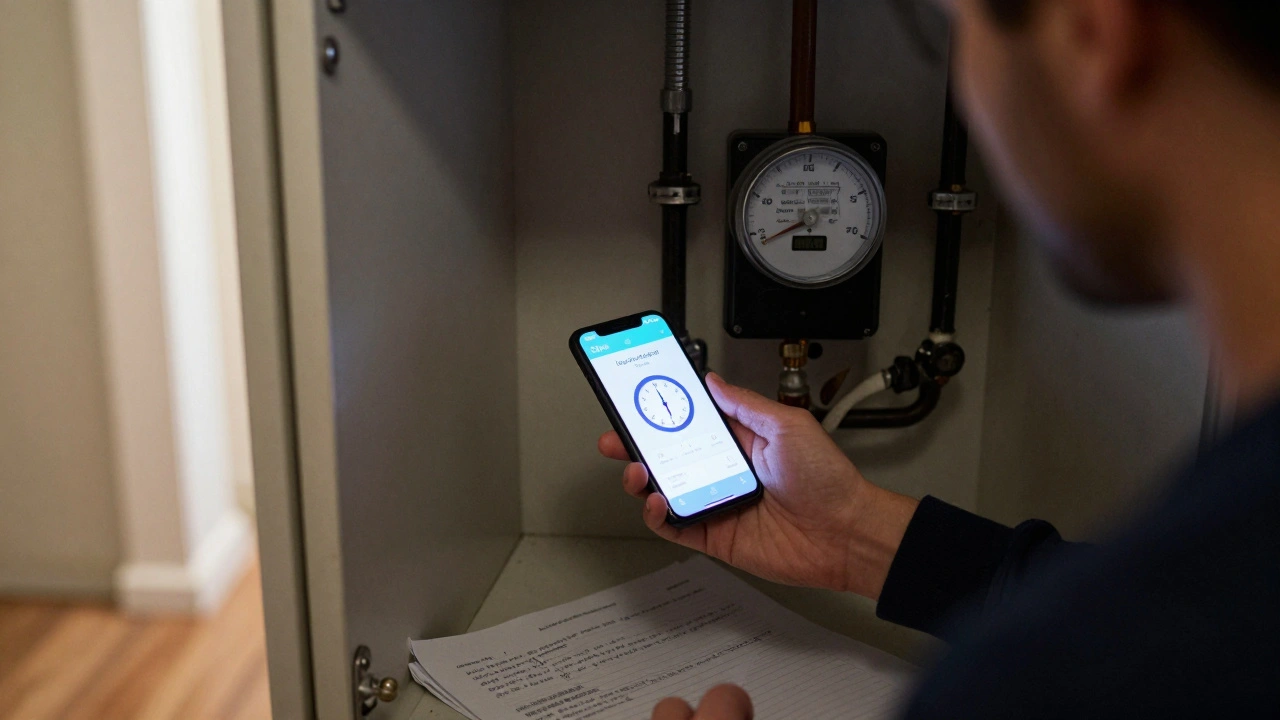
When you’re moving out of a rented property in the UK, closing your utilities isn’t just a formality-it’s one of the most common reasons tenants lose part or all of their deposit. Landlords and letting agents check utility accounts before releasing funds. If you leave them open, unpaid, or incorrectly transferred, you’ll get hit with charges you didn’t even use. And worse-you might not get your money back.
Why Utility Closure Matters More Than You Think
It’s not just about paying what you owe. It’s about proving you didn’t leave behind any outstanding bills. Landlords don’t care if you paid your gas bill last month-they care if the account was officially closed under your name. If the supplier still lists you as the responsible party, they can chase you for months-even if the next tenant used the service.
Every year, the Citizens Advice Bureau handles over 40,000 cases where tenants are wrongly billed after moving out. Most of these happen because the tenant didn’t take a final meter reading or didn’t notify the supplier in writing. It’s not enough to just turn off the power. You need to close the account properly.
Step-by-Step: How to Close Utilities Before Moving Out
Start at least two weeks before your move-out date. Here’s what you need to do for each utility:
- Gas: Take a final meter reading on your last day. Send it to your supplier via their website, app, or phone. Ask for confirmation email. Do not assume they’ll read it themselves.
- Electricity: Same as gas. If you have a smart meter, check your app for the final reading. Still, send it manually. Smart meters don’t always auto-report to the supplier when you leave.
- Water: Water companies don’t always require meter readings, but you still need to notify them. Provide your move-out date and forwarding address. Some suppliers send final bills based on estimated usage-this is where you get caught out.
- Internet and TV: These are often the easiest to cancel. But don’t wait until the last day. Cancel at least 10 days before. Many providers charge full monthly fees even if you stop using the service mid-cycle.
- Phone landline: If you have one, cancel it. Even if you don’t use it, it’s still a bill waiting to happen.
Always get written confirmation. Emails, portal messages, or letters are your proof. Texts and phone calls aren’t enough. If the supplier says they’ll handle it, ask them to email you a summary of the closure.
Final Bills: What to Expect and When
Final bills don’t always arrive immediately. Some suppliers take 4-8 weeks to process your closure. That’s normal. But here’s the catch: if you don’t pay, they’ll send the debt to collections. And that affects your credit score.
Don’t panic if your final bill is higher than expected. Water companies often use estimated usage if you didn’t provide a reading. Gas and electricity bills can spike if you left during winter. You’re only responsible for what you used. If the bill looks wrong, challenge it. Provide your final meter reading and move-out date as evidence.
Some suppliers will ask you to pay by direct debit even after closure. Don’t let them. Once the account is closed, no payments should be taken. If money is taken after closure, request a refund immediately. Keep a record of all communication.
Deposits and Utility Debts: The Landlord’s Legal Right
Your deposit is protected by law under the Tenancy Deposit Scheme (TDS) in England and Wales, or equivalent in Scotland and Northern Ireland. But landlords can legally deduct money from it to cover unpaid utility bills-if those bills are linked to your tenancy.
Here’s how it works: if your gas supplier sends a final bill for £120 after you’ve moved out, and you haven’t paid it, your landlord can deduct that amount from your deposit. They don’t need to prove you used the gas-they just need to show the bill was issued under your name and remained unpaid.
That’s why you must close everything. Even if you think you paid everything, if the account wasn’t officially closed, the supplier can still bill you-and your landlord can take the money from your deposit.
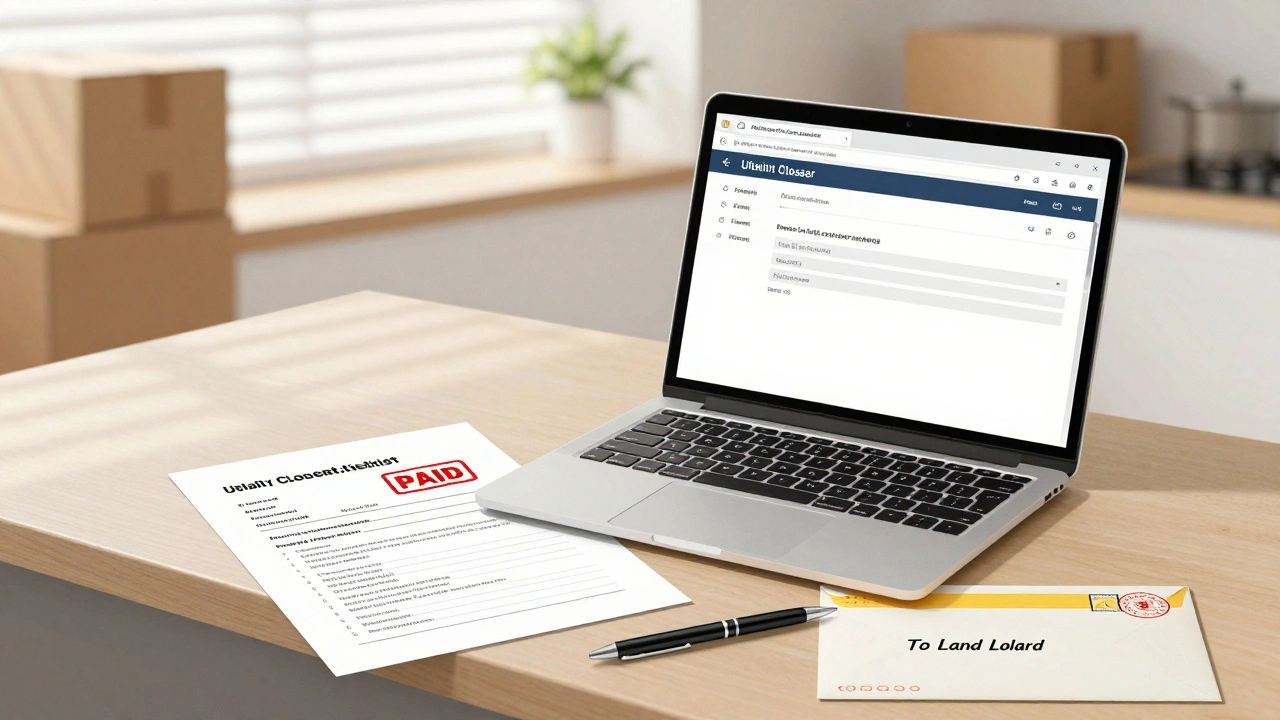
What If Your Landlord Withholds Your Deposit?
If your landlord says they’re keeping part of your deposit for utilities, they must provide:
- Proof of the final bill (copy of invoice)
- Proof the bill was issued under your name
- Proof you didn’t pay it
- Proof they gave you a chance to pay before deducting
If they can’t provide all four, the deduction is invalid. You can dispute it through the Tenancy Deposit Scheme’s free mediation service. Over 60% of disputes in 2024 were resolved in the tenant’s favor because landlords couldn’t prove their claims.
Keep all your closure confirmations, final meter readings, and payment receipts in one folder. Digital copies are fine. If your landlord tries to deduct for a bill you already paid, show them your bank statement and supplier confirmation. That’s all it takes to win the dispute.
Common Mistakes That Cost Tenants Their Deposit
Here are the top five mistakes people make-and how to avoid them:
- Assuming the landlord will close utilities. They won’t. It’s your responsibility.
- Waiting until the last day. Suppliers need time to process. Close at least 10 days before.
- Not taking a meter reading. Estimated bills are your enemy. Always take and send your own reading.
- Ignoring water bills. Water companies are the biggest culprits for surprise charges. Don’t skip them.
- Not keeping proof. Emails, screenshots, and letters are your armor. Save them all.
What About Council Tax?
Council tax isn’t a utility, but it’s often grouped with them. You’re responsible for council tax until the day you move out. Notify your local council immediately. If you move out on the 15th, you’re only liable for the first 15 days of that month. Many tenants overpay because they don’t update their details.
Get a confirmation email from the council that your liability ended on your move-out date. If you’re moving into another property, register there right away. Gaps in registration can lead to fines or backdated bills.

What If You’re Moving Abroad?
If you’re leaving the UK permanently, close everything the same way-but add one more step: update your forwarding address with all suppliers. Even if you’re not coming back, they can still bill you. Some suppliers will close your account only if they know you’ve left the country. Send a letter or email saying: “I am permanently relocating outside the UK on [date]. Please close my account and send any final bill to [email].”
Don’t forget to cancel direct debits. Even if the account is closed, the payment method might still be active. Log into each supplier’s portal and remove your bank details.
Final Checklist: Before You Hand Over the Keys
Use this before you walk out the door:
- ✅ Took final meter readings for gas, electricity, water
- ✅ Sent readings to all suppliers in writing
- ✅ Cancelled internet, TV, landline with written confirmation
- ✅ Notified water company of move-out date
- ✅ Updated council tax records
- ✅ Removed direct debit authorizations from all accounts
- ✅ Saved all confirmation emails and receipts
- ✅ Checked bank account for any post-move-out payments
If you check all these boxes, you’ve done more than 90% of tenants. You’ve protected your deposit, avoided surprise bills, and cleared your name from any future liability.
What Happens If You Forget Something?
If you realize after moving out that you missed closing a utility, act fast. Contact the supplier immediately. Provide your move-out date and final reading. Most will adjust the bill if you come forward quickly. If they’ve already sent the bill to your landlord, send them your proof and ask them to update their records.
Don’t wait. The longer you wait, the harder it is to fix. After 30 days, suppliers often pass debts to collection agencies. And once that happens, your credit score takes a hit-even if you were never late on purpose.
Do I need to close utilities even if I’m not the account holder?
Yes. If your name is on the bill-even as a secondary name-you’re legally responsible. Landlords can deduct unpaid utility bills from your deposit if your name appears on the supplier’s records. Always confirm who is listed as the account holder and get your name removed or the account closed.
Can my landlord charge me for utilities after I’ve moved out?
Only if you left unpaid bills under your name. If you closed your accounts properly and paid all final bills, they cannot charge you. Landlords cannot charge for usage after your tenancy ended unless they can prove you were still responsible for the account. Always keep proof of closure.
How long do I have to pay a final utility bill after moving out?
Most suppliers give you 30 days from the date of the bill. Some allow up to 60 days. Check the invoice. If you’re unsure, call them and ask for the payment deadline. Never ignore it-even if you’re moving abroad. Unpaid bills can lead to debt collection and damage your credit history.
What if I can’t get a final meter reading?
If the meter is inaccessible (e.g., locked in a cupboard or behind furniture), take a photo of the meter with your phone showing the date and your name. Send it to the supplier with a note explaining the issue. Ask them to estimate based on your usage history. Keep the photo as proof. This is better than leaving it blank.
Should I leave my utilities on for the next tenant?
No. Never leave utilities active under your name. The next tenant should set up their own accounts. If you leave them on, you remain liable for any charges. Even if you think they’ll pay, it’s not your responsibility. Close everything and let them start fresh.
Next Steps: Protect Your Deposit
Before you hand over the keys, make sure your final utility bills are paid and your accounts are closed. Save every email, every receipt, every screenshot. When you get your deposit back, you’ll be glad you did.
If you’re unsure about anything, contact your local Citizens Advice office. They offer free, confidential advice on tenancy issues-including utility closures and deposit disputes. Don’t risk losing hundreds of pounds because you didn’t take 20 minutes to close an account properly.