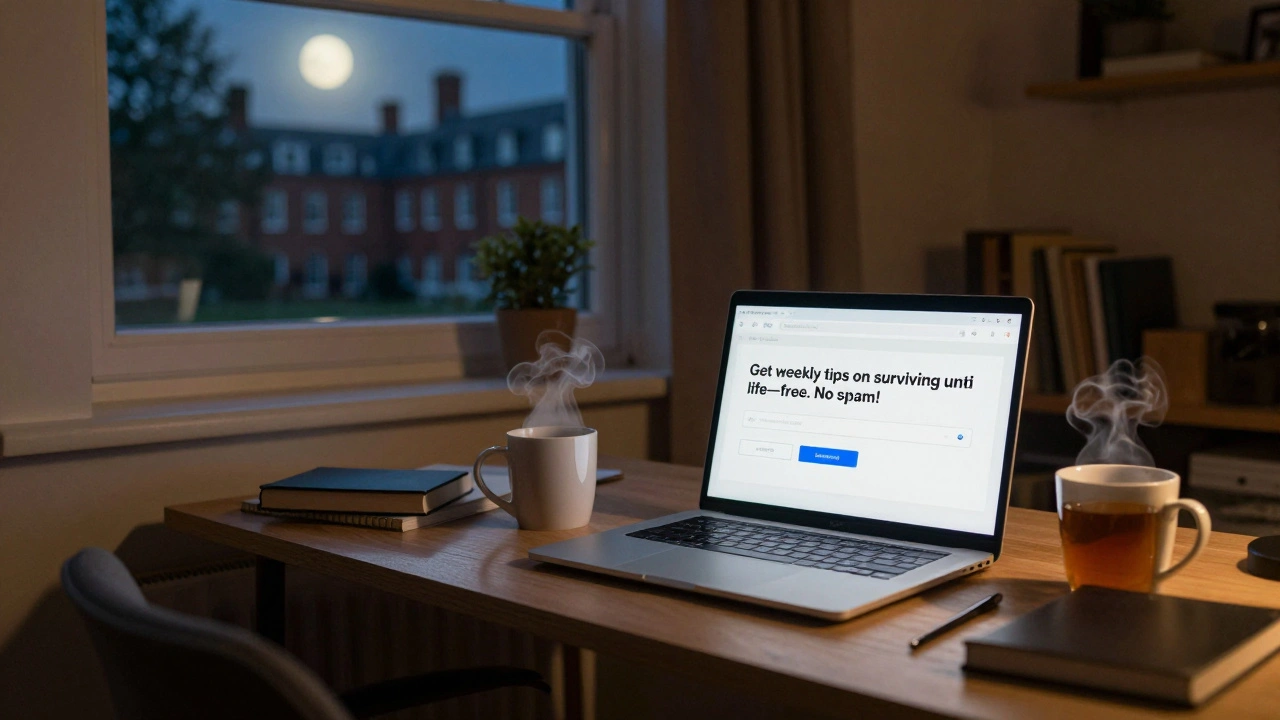
Most UK student bloggers think their blog will grow on its own. They post once a week, share on Instagram, and wait. Nothing happens. The truth? Your blog won’t grow unless you build a direct line to your readers. That line is an email newsletter. It’s not fancy. It’s not complicated. But it’s the most reliable tool you have to turn casual readers into loyal fans.
Why Email Works Better Than Social Media for Student Blogs
Social media is a maze. Instagram changes its algorithm every three months. TikTok pushes short videos over long-form content. Twitter (now X) is noisy. Your blog post might get 50 views one day and 5 the next. Email doesn’t play games. When someone signs up for your newsletter, they’re saying, "I want to hear from you." No algorithm can block that. They’ll see your update in their inbox-whether they’re on the bus, in the library, or lying in bed at 2 a.m. studying.
Think about it: if you’re a student writing about budget meals, exam hacks, or hostel life, your readers are probably stressed, tired, or short on time. They don’t want to scroll. They want one clear message delivered straight to them. That’s what email does.
How to Set Up Your First Email Newsletter in Under an Hour
You don’t need coding skills or a marketing degree. Here’s how to do it in under 60 minutes:
- Choose a free tool: Use Mailchimp is a free email marketing platform that lets you send up to 10,000 emails per month to 500 subscribers. It’s beginner-friendly and works on any device. Substack is another option that turns your blog into a newsletter-first platform, ideal for long-form writing. Both have free plans.
- Write your first signup form: Add a pop-up or a simple box at the bottom of your homepage. Say: "Get weekly tips on surviving uni life-free. No spam. Just real advice from a fellow student." Don’t overpromise. Be honest.
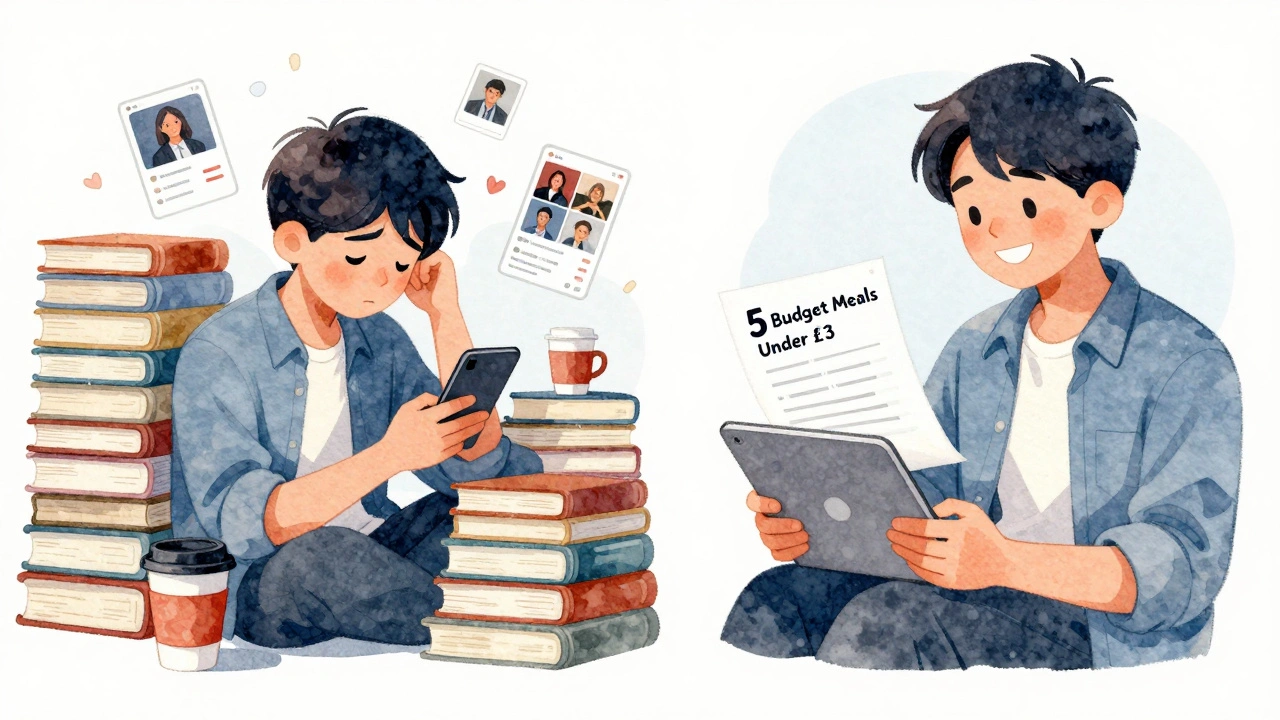
- Design a welcome email: As soon as someone signs up, send them a message. Thank them. Tell them what to expect. Include one freebie: a PDF checklist like "5 Budget Meals Under £3" or "How to Study 3 Hours Without Burning Out". This builds trust fast.
- Start sending weekly: Pick one day-say, Sunday night-and send a short email. 200 words max. One tip. One story. One link to your latest blog post. Consistency beats perfection.
What UK Student Bloggers Are Actually Writing About
Not all student blogs are the same. The most successful ones in the UK focus on real, local problems:
- Budgeting for students: How to stretch your maintenance loan. Where to find free food on campus. How to avoid overdraft fees.
- Exam survival: What to do when you’ve studied for 12 hours and still feel lost. How to use Anki without quitting your part-time job.
- Student housing: Dealing with noisy flatmates. How to negotiate repairs. What your contract really means.
- Part-time jobs: Best gigs for students. How to balance work and lectures. Where to find listings outside of Indeed.
- Mental health: When to ask for help. How to talk to your tutor. Free university counselling you didn’t know about.
These topics work because they’re specific. They’re not "how to study better." They’re "how to pass your econometrics exam when you’ve missed three lectures and your cat ate your notes." That’s the kind of content people share.
How to Grow Your List Without Buying Ads
You don’t need to spend a penny. Here’s how real UK student bloggers grew their email lists:
- Ask your classmates: After a lecture, say: "Hey, I run a blog on student tips. Want me to email you my checklist on finding cheap textbooks?" Most say yes. You’ll get 10-20 signups in one day.
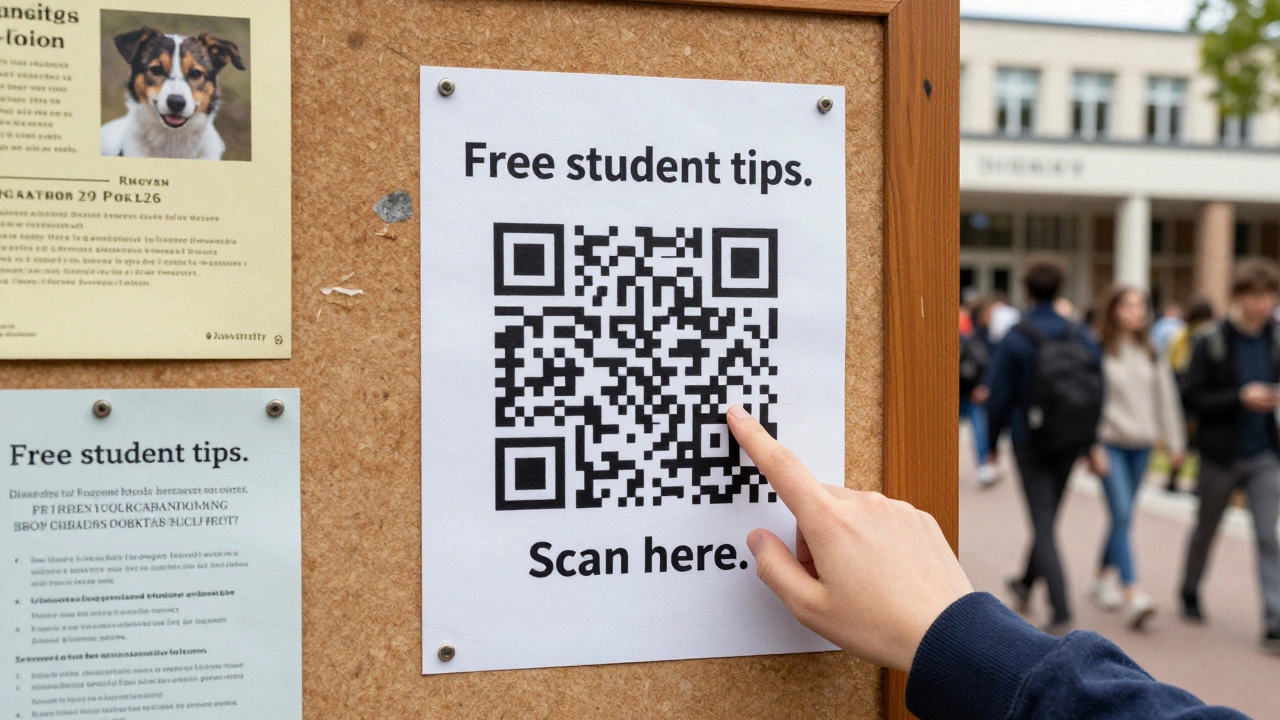
- Use your university’s notice boards: Print a QR code that links to your signup page. Put it on the library bulletin board, the student union, or the coffee shop near your dorm. Use a simple design: "Free student tips. Scan here."
- Collaborate with other student bloggers: If someone writes about student travel, ask them to mention your newsletter in their next post. Offer to do the same. No money needed.
- Run a simple giveaway: "Sign up this week and I’ll send you a free Notion template for planning your semester." It costs you nothing but time.
How to Keep People Reading (and Not Unsubscribing)
People unsubscribe for one reason: they feel like they’re being sold to. Your newsletter isn’t a sales pitch. It’s a conversation.
Here’s how to keep them hooked:
- Be human: Write like you talk. "I failed my first econ exam. Here’s what I did differently." That’s powerful.
- Keep it short: 3-5 paragraphs max. If you’re writing a 1,000-word essay, link to your blog. Don’t copy-paste it.
- Ask for feedback: Every month, ask: "What’s your biggest struggle right now?" Use their answers to plan your next post.
- Don’t overdo it: Once a week is enough. Two emails a week feels like spam. One every two weeks feels forgotten.
What Happens When You Actually Do This
Take Sam, a second-year student at the University of Manchester. She started a blog about surviving student life on a £9,000 maintenance loan. She set up a Mailchimp list. Sent one email a week. After three months, she had 1,200 subscribers. Not because she was viral. But because she showed up, week after week, with real advice.
One of her emails-"How I Got Free Meals from My University’s Cafeteria Without a Meal Plan"-got shared by 47 people. That led to 300 new signups in one day.
Today, she’s getting invited to speak at student events. She’s partnered with a local grocery chain to offer discounts to her readers. She didn’t need money. She just needed to show up.
Start Small. Stay Consistent.
You don’t need to write a novel. You don’t need fancy graphics. You just need to send one email every week. Talk to your readers like a friend. Share what you’re learning. Admit when you’re struggling. That’s what makes people stick around.
Set up your newsletter today. Not tomorrow. Today. Even if it’s just three lines. Even if you’re nervous. The first email is the hardest. After that? It gets easier.
Your readers are waiting. They just need you to say: "I’ve got something for you."
Do I need to pay for an email service as a student?
No. Tools like Mailchimp and Substack offer free plans that let you send emails to hundreds of subscribers. You only pay if you hit their limits-like more than 500 subscribers or over 10,000 emails per month. Most student blogs never get there.
How often should I send emails?
Once a week is ideal. It’s frequent enough to stay top of mind, but not so often that you feel like spam. If you’re busy during exam season, switch to every two weeks. Consistency matters more than frequency.
What if I don’t have anything interesting to say?
You don’t need to be profound. Just be honest. Share what you learned in your last lecture. Tell them how you fixed your broken laptop for £10. Ask your readers what they’re struggling with. Most of the time, their answer becomes your next post.
Can I use my university email for this?
Don’t. University emails are often blocked by spam filters. They also get deleted when you graduate. Use a free service like Mailchimp or Substack-they give you a custom domain (like newsletter.yourblog.com) and keep your list safe.
Should I include links to my blog posts?
Yes-but only one per email. Don’t dump five links. Pick the one that solves the biggest problem for your readers right now. Make it clear why they should click. Example: "This post helped 800 students avoid a £300 overdraft fee. Here’s how."
What’s the best time to send emails?
Sunday evening, around 7-9 p.m., works best for students. That’s when they’re planning the week ahead. Avoid Monday mornings-they’re overwhelmed. And never send on weekends unless it’s a quick tip or a fun update.