
Key Takeaways for Student Drivers
- International students can usually drive on their home license for up to 12 months.
- You must notify the DVLA if you change your address.
- Car sharing is a great way to split fuel costs, but check your insurance first.
- Insurance for young drivers is expensive; look into "black box" policies.
- Always carry a valid ID and your insurance certificate.
Navigating the Legal Stuff: Your Licence
First things first: can you actually drive? If you're an international student, you're generally in luck. In most cases, you can use your valid foreign driving licence to drive in the UK for up to 12 months from the date you entered the country. DVLA is the Driver and Vehicle Licensing Agency, the government body responsible for maintaining the register of licensed drivers and vehicles in Great Britain. They set the rules for who can be on the road and what documents you need to carry.
However, just having a plastic card from your home country might not be enough. Depending on where you're from, you might need an International Driving Permit (IDP) a translation of your national driving licence that is recognized globally to help police and authorities verify your credentials. If your home licence isn't in English, an IDP is a lifesaver. It prevents a lot of headaches during routine police stops or when renting a car from companies like Hertz or Enterprise.
Once that 12-month window closes, you have to swap your foreign licence for a UK one. This isn't always a simple swap. Depending on whether your country is "designated" by the UK government, you might be able to trade it in without taking a test, or you might have to sit through both the theory and practical exams. Don't leave this until the last week of your visa; the backlog at test centers can be brutal, sometimes stretching several months.
The High Cost of Student Insurance
Here is the part where most students hit a wall: UK driving licence for students and the associated insurance costs. In the UK, insurance companies view students-especially those under 25-as high-risk. You'll find that the cost of insuring a car can sometimes be as high as the cost of the car itself for the first year.
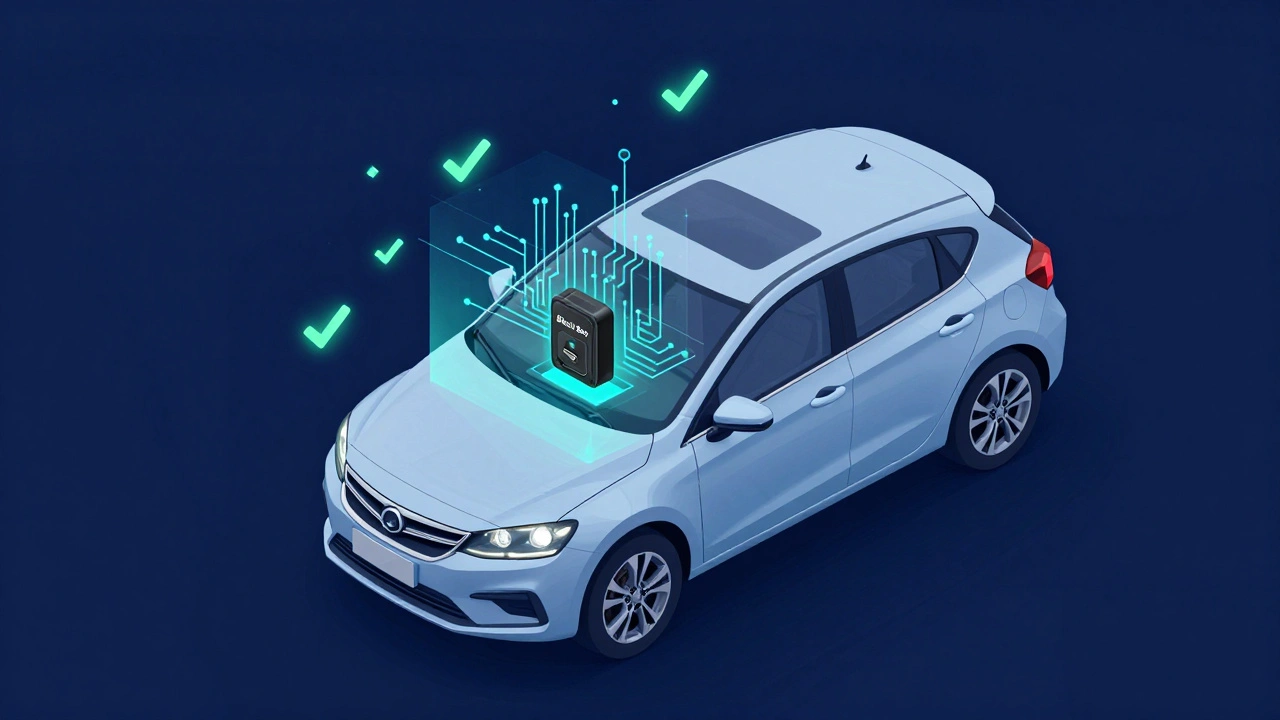
To get the price down, many students opt for Telematics Insurance a type of car insurance, often called "black box" insurance, that monitors driving behavior like speed and braking to determine premiums. By installing a device in the car, you prove you're a safe driver, which can slash your monthly payments. Just be aware that if you're constantly braking hard or speeding at 2 AM, your premium might actually go up.
| Policy Type | Cost | Pros | Cons |
|---|---|---|---|
| Standard Comprehensive | Very High | Full coverage, no monitoring | Expensive for under-25s |
| Telematics (Black Box) | Medium | Lower costs for safe drivers | Privacy concerns, strict rules |
| Third Party Only | Low | Cheapest legal option | Your own car isn't covered |
Smart Car Sharing for Campus Life
Since owning a car is a financial drain, car sharing is the go-to move for students. But there's a big difference between "sharing a ride" and "sharing a car." If you're just hitching a ride with a classmate to a grocery store in a nearby town, that's simple. But if you're rotating who drives a shared vehicle, you're entering the world of Joint Ownership a legal arrangement where two or more people share the title and responsibility of a vehicle. This requires a specific type of insurance policy that lists multiple drivers.
If you're looking for something more flexible, look into Car Clubs membership-based services where users can book cars for short periods via an app, common in UK university cities. Companies like Zipcar or Enterprise Car Club are popular because they include insurance and fuel in the price. It's often cheaper than paying for parking, taxes, and MOT tests on a permanent vehicle.
When sharing a car with friends, create a simple agreement. Who pays for the VED the Vehicle Excise Duty, commonly known as road tax, which is a mandatory annual fee paid to the government? Who handles the MOT Test the annual Ministry of Transport test that ensures a vehicle is roadworthy and meets environmental standards? Unexpected repairs can ruin a friendship quickly; having a shared "maintenance pot" of money is a pro move.
Avoiding Common Pitfalls on UK Roads
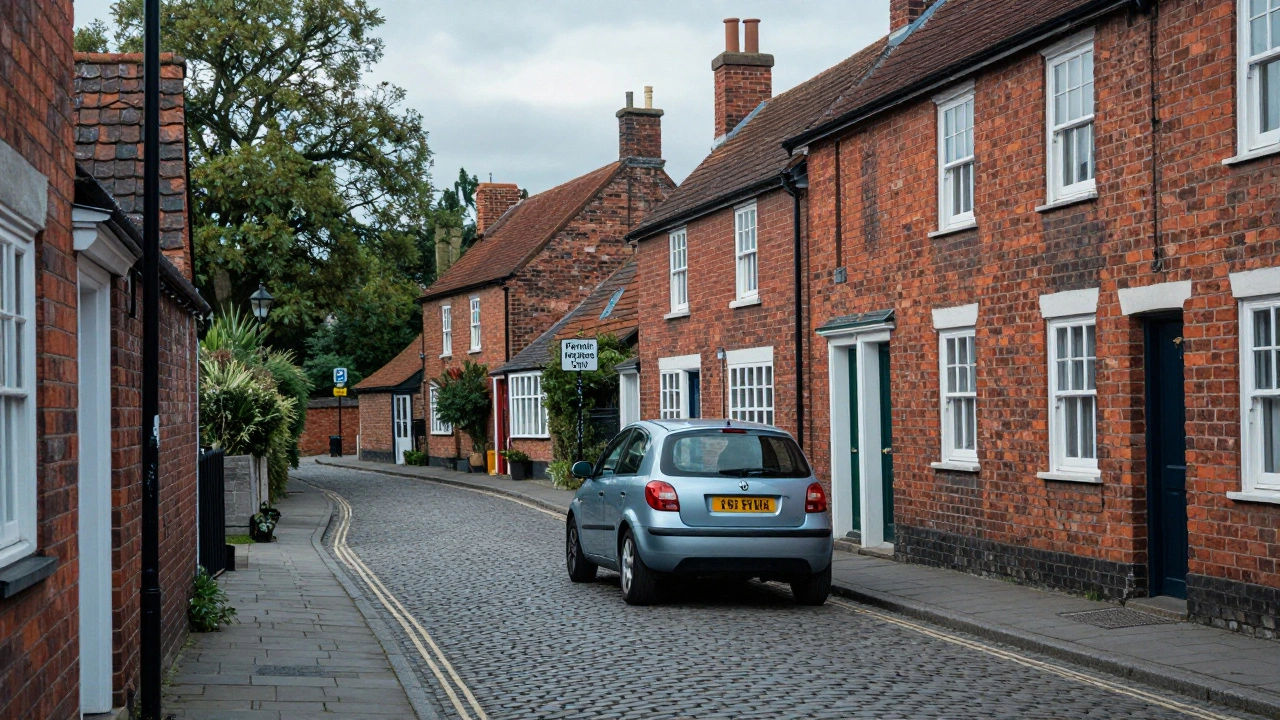
If you're coming from North America or Europe, the biggest shock is obviously driving on the left. But it's not just the side of the road-it's the narrowness of the streets. In many UK student towns, roads were built for horses, not SUVs. You'll encounter "single-track' roads where you have to use passing places to let others through. If you don't, you'll end up in a very awkward standoff with a local who knows the road better than you do.
Parking is another nightmare. Many universities have strict permits, and city councils are aggressive with PCNs Penalty Charge Notices, which are fines issued for parking violations or entering restricted zones. Always read the signs. "Permit holders only" doesn't mean "only during business hours" unless it explicitly says so. A £60 fine is a lot of missed lunches.
Also, be mindful of the ULEZ the Ultra Low Emission Zone, a regulation in London and other cities that charges drivers of older, more polluting vehicles to enter. If you buy a cheap, old diesel car to save money, you might find it costs you £12.50 every single day just to drive into the city center. Check the vehicle's emissions rating before buying.
Checklist for First-Time Student Drivers
- Check if your home licence is recognized by the DVLA.
- Apply for an International Driving Permit if needed.
- Get at least three different insurance quotes (compare Telematics vs. Standard).
- Verify if the car you're buying/sharing is ULEZ compliant.
- Confirm the car has a valid MOT certificate.
- Set up a shared spreadsheet for fuel and maintenance costs if car-sharing.
Can I use my US license to drive in the UK for a whole year?
Yes, generally you can drive on a valid US license for up to 12 months from the date you arrive. After that, you must apply for a UK license through the DVLA.
Is car sharing legal if I'm not the owner of the car?
It is legal as long as you are insured to drive that specific vehicle. "Driving other cars" extensions on some policies exist, but they usually provide only minimum legal cover. It's much safer to be added as a named driver on the policy.
What is the cheapest way to get car insurance as a student?
Telematics (Black Box) insurance is usually the cheapest for young drivers. Additionally, adding an experienced driver (like a parent) as a secondary named driver can sometimes lower the premium.
Do I need a special permit to park on campus?
Most UK universities require a parking permit for students. These are usually applied for through the student portal. Be careful, as campus security often fines unauthorized vehicles.
What happens if I get a parking ticket (PCN)?
You should pay it as soon as possible. If you pay within 14 days, the fine is usually discounted by 50%. If you ignore it, the cost increases significantly and can eventually lead to bailiffs.
Next Steps and Troubleshooting
If you're still unsure about your licence status, the best move is to visit the official GOV.UK website and use their licence checker tool. If you're struggling with insurance costs, look for "student car insurance」 deals specifically marketed to university students, as some firms offer discounts for certain degrees (like engineering or medicine) because they statistically correlate with safer driving.
For those who find the cost of car ownership too high, consider a hybrid approach: use a bike or public transport for daily commutes and use car clubs or rentals for weekend trips. This avoids the long-term costs of VED, MOTs, and depreciation, letting you focus your budget on your studies instead of car repairs.