
The Disabled Students' Allowance is not a grant or a loan in the traditional sense. You don't have to pay it back, and it doesn't affect your other student finance. It's a targeted support system that pays for the extra gear and help you need because of your specific circumstances.
Quick Takeaways
- DSA covers specialist equipment, software, and non-medical helpers.
- You can apply for it regardless of your household income.
- The process involves a medical evidence stage and a needs assessment.
- It's available for most undergraduate and postgraduate courses in the UK.
- You can apply for it even after your course has already started.
What exactly is the Disabled Students' Allowance?
At its core, Disabled Students' Allowance is a government-funded support package for students in higher education who have a disability, long-term health condition, or learning difficulty. It is managed by Student Finance England (or the equivalent bodies in Scotland, Wales, and Northern Ireland).
Unlike your maintenance loan, which goes into your bank account for rent and food, DSA doesn't give you cash. Instead, it pays for the specific tools you need. For example, if you have a visual impairment, it might pay for a screen reader. If you have ADHD, it might fund a specialist note-taker. It’s all about removing the barriers that make studying harder for you than it is for your peers.
Who is actually eligible for DSA?
You might think you don't 'qualify' because your condition isn't visible. That's a common misconception. Eligibility isn't based on how 'severe' a disability looks, but on how it affects your ability to study. You can qualify if you have:
- Learning difficulties like Dyslexia, dyscalculia, or dyspraxia.
- Mental health conditions, such as severe depression, anxiety, or OCD.
- Physical disabilities or long-term health conditions, including multiple sclerosis, Crohn's disease, or chronic fatigue syndrome.
- Sensory impairments, such as being blind, partially sighted, or deaf.
- Neurodivergent conditions like Autism Spectrum Disorder.
Crucially, you don't need to have a formal diagnosis before you apply, though it makes the process much faster. If you suspect you have a condition, your university's disability service can often help you get the right paperwork in order. Also, remember that your family's income doesn't matter here; the support is based solely on your needs.
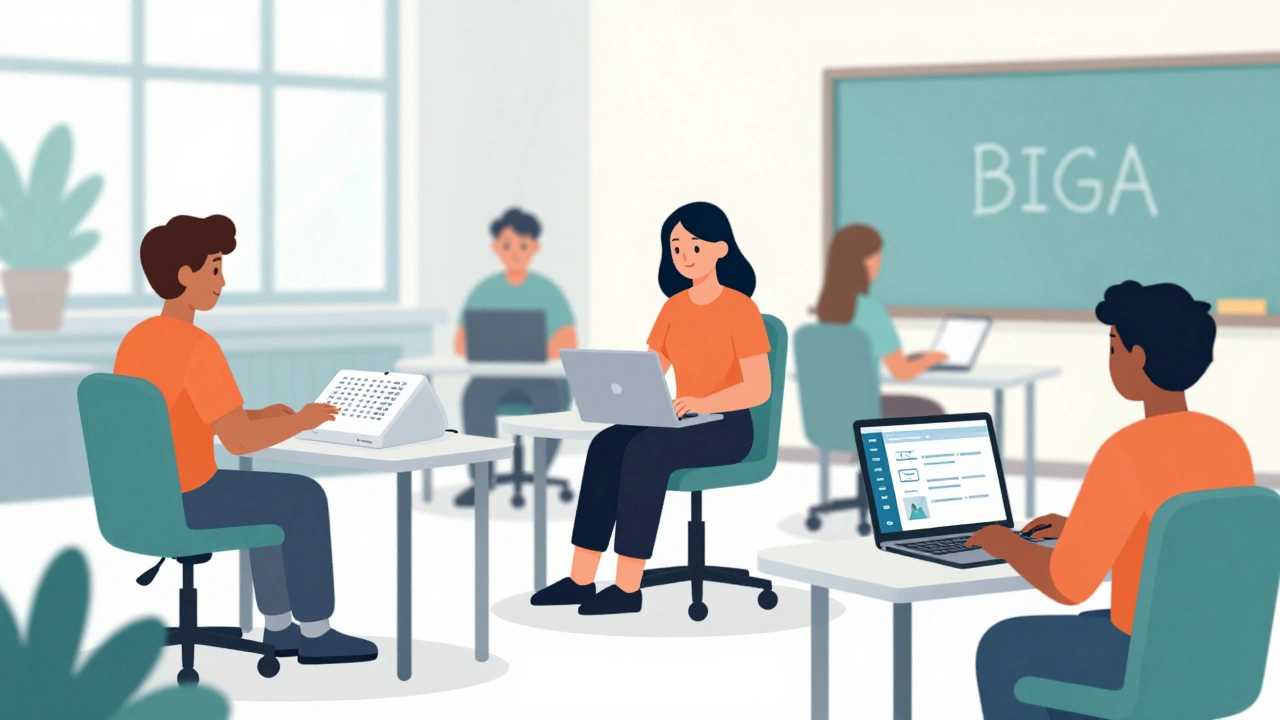
The Step-by-Step Application Process
Applying for DSA can feel like a bureaucratic mountain, but it's manageable if you break it down. Here is the actual path you'll follow:
- The Initial Application: You start by applying through your student finance portal (like SFE). You'll tick a box stating you have a disability or health condition.
- Medical Evidence: You'll need to provide a doctor's letter or a diagnostic report. This isn't an exam; it's just proof that the condition exists.
- The Needs Assessment: Once your application is processed, you'll be contacted by a regional center to book a Needs Assessment. This is a conversation with a professional who looks at your course, your living situation, and your struggles to figure out what tools will actually help.
- The Entitlement Letter: After the assessment, you'll receive a letter listing everything the government will pay for.
- Ordering Equipment: You'll take that letter to a approved supplier to get your laptop software or specialized hardware.
| Support Category | Example Tools/Services | Who it Usually Helps |
|---|---|---|
| Specialist Software | Text-to-speech, Mind-mapping tools | Dyslexia, ADHD |
| Non-Medical Helpers | Specialist mentors, Sign language interpreters | Autism, Deafness |
| Equipment | Ergonomic chairs, Braille displays | Physical disabilities, Visual impairment |
| Course Materials | Digital versions of textbooks, Braille prints | Visual impairment, Dyslexia |
What can you actually get funded?
The range of support is surprisingly broad. It’s not just about laptops. For a student with ADHD, the funding might cover a specialist mentor who meets with them once a week to help with time management and organization. For someone with severe anxiety, it might be a specialized support worker.
In terms of hardware, you can get ergonomic equipment if you have a spinal injury or arthritis. You might also get funding for a digital recorder so you don't have to stress about catching every word during a fast-paced lecture. It's important to note that DSA won't buy you a standard laptop for general use, but it will pay for the 'specialist' parts of it-like a specific operating system or high-end software-and sometimes contributes to the cost of the machine if it's essential for the software to work.
Common Pitfalls and How to Avoid Them
The biggest mistake students make is waiting until they are halfway through their first term to apply. The process takes time-sometimes weeks or months from the first click to the equipment arriving. If you wait, you're spending those first critical months struggling without support.
Another trap is not being honest during the Needs Assessment. Some students feel the need to 'downplay' their struggles because they want to seem capable. Don't do that. The assessor isn't judging your intelligence; they are looking for gaps in your accessibility. If you say 'I can mostly manage' when you actually spend four hours on a task that takes others one, you won't get the funding you deserve.
How DSA Interacts with University Support
It is vital to understand that DSA is separate from your university's internal disability services. While DSA pays for the tools, the university provides the adjustments.
For example, DSA might pay for a software program that reads text aloud. Your university, via a 'Learning Support Agreement' or 'Reasonable Adjustments' plan, provides the extra 25% time in an exam or allows you to record lectures. You need both. If you have a great laptop but the professor won't let you record the class, the laptop is only half as useful. Make sure you are talking to both the government body and your campus disability officer.
Funding for Postgraduate Students
If you're heading into a Master's or a PhD, the rules change slightly. You can still get DSA, but the way you apply might differ depending on whether your course is funded by a research council or if you're self-funded. For PhD students, the focus often shifts more toward specialized research equipment. Whether you're doing a one-year conversion course or a four-year doctorate, the core principle remains: the funding is there to ensure your academic success is based on your brainpower, not your physical or mental limitations.
Does DSA affect my student loan or grants?
No. DSA is an additional support package. It does not reduce your maintenance loan, nor does it count as income that would affect your eligibility for other grants or bursaries. It is purely there to cover the extra costs associated with your disability.
Do I have to pay back the money used for my equipment?
No, the Disabled Students' Allowance is not a loan. You do not have to pay back the cost of the software, equipment, or the hours provided by non-medical helpers.
What happens if my condition changes during my degree?
You can apply for a 're-assessment.' If your health worsens or you receive a new diagnosis, you can go back to the DSA process to update your equipment and support package to match your current needs.
Can I get DSA if I'm an international student?
Generally, DSA is for students with a 'settled' status in the UK (like UK nationals or those with indefinite leave to remain). International students usually cannot access DSA and should instead contact their university's international student support office for alternative accessibility arrangements.
What if I don't have a formal diagnosis yet?
You can still apply. You might be asked to provide a letter from a GP or a counselor describing your symptoms and how they impact your studies. The DSA process can sometimes even help you get the evidence needed for a formal diagnosis through the assessment phase.
Next Steps and Troubleshooting
If you're feeling overwhelmed, start with one simple action: book an appointment with your university's disability coordinator. They have seen hundreds of students go through this and can tell you exactly which documents you need for your specific course.
If your application is rejected, don't panic. You have the right to appeal. Often, a rejection happens because the medical evidence wasn't specific enough-for example, a doctor saying 'they have anxiety' without explaining that this anxiety prevents them from attending seminars. If that happens, go back to your GP, show them the rejection, and ask for a more detailed letter that focuses on the impact of the condition on your learning.