You’ve just handed back your keys. The landlord’s agent walks in, puts on their white gloves, and starts pulling out drawers you swore were empty. Your £1,200 deposit hangs in the balance, determined by whether or not you scrubbed behind the oven rack properly. For most students in the UK, this isn’t a nightmare scenario; it’s the standard reality of moving out.
Getting your full deposit back is rarely about luck. It’s about knowing exactly what an inventory clerk looks for when they compare your move-out photos against the move-in report. Most disputes aren’t about massive damage; they’re about accumulated grime that regular weekly tidying misses. This guide breaks down the specific areas agents penalize, giving you actionable checklists to ensure your flat passes inspection without a fight.
The Deposit Protection Reality
Before you pick up a sponge, understand the rules. In England and Wales, landlords must protect your deposit in a government-approved scheme like DPS (Deposit Protection Service), MyDeposits, or TDS (Tenancy Deposit Scheme). These bodies adjudicate disputes based on evidence, not vibes. If you can prove the property was returned in the same condition as at the start-minus fair wear and tear-you win.
Fair wear and tear is your friend. Faded carpet from sunlight? Fine. Scuff marks on walls from moving furniture? Usually acceptable. But black mold in the bathroom caused by poor ventilation? That’s often deemed tenant neglect if you didn’t open windows. Grease buildup on kitchen surfaces? That’s cleaning, not wear. The line is blurry, which is why over-cleaning is safer than under-cleaning.
Kitchen Deep Clean Checklist
The kitchen is where deposits go to die. Agents expect professional-level hygiene here because kitchens are high-traffic zones. Don’t just wipe the counters; dismantle the mess.
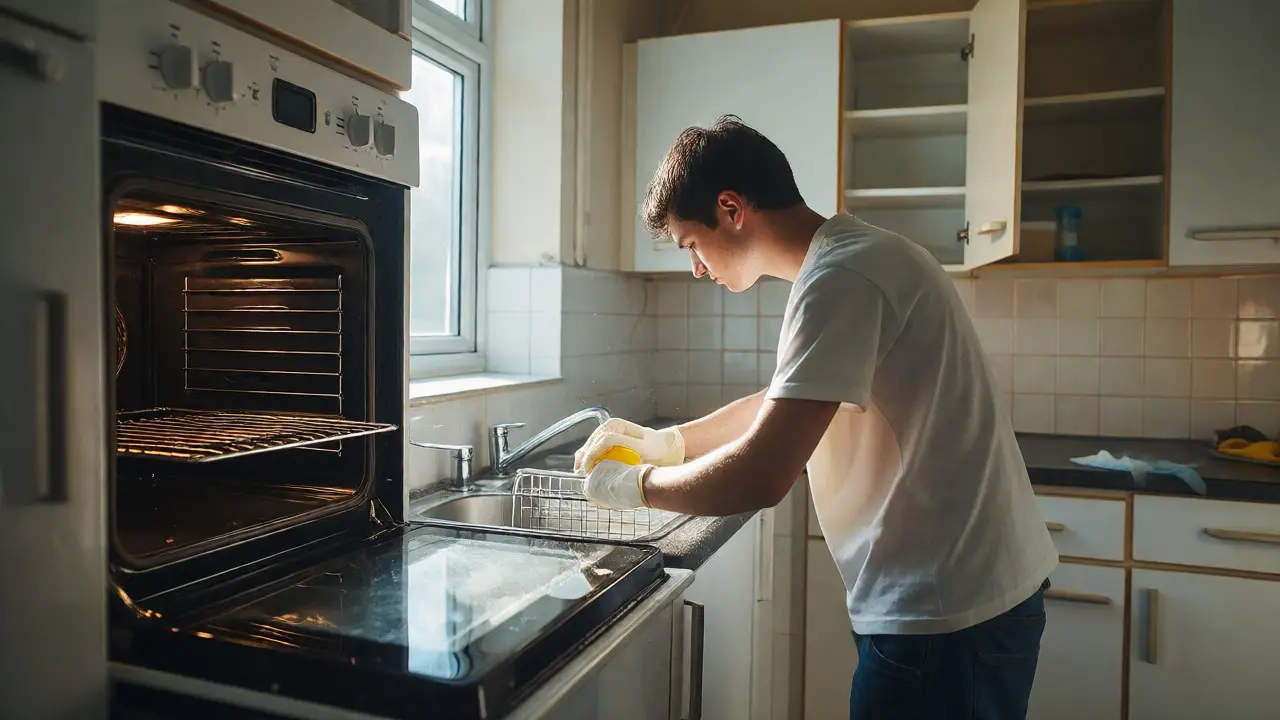
- Oven and Hob: Remove the oven racks. Soak them in hot water with washing powder overnight. Scrub the interior walls with a paste of baking soda and water. For the hob, lift the burners if possible. Grease traps around gas rings are common deduction points.
- Fridge and Freezer: Empty everything. Defrost the freezer completely. Wipe shelves with vinegar solution to kill odors. Leave the door slightly ajar to prevent mildew smells during the final days before handover.
- Cupboards and Drawers: Take out all liners. Wash the interiors. Check hinges for rust or loose screws. If you stuck hooks inside cupboards, remove them and fill any holes with filler.
- Tiles and Grout: Use a toothbrush and bleach-based cleaner for grout lines. Yellowed grout signals long-term neglect to inspectors.
- Sink and Drains: Run boiling water down drains to clear food particles. Polish chrome taps until they shine; limescale spots are easy deductions.
A pro tip: Photograph every corner after cleaning. If the agent claims the oven was dirty, you have timestamped proof it wasn’t.
Bathroom Hygiene Standards
Bathrooms require a different approach. Here, moisture control is key. Mold is the biggest enemy, and it thrives in poorly ventilated spaces. If you see black spots on silicone sealants, try to scrub them off. If they persist, acknowledge them in your handover notes rather than hiding them.
- Toilet: Clean the bowl, but also scrub the base where it meets the floor. Urine scale builds up here and is hard to remove later.
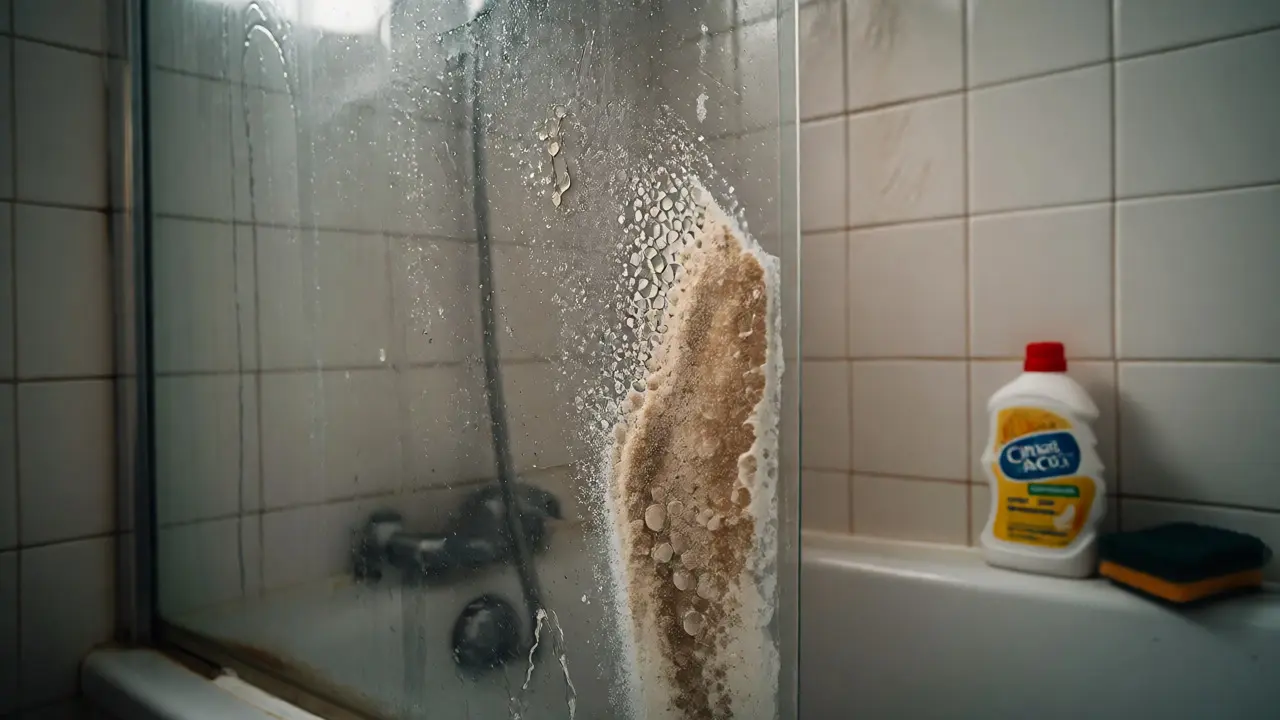
- Shower Screen: Limescale is inevitable in hard water areas like London or the South East. Use a citric acid descaler. Glass panels should be streak-free.
- Ventilation Fan: Dust the fan blades. A clogged fan suggests you never used it, leading to condensation issues.
- Mirror and Cabinet: Remove all personal toiletries. Wipe down the mirror frame and cabinet handles.
Check the extractor fan works. If it’s broken, note it. You can’t fix electrical faults, but you shouldn’t be charged for a broken fan unless you broke it.
Bedroom and Living Area Prep
These rooms are judged on cleanliness and structural integrity. Unlike kitchens, you don’t need sterilization, but you do need order.
| Area | Common Issue | Preventative Action |
|---|---|---|
| Carpets | Stains from drinks or makeup | Blot immediately; use enzyme cleaner for pet stains |
| Walls | Nail holes from posters | Use adhesive strips or fill holes with polyfilla |
| Windows | Condensation trails on sills | Wipe sills weekly; keep blinds closed during rain |
| Furniture | Water rings on tables | Use coasters; polish wood surfaces before leaving |
Carpet care is critical. If you had pets, steam cleaning might be mandatory per your contract. Even without pets, vacuum thoroughly, including under beds and sofas. If there are stubborn stains, consider hiring a local carpet cleaner for a day. It costs £30-£50 but saves hundreds in deductions.
External Spaces and Bin Stores
Students often forget the outside. If your tenancy includes a balcony, garden, or bin store access, these count.
- Balcony/Patio: Sweep away leaves and dirt. Check for cobwebs in corners. Ensure no litter blew out from your window.
- Bin Store: Clean up any spillages near your bins. Smelly bin stores attract fines for shared houses.
- Front Door: Wipe down the exterior door handle and letterbox.
If you share a front hall with other tenants, coordinate the clean. One person’s mess becomes everyone’s problem if the landlord decides to deduct from the joint liability.
The Final Walkthrough Strategy
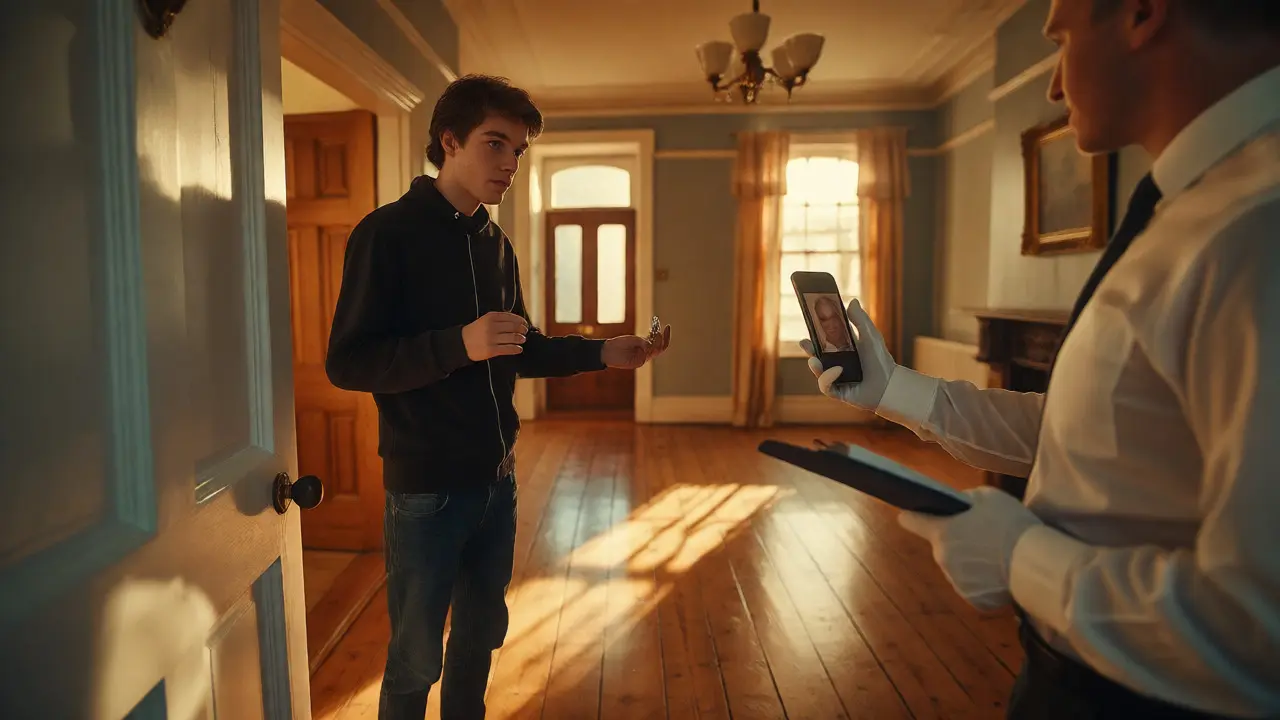
Don’t just leave. Be present for the final inspection if possible. Bring your copy of the original inventory report. Compare item by item. Point out pre-existing marks you noted on day one. If the agent finds something new, ask them to show you where it is in the move-in photos. Often, they can’t, because the photo angle was different or the mark was hidden.
Take video walkthroughs of every room, opening cabinets and turning on taps. Date-stamp this footage. Send it to the letting agency via email immediately after handing back keys. This creates a digital paper trail that is harder to dispute than verbal agreements.
Handling Disputes Without Stress
If deductions happen, don’t panic. Landlords cannot charge for redecorating the whole flat because of one scuff mark. They can only charge for the cost of making good the specific damage. If they claim £200 for a wall repair that should be £40, challenge it.
Use the alternative dispute resolution (ADR) service provided by your deposit protection scheme. It’s free and faster than court. Submit your photos, receipts for any repairs you made, and the original inventory. Most cases settle at this stage because landlords know weak claims won’t hold up.
Do I need to hire professional cleaners?
Not always, but check your tenancy agreement. Some contracts explicitly state 'professional cleaning required.' If yours does, you must provide an invoice from a registered company. Otherwise, thorough DIY cleaning is usually sufficient if documented well.
Who pays for gardening if I live in a house?
Unless stated otherwise, tenants are responsible for keeping the garden tidy, which means mowing lawns and weeding. However, major maintenance like tree pruning or patio repointing is the landlord's responsibility. Document the garden state with photos on move-out day.
What counts as fair wear and tear?
Fair wear and tear refers to deterioration that happens through normal use. Examples include faded curtains, worn carpet paths, or minor nail holes. Damage beyond this, such as burns, large holes, or stained carpets from negligence, is not fair wear and tear.
Can my landlord keep my deposit for unpaid bills?
Yes, if utility bills are outstanding at the time of checkout. Ensure you read meters on your last day and send readings to suppliers. Keep confirmation emails showing accounts are settled or paid in full. Unpaid council tax can also lead to deductions.
How long does the deposit return take?
Typically, 7 to 14 days after both parties agree on the amount. If there is a dispute, it can take several weeks or months depending on the complexity and the speed of the adjudication process. Always chase politely after two weeks.