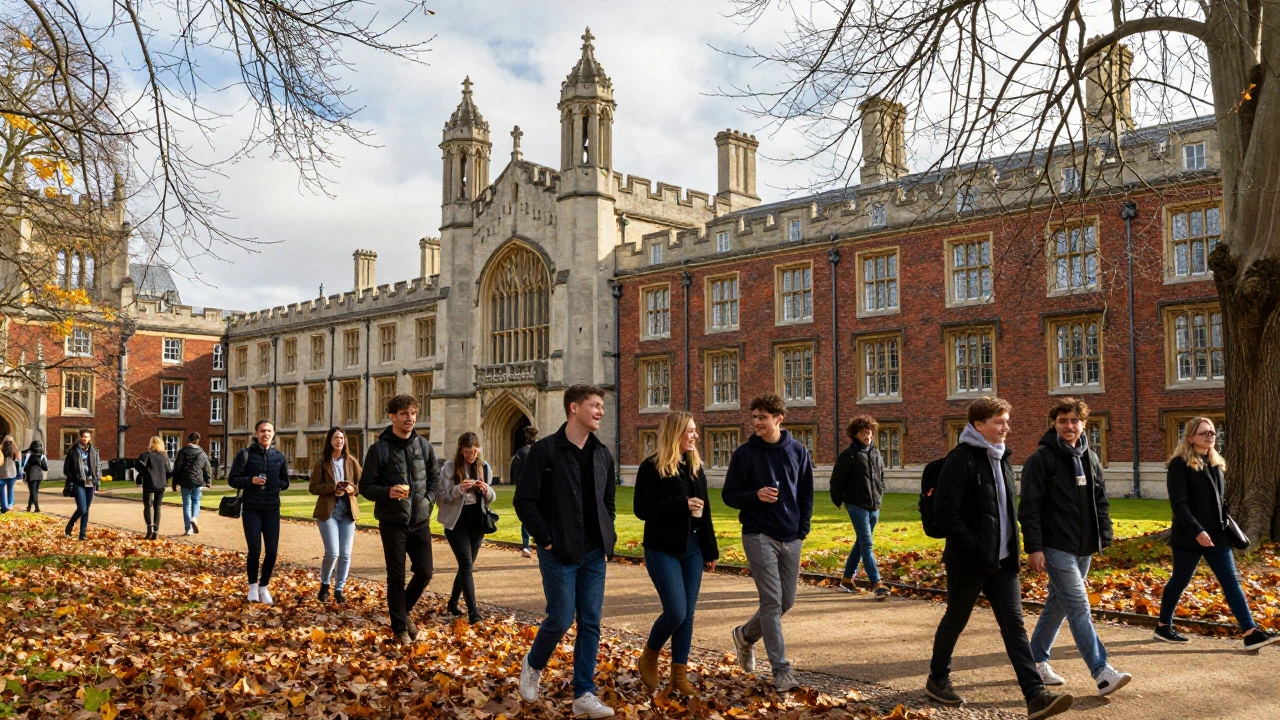
Walking across a UK university campus in October feels different from any other time of year. The air is crisp, the libraries are packed, and there’s an electric buzz that has nothing to do with exams. For many students, this is the start of something more personal than their degree: the beginning of new friendships, intense romances, or perhaps, a well-earned period of solitude. Navigating love and loneliness while studying for a first-class honours is a rite of passage that defines the British higher education experience.
If you’re heading to Oxford, Manchester, or Edinburgh soon, you might be wondering how relationships work here. Is it like the movies? Is everyone coupled up by week two? Or is it actually okay to go it alone? The truth is somewhere in the middle, and it varies wildly depending on where you study, what you study, and who you are. Let’s unpack the reality of dating, staying single, and finding connection in one of the most diverse social landscapes in the world.
The Social Landscape: Where Connections Begin
In the UK, university isn’t just about lectures; it’s about the social ecosystem that surrounds them. Unlike some cultures where family or community introduces partners, British university dating is largely self-directed. You meet people through shared interests, proximity, and sheer chance. This autonomy can be liberating but also overwhelming if you’re not used to initiating contact.
Societies-known as clubs or societies-are your best friend here. Whether you’re into rowing, debate, anime, or vegan cooking, joining a society puts you in regular contact with like-minded people. A study by the National Union of Students (NUS) found that over 70% of UK undergraduates join at least one society, and nearly half report meeting their closest friends-and often romantic partners-through these groups. It’s low-pressure, interest-based, and built on repeated interaction, which is exactly how real connections form.
- Join 1-2 societies aligned with genuine interests, not just “popular” ones.
- Attend weekly meetings consistently-familiarity breeds comfort.
- Volunteer for roles like event organizing or social chair to expand your network.
- Use university apps like MyUni or Student Room forums to find local events.
Residential halls also play a huge role. Freshers’ Week (or Welcome Week) is designed to break ice quickly. While it’s famous for parties, it’s equally valuable for casual chats in communal kitchens or laundry rooms. These unstructured moments often lead to deeper conversations than forced networking events ever could.
Romance vs. Reality: What Actually Happens
Let’s bust a myth right away: not everyone finds a partner within the first month. In fact, many students spend their first semester navigating ambiguity-flirting without commitment, going on dates that don’t lead anywhere, or simply enjoying platonic intimacy. That’s normal. And it’s healthy.
British dating culture tends to be less formal than American or Asian models. There’s rarely a clear “first date” label. Instead, it’s often “Do you want to grab a coffee?” or “Fancy watching the match together?” If things progress, they usually do so gradually. Ghosting happens, yes-but so does honest communication when someone says, “I’m really busy with essays right now.” Academic pressure is a legitimate factor in relationship pacing.
| Scenario | Frequency | Typical Outcome | Advice |
|---|---|---|---|
| Casual hangouts turning into dates | High | Low-pressure exploration | Don’t overthink labels early on |
| Society-led trips or events | Medium | Shared experiences build bonds | Participate actively, not passively |
| Online dating apps (Tinder, Bumble) | High | Mixed results; high ghosting rate | Use clearly stated intentions |
| Friend-to-partner transitions | Medium | Stronger foundation, slower start | Communicate expectations early |
One key difference in the UK context is the emphasis on emotional availability over status. You won’t typically hear questions like “What’s your major?” or “Where will you live after graduation?” in early stages. Instead, conversations revolve around values, humour, music taste, and weekend plans. This creates space for authentic connection rather than transactional matching.

The Power of Being Single: Why Solitude Isn’t Failure
Here’s the uncomfortable truth: being single during university is not a deficit-it’s an opportunity. Many students assume coupling up equals success, but data tells a different story. According to research published in *The Journal of Adolescent Health*, students who maintain strong independent identities during university report higher levels of long-term satisfaction and lower anxiety post-graduation.
Think about it: university is a unique window for self-discovery. You’re exposed to new ideas, travel opportunities, part-time jobs, volunteer work, and creative pursuits. If you’re tied down emotionally early, you might miss out on trying that pottery class, volunteering abroad, or leading a student campaign. None of these require a partner-they require freedom.
- Build routines that anchor your week: gym sessions, book clubs, morning walks.
- Cultivate deep friendships-platonic intimacy is just as vital as romantic.
- Invest in skills: learn guitar, code, cook, write-things that make you interesting to yourself first.
- Avoid comparison traps: Instagram highlights don’t reflect daily reality.
Being single doesn’t mean being lonely. Loneliness comes from isolation; singleness comes from choice. One student I spoke with said, “I spent my first year focusing on my mental health and academic goals. By second year, I had more confidence-and ironically, attracted healthier connections.” Her experience mirrors broader trends: delayed romantic involvement correlates with greater emotional maturity.

Navigating Challenges: When Things Get Complicated
No discussion of university dating would be complete without addressing the pitfalls. Breakups happen. Misunderstandings occur. Jealousy flares. And sometimes, you realize you’ve been investing energy in someone who isn’t reciprocating.
One common issue is mismatched timelines. Some students want serious relationships immediately; others prefer keeping things light until finals. Neither approach is wrong-but misalignment causes friction. Always check in: “Are we looking for the same thing?” Simple questions prevent months of confusion.
Another challenge is balancing academics and romance. A survey by UCAS revealed that 42% of final-year students reported relationship stress impacting their grades. The solution? Boundaries. Set study hours. Use calendar blocks. Communicate openly about deadlines. Healthy partnerships support each other’s ambitions-they don’t compete with them.
Also consider cultural differences. International students may come from backgrounds where dating is discouraged or structured differently. Respect those boundaries. Don’t pressure anyone into conforming to Western norms. Consent and comfort matter far more than tradition.
Building Long-Term Connection Beyond Campus
University relationships rarely last forever-and that’s okay. Most end upon graduation due to relocation, career shifts, or natural growth. But the skills you develop along the way stick with you.
Focus on building communication habits: active listening, expressing needs clearly, handling conflict constructively. These aren’t just useful for romance-they’re essential for teamwork, leadership, and lifelong friendships.
Consider this framework for evaluating any connection:
Compatibility Check:
- Do they respect your time and priorities?
- Can you disagree without drama?
- Do they encourage your growth?
- Is there mutual effort?
Finally, remember that your identity isn’t defined by relationship status. You are a learner, creator, thinker, dreamer. Love enhances life-it doesn’t define it. Prioritize becoming someone you admire, and the right connections will follow naturally.
Is it normal to stay single throughout university?
Absolutely. Many students choose-or accidentally end up-single for all four years. Research shows that solo students often develop stronger independence, clearer career focus, and richer friendship networks. Singularity isn’t failure; it’s a valid path.
How do I meet people if I’m shy or introverted?
Start small. Join quiet societies like chess, photography, or literature circles. Attend library workshops or writing groups. Use text-based platforms like Discord servers related to your course. Introverts thrive in low-stimulation environments where conversation flows naturally.
Should I use dating apps while at university?
They can help, but treat them as supplements, not solutions. Apps lack context-you miss body language, tone, and shared history. Combine app matches with real-world interactions: invite someone to a café near campus, join a group hike, attend a lecture series together. Real chemistry builds slowly.
What if my partner wants to move away after graduation?
This is incredibly common. Have honest conversations early about future plans. Explore compromise options: remote work, visiting weekends, co-living arrangements. Sometimes letting go is kinder than forcing proximity. Trust your ability to heal and grow beyond any single relationship.
How do I handle rejection gracefully?
Rejection stings-but it’s feedback, not verdict. Say thank you for honesty. Reflect on what went well and what didn’t. Adjust your approach next time. Remember: every “no” brings you closer to a “yes” that fits better. Resilience grows through practice.