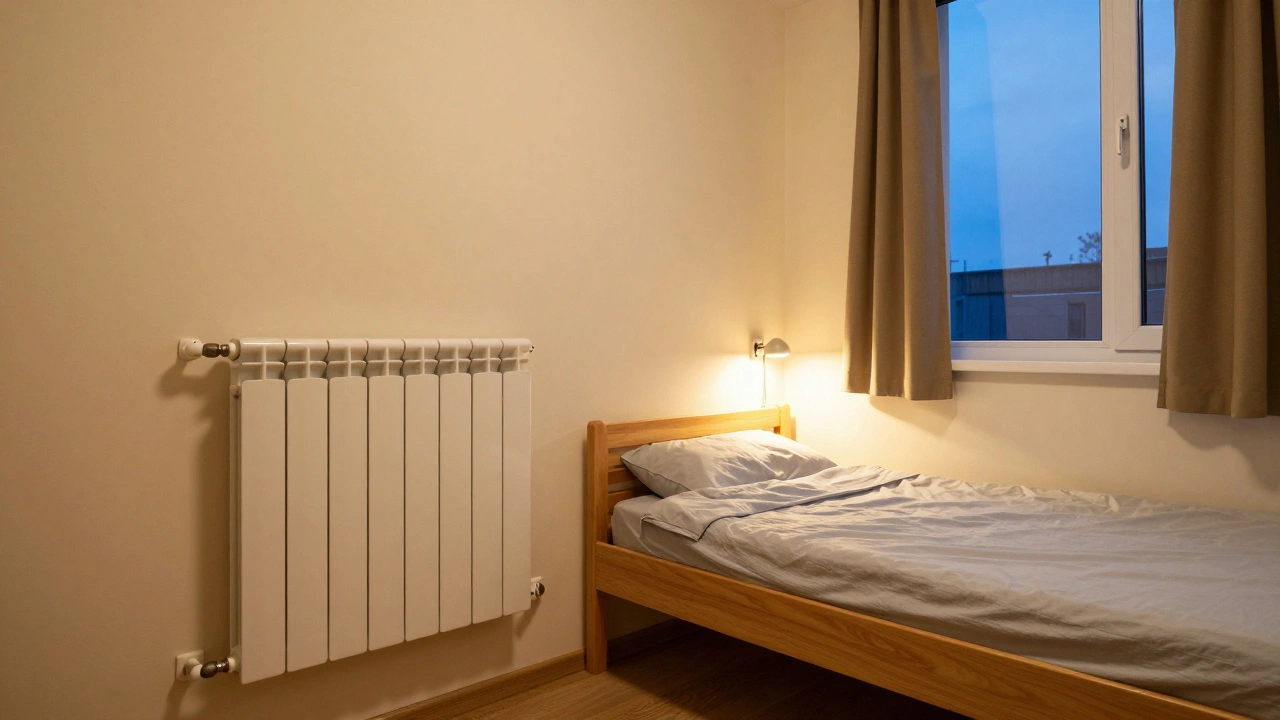
Walking into a cold student flat in the middle of February is a shock you never forget. You peel off your coat, expecting warmth, but the air feels like a freezer. Then comes the email from the energy provider. The bill is higher than you thought. For students in the United Kingdom, the winter months bring a specific kind of stress. You need to stay warm to study and sleep, but you also need to keep your bank account alive. UK Winter is a season characterized by low temperatures and high demand for heating in the United Kingdom. Between the rising cost of living and the unpredictability of shared housing, finding a balance is tough. But you do not have to freeze or go broke.
This guide breaks down exactly how to manage your home during the cold months. We are talking about practical steps that work in halls of residence and private rentals alike. You will learn how to tweak your heating settings, stop cold air from sneaking in, and dress smarter than you think. The goal is simple: cutting energy use without sacrificing comfort. Let’s look at the heating system first, because that is where the biggest money leaks happen.
Mastering Your Heating System
Most student accommodation comes with a central heating system. In private rentals, you might deal with individual radiators or a gas boiler. The problem is often not the equipment itself, but how you use it. Many students leave the heating on full blast all day because they are afraid of getting cold later. This is a waste of cash. Heating Systems are mechanical devices designed to maintain indoor temperature by burning fuel or using electricity. Understanding how they cycle is key to saving money.
If you have a programmable thermostat, use it. Set it to turn on an hour before you usually get home or start studying. There is no point heating an empty room. If your accommodation does not have a smart thermostat, you can buy a plug-in timer for electric heaters. This ensures the device only runs when you are actually in the room. A common mistake is turning the heating up to maximum to warm the room faster. Radiators work best at a steady, medium setting. Cranking it to the highest setting often wastes fuel without heating the room significantly faster.
Consider the placement of your furniture. If you have a large sofa or a bed pushed directly against a radiator, you are blocking the heat. The warm air cannot circulate properly. Move your bed at least ten centimeters away from the wall. This small change allows the heat to spread across the room instead of getting trapped behind your mattress. Also, check your radiator valves. If one side is cold and the other is hot, the radiator might need bleeding. This releases trapped air that stops water from circulating. It is a free fix that can improve efficiency immediately.
Sealing the Drafts
Even the best heating system fails if the heat escapes as fast as it is created. Old student flats are notorious for poor insulation. You might feel a chill near the window or the door. This is a draft. Draft Excluders are devices used to block air leakage around doors and windows. Fixing these leaks is often cheaper than buying more heating.
Start with your windows. Single-pane glass loses heat quickly. If you cannot afford double glazing, use heavy curtains. Keep them closed at night to trap heat. During the day, open them to let the sun in, which provides free warmth. Check the gaps around the window frames. You can buy cheap foam tape or sealant strips at any hardware store. Apply them to the edges where the glass meets the frame. This stops cold air from seeping in.
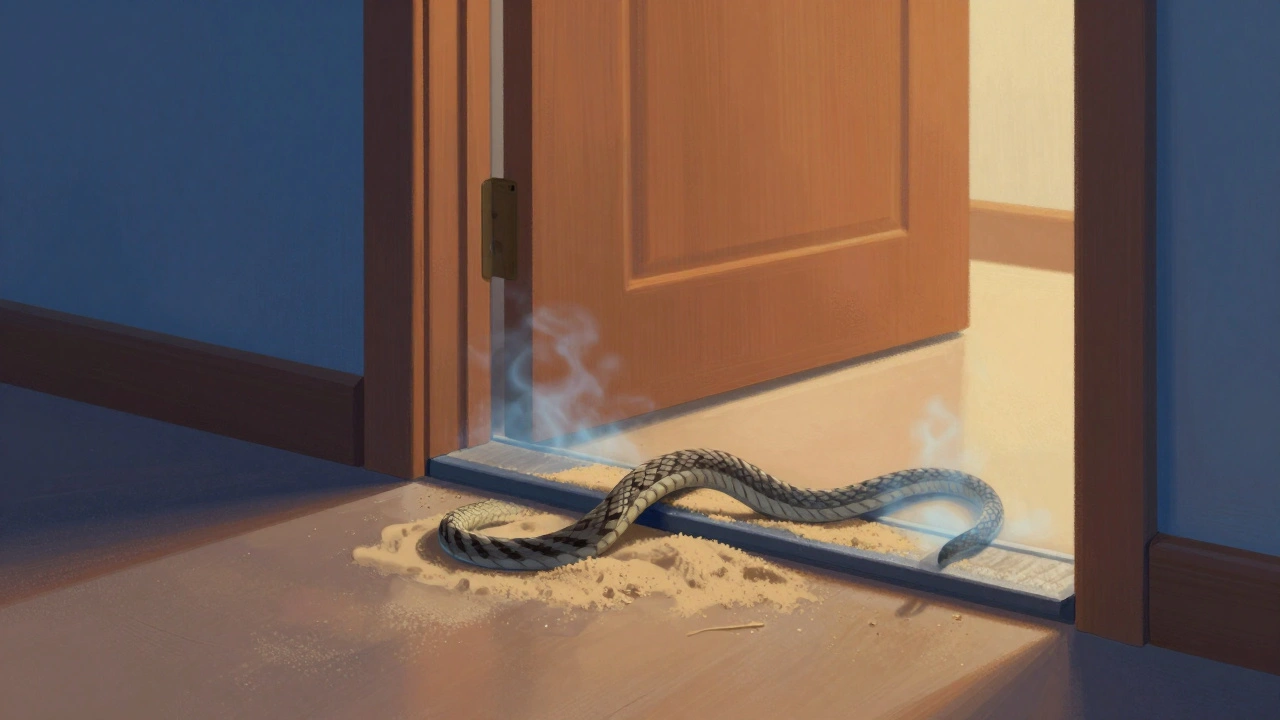
Doors are another major culprit. The gap under the door is a highway for cold air. A rolled-up towel works in a pinch, but a proper door snake is better. These are fabric tubes filled with sand or foam that sit along the bottom of the door. They are inexpensive and effective. If your front door has a letterbox, ensure it has a flap. If not, tape it closed when you are not expecting mail. These small gaps add up over a winter season, increasing your bill significantly.
Personal Warmth and Layers
Heating the air is expensive. Heating your body is cheaper. This is where the concept of layers comes in. Thermal Layers are clothing items designed to trap body heat and provide insulation. Instead of turning the thermostat up to 24 degrees, wear an extra jumper. Your body generates heat naturally. If you trap that heat, you feel warmer even if the room is cooler.
Invest in a good quality duvet. If you are sleeping in a cold room, a heavy duvet is essential. Look for a high tog rating, which measures thermal insulation. A 13.5 tog duvet is suitable for UK winters. If you are on a budget, layer blankets. Two thin blankets are often warmer than one thick one because they trap more air between them. Wear socks to bed. Your feet lose a lot of heat. If your feet are warm, your whole body feels warmer.
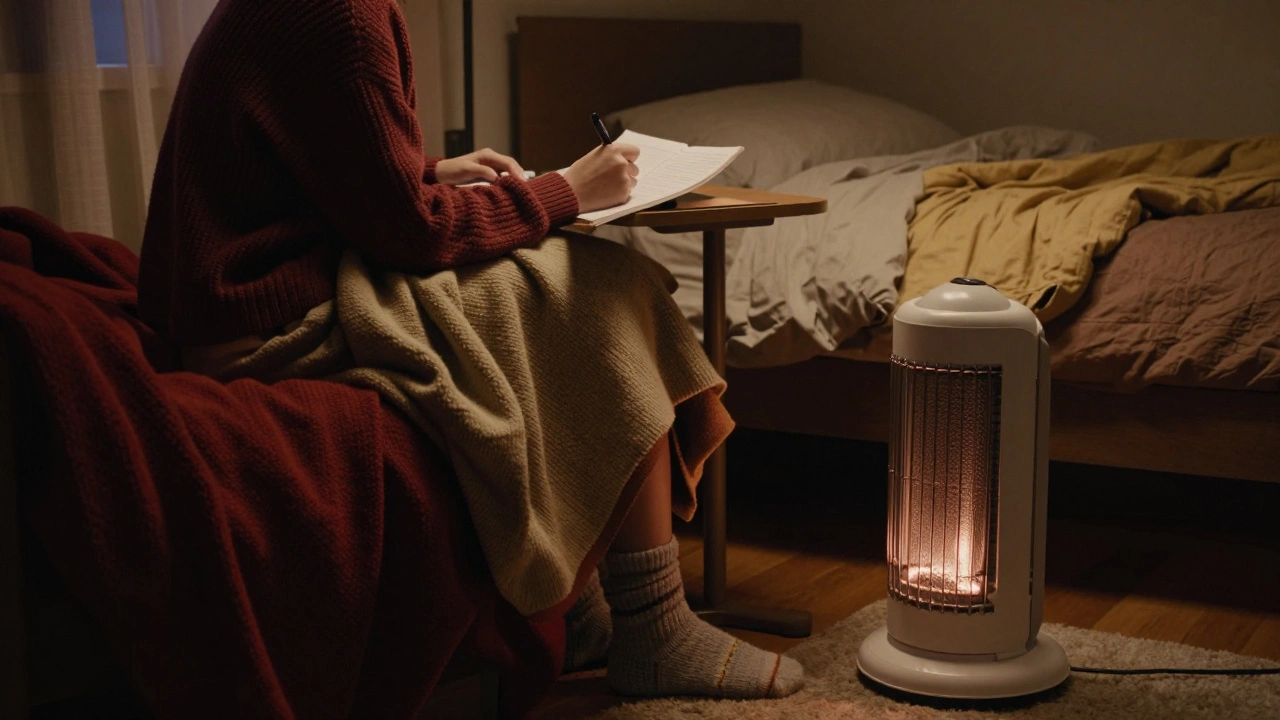
Don't forget about your study space. If you sit at a desk for hours, your legs get cold. Use a foot warmer or a small under-desk heater. This warms you directly without needing to heat the entire room. It is a targeted approach that saves energy. You can also use a heated blanket. These consume very little electricity compared to a central heating system. They provide direct warmth right where you need it most.
Managing Energy Bills and Tariffs
Understanding your bill is just as important as saving energy. Energy Bills are monthly statements detailing the cost of electricity and gas consumption. Many students sign up for a standard variable tariff without checking the price. This is often the most expensive option. If you are on a prepayment meter, you might be paying a higher rate per unit. Check your contract.
Switching to a fixed-rate tariff can protect you from price hikes. However, be careful about early exit fees. If you are only renting for one year, a long-term contract might not make sense. Look for student-specific discounts. Some energy providers offer deals for students or young people. You might need to provide proof of enrollment. Also, check if you are eligible for the Warm Home Discount. This is a government scheme that provides a one-off payment to help with winter bills.
Monitor your usage. Smart meters show you exactly how much energy you are using in real-time. If you don't have one, ask your landlord or provider for one. Seeing the cost go up when you turn on the kettle helps you make better choices. If you are in a shared house, agree on a heating schedule. If everyone agrees to keep the heating off between 10 AM and 4 PM when no one is home, you save a lot of money. Communication is key to managing shared costs.
Working with Your Landlord
Sometimes the issue is not you, but the property. If the insulation is terrible or the boiler is broken, you cannot fix it alone. Landlords are individuals or companies that own property and rent it to tenants. They have legal responsibilities to ensure the property is safe and habitable. In the UK, landlords must ensure heating systems are serviced annually.
If you have a persistent draft or a faulty radiator, report it in writing. Keep a record of your emails. If the heating is unsafe, they are required to fix it. You can also ask about insulation upgrades. Some landlords are willing to install loft insulation or cavity wall insulation if it improves the property value. It might take time, but it is worth asking. If you live in halls of residence, contact the maintenance team. They often have a checklist for winter checks. Do not suffer in silence if the heating is not working.
Comparison of Heating Methods
| Method | Cost Efficiency | Speed | Best For |
|---|---|---|---|
| Central Heating | High (if timed) | Medium | Whole house warmth |
| Oil Filled Radiator | Medium | Slow | Long duration heating |
| Electric Fan Heater | Low | Fast | Quick spot heating |
| Heated Blanket | Very High | Fast | Personal warmth |
Choosing the right method depends on your situation. If you need to warm up quickly before a lecture, a fan heater works. If you are staying in for a long study session, central heating is better. For sleeping, a heated blanket is the most efficient choice. Mix and match these methods to suit your daily routine. Do not rely on just one source of heat.
Preparing for the Next Winter
As March approaches, the cold starts to fade. But the lessons from this winter should not be forgotten. Use the warmer months to plan for the next one. Check your insulation while the windows are open. Buy your thermal layers when they are on sale. Review your energy tariff before the price cap changes again. Preparation is the best way to avoid stress when the temperature drops.
Start a savings pot specifically for winter bills. Even putting aside a small amount each month helps. This way, you are not scrambling for cash in January. Share this advice with your housemates. If everyone is on the same page, the house stays warmer for less money. It is a team effort. By taking control of your heating, drafts, and layers, you protect your budget and your health.
Is it cheaper to leave the heating on low or turn it off?
It is generally cheaper to turn the heating off when you are not at home. Modern insulation holds heat for a while. Turning it back on later uses less energy than keeping it running all day at a low level.
Can I install a smart thermostat in student halls?
Usually, no. Halls of residence manage the heating centrally. You cannot change the system settings. However, you can control your personal space with electric heaters or blankets if allowed.
What is the ideal temperature for a student room?
The recommended temperature for a living room is around 18 to 21 degrees Celsius. For sleeping, 16 to 18 degrees is often more comfortable and energy-efficient.
Do radiator reflectors actually work?
Yes, they work well for radiators on external walls. They reflect heat back into the room instead of letting it absorb into the wall. They are cheap and easy to install.
How can I get help with high energy bills?
Contact your energy provider to discuss payment plans. Check for government grants like the Warm Home Discount. Your university also often has a hardship fund for students struggling with living costs.