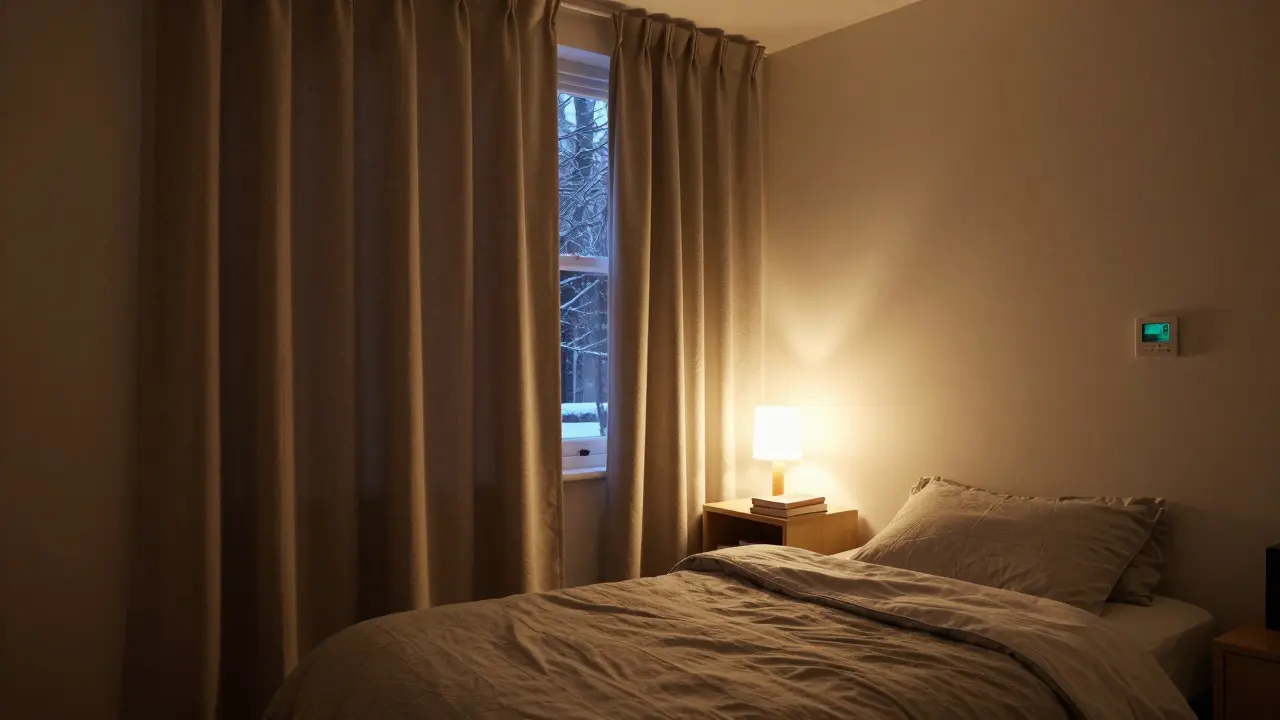
Heating a damp, poorly insulated flat in the middle of a British winter can feel like trying to warm up a fridge with a hairdryer. For many students, energy bills have become one of the biggest hidden costs of university life, often rivaling food expenses. But here is the good news: you don't need to move out or buy expensive gadgets to fix this. By understanding how your specific housing type consumes power and tweaking your daily habits, you can slash those monthly charges significantly without sacrificing comfort.
Why Your Housing Type Dictates Your Bill
Before changing a single setting on your thermostat, you need to know what you are dealing with. Not all student accommodations are created equal, and the structure of your building plays a massive role in heat retention. Purpose-built student accommodation (PBSA) is modern housing specifically designed for university students, typically featuring high insulation standards and centralized heating systems. These buildings usually have better thermal efficiency than older properties because they were constructed recently with current building regulations in mind. However, if you live in a private rental or an older hall of residence, you might be fighting against single-glazed windows and poor loft insulation.
The difference matters because heat loss is the primary driver of heating costs. In a well-insulated PBSA block, keeping the room at a comfortable temperature requires less energy output from the boiler or electric heater compared to a drafty Victorian terrace. If you notice your hands freezing near the window frame even when the radiator is hot, your building is likely losing heat rapidly. This means every degree you set on the thermostat costs more money per hour than it would in a newer build.
Mastering the Thermostat: The 1-Degree Rule
One of the most effective ways to save money is simply lowering your target temperature. The general consensus among energy experts is that for every degree Celsius you lower your heating, you can save approximately 5% on your fuel bill. It sounds small, but over a six-month academic year, that adds up to hundreds of pounds.
You do not need to freeze to save money. The ideal indoor temperature for sleeping is around 16°C, while 18-19°C is sufficient for living areas during the day. Many students keep their rooms at 21°C or higher because they are used to central heating in their parents' homes, but this is often unnecessary. Try this experiment: set your thermostat to 18°C for a week. You will likely find that with a decent duvet and long sleeves, you remain perfectly comfortable while seeing a noticeable drop in your weekly usage report.
- Sleeping: Aim for 16°C. Use extra blankets instead of cranking the heat.
- Studying/Living: Keep it between 18°C and 19°C.
- Away from home: Turn it off completely. Do not leave it on "low" just in case; modern boilers lose efficiency when cycling frequently at low temperatures.
Tackling Drafts and Heat Loss
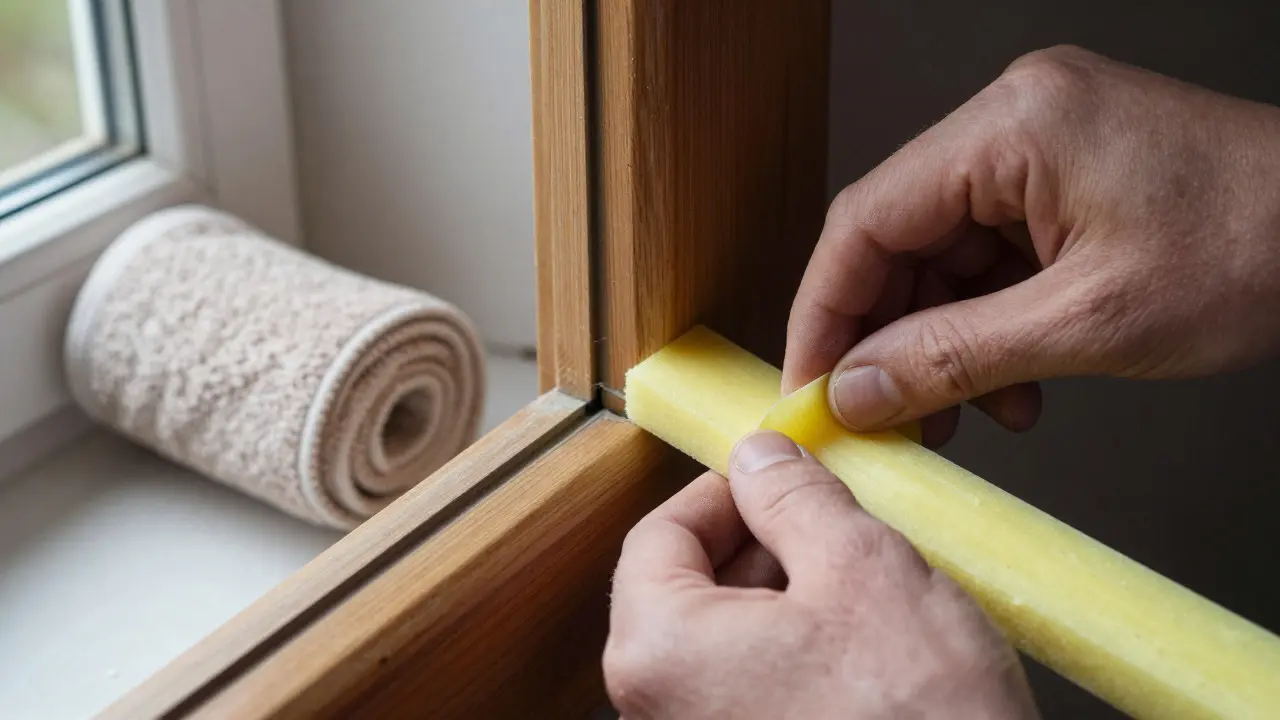
If your flat feels chilly despite the radiator being hot, you have a draft problem. Air leaks are invisible thieves that steal your hard-earned warmth. The most common culprits are gaps around windows, doors, and letterboxes. You don't need professional help to fix these; a few cheap DIY solutions can make a huge difference.
Start by checking your windows. Run your hand along the frame; if you feel a breeze, you need a draught excluder. Foam strips are inexpensive and stick easily to the window frames. For doors, a rolled-up towel or a commercial door sweep works wonders. Also, consider using thick curtains. Closing them at dusk traps the heat generated by the sun during the day inside the room, acting as an extra layer of insulation. This passive strategy is free and highly effective, especially in rooms with large south-facing windows.
Smart Habits for Electronics and Lighting
While heating dominates your bill, standby power and lighting contribute significantly, especially in shared flats where everyone has multiple devices. The term "vampire power" refers to the energy consumed by electronics when they are plugged in but not actively being used. Monitors, laptops, gaming consoles, and microwaves all draw power in standby mode.
To combat this, use power strips. Plug all your non-essential electronics into a single strip and switch it off when you go to bed or leave for lectures. It takes two seconds but saves real money over time. Additionally, switch to LED bulbs if your landlord allows it. LEDs use up to 75% less energy than traditional incandescent bulbs and last much longer. Since you are likely staying in the same room for at least a semester, the upfront cost pays for itself within a few months through reduced electricity usage.
Washing Clothes Efficiently
Laundry is another major energy hog. Most people wash clothes too often and at temperatures that are too high. Modern detergents are formulated to work effectively in cold water, so there is no need to run a 40°C or 60°C cycle for everyday t-shirts and jeans. Switching to a 30°C cold wash reduces the energy required to heat the water, which accounts for about 90% of the energy used in a washing machine cycle.
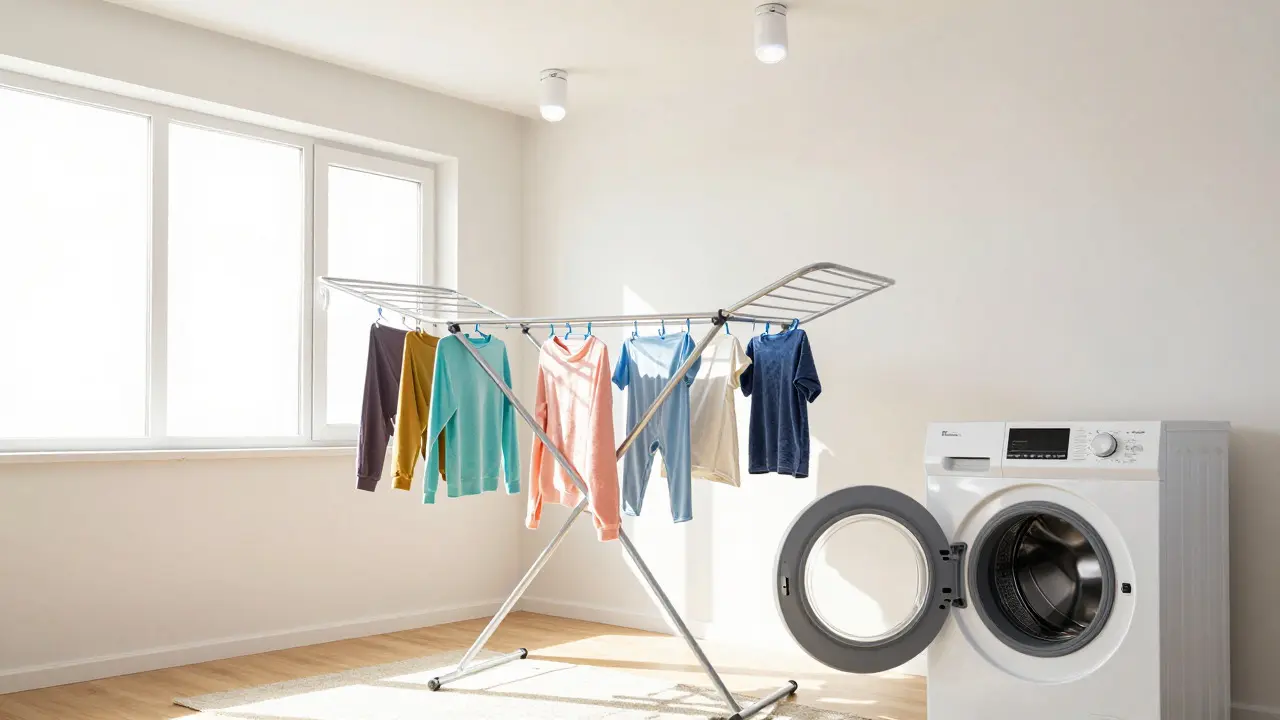
Furthermore, wait until you have a full load before running the machine. Running half-load cycles wastes both water and energy. If you must wash a small amount, use the "eco" or "quick wash" setting designed for smaller loads. Drying clothes naturally on an airer indoors is the cheapest option, though it does take longer. If you use a tumble dryer, clean the lint filter after every single use. A clogged filter forces the machine to work harder, increasing energy consumption by up to 30%.
Comparison of Savings Strategies
To help you prioritize your efforts, here is a breakdown of potential savings based on average UK student usage patterns. These figures are estimates based on typical tariff rates and appliance efficiencies.
| Strategy | Effort Level | Estimated Annual Saving | Time to Implement |
|---|---|---|---|
| Lower thermostat by 1°C | Low | £50 - £80 | Immediate |
| Fix window drafts | Medium | £30 - £50 | 1-2 hours |
| Switch to LED bulbs | Low | £20 - £40 | 30 minutes |
| Cold water laundry only | Low | £40 - £60 | Immediate |
| Use power strips for standby | Low | £15 - £25 | 15 minutes |
Navigating Tariffs and Prepayment Meters
Many students in the UK are on prepayment meters, which require you to top up credit before using electricity or gas. While this prevents debt, it often comes with higher unit rates than direct debit plans. If you have the financial stability to pay a fixed monthly amount, ask your supplier if you can switch to a standard credit meter. This usually results in lower per-kWh prices. Check your contract terms carefully; some suppliers offer student-specific discounts or flexible payment plans that align with term dates.
Also, review your tariff type. Are you on a fixed rate or a variable rate? Fixed rates protect you from price spikes but might be higher if market prices drop. Variable rates track the wholesale market, meaning your bill could go down if energy prices fall. Given the volatility of energy markets, many experts recommend short-term fixed deals (12 months) to avoid unexpected jumps in price during your final year.
Frequently Asked Questions
Is it cheaper to leave the heating on low all day?
Generally, no. Turning the heating off when you are away and turning it back up when you return is usually more efficient than keeping it on a low setting all day. Modern thermostats manage this cycle efficiently. However, if you are in a very cold climate or a poorly insulated property, maintaining a minimum temperature of 12-14°C can prevent pipes from freezing, which is worth the small energy cost to avoid expensive repairs.
How much can I save by switching to a cold wash?
You can save approximately 60-70% of the energy used in a washing machine cycle by washing at 30°C instead of 60°C. Since heating water is the most energy-intensive part of the process, this change is one of the easiest and most effective ways to reduce your electricity bill without buying new equipment.
Do smart plugs actually save money?
Yes, but mainly by helping you eliminate standby power. Smart plugs allow you to schedule when devices turn on and off, ensuring you aren't paying for a monitor to stay on overnight or a space heater to run while you are at lectures. They also provide usage data, which helps you identify which appliances are draining the most power.
What is the best way to insulate a rented room?
Since you cannot drill holes or install permanent insulation in most rentals, focus on reversible methods. Heavy curtains, rug runners on hard floors, and draught excluders for windows and doors are the most effective. Thermal curtains can reduce heat loss through windows by up to 25%, making them a worthwhile investment for long stays.
Should I buy a personal space heater?
Be cautious. Electric space heaters are often the most expensive way to heat a room because they convert electricity directly to heat, which is less efficient than gas central heating. If you must use one, choose a model with a timer and thermostat. Only run it when you are in the room, and never leave it unattended. Always check with your landlord or housing office first, as some policies restrict certain types of heaters due to fire risks.