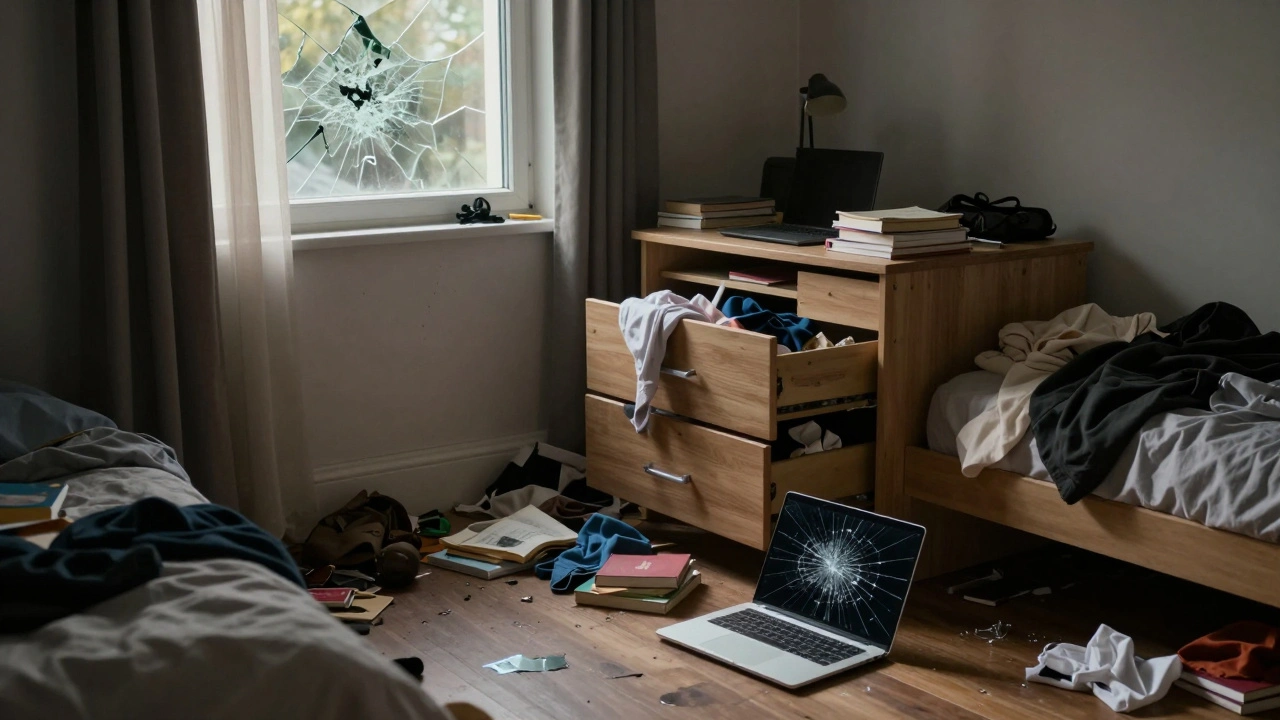
Imagine this: you’re halfway through your first term at university in Manchester, and your room gets broken into. Your laptop, winter coat, textbooks, and that gift from your grandma-all gone. No one’s there to help. No insurance. Just a police report and a sinking feeling in your chest. This isn’t rare. In 2024, over 12,000 student homes in the UK reported theft or damage to personal items. Most students don’t have insurance. And most landlords don’t cover it.
Why Student Contents Insurance Isn’t Optional
Your university accommodation might come with a basic policy, but it’s usually limited. If you live off-campus in a shared house, your landlord’s insurance only covers the building-not your stuff. That means your phone, gaming console, clothes, and even your bike are on your own.
Contents insurance for students isn’t about luxury. It’s about security. A single laptop replacement can cost £800. A new winter coat? £150. A stolen bike? £300. Add them up, and you’re looking at over £1,500 in lost value-money you don’t have, especially if you’re on a tight budget.
Most student policies start at under £50 a year. That’s less than £5 a month. For that, you get protection against theft, fire, flood, and sometimes accidental damage. Some even cover your gear if it’s stolen from your car or campus library.
What’s Covered? What’s Not
Not all student insurance is the same. Here’s what most policies include:
- Personal belongings: Laptops, phones, cameras, tablets, headphones, gaming consoles, and clothing.
- Theft: From your room, shared kitchen, or even if your bike is stolen from outside your flat.
- Fire and flood: Damage from water leaks, boiler bursts, or accidental fires in your accommodation.
- Accidental damage: Some policies cover you if you spill coffee on your laptop or drop your phone down the stairs.
- Third-party liability: If you accidentally break something in your shared house-like a TV or window-you’re covered.
But here’s what’s often excluded:
- Cash: Most policies cap cash coverage at £250. Don’t keep more than that in your room.
- High-value items: Items over £1,500 (like expensive cameras or designer gear) usually need to be listed separately.
- Roommates’ stuff: Your policy only covers your belongings. If your flatmate’s PS5 gets stolen, that’s on them.
- Unattended items: If you leave your laptop on a cafe table and walk away, it’s not covered.
Always check the policy’s excess-that’s the amount you pay before insurance kicks in. A £100 excess on a £500 claim means you’re out £100. That’s still better than paying £500 yourself.
How to Get the Right Policy
You don’t need to buy insurance from your university’s recommended provider. In fact, you shouldn’t.
Compare these three options:
- University-offered insurance: Convenient, but often overpriced. Some charge £120 a year for basic coverage. Read the fine print.
- Specialist student insurers: Companies like Students Insurance Direct and UniKitOut offer tailored plans. They know what students need-and what they don’t.
- Family home insurance extension: If your parents have home insurance, check if it covers belongings away from home. Many do-up to £5,000. That’s often enough for students.
Pro tip: If you’re living in a house with 3 or more people, ask your landlord if they offer a group policy. Some do. Splitting the cost across four people can bring it down to under £10 per person per year.
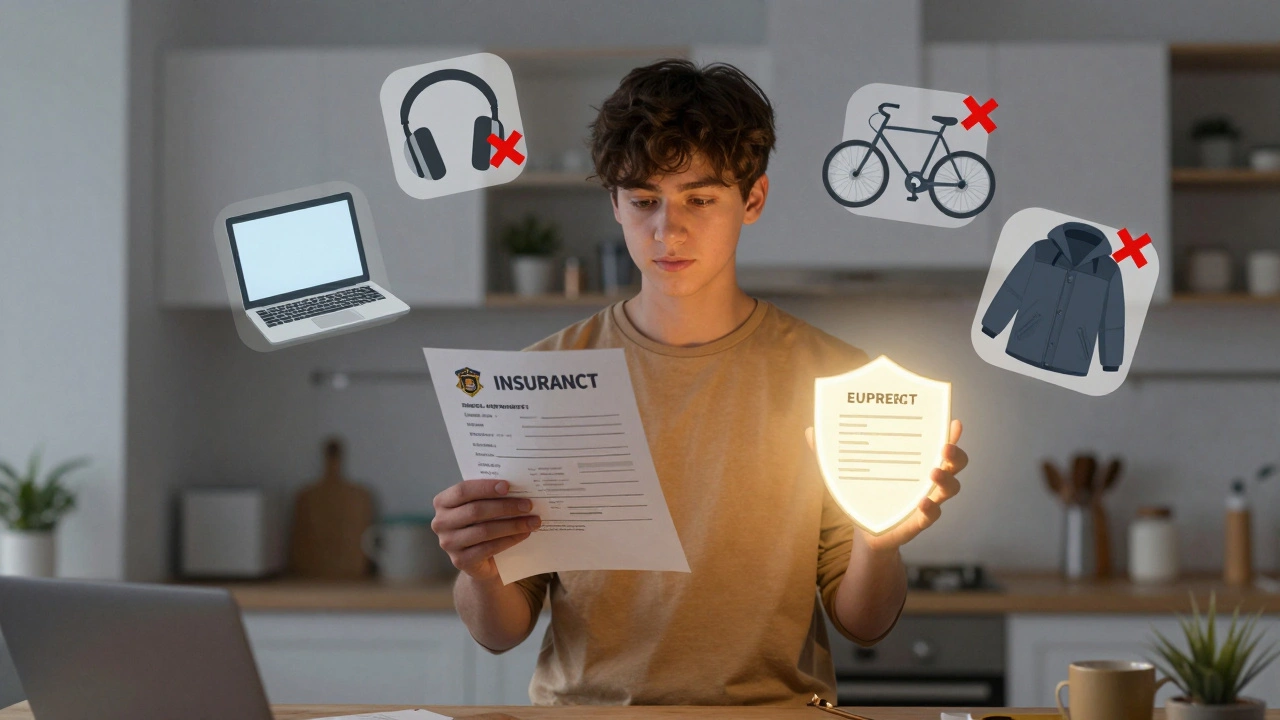
Real-Life Example: What Happened When Sarah Didn’t Insure
Sarah, a second-year student in Leeds, thought she didn’t need insurance. Her room was on the ground floor. She trusted her flatmates. Then, during a weekend trip home, someone broke in. Her laptop, headphones, and a year’s worth of notes were stolen. She had no insurance. Her university didn’t cover it. Her parents’ policy didn’t extend to her rented room. She had to buy a new laptop with her student loan. She missed two weeks of class trying to get by without it.
She spent £720 on a replacement and another £150 on printing new notes. Total cost: £870. Her insurance would’ve cost £45 that year.
What to Do If You’re Already Stolen From
If your stuff gets stolen:
- Call the police immediately. Get a crime reference number. You’ll need it for your claim.
- Take photos of the scene-broken lock, open drawers, anything out of place.
- Make a list of everything stolen. Include brand, model, purchase date, and receipt if you have it.
- Contact your insurer within 48 hours. Most policies require this.
- Don’t clean up until the police or insurer says it’s okay. They might need to inspect the scene.
Claims for student theft are usually processed within 5-10 working days if you have the right paperwork. Keep copies of everything.

5 Quick Tips to Stay Protected
- Lock your door-even if you’re just stepping out for coffee. Most break-ins happen because someone left the door unlocked.
- Use a lockable safe or cabinet. Even a basic one under £30 can deter thieves.
- Record serial numbers. Take photos of your laptop, phone, and console’s serial numbers. Store them in the cloud.
- Don’t leave valuables in plain sight. A gaming console on a shelf looks like an easy target.
- Update your policy when you move. If you switch from uni halls to a private flat, your coverage might change.
What Happens When You Graduate?
Most student policies end when you finish your course. But if you’re staying in the UK for work, you can switch to a standard contents policy. Some insurers let you upgrade your student plan without a new quote. Just call them before your course ends.
Don’t cancel your policy the day you graduate. Give yourself a 2-week buffer. You might need it if you’re moving house or storing items.
Final Thought: It’s Not About Trust-It’s About Risk
It’s easy to think, ‘My flatmates are cool. Nothing bad will happen.’ But theft isn’t about who you live with. It’s about opportunity. A window left open. A key left on the counter. A door left unlocked during a party. These things happen-even in the safest places.
Contents insurance for students isn’t about being paranoid. It’s about being smart. For the price of a couple of takeaways, you protect the tools that let you study, work, and stay connected. That’s not a luxury. It’s a necessity.
Do I need contents insurance if I live in university halls?
Some university halls include basic insurance, but it’s often limited-usually only covering up to £1,000 and excluding high-value items like laptops. Always check the policy details. If your gear is worth more than £1,500, you’re better off getting your own policy.
Can I add my bike to my student contents insurance?
Yes, most student policies cover bikes up to £1,000. If yours is worth more, you’ll need to list it as a high-value item. Some insurers require you to lock it with a Sold Secure-rated lock to qualify for coverage.
Is my phone covered if I lose it?
No. Standard contents insurance only covers theft or damage from fire/flood. Losing your phone isn’t covered. You’d need separate gadget insurance or a phone plan with loss protection.
What if my roommate steals my stuff?
Yes, theft by a roommate is covered-just like any other theft. You’ll need to report it to the police and provide evidence. Insurers don’t ask if the thief is a friend. They just need proof it happened.
How much does student contents insurance cost?
Typically between £35 and £75 per year, depending on your coverage level and location. London and Manchester tend to be slightly more expensive due to higher theft rates. You can find deals under £50 if you compare providers.