
If you’re a student in the UK juggling lectures, assignments, and part-time work, you don’t have hours to spend creating new content every week. But you do have a goldmine sitting in your blog posts. The secret? Repurpose what you’ve already written into videos and Shorts. It’s not about working harder-it’s about working smarter.
Why Repurposing Works for Student Creators
Most student creators think they need to film something new every day to grow. That’s not true. What matters is consistency, not volume. A single well-written blog post can become three videos: a 10-minute YouTube tutorial, a 60-second Shorts recap, and a 30-second TikTok hook. You’re stretching one piece of effort across multiple platforms without burning out.
UK students who do this report 3x more engagement on social media and 40% more traffic back to their blogs, according to a 2025 survey by Student Creators UK. Why? Because different platforms attract different audiences. Someone who scrolls past your blog might stop scrolling for a quick video.
Step 1: Pick Your Best Blog Post
Not every blog post is worth turning into video. Look for posts that already got traction: those with over 500 page views, high time-on-page, or lots of comments. These are your winners.
For example, if you wrote a post called “How I Passed My Econometrics Exam Without Cramming,” that’s perfect. It’s specific, solves a real problem, and has emotional hooks-stress, relief, strategy. You’re not just sharing info; you’re telling a story.
Start with one. Don’t try to repurpose five at once. Pick the post that made you proud. That energy will show up in your video.
Step 2: Break It Down for Video
Now, take that blog post and turn it into a script. Don’t read it aloud. Rewrite it for the ear, not the eye.
Here’s how:
- Extract 3 key takeaways from the blog. These become your video’s main points.
- Turn each takeaway into a 20-30 second segment. Use simple language. Say “I used flashcards” instead of “I employed spaced repetition techniques.”
- Add a personal touch: “I failed my first mock exam. Then I tried this.” Real stories stick.
For a 10-minute YouTube video, you’ll need about 1,200 words spoken at a natural pace. That’s less than half of a typical 2,500-word blog. Cut the fluff. Keep only what changes how someone thinks or acts.
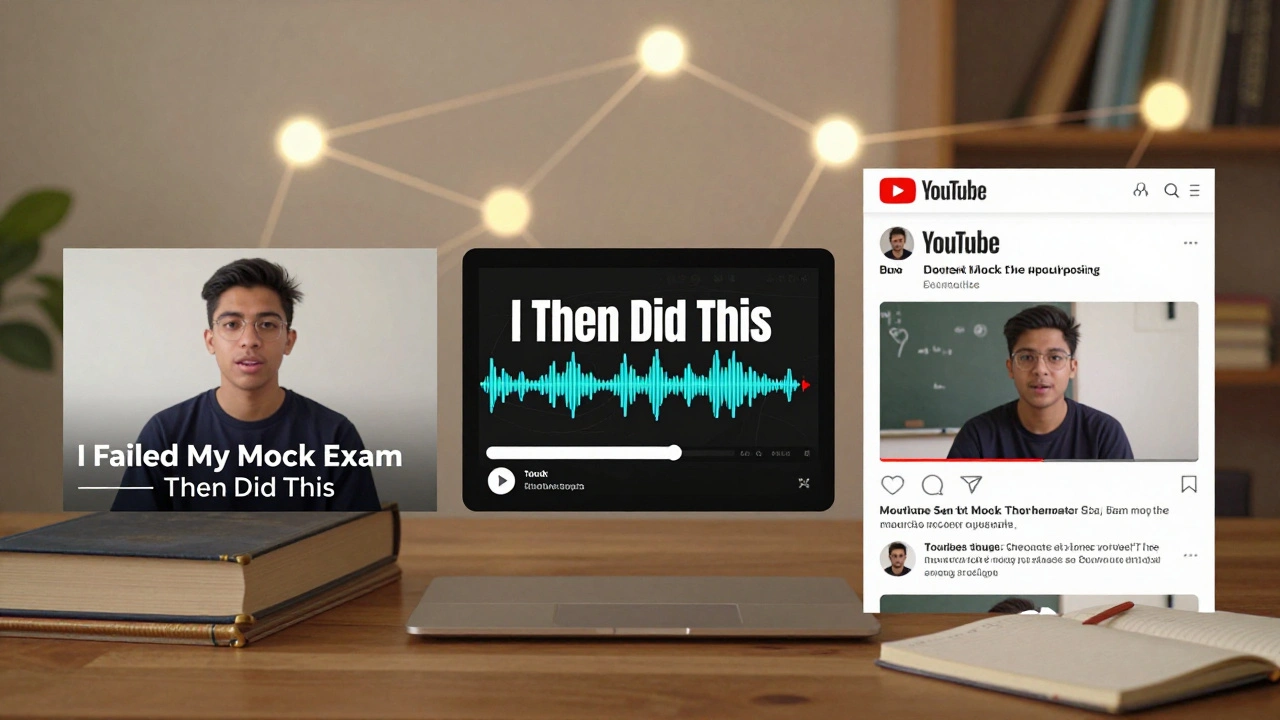
Step 3: Create Your Shorts from the Same Material
YouTube Shorts and TikTok thrive on quick, punchy content. You don’t need a new idea. You need a new format.
Take one line from your blog-something surprising, funny, or counterintuitive-and turn it into a 15-30 second clip.
Examples:
- “I studied for 12 hours before my exam. Then I did this one thing-and passed.”
- “No, you don’t need to buy expensive notes. Here’s what I used instead.”
- “My professor said this was impossible. I did it anyway.”
Use text overlays, quick cuts, and trending audio. Don’t worry about fancy editing. Your phone camera and CapCut are enough. The goal isn’t perfection-it’s getting seen.
Post 2-3 Shorts per week using clips from the same blog. Each one links back to your full video or blog post in the caption. That’s how you turn viewers into readers.
Step 4: Link Everything Together
Don’t let your content live in silos. Your blog, video, and Shorts should work as a team.
Here’s how:
- In your YouTube video description, write: “Full guide with templates: [your blog link].”
- In your Shorts, say: “Link in bio for the full method.”
- On your blog, add a section: “Watch my video breakdown of this method” with a thumbnail that links to the YouTube video.
This creates a loop. Someone sees your Short, clicks to your video, then reads your blog. You’re not just growing followers-you’re growing authority.
Tools That Actually Help (No Fluff)
You don’t need expensive software. Here’s what real UK students use:
- Canva - For quick text overlays and thumbnails. Free plan works fine.
- CapCut - Best for editing Shorts. Auto-captions, templates, and trending sounds built in.
- Notion - Keep a content calendar. Track which blog posts you’ve turned into videos and Shorts.
- Descript - If you hate editing audio, paste your blog text into Descript and it turns it into a video script with voiceover options.
Stick to one tool per step. Don’t get lost trying 10 apps. Master the basics first.
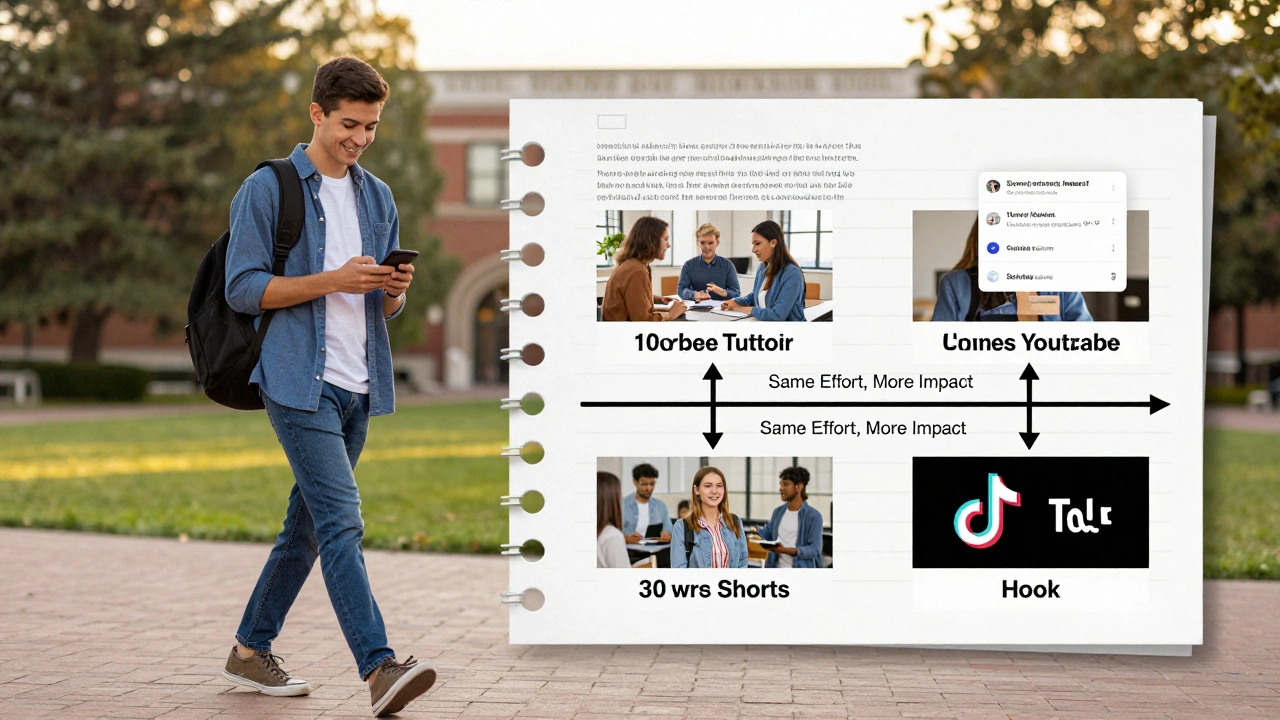
Common Mistakes (And How to Avoid Them)
Most student creators fail at repurposing because they do one of these:
- Just reading the blog aloud. That’s boring. Rewrite for speaking, not reading.
- Posting Shorts with no link. If you don’t tell people where to go next, they’ll just scroll on.
- Waiting for perfect lighting or sound. Your phone on a desk with natural light is better than a studio you never use.
- Trying to go viral. Focus on helping one person. That’s how real growth happens.
Repurposing isn’t about luck. It’s about systems.
What Happens When You Stick With It
Emma, a second-year psychology student in Manchester, started repurposing her blog in September 2025. She wrote one post a week about study habits. Each week, she turned it into one video and two Shorts.
By December, her blog traffic doubled. Her YouTube channel hit 5,000 subscribers. She got an offer to speak at her university’s student success fair-not because she had a big following, but because she showed results.
You don’t need to be the loudest voice. You just need to be the most consistent one who turns effort into impact.
Start Small. Stay Consistent.
You don’t need to create a video every day. You don’t need to go viral. You just need to take one blog post this week and turn it into one video and one Short. That’s it.
Next week, do the same. In a month, you’ll have 4 blog posts, 4 videos, and 8 Shorts-all from the same core work. That’s 16 pieces of content. And you only wrote four things.
That’s the power of repurposing. It’s not magic. It’s math. And it’s working for students right now across the UK.
Do I need to be good at filming to repurpose content?
No. Most successful student creators use just their phone. Natural light, a quiet room, and clear speech matter more than expensive gear. Focus on being helpful, not polished.
How often should I repurpose content?
Start with one blog post per week. Turn it into one video and two Shorts. That’s three pieces of content in under two hours. Once you’re comfortable, aim for two blog posts a week. Don’t rush. Consistency beats speed.
Can I use the same video on YouTube and TikTok?
Yes, but tweak it. YouTube prefers longer, detailed videos. TikTok and Shorts need faster cuts, bold text, and trending sounds. Reuse the script, but re-edit the format. Don’t just upload the same file everywhere.
What if my blog isn’t getting traffic?
Start anyway. Your first video might not get many views, but it’ll teach you what works. Use your Shorts to test topics. If a 15-second clip gets 1,000 views, write a blog post on that topic next. Let your audience guide you.
Is repurposing considered lazy or unoriginal?
No. It’s strategic. Think of it like reusing ingredients to make different meals. You’re not copying-you’re adapting. Most successful creators repurpose. The difference is they do it intentionally.
Don’t wait for the perfect moment. Pick one blog post. Open your phone camera. Record. Post. Repeat. That’s how you build something real-without burning out.