
Exams are coming, your bank account is low, and you’re staring at a blank screen wondering what to write next. If you run a blog as a UK student, the chaos of term life can quickly derail your publishing schedule. You don’t need a fancy agency or a team of writers; you just need a system that fits into the gaps between lectures, library sessions, and social events. A content calendar isn’t just a spreadsheet-it’s the backbone that keeps your blog alive when your motivation dips.
Why Your Blog Needs a Structured Plan
Most student blogs fail not because of bad writing, but because of inconsistency. Readers follow accounts that show up regularly. When you publish randomly, your audience loses trust in your reliability. A structured plan helps you decouple creation from publication. Instead of trying to write, edit, and publish on the same day, you batch tasks. This reduces decision fatigue, which is crucial when you’re already managing academic workload.
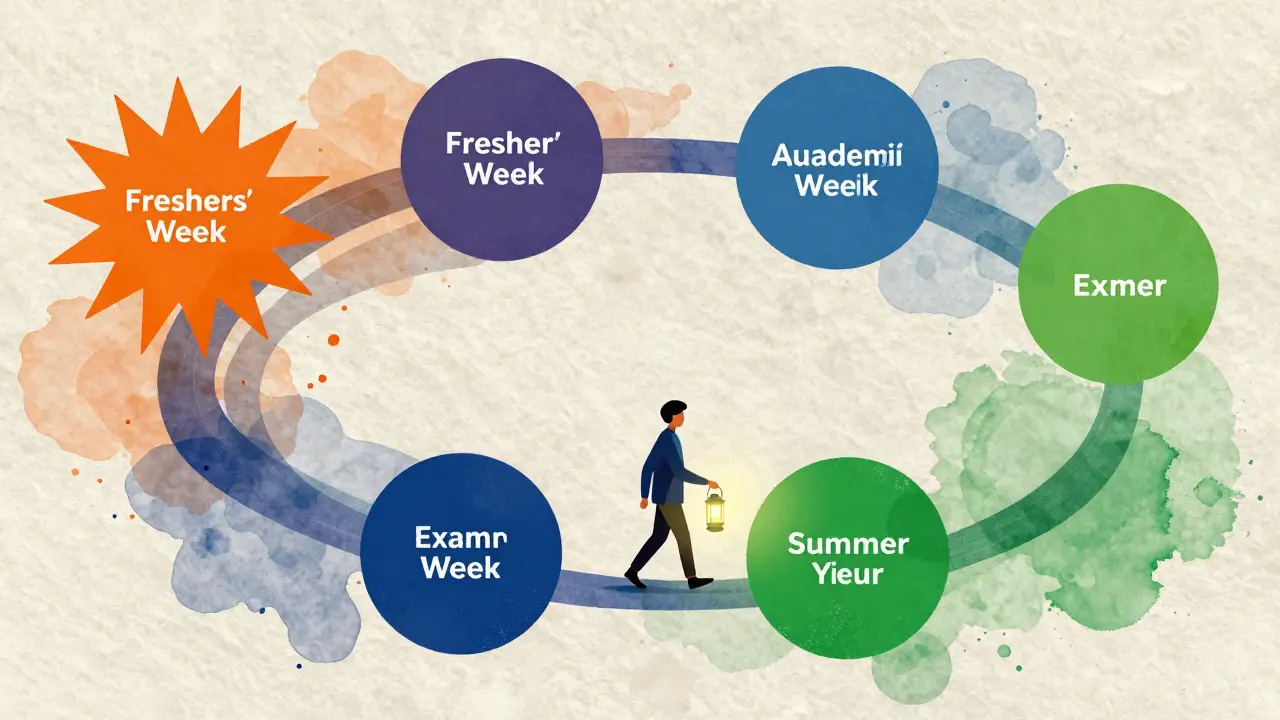
For UK students, timing is everything. The academic year has distinct rhythms: freshers’ week in September, mid-term breaks in November, Easter holidays, and the intense final exam period in May and June. Ignoring these cycles leads to burnout. Aligning your content with these periods ensures you’re posting when your peers are actually online and looking for distraction or information.
Defining Your Core Content Pillars
Before opening any planning tool, decide what you will actually talk about. Pick three to five pillars that define your niche. For a general student lifestyle blog, these might be:
- Academic Survival: Study tips, essay hacks, and lecture notes.
- Lifestyle & Culture: Cafés, weekend trips, and local events.
- Budget Living: Food recipes under £5, thrift store finds, and part-time job advice.
- Personal Growth: Mental health check-ins, productivity experiments, and goal setting.
Each pillar should have a clear purpose. Academic posts attract search traffic during exam season. Lifestyle posts build community engagement. Budget posts resonate year-round but spike during financial stress periods. By categorizing ideas now, you avoid the "writer's block" panic later.
Choosing the Right Tool for Your Workflow
You don’t need expensive software. As a student, free or low-cost tools are usually sufficient. The key is consistency over complexity. Here is how different tools fit different personalities:
| Tool | Best For | Cost (UK) | Key Feature |
|---|---|---|---|
| Trello | Visual thinkers who like drag-and-drop cards | Free (Basic) / ~£5/month (Premium) | Kanban boards for workflow stages (Idea → Draft → Published) |
| Notion | All-in-one users who want database + docs | Free (Personal) / ~£10/month (Plus) | Customizable databases with tags for categories and status |
| Google Sheets | Simplicity seekers who prefer spreadsheets | Free | Easy sharing with collaborators and conditional formatting |
| Buffer | Social media cross-posting automation | Free (3 channels) / ~£6/channel/month | Scheduling posts directly to Instagram, Twitter, and Facebook |
If you are solo, Trello or Notion offers better structure. If you collaborate with a friend or editor, Google Sheets is easier to manage without version control headaches. Whichever you choose, stick with it for at least one semester before switching.
Building Your Monthly Template
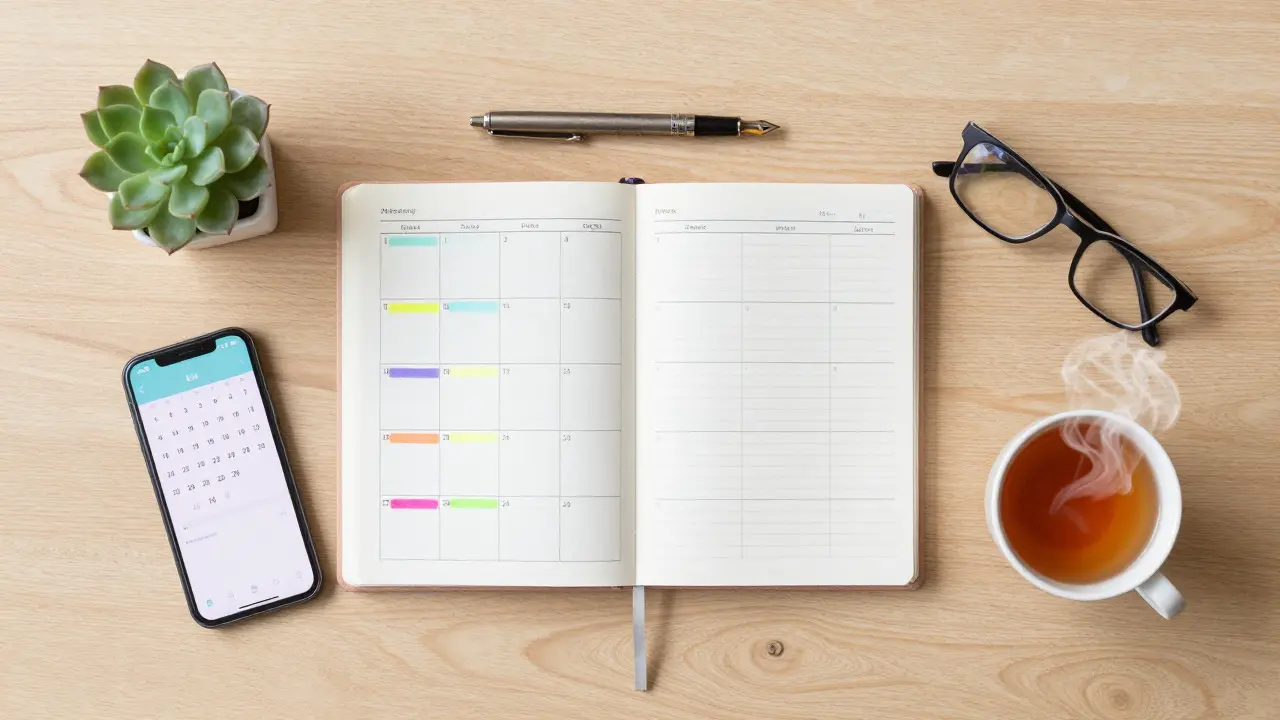
Your calendar should look the same every month. Consistency creates habit. A standard monthly template includes these columns:
- Date: The scheduled publication date.
- Title/Hook: A working title or main idea.
- Pillar: Which category it falls under (e.g., Budget, Academic).
- Status: Idea, Researching, Drafting, Editing, Scheduled, Published.
- Assets Needed: Photos, infographics, or quotes required.
- Promotion Channel: Where you’ll share it (Instagram Story, Newsletter, etc.).
Create this template once, then duplicate it each month. At the start of each month, spend 30 minutes filling in the dates. Don’t worry about perfection; just get the skeleton in place. You can adjust titles and details as you go.
Aligning Content with the UK Academic Year
This is where most generic advice fails. UK universities have specific timelines that affect reader behavior. Here is a strategic breakdown:
September: Freshers’ Week & Settling In
Your audience is new, overwhelmed, and eager to connect. Focus on introductory posts: "My Top 5 Survival Tips," "Where to Eat Cheaply in [City]," and "How to Join Societies." Keep tone welcoming and high-energy. Avoid heavy academic content right away; they haven’t started their first real assessment yet.
October-November: Mid-Term Grind
Students are settling into routine but facing their first major deadlines. Share study techniques, time management hacks, and mental health resources. This is prime time for SEO-driven content targeting keywords like "how to revise for exams" or "best apps for note-taking." Engagement drops slightly, so focus on quality over quantity.
December: Exam Season & Festivals
Post frequency should drop. Publish fewer, higher-value posts. Focus on last-minute revision guides, stress relief activities, and Christmas gift ideas for students on a budget. Schedule holiday greetings early to avoid competing with massive commercial marketing noise.
January-February: New Year, New Goals
Readers are back after the break, often feeling guilty about lost time. Post about resetting routines, goal setting for the second half of the year, and practical tips for staying motivated. This is a good time to launch long-form series or interviews.
March-April: Final Stretch & Career Prep
Final exams approach, but career concerns also peak. Mix revision content with CV writing tips, internship applications, and networking advice. Many students apply for summer jobs or graduate schemes in this window. Collaborate with career services or alumni for guest posts.
May-June: Exams & Graduation
Keep content light and supportive. Share "good luck" messages, post-exam relaxation ideas, and graduation outfit inspiration. After exams, shift focus to summer plans, travel tips, and maintaining habits during the break.
Batching Work to Save Time
The secret to maintaining a blog while studying is batching. Don’t write one post per day. Instead, dedicate specific days to specific tasks. For example:
- Mondays: Ideation and research. Brainstorm 4-5 topics for the month. Gather sources and references.
- Wednesdays: Writing day. Draft two full posts in one sitting. Use a timer to stay focused (e.g., 90 minutes writing, 15 minutes break).
- Fridays: Editing and scheduling. Polish drafts, add images, write meta descriptions, and schedule posts in your CMS or social media tool.
This approach means you only touch your blog three times a week, leaving the rest of your time free for studies. It also ensures that even if you have a busy week, your content is already queued up.
Common Pitfalls to Avoid
Even with a great plan, things can go wrong. Watch out for these traps:
- Over-planning: Spending more time organizing than creating. Limit planning sessions to 30-45 minutes max.
- Perfectionism: Waiting for the perfect photo or word choice. Publish first, improve later. Imperfect content shared beats perfect content hidden.
- Ignoring Analytics: Check your website stats monthly. See which posts performed well and double down on those topics. If no one reads your "essay structure" posts, try a different angle or format.
- Burnout: If you miss a deadline, don’t panic. Adjust the calendar. Flexibility is part of the plan.
Measuring Success Beyond Views
As a student blogger, metrics matter, but not just page views. Track these indicators to gauge real impact:
- Email Subscribers: This shows you’re building a loyal audience that trusts your voice.
- Engagement Rate: Comments, shares, and saves on social media. High engagement means your content resonates emotionally.
- Referral Traffic: Are other student sites linking to you? This builds authority within your niche.
- Conversion Actions: Did readers download your PDF guide, sign up for your newsletter, or use your affiliate links?
Review these numbers once a month. If subscriber growth stalls, try adding a lead magnet-a free checklist or template-to incentivize sign-ups. If engagement is low, ask your audience directly what they want to read next via a poll on Instagram or Twitter.
FAQs
How many posts should I aim for per week?
For a UK student, 1-2 quality posts per week is sustainable. During exam weeks, dropping to 1 post or pausing entirely is acceptable. Consistency matters more than volume. A single well-researched post every Monday is better than four rushed posts scattered across the week.
What is the best time to publish for UK students?
Based on general web traffic patterns, Tuesday through Thursday mornings (8 AM - 10 AM) or evenings (7 PM - 9 PM) perform well. Students often check their phones during commutes or after dinner. Test different times for a few weeks and monitor your analytics to find your specific sweet spot.
Should I plan a year in advance?
No. Life as a student is unpredictable. Plan one month ahead in detail and sketch out the next two months broadly. This gives you flexibility to adapt to unexpected events like illness, work shifts, or new interests without feeling stuck behind a rigid annual plan.
How do I handle writer's block?
When you’re stuck, switch tasks. Do research instead of writing, or edit an old post. Alternatively, lower the bar: write a short, informal update rather than a long-form article. Sometimes, just starting with a messy outline breaks the paralysis. Remember, your first draft doesn’t have to be good; it just has to exist.
Do I need to pay for a content calendar tool?
Not necessarily. Free tiers of Trello, Notion, and Buffer are sufficient for most individual bloggers. Only upgrade if you hit a specific limitation, such as needing unlimited board members or advanced analytics. Start free, and invest only when the cost is justified by growth or collaboration needs.