
You just turned 18. You moved out of your parents' house, started university, and finally feel independent. Then you get sick. Maybe it's a persistent cough, maybe it's anxiety, or maybe it's something more private. You book an appointment with a General Practitioner (GP) in the UK, expecting the same privacy you've always had. But here is the tricky part: if you are still under 25, or if your parents pay for your insurance, or if you haven't updated your address properly, who actually sees those notes? Do they go to your mum? Does the university know?
This isn't just about paperwork. It’s about trust. If you think your doctor might tell your parents that you visited them for contraception or mental health support, you might not go at all. That delay can turn a small issue into a big one. So, let’s clear up exactly how medical confidentiality works for students in the United Kingdom, what the law says, and where the grey areas actually lie.
The Golden Rule: Who Owns Your Health Data?
In the UK, the default rule is simple: your medical records belong to you, and your doctor cannot share them without your permission. This falls under the Data Protection Act 2018 and the UK GDPR. Whether you are 16, 19, or 24, once you have sufficient maturity to understand what is happening, you control who sees your diagnosis, your prescriptions, and your test results.
But "sufficient maturity" is a legal term, not a birthday cake candle count. Doctors use a guideline called Gillick competence. It means that if you are under 16 but can fully understand the implications of treatment and consent, you can make your own decisions. Once you hit 16, you are automatically presumed competent unless there is evidence otherwise. So, if you are a first-year student aged 17, your GP generally treats you like an adult regarding privacy. They won’t ring your dad to say, "Hey, he has mono," unless you ask them to.
What Happens When You Turn 18?
Turning 18 is the legal cliff edge. Before this, parents often had implied consent to access their child's records. After this, that right vanishes instantly. However, many students assume that because their parents still pay for their phone bill or rent, the financial link equals a medical link. It doesn’t.
If you are over 18, your parents have zero automatic right to see your records. Even if they paid for your university fees last week. The only way they see your file is if you sign a form giving them permission. This is crucial for students living away from home. If you get seriously ill while studying in Manchester and your parents are in Cornwall, your GP won’t call them unless you explicitly agree to it during the consultation.
The University Connection: What Do They Know?
This is where things get fuzzy for many students. Universities want to support you. They have disability services, wellbeing teams, and sometimes on-campus clinics. But do they talk to each other?
Generally, no. Your university’s wellbeing service is separate from your registered GP. Information does not flow freely between them. If you disclose a mental health condition to your university counselor, your GP doesn’t automatically know about it, and vice versa. There are exceptions, though:
- Safeguarding risks: If you are a danger to yourself or others, the university might break confidentiality to keep you safe.
- Fit notes: If you need time off exams due to illness, you provide a medical certificate. The university sees the fact that you were unfit, but usually not the specific diagnosis.
- Vaccination status: Some courses, especially in medicine or nursing, require proof of immunization. This is a specific administrative check, not full record sharing.
Always ask before signing any university forms. Look for the phrase "I consent to my information being shared with..." Read it carefully. Often, these boxes are pre-ticked.
Insurance and Private Healthcare: The Hidden Link
If you have private health insurance through your parents’ work scheme, the rules change slightly. Insurance companies need to verify claims. They don’t need your full medical history, but they do need enough info to approve a payment. This is called "minimum necessary disclosure."
Your insurer might see that you had a knee surgery. They probably won’t see why you went to therapy three years ago. But be careful: if you submit a claim for a new condition, and the insurer asks for records to check for pre-existing conditions, they might request broader access. Always check your policy documents. If you are worried about a sensitive condition affecting future premiums, stick to the NHS for that specific issue.
Digital Records: NHS App and Online Access
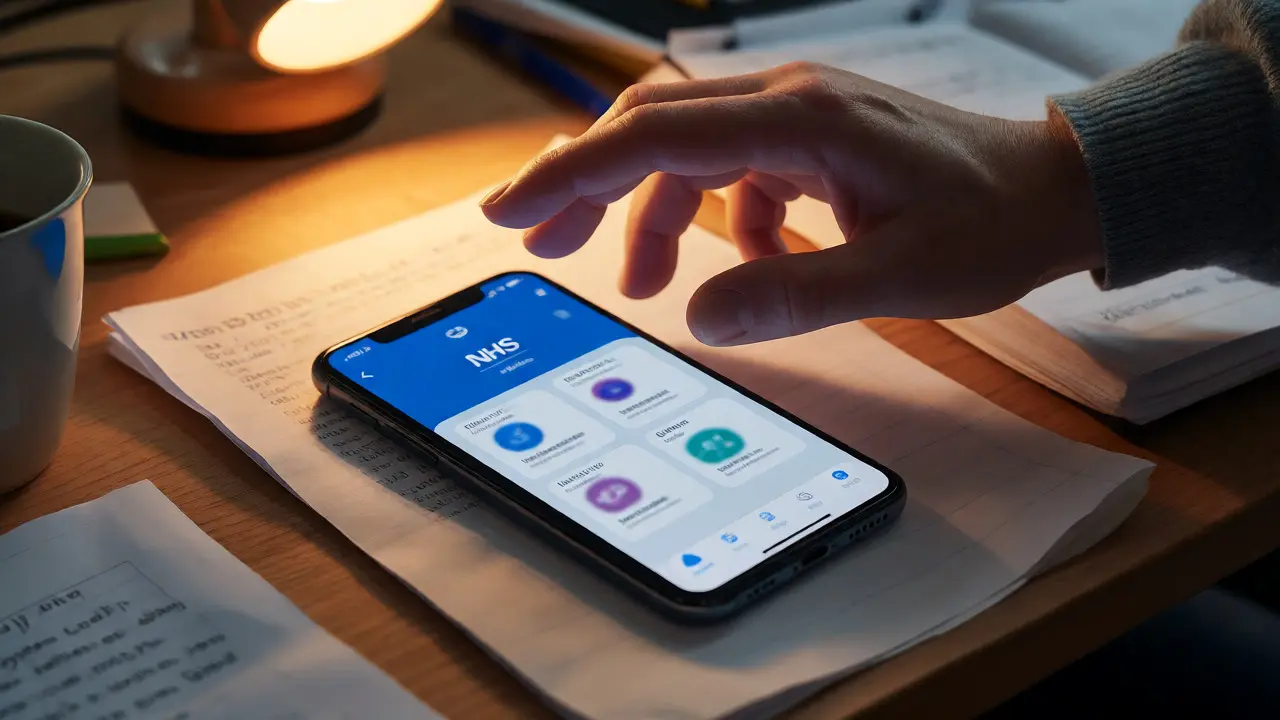
The NHS App has changed everything. You can now see your own test results, medication lists, and even some clinic letters on your phone. This is great for transparency. You know what your doctor wrote down.
But here is the risk: digital footprints. If you leave your phone unlocked and your parents pick it up, they can open the NHS App and read your recent blood tests. It’s not a legal breach; it’s a practical one. Many students forget that having the app installed makes their health data visible to anyone who has physical access to their device. Use a passcode. Better yet, log out of the app when you aren’t using it.
Also, remember that online consultations (like Babylon Health or Livi) create digital trails too. These platforms store your chat logs. While secure, they are third-party entities. Check their privacy policies. Sometimes, opting out of data sharing for research purposes is buried deep in the settings menu.
When Confidentiality Is Broken: Exceptions
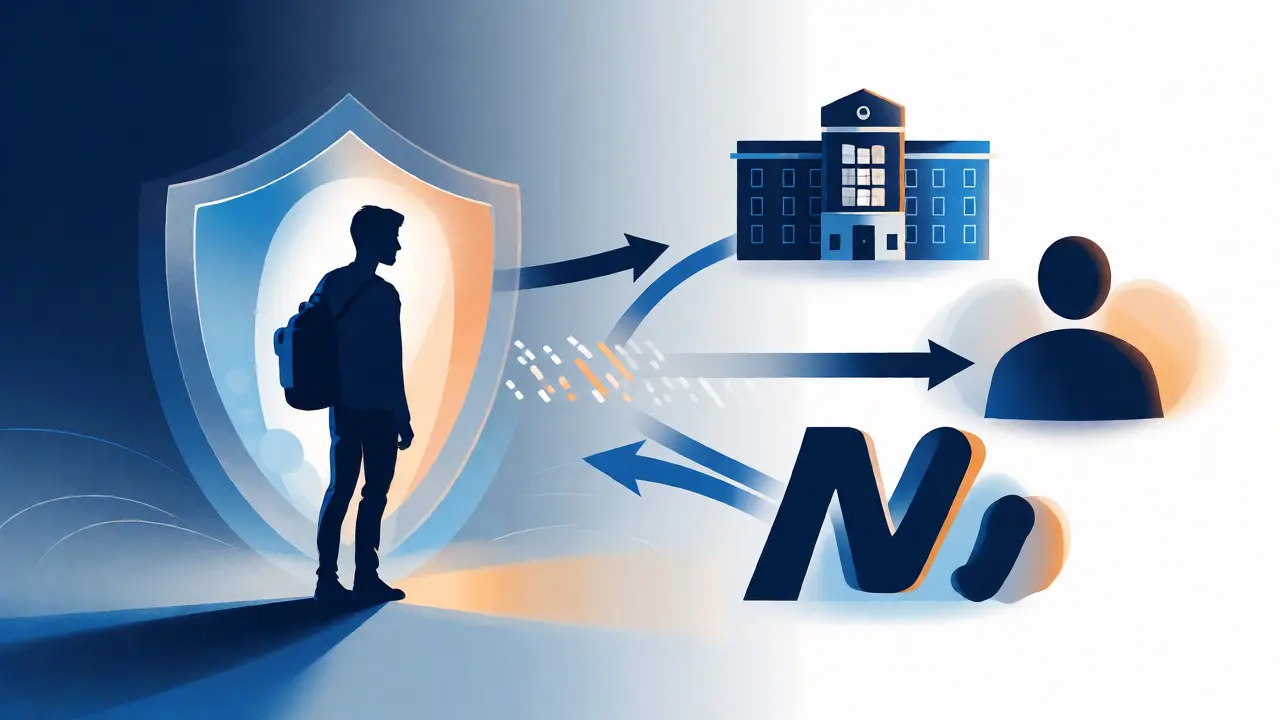
Doctors don’t keep secrets forever. There are specific scenarios where they must speak up, even if you beg them not to. Understanding these prevents shock later.
| Scenario | Who Gets Informed? | Why? |
|---|---|---|
| Public Health Threat | Public Health England / Local Authority | To prevent outbreaks (e.g., measles, meningitis). |
| Court Order | Judge / Legal Team | A judge can legally demand records for evidence. |
| Safeguarding Children | Social Services | If you are under 18 and at risk of harm. |
| Mental Health Act | Approved Mental Health Professional | If you are detained under the Mental Health Act. |
Note that "Safeguarding" applies heavily to students under 18. If you are 17 and your GP suspects abuse or neglect, they are legally required to inform social services. Your parents might find out indirectly because social workers will contact them. For students over 18, safeguarding usually only kicks in if you lack capacity to make decisions or if you are vulnerable to exploitation.
Practical Steps to Protect Your Privacy
Don’t rely on assumptions. Take control of your narrative with these steps:
- Register correctly: Make sure your GP knows your current term-time address. If you still live at your parents' house officially, letters might go there. Ask your GP practice if they can send correspondence to your uni email instead.
- Set up the NHS App: Download it immediately upon turning 16 or moving away. This gives you direct access to your records, reducing reliance on paper letters that might land in the wrong mailbox.
- Review permissions annually: Log into your patient portal. Check if you’ve accidentally given consent for your parents to receive SMS reminders or view results.
- Talk to your GP: At your next appointment, explicitly state: "I am 18 and living independently. Please ensure no information is shared with my parents without my written consent." Note this in your file.
- Check university policies: Visit your university’s website and search for "data protection" or "health services confidentiality." Know who holds your data there.
One common pitfall: SMS text reminders. Many GP practices send texts like "Your flu jab is ready." If your parents have your old phone number linked to their account, or if you gave them your new number for emergencies, they might forward the text. It seems minor, but if the text says "Your STI screening result is ready," it’s less discreet.
What If Things Go Wrong?
If you believe your confidentiality was breached-say, your professor knew about your depression because the campus nurse told them without asking-you have recourse. First, complain directly to the practice manager. They must respond within eight weeks. If that fails, you can escalate to the Parliamentary and Health Service Ombudsman.
For universities, complaints go through their internal grievance procedure, then potentially to the Office of the Independent Adjudicator. Keep records. Save emails. Note dates. If a staff member mentioned your diagnosis in a meeting where it wasn’t needed, write down who was present. Evidence matters more than anger.
Can my parents see my medical records if I am under 18?
Not automatically. If you are deemed Gillick competent, you can refuse access. However, if you are very young or unable to understand the situation, parents may retain rights. Most GPs encourage adolescents to discuss privacy preferences early.
Does the university know if I visit the campus doctor?
Usually, no. Campus doctors and academic departments are separate. Information is only shared if you give explicit consent or if there is a serious safety risk. Academic staff typically only know you have a medical note, not the diagnosis.
Will my GP tell my parents if I get an STI?
If you are 16 or older, no. Confidentiality is strict for sexual health services. Parents cannot access these records without your written permission, even if they are paying for your healthcare.
Can I stop my parents from getting text message appointments?
Yes. Contact your GP reception and update your contact preferences. Specify that texts should go to your mobile number and that no information should be left with family members unless requested.
Do private insurers see my full NHS record?
No. Insurers only see information relevant to the specific claim. They do not get access to your entire NHS history unless you apply for comprehensive coverage and grant broad consent during the underwriting process.