Quick Tips for Cheap Trips
- Book at least 2-4 weeks in advance to avoid the "last-minute surge" prices.
- Always use a student ID (like UNiDAYS or StudentBeans) for an extra 10-15% off.
- Check if your destination has a smaller local coach link rather than just the main hub.
- Travel mid-week if you can; Tuesdays and Wednesdays are almost always cheaper than Fridays.
The Heavyweights: National Express vs Megabus
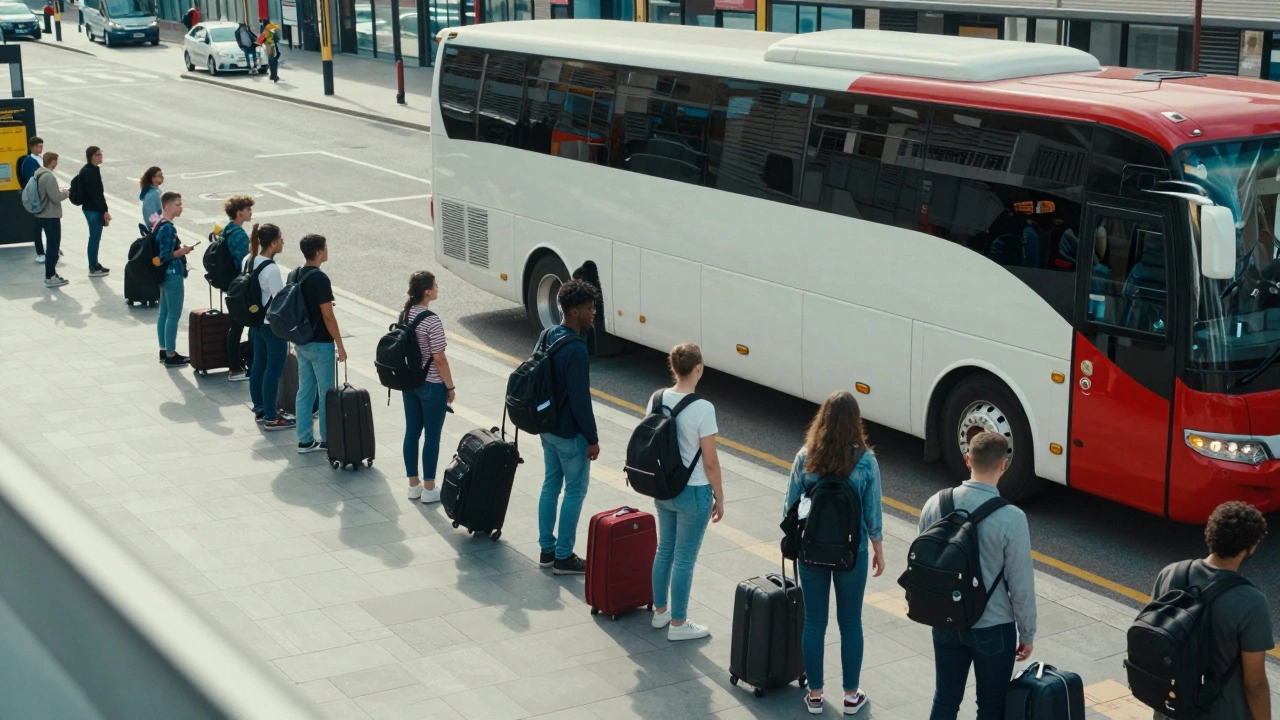
When you start looking at Coach Travel in the UK is the primary long-distance bus transport system connecting major cities and towns across England, Scotland, and Wales., two names always pop up first: National Express and Megabus. While they both get you from A to B, they operate with very different vibes. National Express is the established giant. They have a massive network of dedicated stations and a high frequency of services. If you're traveling to a smaller town or need a reliable connection to an airport like Heathrow, they are usually the best bet. Their fleet is generally newer, and the app is straightforward. However, because they offer more "premium" reliability and more routes, the base price is often higher than the budget alternatives. Then there's Megabus. They basically pioneered the "£1 fare" (though those are rare now). Their model is all about high capacity and low cost. They often use larger vehicles and might have fewer stops, which can actually make some journeys faster. The trade-off? The seats can feel a bit more cramped, and their booking system can be slightly more finicky. If you're a student on a shoestring budget and don't mind a bit less legroom, this is usually where you'll find the biggest savings.| Feature | National Express | Megabus |
|---|---|---|
| Route Coverage | Extensive (Includes small towns) | Major City Hubs |
| Pricing | Moderate to High | Low to Moderate |
| Comfort | Consistent, Modern | Variable, Basic |
| Frequency | Very High | High (on core routes) |
The New Contender: FlixBus
In recent years, FlixBus has entered the UK market and shaken things up. Originally a German company, they've brought a very tech-forward approach to the UK. Instead of owning all their buses, they partner with local operators, focusing heavily on a seamless digital experience. What makes them different? Their pricing is incredibly dynamic. You might find a ticket from London to Manchester for £5 one hour, and £15 the next. They've also invested heavily in onboard amenities. Most of their coaches come with free Wi-Fi and power sockets at every seat, which is a lifesaver when you're trying to finish an essay or binge-watch a show on a six-hour trek to Edinburgh. For students, FlixBus is often the "middle ground." It feels slightly more modern than Megabus but is frequently cheaper than National Express. Their app is arguably the best in the business, making it easy to track your bus in real-time so you aren't standing in the rain wondering where your ride is.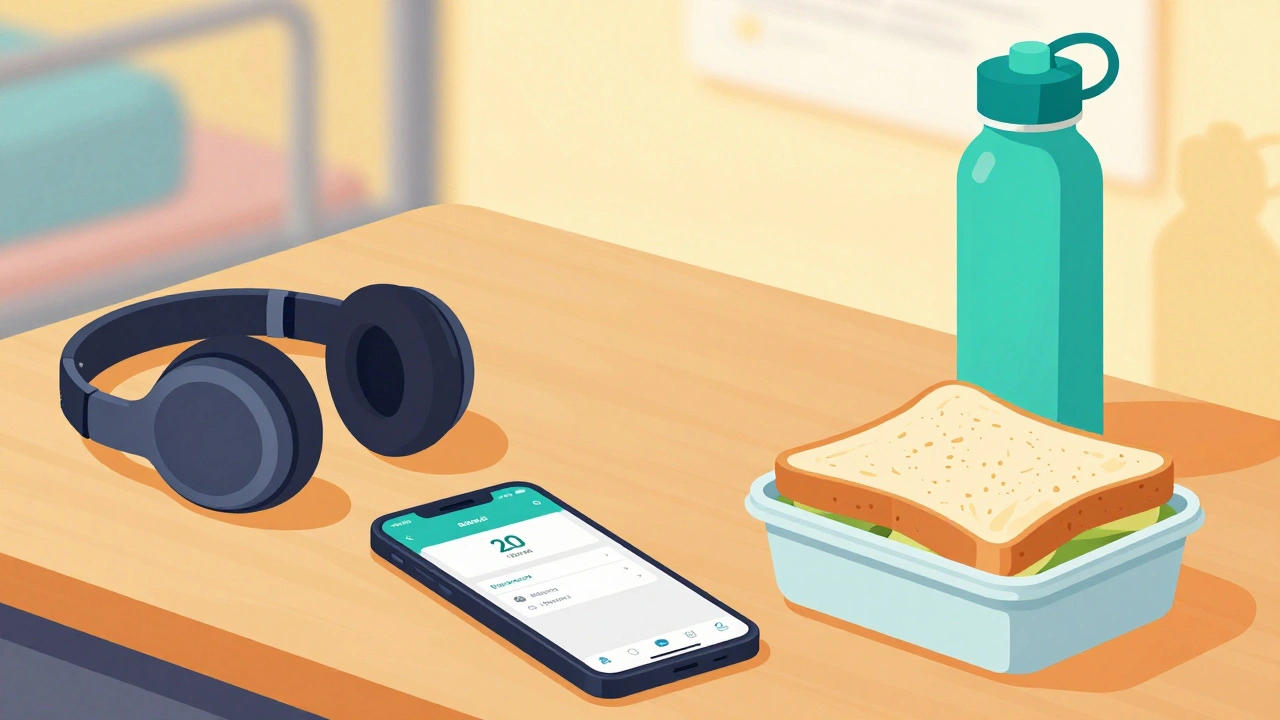
Smart Ways to Save Even More
Just clicking "buy" on the first site you see is a mistake. To actually get the lowest price, you need a strategy. First, always check a comparison tool. While not as common for coaches as they are for flights, using a variety of apps helps you see who is running the cheapest service on a specific date. Next, look into the Railcard effect. While Railcards are for trains, some coach operators offer similar discount schemes or partnerships. More importantly, leverage your student status. Sites like UNiDAYS often have promo codes specifically for National Express or FlixBus. A 10% discount might not sound like much, but when you're traveling back and forth every month, it adds up to a few free meals. Another pro tip: avoid the "Friday afternoon rush." Everyone wants to leave the city on Friday at 4 PM. If you can push your departure to Saturday morning or Friday night at 10 PM, the price often plummets.Dealing with the "Coach Experience": Survival Tips
Let's be honest: sitting in a coach for eight hours isn't a luxury cruise. To make it bearable, you need a kit. Noise-canceling headphones are non-negotiable; the person next to you might decide that's the perfect time to have a loud phone call. Then there's the temperature issue. UK coaches are notorious for being either a sauna or a freezer. The "layering" technique is your best friend here. A light hoodie that you can strip off or pull on is much better than one giant heavy coat. Water and snacks are also key. While most coaches stop at a Service Station (like Moto or Welcome Break), these places are overpriced. A sandwich from a supermarket will cost you £2, while the same one at a service station could be £6. Pack your own supplies to avoid the "service station tax."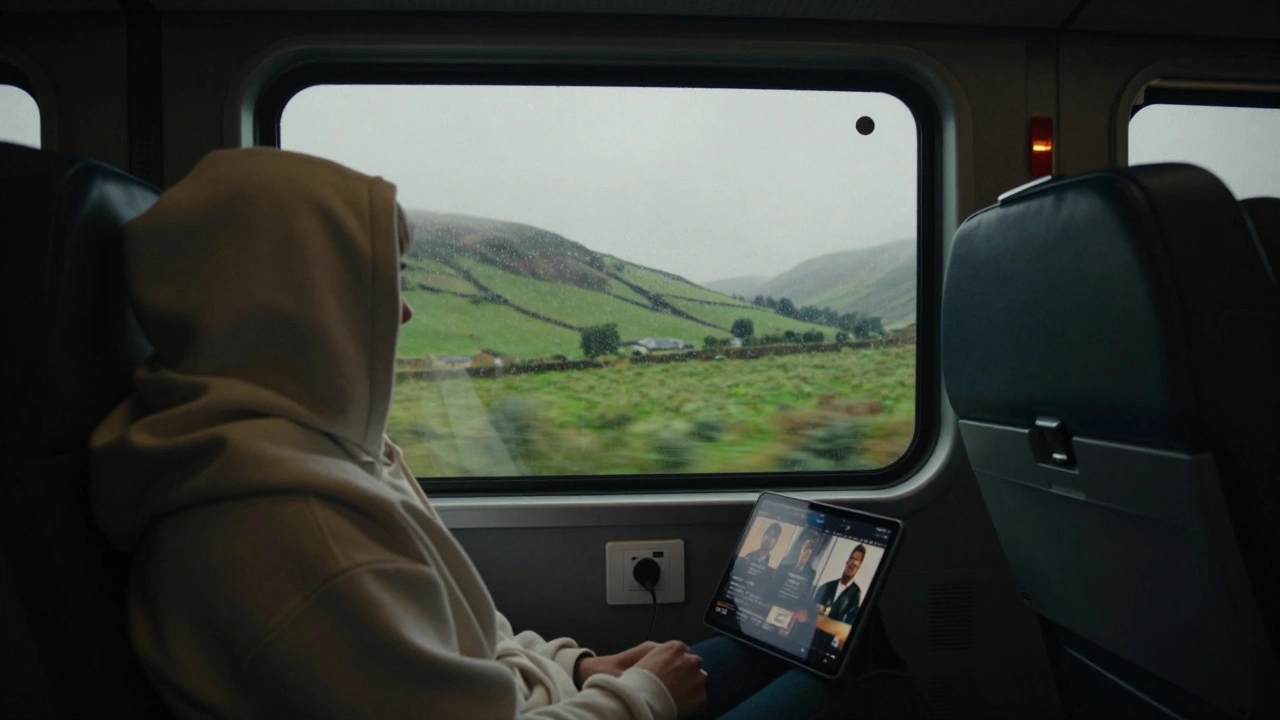
Alternative Options: Local Buses and Ride-Sharing
If the big three don't fit your schedule or budget, don't forget about regional options. For shorter trips, Stagecoach or First Bus often run inter-city services that are cheaper than the national networks, though they require more transfers. If you're feeling adventurous and want something faster than a bus but cheaper than a train, BlaBlaCar is a great alternative. It's a ride-sharing platform where drivers post their journeys and offer seats to passengers for a small fee to cover fuel. It's significantly faster than a coach and gives you a chance to meet other people traveling the same way. Just remember to check the driver's ratings for safety and reliability.Choosing Your Ride: The Decision Tree
Still not sure which one to pick? It comes down to what you value most for that specific trip. If you need a guaranteed seat on a reliable schedule and are going to a less-common destination, go with National Express. If you literally have £5 in your pocket and just need to get to the next city, Megabus is your best bet. If you're a tech-lover who needs a charger and decent Wi-Fi to stay productive, FlixBus is the way to go. And if you're in a rush and can find a trusted driver on BlaBlaCar, take the car. Regardless of what you choose, the golden rule of UK travel is: book early. The difference between a £4 ticket and a £40 ticket is often just a few weeks of planning. Your future self (and your bank account) will thank you for it.Are coaches safer than ride-sharing for students?
Generally, yes. National Express and Megabus use professional drivers and regulated vehicles. While ride-sharing apps like BlaBlaCar have rating systems, coaches provide a more standardized level of safety and corporate accountability.
Can I change my ticket after booking?
It depends on the ticket type. Most budget tickets are non-refundable, but you can often change the date or time for a fee. National Express usually allows changes through their app, while Megabus has stricter rules depending on how close you are to the departure date.
Do all UK coaches have Wi-Fi?
Not all. FlixBus is the most consistent with providing Wi-Fi, while National Express offers it on many routes but not all. Megabus is hit-or-miss. Always assume you won't have a connection and download your movies or music offline before you leave.
What is the luggage allowance on coaches?
Most operators allow one large bag in the hold and one small carry-on. However, if you're bringing a massive suitcase, it's worth checking the specific operator's rules. National Express is generally quite flexible, but some budget lines may charge for extra bags.
Is it possible to book tickets at the station?
You can at some National Express hubs, but it is highly discouraged. Tickets bought on the spot are almost always the most expensive option. Megabus and FlixBus are primarily digital, so you'll need to use their apps or websites.