
Studying at a UK university with a chronic illness isn’t about pushing through pain or pretending you’re fine. It’s about building a system that lets you learn without breaking down. Thousands of students across the UK do this every year-some with diabetes, others with Crohn’s disease, chronic fatigue, multiple sclerosis, or mental health conditions like depression and anxiety. The goal isn’t to be superhuman. It’s to stay in control.
Know Your Rights Before You Even Step onto Campus
The UK’s Equality Act 2010 legally protects students with long-term health conditions. If your condition lasts or is expected to last more than 12 months and affects your daily activities, you’re classified as disabled under the law. That means your university must make reasonable adjustments. This isn’t optional. It’s the law.Don’t wait until you’re overwhelmed to ask for help. Contact your university’s disability services office as soon as you accept your offer. Bring medical documentation-even a letter from your GP is enough to start the process. They’ll help you set up accommodations like extended exam time, flexible attendance policies, note-taking support, or access to quiet study rooms. Some universities even offer priority housing for students who need a quieter environment or closer access to medical facilities.
Many students assume they need a formal diagnosis to qualify, but that’s not true. If your condition impacts your studies, you’re eligible. You don’t have to prove you’re ‘sick enough.’
Plan Your Week Like a Project Manager
When you’re managing fatigue, pain, or unpredictable symptoms, traditional study schedules don’t work. You can’t just grind 10 hours a day and call it a win. Your energy is a limited resource-and you need to treat it like a budget.Start by tracking your energy levels for a week. Note when you feel strongest, when symptoms flare, and what triggers them. Maybe you’re sharp after a nap. Maybe caffeine makes your anxiety worse. Maybe you need two hours of rest after a lecture. Once you see the pattern, build your week around it.
Block out time for rest the same way you block out time for essays. Schedule breaks between classes. Use the university’s library quiet zones for focused work when you’re at your best. If you know you’ll have a bad day, have a backup plan: record lectures, ask a classmate for notes, or submit assignments a day late with prior approval.
Tools like Google Calendar with color-coded blocks for ‘high energy,’ ‘low energy,’ and ‘rest’ help. So do apps like Daylio or Bearable that track symptoms alongside mood and activity. You’re not being lazy-you’re being strategic.
Build Your Support Network Early
You don’t have to go through this alone. But you have to ask for help-and that’s harder than it sounds.Start with your personal tutor. They’re there to guide you academically, but they can also be your advocate if things get rough. Tell them about your condition early, even if you’re not sure how it’ll affect you. They can help you navigate departmental policies, flag issues with module leaders, and connect you with support services.
Join a student support group. Most UK universities have disability societies or chronic illness networks. These aren’t therapy groups-they’re peer-led spaces where students share tips on managing exams, dealing with unhelpful lecturers, or finding accessible transport. You’ll meet people who get it without needing to explain.
Don’t underestimate the power of one good friend. Someone who knows your limits, remembers to check in when you vanish from group chats, and doesn’t pressure you to socialize when you’re drained. That kind of support is worth more than any official service.
Medication, Appointments, and Academic Deadlines Don’t Always Align
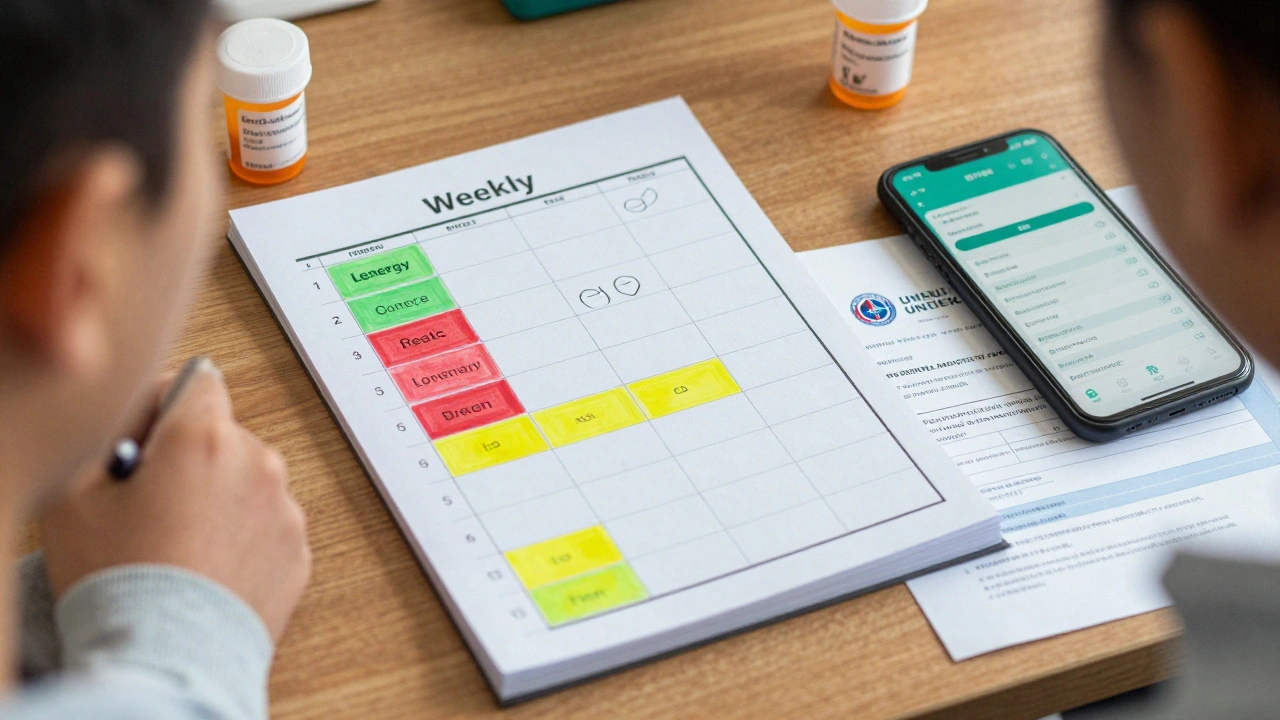
You’ll miss classes. You’ll reschedule appointments. You’ll have to explain why you’re late on a submission. That’s normal. But you need to be proactive.Always keep a copy of your medical appointments on your phone and in your planner. Block them as ‘non-negotiable’ in your calendar. If you need to miss a seminar for a hospital visit, email your module leader before the class. Don’t wait until after. Say: “I have a scheduled appointment on [date] related to my long-term health condition. I’ll catch up on materials and submit any missed work by [date].”
Most lecturers will accommodate you if you’re clear and timely. What they won’t accept is last-minute panic or silence. Universities track attendance and deadlines. If you don’t communicate, you risk penalties-even if you’re sick.
Some students use the university’s online portal to submit medical evidence for extensions. Others use a template email that they reuse: “Due to my diagnosed chronic condition, I require an extension on [assignment] due to [reason]. I’ve attached supporting documentation. I’m working to complete this by [new date].” Keep it simple. Keep it professional. Keep it consistent.
Financial Support Is Available-But You Have to Apply
Studying with a chronic illness costs money. More medication. Travel to appointments. Special food. Therapy. Heating because you’re cold all the time. These aren’t luxuries-they’re necessities.The UK government offers the Disabled Students’ Allowance (DSA). It’s not a loan. It doesn’t need to be paid back. It covers things like:
- Specialist equipment (ergonomic chairs, voice-to-text software, portable monitors)
- Non-medical helpers (note-takers, mentors, sign language interpreters)
- Travel costs for medical appointments related to your condition
- Extra printing or paper if you need to reduce screen time
You can apply for DSA as soon as you’ve accepted your university offer. The process takes 6-12 weeks, so apply early. You’ll need a letter from your doctor or consultant confirming your diagnosis and how it affects your studies. Once approved, you’ll meet with a needs assessor who’ll recommend what you’re eligible for.
Some universities also offer hardship funds or emergency grants for students facing unexpected medical costs. Check your student union’s website or ask your student advisor. Don’t assume you won’t qualify-many students don’t apply because they think they’re not ‘poor enough.’ You don’t need to be poor. You just need to be struggling.

When You Feel Like Giving Up
There will be days when the pain is too much. When the anxiety won’t let you open your laptop. When you look at your to-do list and feel like you’re failing.That doesn’t mean you’re weak. It means you’re human.
Reach out. Talk to your university’s counselling service. Most offer free, confidential sessions-no referral needed. You don’t have to be in crisis to use them. Even one chat can help you reset.
Remember: completing your degree with a chronic illness is an achievement. Not because you pushed harder than everyone else. But because you found a way to keep going without destroying yourself. That’s resilience. That’s strength.
You’re not behind. You’re not lazy. You’re not broken. You’re learning how to thrive in a system not built for your body. And that’s worth more than any grade.
What You Can Do Today
If you’re reading this and you’re about to start or already in university:- Contact your disability services office. No appointment needed-just email or drop in.
- Download a symptom tracker app and log your energy for three days.
- Find out if your university offers a chronic illness student group.
- Apply for DSA if you haven’t already.
- Send one email to your personal tutor: “Hi, I have a long-term health condition and would like to discuss how to manage it during my studies.”
Small steps. But they add up.
Can I get extra time in exams if I have a chronic illness?
Yes. If your condition affects your ability to concentrate, move quickly, or manage pain during exams, you’re eligible for extra time, rest breaks, or a separate room. You’ll need to provide medical evidence, but you don’t need a formal diagnosis-just proof that your condition impacts your performance. The disability office will help you apply for these adjustments.
Do I have to tell my lecturers about my condition?
You don’t have to tell your lecturers directly. Your disability services office will handle communication and provide them with a confidential adjustment plan. However, some students choose to speak to their personal tutor or module leaders to build rapport. It’s optional, but often helpful.
Can I take a break from studies because of my health?
Yes. Most UK universities allow students to interrupt their studies for health reasons without penalty. This is called a ‘leave of absence’ or ‘withdrawal.’ You can return later, often within a year, without reapplying. You won’t lose your funding or place. Talk to your student advisor before making a decision-they can guide you through the process and help you plan your return.
What if my condition gets worse during my degree?
Update your disability services office. They can review your support plan and request new accommodations. Your DSA funding can also be adjusted if you need new equipment or more support hours. Changes are normal. Your support system should grow with your needs.
Is it possible to graduate on time with a chronic illness?
Absolutely. Many students with long-term conditions graduate on schedule. It often means working differently-not harder. Using accommodations, pacing yourself, and asking for help are all part of the process. Graduating on time isn’t about speed. It’s about sustainability.
What Comes Next
If you’re managing a chronic illness at university, you’re already doing more than most realize. The next step isn’t to fix yourself. It’s to keep building the system that lets you survive-and thrive.Reach out to your support network. Use the tools available. Don’t wait for permission to rest. Don’t apologize for needing help. Your health isn’t a barrier to your education-it’s part of your story. And it deserves to be respected.