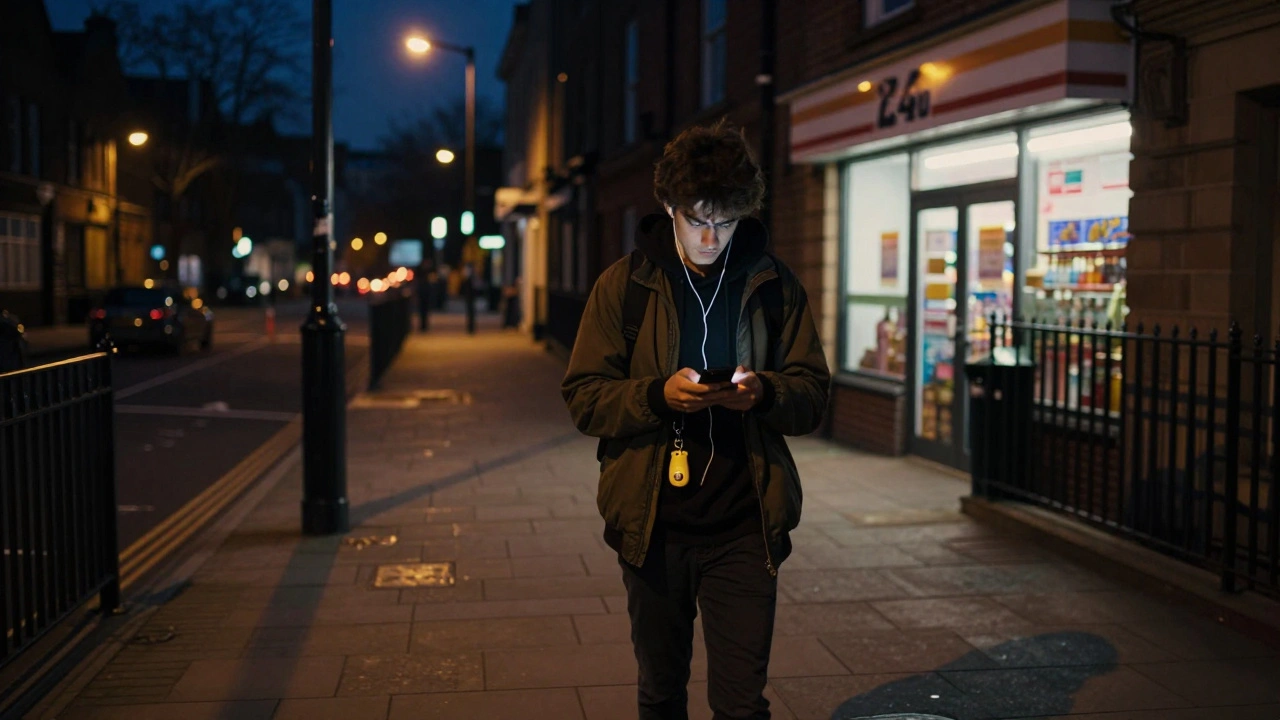
Walking home alone after midnight isn’t just inconvenient-it’s risky. For UK students, especially those living in cities like London, Manchester, or Glasgow, late-night travel is part of life. Lectures run late, shift jobs end after dark, and social events don’t wrap up by 10 p.m. But too many students underestimate how dangerous these walks can be. The truth? Safety isn’t about luck. It’s about habits, awareness, and knowing what to do before you step out the door.
Why Late-Night Travel Is Riskier Than You Think
In 2025, UK police reported over 12,000 incidents of harassment, assault, or suspicious activity near university campuses between 10 p.m. and 5 a.m. Most of these happened on quiet streets, poorly lit pathways, or near bus stops with no cameras. It’s not random violence-it’s opportunistic. Predators target people who look distracted, alone, or unaware of their surroundings.
Many students think, “I’ve walked this route a hundred times.” But familiarity breeds complacency. You know the shortcut past the closed café? That’s the same spot where a student was grabbed last year. You check your phone while walking? That’s two seconds you’re not scanning for movement behind you. Small habits add up-and they make you vulnerable.
The 5 Non-Negotiable Rules for Safe Night Travel
If you’re heading out after dark, follow these five rules without exception:
- Always let someone know your route and expected arrival time. Text a friend or use the university’s safety app. Most UK campuses now have apps like SafeZone a university-linked safety app used by over 1.2 million UK students to share real-time location and trigger emergency alerts or SafeWalk a campus safety service that pairs students with trained volunteers for escorted walks. Don’t just say “I’m going home.” Say: “I’m leaving the library at 11:30, taking the main path to Portman Street. I’ll text when I’m inside.”
- Keep your phone charged and accessible. A dead phone is a silent alarm. Carry a portable charger in your bag. Don’t tuck your phone in your pocket-you need it to call for help, not scroll TikTok. Use voice assistants like Siri or Google Assistant to call someone without touching the screen.
- Walk with purpose, not headphones. Noise-canceling headphones block more than music-they block sirens, footsteps, and shouts. If you must listen, use one earbud at 30% volume. Keep your head up. Look around. Scan doorways. Watch for parked cars with engines running.
- Know your escape routes. Before you leave, mentally map three safe spots: a 24-hour shop, a lit bus stop, a security kiosk. If someone follows you, don’t run straight home. Head toward a place with people. A convenience store is better than a quiet alley.
- Carry a personal alarm. These cost less than £10 and are louder than a car horn. Attach one to your keychain. If you feel threatened, activate it. It doesn’t stop the attacker-it draws attention. And that’s what matters.
What Universities Are Doing (And What They’re Not)
Most UK universities offer safety services, but not all are equally effective. Some have 24/7 security patrols. Others only have a phone number you can call during business hours. Here’s what actually works:
- Escorted walks - Free, staffed by trained volunteers. Ask your student union if they run a SafeWalk program. You can book one in advance or hail one on the spot.
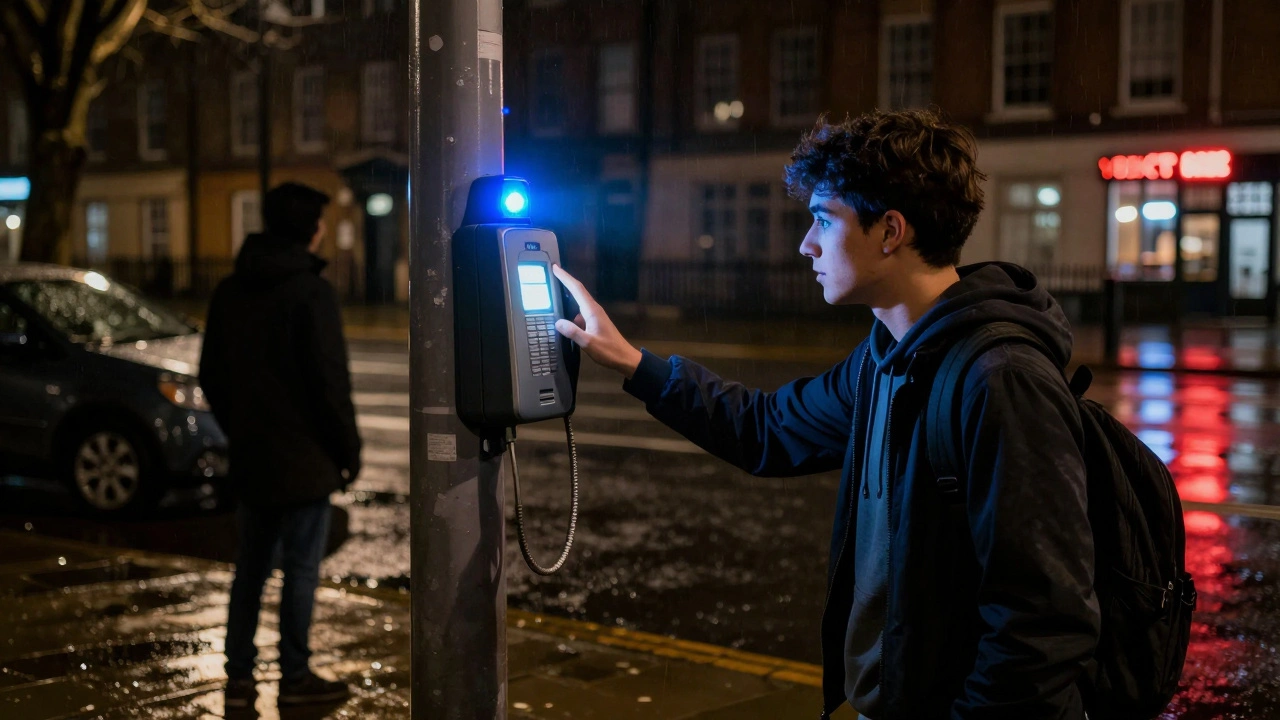
- Emergency blue light phones - These are mounted on poles around campus. Press the button and you’re connected directly to campus security. No dialing. No waiting. They’re reliable, but many students don’t know where they are.
- Free shuttle buses - Some schools run late-night shuttles between halls, libraries, and train stations. Check your school’s transport schedule. If yours doesn’t have one, petition for it.
But here’s the gap: very few universities require safety training for new students. You’ll get a tour of the library. You won’t get a lesson on how to spot grooming behavior, how to respond to verbal harassment, or how to de-escalate a confrontation. That’s on you.
Personal Security Tools That Actually Help
Forget pepper spray-it’s illegal in the UK. But there are legal, effective tools you can carry:
| Tool | How It Works | Cost | Effectiveness |
|---|---|---|---|
| Personal alarm | Loud siren (120+ decibels) to attract attention | £5-£15 | High |
| Keychain torch | Bright LED to disorient attackers and illuminate dark paths | £8-£20 | High |
| Self-defense keyring (e.g., Kwik-Kick) | Sharp, ergonomic grip to strike pressure points | £10-£25 | Moderate |
| Phone tracker (Tile or AirTag) | Locates lost phone; alerts if separated from you | £20-£50 | Low to moderate |
Don’t waste money on gadgets that don’t work. A £50 smartwatch won’t stop someone. A £10 alarm will.
What to Do If You’re Followed or Harassed
If you feel watched:
- Change direction. Cross the street. Enter a shop.
- If the person follows, walk faster. Don’t run unless you’re near a safe place.
- Speak loudly: “I’m meeting my friend here in two minutes.” Or: “I’ve already called the police.” Even if you haven’t. The goal is to make them think you’re not alone.
- If they approach you, use your personal alarm. Shout: “BACK OFF!” not “Leave me alone!”-it’s more commanding.
- If you’re grabbed, strike hard: eyes, throat, groin. You don’t need to win a fight. You need to break free and run.
After any incident, report it. Even if it feels small. Universities track patterns. One report might lead to better lighting. Two reports might mean a security patrol. Silence keeps people unsafe.
Building a Safety Network
You’re not alone. Build a safety circle:
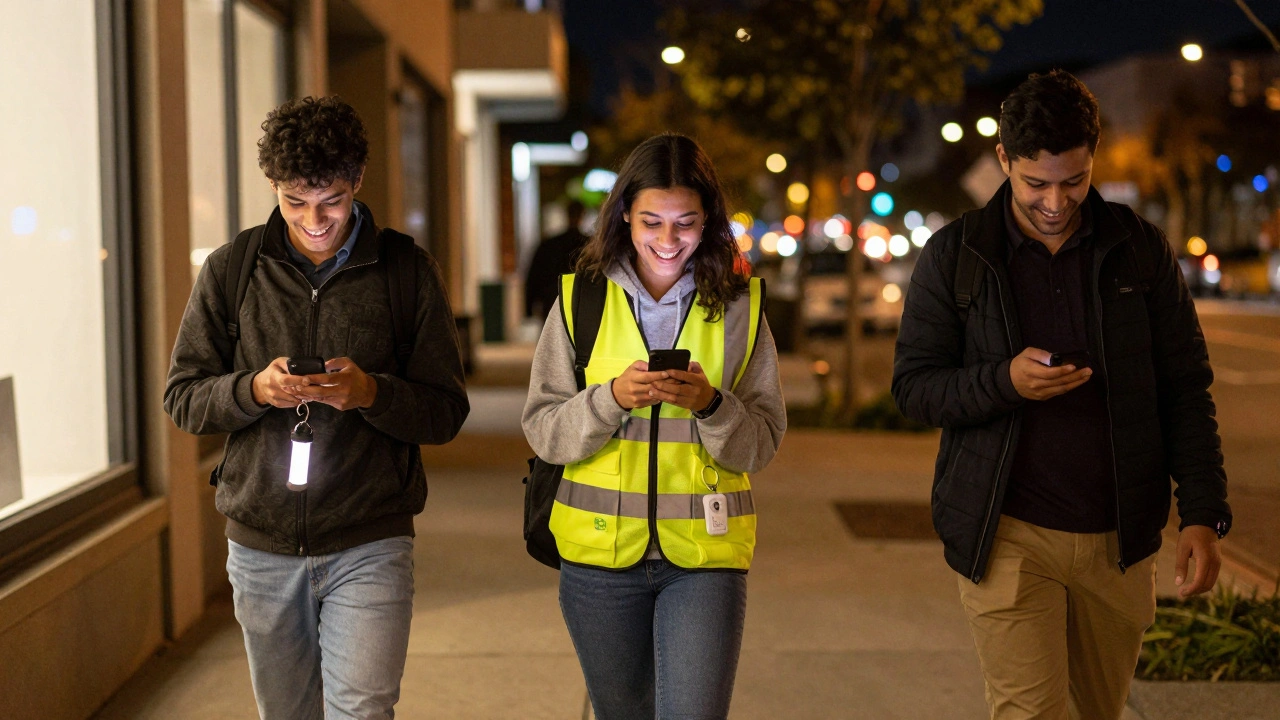
- Pair up with a classmate who leaves at the same time. Walk together.
- Join a student safety group. Many campuses have peer-led groups that organize night walks and safety workshops.
- Use group chat apps like WhatsApp to share your location. Set a rule: “If I don’t check in by midnight, someone calls security.”
One student in Leeds started a WhatsApp group called “Midnight Mates.” Every night, members ping each other: “On my way home.” If someone doesn’t respond, another member calls them. No one’s been hurt since. It’s simple. It works.
Common Myths About Campus Safety
Let’s clear up the lies:
- Myth: “It won’t happen to me.” Truth: 1 in 4 UK students experience harassment or assault during their time at university. It’s not rare-it’s systemic.
- Myth: “Security will help if I call.” Truth: Response times vary. In rural campuses, it can take 15 minutes. You can’t wait.
- Myth: “I’m safe if I stay on campus.” Truth: Most incidents happen just outside campus gates. The streetlights go out. The cameras stop.
- Myth: “Carrying a weapon is illegal.” Truth: Legal tools exist. Alarms, torches, keyrings-they’re all fine. Pepper spray? Not allowed. But you don’t need it.
Final Tip: Trust Your Gut
Your instincts are your best security tool. If something feels off, it is. Don’t apologize for being cautious. Don’t feel silly for taking a shuttle. Don’t let someone say, “You’re being paranoid.” Safety isn’t paranoia. It’s preparation.
Every student deserves to walk home without fear. That doesn’t happen by accident. It happens because you choose to be prepared. Not tomorrow. Not next week. Tonight.
What should I do if I feel unsafe while walking home at night?
Change your route immediately and head toward a well-lit, populated area like a 24-hour shop or bus stop. Use your personal alarm, speak loudly to draw attention, and call campus security or 999 if you feel threatened. Don’t wait until you’re in danger-act as soon as something feels wrong.
Are university safety apps reliable?
Yes, if your university uses one like SafeZone or SafeWalk. These apps connect directly to campus security and often include GPS tracking, emergency buttons, and automatic alerts if you stop moving. Test the app before you need it. Make sure notifications are enabled and your location services are on.
Can I carry a self-defense tool in the UK?
You can carry legal tools like personal alarms, keychain torches, or non-lethal self-defense keyrings. Items like pepper spray, batons, or stun guns are illegal under the Firearms Act 1968. Stick to what’s allowed-your goal is to create noise and distraction, not fight.
What’s the best way to stay safe if I’m walking alone after a late shift?
Plan ahead: charge your phone, know your route, and let someone know your ETA. Use a personal alarm and keep your headphones off. If your campus offers a SafeWalk service, book it. If not, walk with a colleague or use a group chat to stay connected. Never take shortcuts through dark areas.
Do UK universities provide free safety training for students?
Some do, but it’s not universal. Check with your student union or campus security office. Many offer free workshops on personal safety, de-escalation, and how to use safety apps. If your school doesn’t, start a petition. Student demand has led to new programs at 17 universities since 2024.