
Quick Summary: What You Need to Know
- Overdrafts: The main draw. They allow you to spend more than you have, often interest-free up to a certain limit.
- Perks: These range from free Railcards and cash bonuses to discounted cinema tickets.
- Eligibility: You usually need a confirmed place at a UK university or college and a valid student ID.
- The Trap: Always check the "graduation date"-most accounts convert to standard accounts shortly after you finish your degree.
The Truth About Student Overdrafts
An overdraft is essentially a short-term loan from the bank. For most people, going into an overdraft is a financial disaster because the interest rates are sky-high. However, Student Overdrafts are different because they are typically 0% APR (Annual Percentage Rate). This means if the bank gives you a £1,000 limit and you spend £200 of it, you don't pay a penny in interest as long as you stay within that limit.
But here is the catch: not all overdrafts are created equal. Some banks offer a "tiered" system. For example, you might get £500 interest-free in your first year, £1,000 in your second, and £2,000 in your third. If you spend £1,000 in year one, you've just borrowed £500 at a very high interest rate. You need to be crystal clear on your specific limit to avoid a nasty surprise on your monthly statement.
Think of the overdraft as an emergency buffer, not a monthly budget. If you rely on it to pay rent every September, you'll start your professional life with a debt mountain. Use it for the gaps between your maintenance loan payments, but aim to clear it whenever you have a part-time job windfall.
Comparing High-Street Banks vs. Digital Challengers
You have a choice between the "Big Four" traditional banks and the newer "neobanks" or digital challengers. Traditional banks often have better physical infrastructure-meaning you can actually walk into a branch if your card is eaten by an ATM-but digital banks usually have better apps and spending tracking tools.
| Feature | High-Street Banks (e.g., HSBC, NatWest, Barclays) | Digital Banks (e.g., Monzo, Starling, Revolut) |
|---|---|---|
| Overdrafts | Generous, interest-free tiers common | Rare or very limited for students |
| Sign-up Perks | Cash bonuses, Railcards, tablets | Better app features, instant notifications |
| Accessibility | Physical branches available | App-only management |
| Account Opening | Can take days/weeks (requires paperwork) | Minutes via smartphone |
Decoding the Perks: What's Actually Worth It?
Banks love to throw freebies at students to lock them in for four years. A common offer is a free 16-25 Railcard, which gives you a third off train travel. Since this usually costs around £30 a year, it's a genuine saving if you plan on visiting home or exploring the UK. Cash bonuses (sometimes up to £100) are also great, but remember that these are one-time wins. Don't let a £100 bonus blind you to a bank that has terrible customer service or high fees for international transfers.
Some banks offer "interest-bearing」 accounts. While the rates are usually low, any interest is better than none. If you're lucky enough to have a scholarship or a bit of savings, putting that money into a student account that pays even 1-2% interest is a smart move. Just make sure the account doesn't have a minimum balance requirement that would force you to pay a fee if your balance drops too low.
How to Choose the Right Account for Your Lifestyle
To pick the best student bank accounts, you need to be honest about your spending habits. If you're an international student, your priority should be the ease of transferring money from home and low exchange rates. A digital bank like Revolut or Monzo might be a better companion account for this, even if your main account is with a big bank.
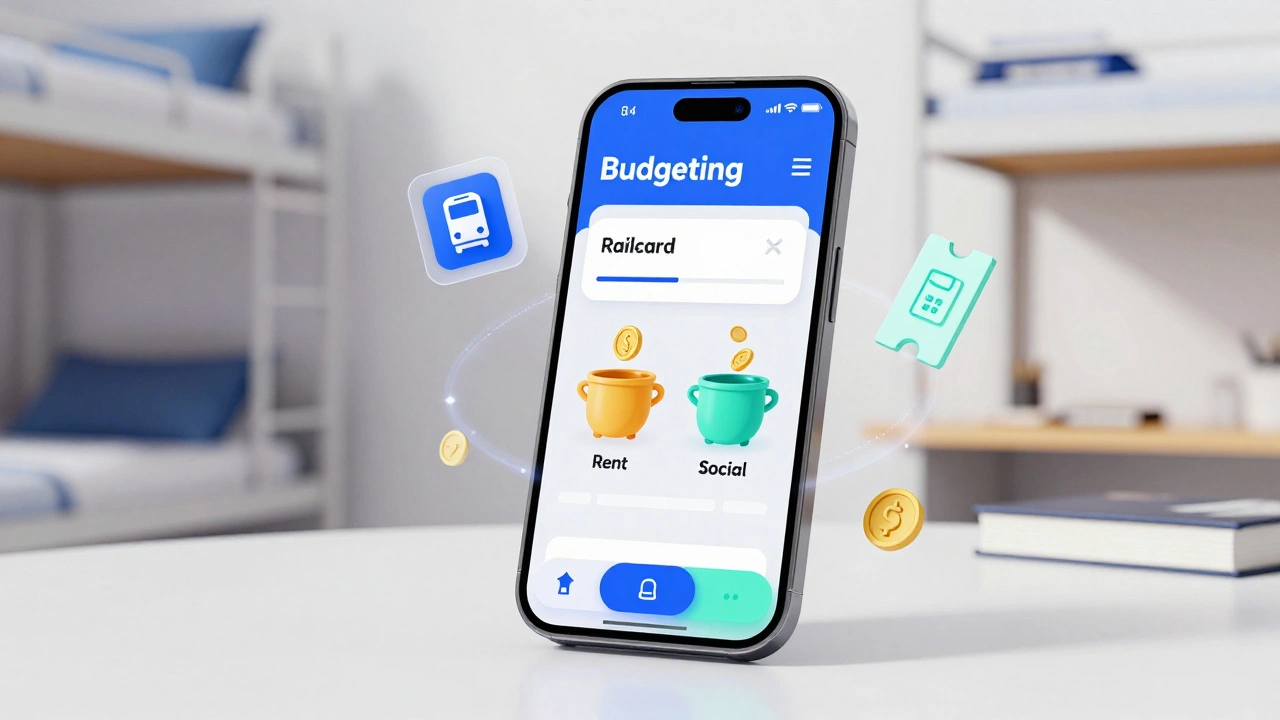
If you're someone who struggles with budgeting, look for an account with "pots" or "spaces." These allow you to separate your rent money from your "night out" money within the same account. This visual separation prevents the tragedy of realizing you've spent your electricity budget on a bunch of pizzas in week three.
Ask yourself these three questions before signing any contract:
- Do I need a physical branch for depositing cash or getting advice?
- How much of an interest-free overdraft do I actually need based on my loan schedule?
- Is the sign-up perk something I would actually pay for, or just a shiny distraction?
Common Pitfalls and Red Flags
One of the biggest mistakes students make is ignoring the "graduation transition." Most student accounts have a hard deadline-usually a few months after your course ends-where they automatically switch to a standard current account. When this happens, your 0% overdraft suddenly becomes a high-interest loan. If you still owe £2,000 when the account converts, you'll start paying significant interest immediately.
Another red flag is the "hidden fee" structure. Some accounts charge for using non-network ATMs or for replacing a lost card. While these are small amounts, they add up when you're living on a tight budget. Read the summary box-the legal document that summarizes the key features of the account-before you sign. It's boring, but it's the only place where the bank is legally required to be honest about the costs.

Managing Your Money Once the Account is Open
Once you've got your card, the goal is to maintain a healthy Credit Score. Using an overdraft responsibly (and paying it back) can actually show future lenders that you can manage credit. However, constantly hitting your limit and staying there for months is a signal of financial distress, not stability.
Set up direct debits for your essential bills-internet, phone, gym-immediately. This ensures you don't miss payments, which can negatively impact your credit rating. Most student banking apps now allow you to see "upcoming payments," which is a lifesaver for avoiding the "zero balance" panic a few days before your next loan installment hits.
Can I open a student account if I'm a mature student?
Yes, most UK banks offer student accounts to anyone enrolled in a recognized higher education course, regardless of age. However, some of the "young person" perks, like the 16-25 Railcard, may not be available if you are over 25.
What happens if I go over my overdraft limit?
If you exceed your agreed limit, the bank may decline your transaction at the point of sale, or they may allow it but charge you "unarranged overdraft fees," which are typically much higher than the standard interest rates.
Do I have to switch banks to get a student account?
You don't have to, but it's usually worth it. Standard accounts rarely offer the 0% interest overdrafts that student accounts do. Many banks use the Current Account Switch Service to make moving your money and direct debits automatic and painless.
Is it better to have two bank accounts?
Many students find it useful to have a traditional high-street account for their loan and overdraft, and a digital account (like Monzo) for daily spending and budgeting. This keeps your "big money" separate from your "spending money."
When is the best time to apply for a student account?
The best time is usually August or September, just before the academic year starts. You'll need your university acceptance letter or student finance award letter to prove your eligibility.
Next Steps for New Students
If you're still undecided, start by listing your "must-haves." Do you need a physical branch nearby? Do you travel a lot? Once you have your list, compare three different banks using their summary boxes. When you apply, have your passport, proof of address, and university acceptance letter ready as digital scans to speed up the process.
If you've already opened an account and realize it's not the right fit, don't panic. You can switch accounts at any time during your degree. Just make sure you clear any balances or overdrafts from your old account to avoid a messy transition.