
You’re standing in a bustling market in Bangkok or navigating the metro in Paris. Your phone buzzes with a notification: "Roaming charges apply." You check your balance and feel that familiar knot of anxiety tighten in your stomach. For UK students, keeping connected abroad shouldn't cost more than your monthly rent. The good news? You don’t need to rely on expensive carrier add-ons anymore. International SIM cards are now cheaper, faster, and easier to get than ever before.
This guide breaks down exactly which options work best for student budgets and travel styles. We’ll look at physical SIMs, digital eSIMs, and hybrid plans. By the end, you’ll know precisely how to stay online without draining your bank account.
Why Standard Roaming Fails Students
Most UK mobile networks like EE, Vodafone, Three, and O2 offer "inclusive" roaming zones. But here’s the catch: these zones often exclude popular student destinations like Thailand, Japan, or most of South America. Even within Europe, post-Brexit rules changed everything. Many providers scrapped free EU roaming, reintroducing daily fees that can hit £5-£7 per day. For a three-month semester abroad, that adds up to nearly £600 just for basic connectivity.
Students need flexibility. You might be backpacking through Southeast Asia one month and studying in Berlin the next. Locking into a single provider’s global plan rarely makes financial sense. Instead, buying local or regional SIM cards upon arrival usually saves 50-80% compared to home-network roaming. But not all local SIMs are created equal. Some require passport copies, registration queues, and English-speaking staff who aren’t always available. That’s where specialized international providers step in.
The Rise of eSIMs for Student Travelers
If your phone supports it (most iPhones from XS onwards and recent Android flagships), an eSIM is the most convenient option for students. An eSIM is a digital SIM embedded in your device. You download a data plan via an app or QR code, activate it instantly, and start using data immediately. No plastic card swapping, no losing tiny SIM trays, and no waiting in line at airport kiosks.
For UK students, this means you can keep your primary UK number active for calls and texts while using a separate data-only eSIM for apps like WhatsApp, Maps, and Instagram. This dual-SIM setup is crucial. It ensures you never miss important university emails or family calls on your main line, while enjoying cheap local data rates.
However, eSIMs have limitations. Not every country has robust eSIM support yet, though coverage is expanding rapidly. Also, once you install an eSIM profile, deleting it can sometimes be tricky if you want to switch providers mid-trip. Always check compatibility before purchasing.
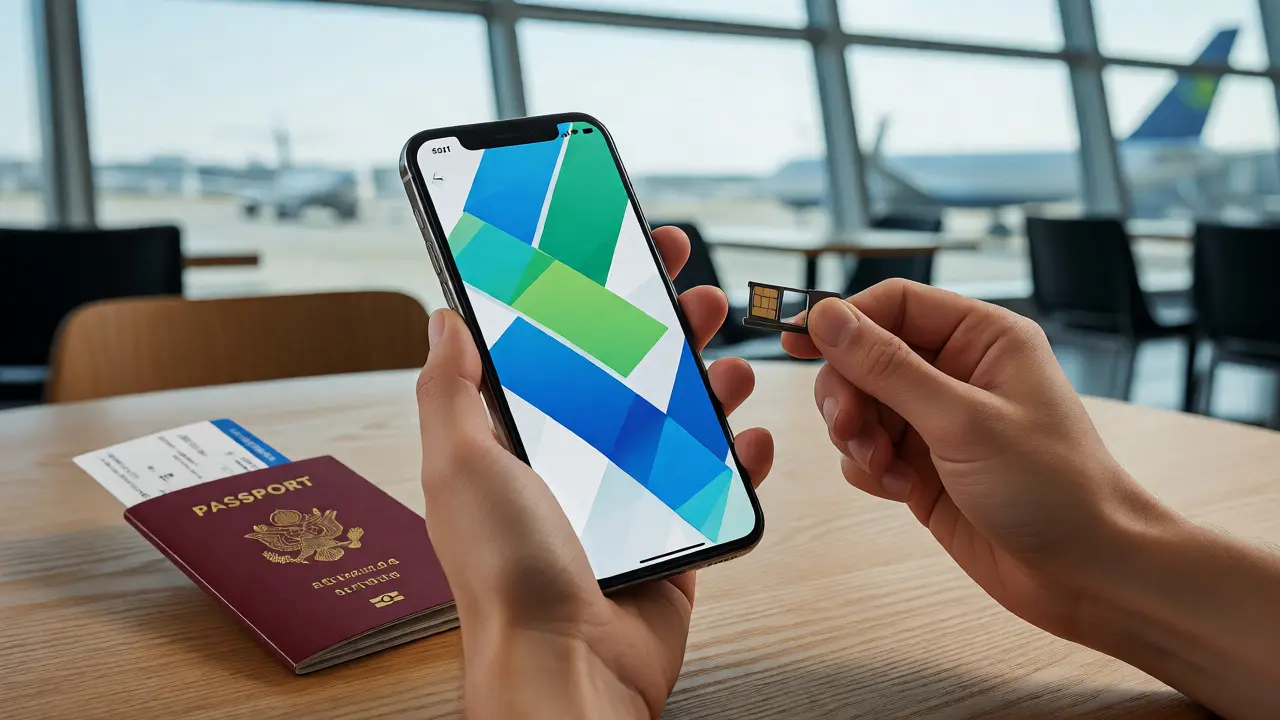
Top Physical SIM Options for Long Stays
For semester-long exchanges or gap years, physical SIM cards from dedicated international providers often offer better value per gigabyte than eSIMs. These companies aggregate local network partnerships to sell multi-country bundles.
| Provider | Best For | Average Cost (1GB) | Coverage | Setup Difficulty |
|---|---|---|---|---|
| Airalo | eSIM users; short trips | $4.50 - $10.00 | 200+ countries | Very Easy (App-based) |
| Holafly | Unlimited data needs | $19.00 / 5 days | 150+ countries | Easy (QR Code) |
| SimOptions | Multi-region packages | $3.00 - $8.00 | Regional bundles | Moderate (Physical shipping) |
| Orange Holiday | Europe-focused travelers | £10.00 / 20GB | UK + EU + US | Easy (Available at airports) |
| Local Carrier SIM | Long-term stays (>1 month) | Varies (Often cheapest) | Single Country | Hard (Registration required) |
Airalo stands out for its app interface. You buy a package for a specific country, scan a QR code, and you’re online. Their prices fluctuate based on demand, so booking early helps. If you’re heading to multiple countries in one trip, look for their "Regional" packages, which cover areas like Asia or Europe under one plan.
Holafly markets itself heavily on unlimited data. While tempting, read the fine print. "Unlimited" often throttles speeds after a certain high-speed threshold (e.g., 5GB). For students who mostly use messaging and maps, this is fine. If you’re streaming Netflix or uploading large files, you might hit those limits quickly.
Orange Holiday remains a solid choice for European exchanges. Since Orange has strong infrastructure across France, Spain, and Poland, their roaming agreements are stable. You can buy these SIMs at UK airports or order them online for delivery before you leave. The convenience factor here is huge-no scrambling for signal when you land.
How to Choose Based on Your Destination
Your destination dictates the best strategy. There is no one-size-fits-all solution.
- Europe: If you’re studying in the EU, check if your UK provider still offers inclusive roaming. Three and Vodafone often include EU usage in premium plans. If not, an eSIM from Airalo or Holafly is usually cheaper than daily roaming fees. Local SIMs in countries like Germany or France require address registration, which can be a hassle for short stays.
- Asia & Oceania: Data is incredibly cheap here. In Thailand, Vietnam, or Australia, buying a local tourist SIM at the airport costs roughly £10-£15 for massive data allowances (often 10GB+). eSIMs work well in major hubs like Tokyo, Singapore, and Sydney, but rural areas may still favor physical SIMs from local carriers like AIS or Telstra.
- The Americas: North America has excellent eSIM coverage. For Latin America, physical SIMs from providers like Claro or Movistar are often necessary. Be wary of "unlimited" plans in Mexico-they frequently throttle speeds significantly after 2GB.
- Africa & Middle East: Connectivity varies wildly. In places like Egypt or Morocco, local SIMs are mandatory due to strict regulations requiring passport registration. eSIM adoption is growing in UAE and South Africa, but verify compatibility first.

Pitfalls to Avoid When Buying Travel SIMs
Even experienced travelers make mistakes. Here’s what trips up students:
- Ignoring Phone Unlock Status: Your phone must be unlocked from your UK carrier to accept foreign SIMs. Call your provider to confirm. If it’s locked, unlocking fees can range from £0 to £89, depending on your contract age.
- Assuming Calls Work: Most travel SIMs are data-only. To call home, use Wi-Fi calling or VoIP apps like WhatsApp or Skype. Traditional voice minutes are rarely included in cheap international plans.
- Overbuying Data: Students tend to overestimate usage. Check your current average. If you use 2GB/month at home, you won’t suddenly need 10GB abroad unless you’re streaming constantly. Buy smaller top-ups and add more if needed.
- Missing Registration Deadlines: In countries like India or Turkey, you must register your SIM within 24 hours of activation, often requiring a biometric scan. Do this immediately upon arrival.
Practical Tips for Saving Money
Connectivity doesn’t have to break the budget. Follow these rules of thumb:
- Use Free Wi-Fi Wisely: Universities provide extensive campus Wi-Fi. Use it for heavy downloads, updates, and backups. Save your mobile data for navigation and communication on the go.
- Download Offline Maps: Google Maps allows offline map downloads. Download your city before leaving your accommodation. This saves hundreds of megabytes daily.
- Turn Off Background Data: Apps like Facebook and Instagram consume data silently. Restrict background data usage for non-essential apps in your phone settings.
- Consider Dual-SIM Phones: If you don’t have eSIM capability, consider a dual-SIM physical slot phone. Keep your UK SIM for receiving texts (bank codes, 2FA) and insert a local SIM for data.
Remember, the goal is seamless connection, not maximum data. Prioritize reliability and ease of setup over the absolute lowest price per GB if it means avoiding technical headaches during your move.
Do I need to unlock my phone before traveling?
Yes, in most cases. If your phone is tied to a UK contract, it may be locked to that network. You must contact your provider to request an unlock code. Once unlocked, your phone can accept SIM cards from any operator worldwide. Note that some newer phones sold directly by manufacturers are already unlocked.
Can I keep my UK number while using a travel SIM?
If you have a dual-SIM or eSIM-compatible phone, yes. You can keep your UK SIM active for calls and texts while using a second SIM or eSIM for data. If you only have one SIM slot, you will lose access to your UK number for calls/texts while the travel SIM is inserted, unless you forward calls to voicemail or use Wi-Fi calling.
Are eSIMs better than physical SIMs for students?
Generally, yes, for convenience. eSIMs allow instant activation and easy switching between providers without carrying plastic cards. However, physical SIMs can sometimes offer lower prices in regions with less eSIM infrastructure. Choose eSIMs for tech-savvy students with compatible devices and frequent travelers; choose physical SIMs for long-term stays in developing nations or older phones.
What happens if I run out of data mid-trip?
With eSIMs like Airalo, you can top up directly in the app instantly. With physical SIMs, you may need to find a local retailer or kiosk to buy a top-up voucher, which can be inconvenient if you are in a remote area. Always monitor your data usage closely and set alerts on your phone.
Is it worth buying a local SIM instead of an international one?
For stays longer than four weeks, local SIMs are almost always cheaper and offer better local call rates. For shorter trips or multi-country tours, international SIMs save time and avoid complex registration processes. Balance the cost savings against the time spent registering and managing a local plan.