Planning a trip to the UK as a student? Finding a place to sleep doesn’t have to cost a fortune. Whether you’re visiting for a weekend conference, a short study exchange, or just exploring between classes, where you stay can make or break your budget. The good news? There are plenty of smart, affordable options beyond pricey hotels. Hostels, Airbnb rentals, and a few lesser-known tricks can cut your lodging costs by half-or more.
Hostels: More Than Just Dorm Beds
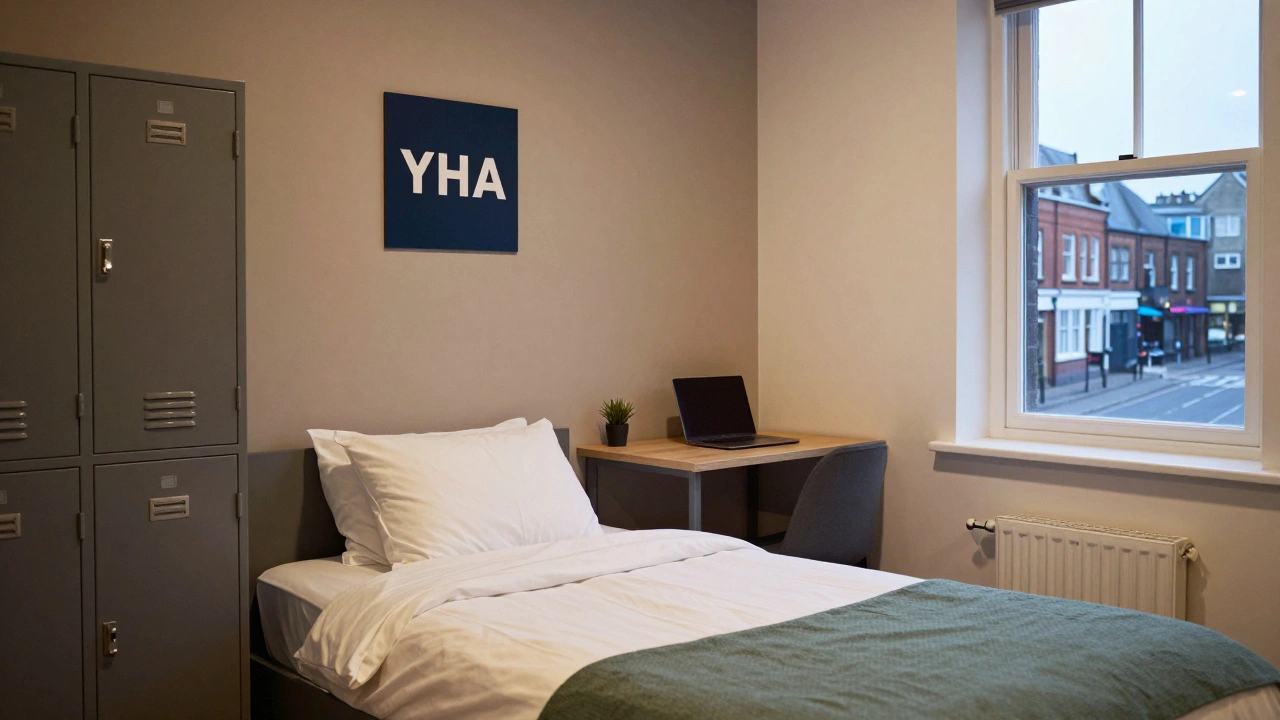
Hostels aren’t just for backpackers in their 20s. Many UK hostels now offer private rooms with en-suite bathrooms, secure lockers, and even kitchen access. Places like YHA (Youth Hostels Association) and Hostelling International have locations in nearly every major city and university town. In London, a private room in a YHA hostel costs around £45 per night. In Edinburgh, it’s closer to £35. Compare that to a hotel room, which can easily hit £120+.
What makes hostels great for students? You get free Wi-Fi, laundry, and sometimes even breakfast. Many also organize free walking tours or pub nights-perfect for meeting other travelers. Some hostels even have study lounges with quiet hours. Look for ones with 24/7 check-in if you’re arriving late from a flight or train.
Pro tip: Book early. Popular hostels in Oxford, Cambridge, or York fill up fast during term breaks. Use filters on booking sites to sort by "student-friendly" or "private room" to skip the dorms if you need privacy.
Airbnb: The Student Secret
Airbnb isn’t just for families or couples. A growing number of UK hosts rent out single rooms in their homes specifically to students or young travelers. These aren’t always the flashiest listings-but they’re often the most affordable.
In Manchester, you can find a private room in a shared flat for £30-£40 per night. In Cardiff, it’s not unusual to see rooms under £25 if you’re flexible with location. Many hosts offer kitchen access, which means you can skip eating out. Cook a pasta meal, grab a coffee from the local shop, and you’ve saved £15 on dinner.
Look for listings with keywords like "student traveler welcome," "long stay discount," or "university nearby." Filter by "entire place" only if you’re traveling with a group. For solo travelers, a private room in a shared house is often cheaper and safer than a whole apartment.
Check reviews carefully. Look for mentions of cleanliness, quiet hours, and how responsive the host is. Avoid places with no verified ID or zero reviews. A host with 50+ reviews and a 4.8 rating is usually a safe bet.
University Guest Houses: The Hidden Gem
Most UK universities have guest houses or student accommodation that opens up to the public during holidays and breaks. These are often the cheapest option of all-and they’re designed for people just like you.
At the University of Bath, a single room in a student dorm during summer break costs £28 a night. In Belfast, Queen’s University offers rooms from £22. Many include breakfast, Wi-Fi, and access to campus facilities like libraries and gyms.
How do you find them? Search for “[University Name] guest accommodation” or “student housing open to visitors.” Sites like Student Housing and University Accommodation Network list available spots. You’ll need to book directly through the university’s website, not via Airbnb or Booking.com.
These places are usually clean, quiet, and close to public transport. The catch? They’re often only available during university breaks: summer, Christmas, and Easter. Plan ahead-slots fill up months in advance.
Other Budget Options You Might Not Know
There’s more than hostels and Airbnb. Here are three lesser-known tricks:
- Volunteer stays - Sites like Workaway and HelpX connect travelers with hosts who offer free lodging in exchange for a few hours of help: gardening, babysitting, or office tasks. Great for longer stays.
- Student unions - Many UK student unions run short-term stays for visiting students. You’ll need a valid student ID, but prices start at £20/night. Check your own university’s international office-they often have partnerships.
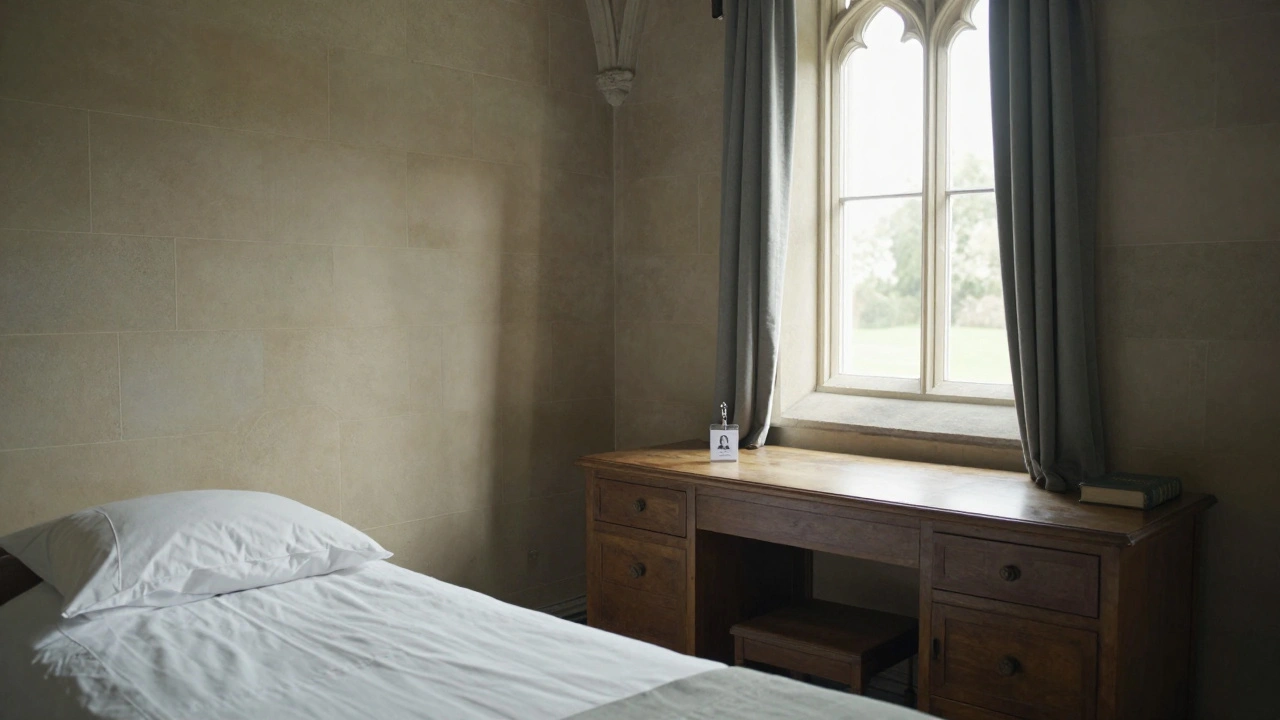
- Monastery stays - Yes, really. Historic monasteries in Wales and Yorkshire rent out simple rooms to travelers. Think stone walls, candlelight, and silence. Prices range from £20-£35. Search "monastery guesthouse UK" for options.
What to Avoid
Not every cheap option is smart. Skip these traps:
- Unlicensed Airbnb hosts - Some landlords in London and Manchester rent out rooms illegally. They may disappear, or you might get kicked out mid-stay. Always check if the listing has a valid registration number.
- Hostels with no lockers - If there’s no secure storage, don’t risk leaving your laptop or passport.
- Booking too far in advance - Many budget stays offer last-minute discounts. Wait until 2-3 weeks before your trip to get the best deals.
- Pay-for-what-you-don’t-need - Skip the "premium cleaning fee" or "breakfast upgrade" unless you’ll use it. Most hostels and Airbnb hosts offer free tea and coffee anyway.
How to Save Even More
Here’s how real students cut costs:
- Use student discount cards - ISIC (International Student Identity Card) gives you 10-20% off hostels and attractions.
- Travel midweek - Friday and Saturday nights are priciest. Book Sunday-Thursday for the best rates.
- Split costs - If you’re with friends, rent a whole apartment on Airbnb and split it 4 ways. A £100/night flat becomes £25 per person.
- Use public transport apps - Many UK cities offer student discounts on buses and trains. Download Citymapper or National Rail Enquiries before you go.
One student from Toronto stayed in York for 10 nights last summer. She booked a private room in a YHA hostel for £30/night, cooked most meals, used her ISIC card for free museum entry, and rode the bus for £1.50 per trip. Total cost? £340 for 10 days. A hotel would’ve cost over £1,000.
Final Checklist Before You Book
- Is the location within walking distance of a train or bus stop?
- Does the listing have verified reviews from other students?
- Is there free Wi-Fi and a kitchen?
- Can you cancel for free if your plans change?
- Do you need to show a student ID to check in?
Student travel doesn’t mean sleeping on a park bench. With the right choices, you can stay safe, comfortable, and still have money left for tea, museums, and that £5 ice cream you’ve been dreaming about.
Are hostels safe for solo female students in the UK?
Yes, most UK hostels are very safe for solo female travelers. Many have female-only dorms, 24-hour reception, keycard access, and secure lockers. Hostels like YHA and Hostelling International have strict safety policies and staff trained in traveler safety. Always check reviews for mentions of security and cleanliness before booking.
Can I use my US student ID to get discounts?
You’ll need an ISIC (International Student Identity Card) to access most student discounts in the UK. Your US student ID alone won’t work. The ISIC costs about £12 online and is accepted at hostels, museums, train stations, and many shops. Apply before you leave-it takes 3-5 business days to arrive.
Is Airbnb cheaper than hostels for a week-long stay?
It depends. For a single person, a hostel private room is usually cheaper-£30-£40/night vs. £40-£70 for an Airbnb room. But if you’re traveling with 2-3 others, splitting a full Airbnb apartment can bring your cost down to £20-£25 per person. Always compare total price, not just nightly rate.
Do university guest houses allow short stays?
Yes, many universities allow stays as short as one night during breaks. Some require a minimum stay of 3-5 nights, especially in peak seasons. Always check the university’s guest accommodation page for rules. You’ll usually need to book directly through their website and provide your student ID or proof of enrollment.
What’s the best way to find last-minute deals?
Use apps like Booking.com and Airbnb with the "flexible dates" filter. Set alerts for your destination and check daily. Many hosts drop prices 48 hours before check-in if the room is still empty. Also, join Facebook groups like "UK Student Travel Deals"-locals often post last-minute room vacancies.
Next time you plan a UK trip, skip the hotel. Try a hostel, a student guest house, or even a volunteer stay. You’ll sleep better, save money, and maybe even make a friend or two along the way.