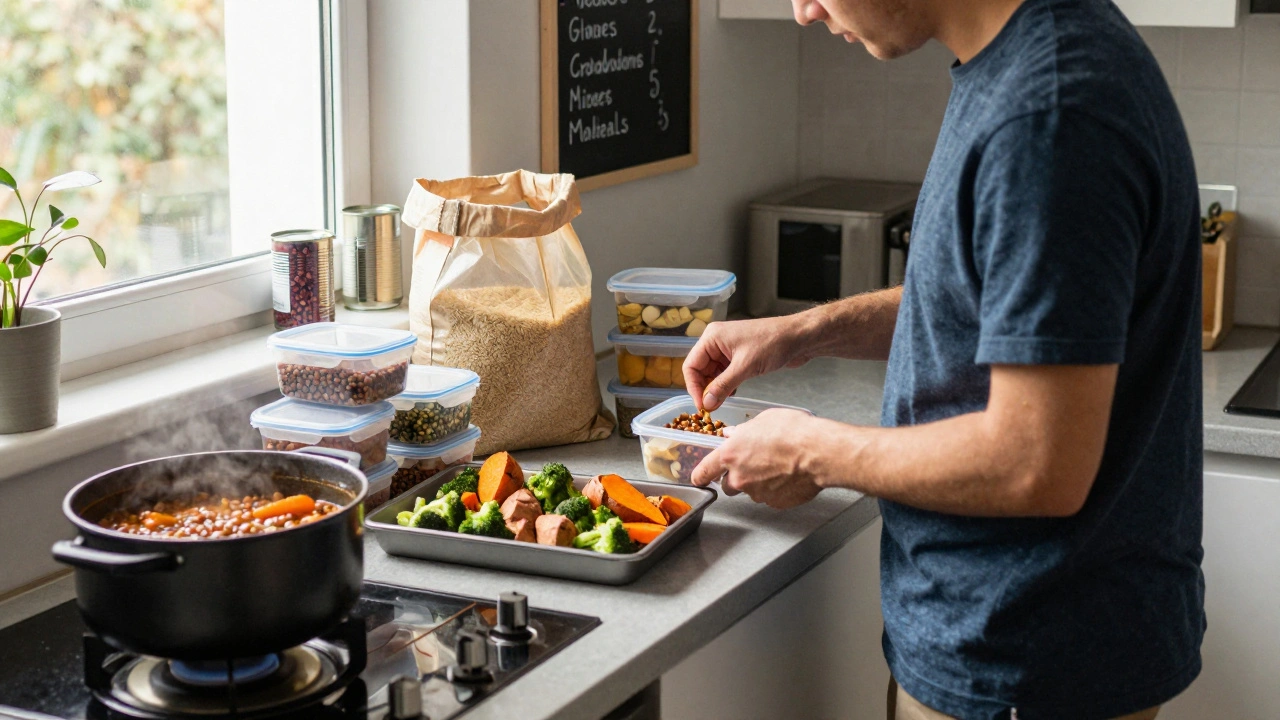
Being a student in the UK means juggling lectures, part-time jobs, and social life-all while trying not to live on instant noodles. If you’ve ever stared into an empty fridge at 11 PM wondering what’s left to eat, you know how hard it is to cook when you’re tired, broke, and short on time. That’s where batch cooking and meal prep come in. It’s not about becoming a chef. It’s about saving money, eating better, and keeping your energy up without spending hours in the kitchen every day.
Why Batch Cooking Works for Students
Batch cooking means making large portions of food once, then eating them over several meals. It cuts down on daily cooking time, reduces food waste, and helps you stick to a budget. A 2024 study by the UK Student Food Survey found that students who batch cooked saved an average of £37 a month on groceries and ate at least three homemade meals per week instead of takeaways.
Think about it: buying ingredients in bulk is cheaper. A 1kg bag of brown rice costs less than half the price of five ready meals. Cooking a big pot of lentil stew on Sunday takes 45 minutes. That’s one hour of work for six meals. That’s less than £2 per meal. Compare that to £6 for a sandwich and a coffee from campus.
Start Simple: 3 Basic Meals That Last
You don’t need fancy recipes. Stick to three reliable base meals that are easy to scale, store, and reheat.
- Grain bowls: Cook a big batch of quinoa, brown rice, or barley. Add canned beans, roasted veggies (sweet potatoes, broccoli, peppers), and a simple dressing (olive oil, lemon, garlic). Mix and match toppings each day.
- One-pot stews: Lentil, chickpea, or mince stew with onions, carrots, and tomatoes. Freeze half for later. These freeze perfectly and taste even better the next day.
- Baked protein + sides: Bake chicken thighs, tofu, or halloumi in bulk. Pair with steamed greens and roasted potatoes. Store in separate containers so nothing gets soggy.
These meals use ingredients you can buy in bulk: dried beans, frozen veggies, canned tomatoes, and seasonal root vegetables. They’re also flexible-if you don’t like kale, swap it for spinach. No need to be perfect.
Tools You Actually Need
You don’t need a kitchen full of gadgets. Just these five things:
- One large pot (for stews and grains)
- Two baking trays (for roasting veggies and proteins)
- Five airtight containers (glass or BPA-free plastic)
- A sharp knife and cutting board
- A slow cooker (optional, but great for overnight stews)
That’s it. No food processor. No sous-vide machine. No fancy gadgets. Students in Manchester and Cardiff are using this exact setup to feed themselves for weeks.
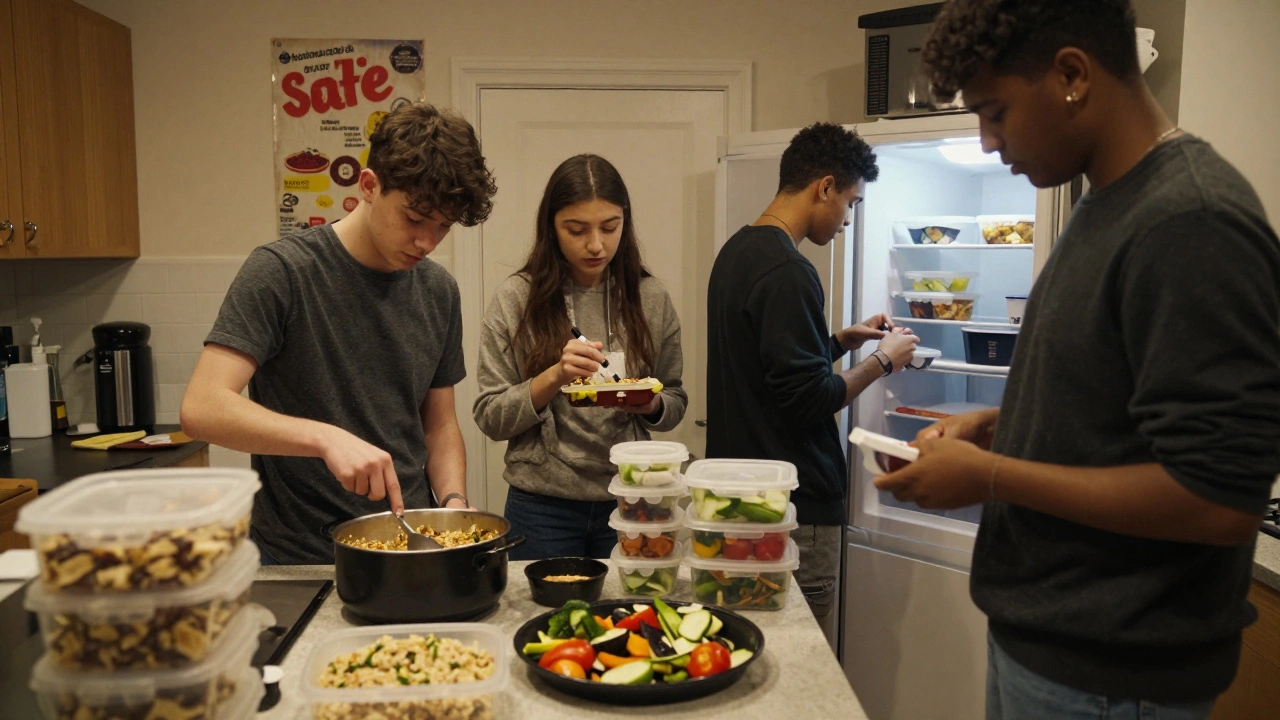
How to Plan Your Batch Cook Day
Set aside two hours on a weekend. Pick one day-Sunday works for most. Here’s how to do it:
- Plan your meals: Choose 3 recipes. Write down what you need. Stick to 5-6 ingredients per recipe.
- Shop smart: Buy in bulk. Frozen veggies last longer and cost less. Canned beans are cheaper than fresh. Look for student discounts at Tesco, Sainsbury’s, or Aldi.
- Cook in batches: Start with grains. While they’re cooking, roast veggies. While that’s in the oven, brown your protein. Use overlapping timers.
- Portion and label: Put each meal in its own container. Write the date and name on it with a marker. This stops you from forgetting what’s in there.
- Freeze extras: If you made too much, freeze half. Label it clearly. Frozen meals last 2-3 months.
Pro tip: Keep a “meal prep checklist” on your fridge. Write down what you cooked each week. You’ll start seeing patterns-like how much rice you use, or how often you crave curry.
What to Avoid
Most students make these mistakes:
- Overcomplicating recipes: If it takes more than 30 minutes to prep, you won’t do it again.
- Using too many spices: Keep it simple. Salt, pepper, garlic, paprika, and soy sauce cover 90% of meals.
- Storing everything together: Wet food on dry food = soggy mess. Keep sauces, grains, and proteins separate until you’re ready to eat.
- Trying to cook every day: Batch cooking is about doing less. If you cook three times a week, you’re doing great.
One student in Glasgow said she tried making five different meals one Sunday. She ended up throwing away three. Now she makes one stew, one grain bowl, and one baked protein. That’s it. And she’s happier.
How to Keep It Fresh (Without Boring Yourself)
Repeating the same meals gets dull. Here’s how to keep things interesting without extra work:
- Change the sauce: Same chicken? Try teriyaki one week, tomato-herb the next.
- Add a topping: A spoonful of pesto, a sprinkle of cheese, or a handful of nuts changes the whole feel.
- Rotate your proteins: Chicken one week, lentils the next, tofu the week after.
- Use leftovers creatively: Turn last week’s stew into a pie filling. Mix leftover rice into an omelette.
Small changes make big differences. You don’t need to cook a new dish every day. Just tweak what you already have.
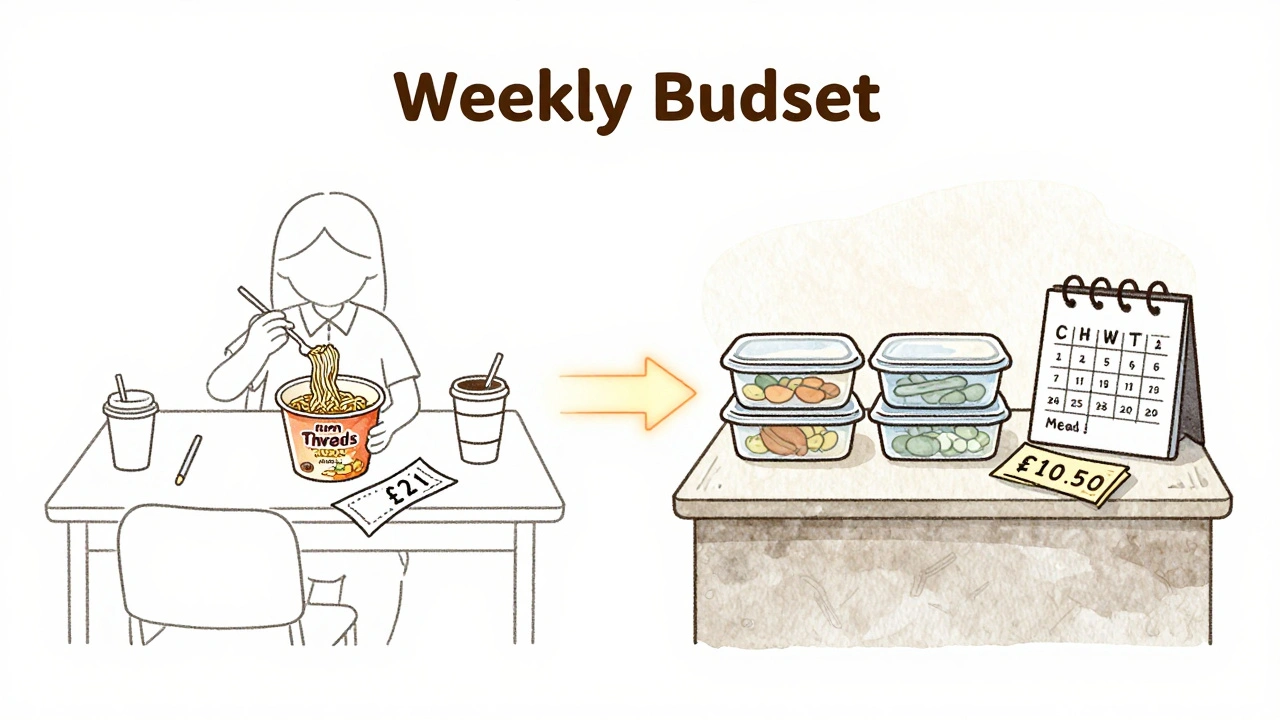
Real Student Budget Breakdown
Here’s what a typical week looks like for a student using batch cooking:
| Item | Batch Cooking (£) | Takeaway (£) |
|---|---|---|
| Breakfast (oats, banana) | 1.20 | 2.50 |
| Lunch (grain bowl) | 1.80 | 7.00 |
| Dinner (stew + bread) | 2.10 | 8.50 |
| Snacks (fruit, nuts) | 1.50 | 3.00 |
| Total per week | 10.50 | 21.00 |
That’s over £50 saved per month. Enough for a weekend trip, new books, or extra phone data.
What If You Live in a Shared House?
Sharing a kitchen doesn’t mean you can’t batch cook. Just plan ahead:
- Coordinate with flatmates. One person cooks rice, another does veggies. Split the cost.
- Use labeled containers. Write your name on them. No one touches them.
- Use the freezer. It’s your best friend. Freeze meals in individual portions.
- Set a “clean-out day” once a month. Clear out old containers. No one likes mystery food.
Many student flats in London and Edinburgh have meal prep groups. They rotate who cooks each week. Everyone eats well. No one feels stuck with the dishes.
Final Tip: Start Small
You don’t need to cook for the whole month on day one. Start with one meal. Make a big batch of pasta sauce on Sunday. Eat it three times. Then next week, add one more dish. After a month, you’ll be cooking four meals in two hours. And you’ll wonder how you ever lived without it.
The goal isn’t perfection. It’s consistency. Even if you only batch cook once every two weeks, you’re still saving money, eating better, and cutting down on stress. That’s a win.
Do I need special containers for batch cooking?
No. Any clean, airtight container works-Tupperware, glass jars, even recycled yogurt pots with a lid. Just make sure they seal well and are microwave-safe if you plan to reheat. Avoid flimsy plastic that cracks after a few uses. Glass lasts longer and doesn’t stain.
How long do batch-cooked meals last in the fridge?
Most cooked meals last 4-5 days in the fridge. Grain bowls with raw veggies should be eaten within 3 days. Stews and soups can last up to 6 days if stored properly. Always check for smell or mold before eating. When in doubt, throw it out.
Can I batch cook vegetarian meals?
Absolutely. Lentils, chickpeas, tofu, and beans are cheap, filling, and packed with protein. Try a spicy chickpea curry, roasted vegetable quinoa bake, or black bean tacos. Many UK student meal prep groups focus on plant-based meals because they’re affordable and easy to scale.
What if I don’t have a fridge or freezer?
Most student accommodation includes a fridge. If you’re in temporary housing without one, focus on meals that don’t need refrigeration: dried beans, pasta, rice, canned tuna, peanut butter, oats, and fresh fruit. Cook smaller portions daily. It’s less efficient, but still better than takeaways.
Is batch cooking worth it if I only have 1 hour a week?
Yes. One hour can make 3-4 meals. Cook a big pot of rice, roast a tray of veggies, and bake a few chicken breasts. That’s enough for lunch and dinner for 3 days. You’ll still save money and avoid stress. Even small efforts add up. Start with one meal. Build from there.