Living in student accommodation in the UK isn’t just about lectures and deadlines. It’s about knowing when a dripping tap is just annoying and when it’s a sign your pipes are about to burst. It’s about realizing your boiler isn’t just being temperamental-it might be unsafe. Most students don’t learn these things until something breaks, and by then, it’s usually expensive, stressful, or both.
Know Your Responsibilities
As a tenant, you’re not expected to be a plumber, electrician, or gas engineer. But you are responsible for basic upkeep. The law in the UK (under the Landlord and Tenant Act 1985) says your landlord must keep the structure, heating, and water systems in good repair. But if you leave a tap running for three days and flood the flat below, that’s on you. Simple daily habits prevent most big problems.
Check your tenancy agreement. It should list what you’re expected to do. If it doesn’t, assume this: clean filters, report leaks immediately, don’t overload sockets, and never try to fix gas or electrical systems yourself.
Fix These 5 Things Yourself (Before They Get Worse)
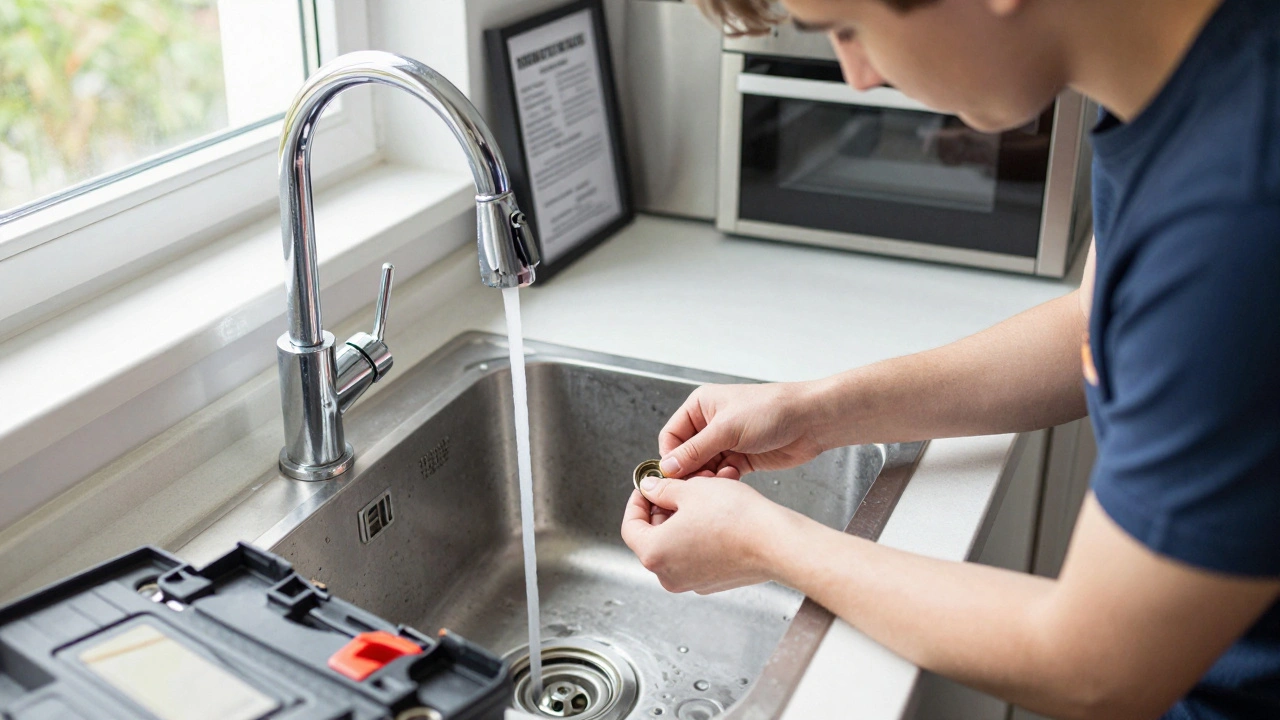
- Leaky taps - Most leaks come from worn washers. Turn off the water supply under the sink, unscrew the tap head, replace the washer (cost: £2-£5), and reassemble. YouTube has 10-minute tutorials for every common UK tap type. Don’t ignore it. A dripping tap can waste over 5,000 litres of water a year.
- Clogged drains - Hair and grease are the usual culprits. Pour half a cup of baking soda, then a cup of white vinegar down the drain. Wait 15 minutes, then flush with boiling water. Repeat if needed. Avoid chemical drain cleaners-they eat through pipes over time. If it’s still slow after two tries, call your landlord. A blocked drain can lead to damp and mould.
- Flickering lights - One bulb flickering? Replace it. Multiple lights flickering? That’s not a bulb issue. It could be a loose wire or overloaded circuit. Turn off the affected circuit at the fuse box and call your landlord immediately. Don’t wait until the lights go out completely. Electrical fires start with small signs.
- Condensation and mould - This is huge in UK student homes. If you see black spots on bathroom walls or windows fogging up constantly, you’re not breathing right. Open windows for 10 minutes after showers. Use extractor fans. Wipe down wet surfaces daily. Buy a dehumidifier (under £50 online) if your room stays damp. Mould isn’t just ugly-it causes asthma and lung problems. Landlords must fix structural damp, but you control humidity.
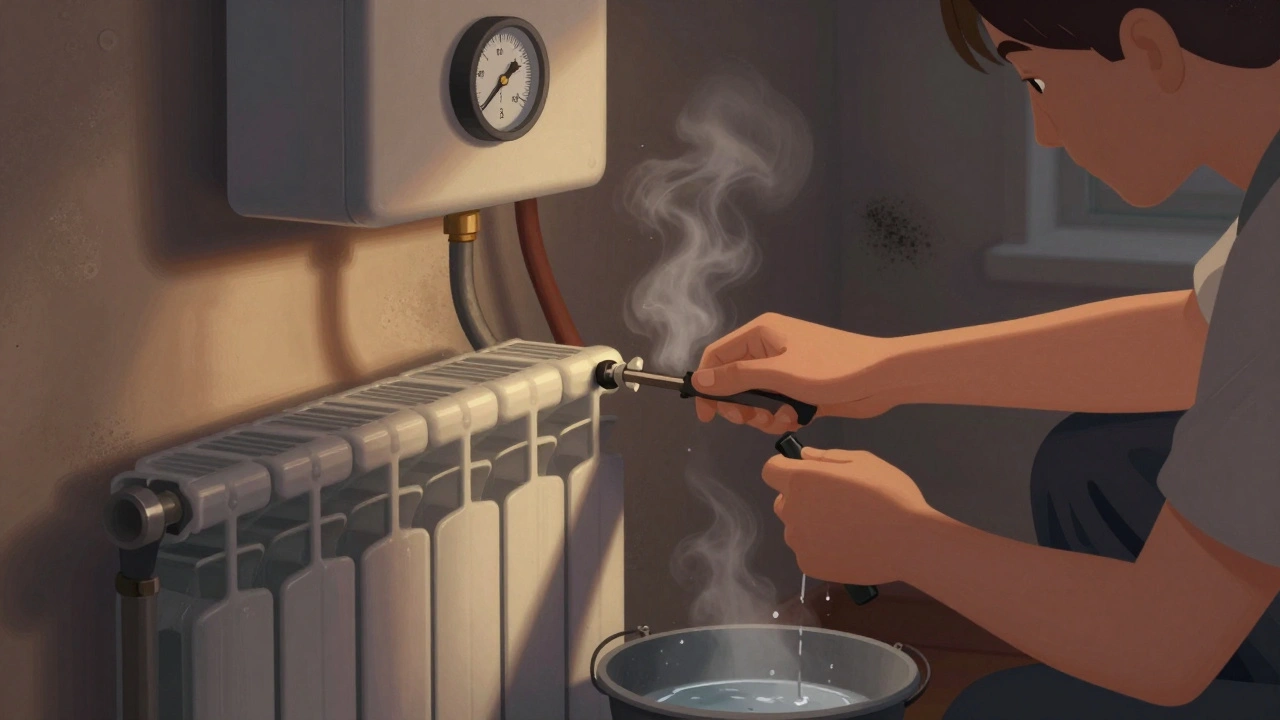
- Unusual boiler noises - Gurgling, banging, or whistling? These aren’t normal. They mean air in the system or low water pressure. Bleeding your radiators is easy: turn off the heating, use a radiator key to open the valve until water drips (not air), then close it. Do this once a year. If the boiler keeps making noise after bleeding, or if it won’t turn on at all, call your landlord. Don’t try to reset it five times. That’s how boilers die.
When to Call for Help (And What to Say)
There are three things you should never try to fix yourself:
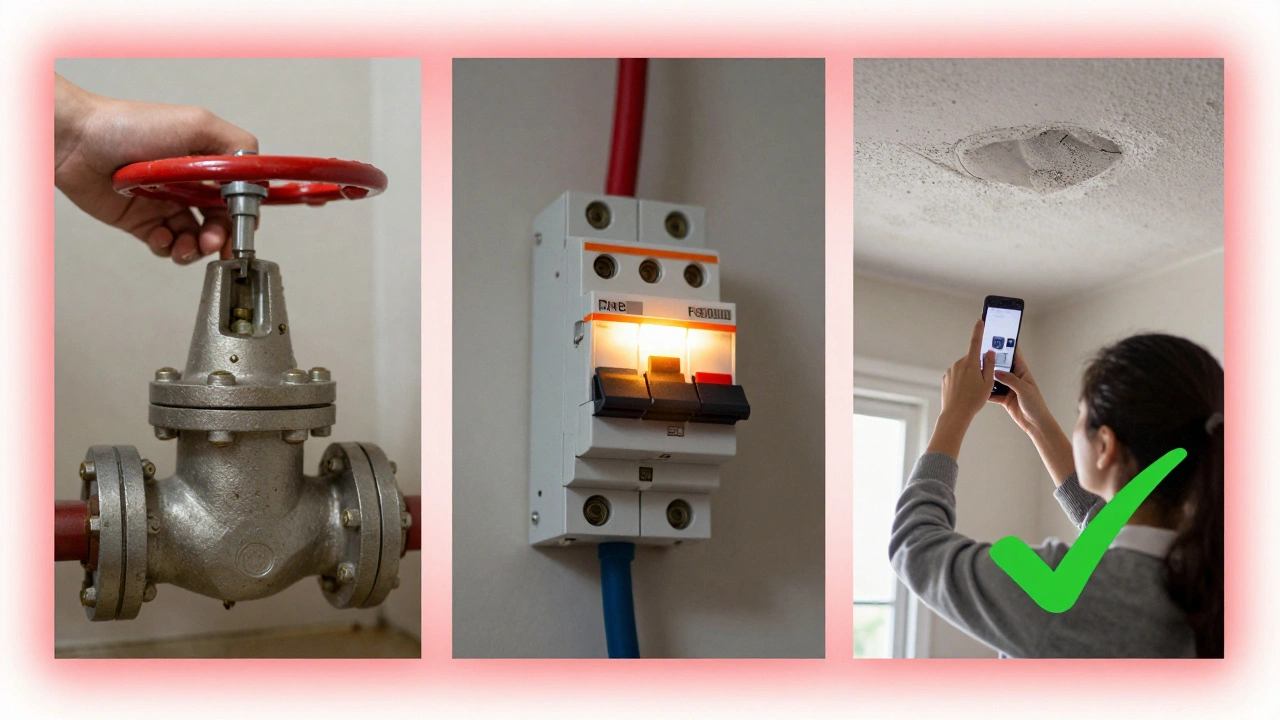
- Gas leaks - If you smell rotten eggs (that’s added to gas as a warning), turn off the gas at the main valve, open windows, get out of the building, and call the National Gas Emergency Service on 0800 111 999. Do not use your phone inside. Do not switch lights on or off. Gas explosions don’t care if you’re studying for an exam.
- Electrical faults - Sparking sockets, burning smells, or breakers that keep tripping? Turn off the main power at the fuse box and call your landlord. Never touch exposed wires. Even if you’ve watched ten YouTube videos, you’re not qualified. A single mistake can kill you or start a fire.
- Structural issues - Cracks in walls, sagging floors, or a roof that leaks during rain? These are landlord responsibilities. Document it: take photos, write a dated email, and send it to your landlord or property manager. If they ignore you for more than 14 days, contact your university’s housing office. In the UK, landlords must respond within 14 days for urgent repairs.
When you call, be clear. Say: “I’m a tenant at [address]. The [problem] started on [date]. I’ve tried [action]. It’s affecting [daily life]. I need this fixed by [date].” Keep a copy of every message. Paper trails save you from being blamed.
What Your Landlord Must Fix (And What They Can’t Avoid)
Under UK law, your landlord must provide:
- Working heating and hot water (even in summer-yes, legally)
- Structural integrity (no falling ceilings, cracked walls, or broken windows)
- Safe electrical wiring and gas appliances (with annual Gas Safety Certificates)
- Drains, pipes, and sinks in working order
- Smoke and carbon monoxide detectors (and they must be working)
They don’t have to fix:
- Broken appliances you brought in (your kettle, TV, microwave)
- Damage caused by your negligence (burnt carpets, smashed tiles)
- General wear and tear you could’ve prevented (mould from not ventilating)
If your landlord refuses to fix something they’re legally required to, you can report them to your local council’s environmental health team. Many universities have legal advice services for students. Use them.
Prevention Is Cheaper Than Repair
Most student housing problems happen because no one checks things until they break. Set a monthly reminder on your phone: check the boiler pressure (should be between 1-1.5 bar), test smoke alarms, wipe down bathroom tiles, and look under sinks for damp. Keep a notebook-write down what you checked and when.
Buy a basic toolkit: a wrench, a screwdriver set, a torch, and a radiator key. You can get one for under £15 on Amazon. It’s not about being a handyman. It’s about knowing when to act before it becomes someone else’s problem.
What Happens If You Ignore It?
Ignoring a small leak can lead to a £2,000 water damage claim. A neglected boiler might get you a £500 fine if it fails inspection. A mouldy room could make you sick. Landlords can deduct repair costs from your deposit-and they’ll do it if you didn’t report issues early.
One student in Manchester ignored a slow leak for six weeks. By the time she told her landlord, the ceiling in the flat below had collapsed. Her deposit was wiped out. She paid £800 extra in legal fees. She didn’t even get a refund.
Don’t be that student.
Quick Checklist: Monthly Household Check
- Test smoke and carbon monoxide alarms
- Check boiler pressure (1-1.5 bar)
- Bleed one radiator
- Look under sinks and behind appliances for damp
- Flush drains with hot water and vinegar
- Wipe down bathroom walls and windows
- Check electrical cords for fraying
- Take a photo of any new damage
Do this once a month. It takes 10 minutes. It saves you hundreds-or thousands.
What should I do if my boiler stops working in winter?
First, check the pressure gauge. If it’s below 1 bar, try bleeding the radiators. If that doesn’t work, check if the power is on and the timer is set. If the boiler still won’t light, call your landlord immediately. Don’t use portable heaters as a long-term fix-they’re fire risks. In cold weather, landlords must respond within 24 hours for heating repairs.
Can my landlord charge me for repairs if I didn’t cause the damage?
No. Under UK law, landlords must cover repairs for structural issues, heating, plumbing, and electrical faults unless you caused the damage. If they try to charge you, ask for written proof of the cause. Keep copies of all communication. If they still refuse, contact your university’s housing officer or your local council’s environmental health department.
How do I know if a mould problem is my fault?
If the mould is only in one room and you never open windows or use the extractor fan, it’s likely due to poor ventilation on your part. But if the mould is on external walls, corners, or behind furniture, it’s probably structural damp-which the landlord must fix. Take photos and send them with your report. If the landlord ignores you, the council can inspect and order repairs.
What if my landlord doesn’t respond to my repair request?
Wait 14 days. If there’s still no action, send a follow-up email with a deadline. If they still don’t reply, contact your university’s student union or housing office. Many offer free legal advice. You can also report them to your local council’s environmental health team. They have the power to force repairs and fine landlords.
Should I get contents insurance as a student?
Yes, if you have expensive items like a laptop, games console, or musical equipment. Most student insurance policies cover accidental damage, theft, and sometimes even water damage caused by you. It costs around £30-£60 a year. Your parents’ home insurance might cover you too-check before buying.
Living independently isn’t about being perfect. It’s about being aware. A little attention now stops a disaster later. You’re not expected to fix everything. But you are expected to notice when something’s wrong-and speak up before it’s too late.