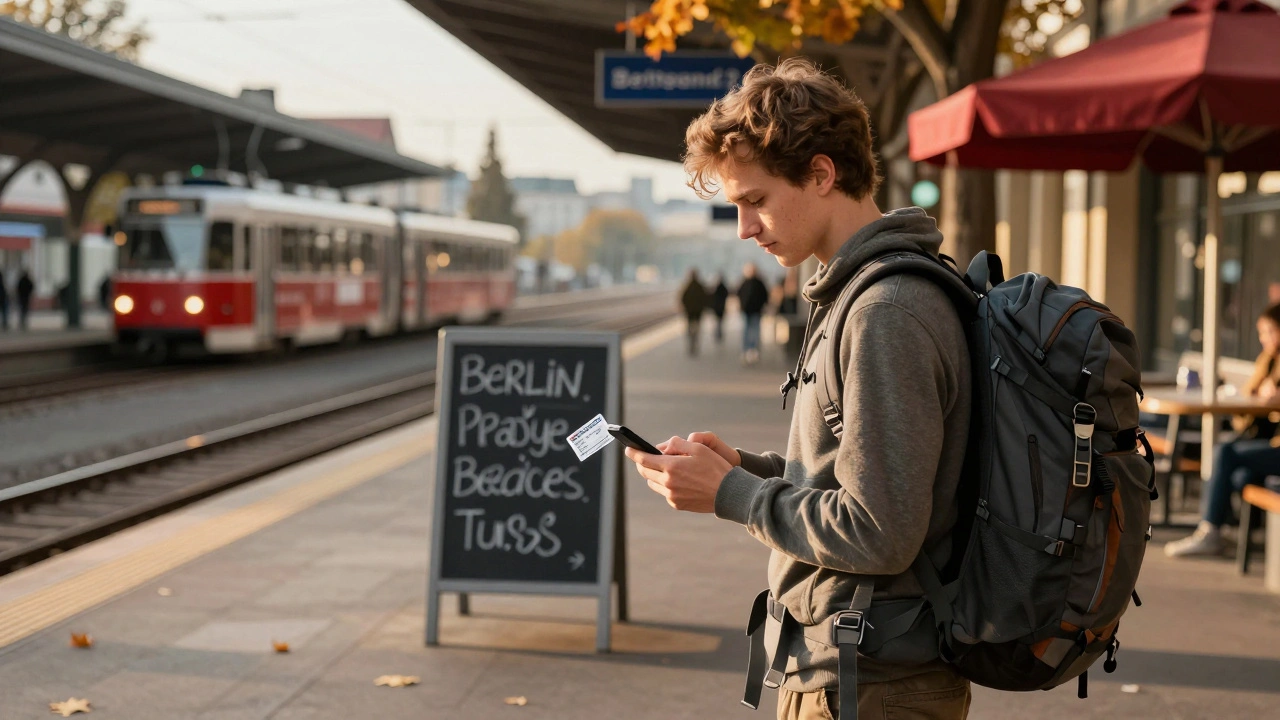
Backpacking across Europe after university isn’t just a rite of passage-it’s one of the most affordable ways to see the world while you’re still young. With student discounts, hostels, and budget airlines, you can stretch your savings further than you think. But planning a trip from the UK isn’t as simple as throwing a bag in a rucksack and heading out. You need routes that make sense, costs you can actually afford, and safety tips that aren’t just generic advice from a blog written in 2012.
Where to Go: Real Routes That Work for Students
Most students start with Western Europe because it’s close, well-connected, and full of hostels that take student IDs. But the best routes aren’t the ones everyone else takes. Skip the overcrowded Paris-Brussels-Amsterdam loop unless you’re going in October. Instead, try this:- Eastern Europe Loop: London → Berlin → Prague → Budapest → Kraków → Vienna. Trains are cheap, hostels cost £12-£18 a night, and meals run under £8. You’ll get culture, history, and zero tourist crowds in spring and fall.
- Scandinavian Budget Hack: Fly to Oslo or Copenhagen (easy from UK airports like Ryanair or EasyJet), then take overnight buses to Stockholm, Helsinki, and Tallinn. Hostels here are pricier, but you can save by cooking in dorm kitchens and using free walking tours.
- Southern Escape: Fly to Lisbon or Seville (under £50 return if booked early), then take a bus down to Cádiz, Granada, and Madrid. The weather’s better, the food’s cheaper, and the nightlife doesn’t cost a fortune.
Use Omio or Busbud to compare train and bus tickets. Book 2-3 weeks ahead and you’ll often find fares under £25 for a 6-hour ride. Avoid booking through national rail sites-they’re more expensive and don’t show all options.
How Much It Actually Costs (2025 Numbers)
Let’s cut through the fluff. A 4-week backpacking trip from the UK doesn’t have to cost £2,000. Here’s what real students are spending in 2025:| Expense | Western Europe | Eastern Europe | Southern Europe |
|---|---|---|---|
| Hostel (per night) | £20-£30 | £12-£18 | £15-£22 |
| Meals (daily) | £15-£20 | £8-£12 | £10-£15 |
| Local Transport | £10-£15 | £5-£8 | £8-£12 |
| Intercity Travel (bus/train) | £25-£40 | £15-£25 | £20-£35 |
| Attractions & Entry Fees | £15-£25 | £5-£15 | £10-£20 |
| Total per week | £85-£130 | £50-£80 | £65-£100 |
That’s £200-£320 for a full month. Not bad if you’re living off pasta, free walking tours, and sleeping in dorms. The biggest savings? Cooking your own meals. Most hostels have kitchens. Buy groceries at local markets instead of convenience stores. In Prague, a loaf of bread costs £0.80. In London, it’s £2.50.
Also, use your ISIC card (International Student Identity Card). It’s £14 to get online, and it gives you 50% off museums, train tickets, and even some hostels. Don’t skip it.
Safety: What No One Tells You
You’ve heard “don’t walk alone at night” and “watch your wallet.” That’s not enough. Here’s what actually keeps students safe:- Use a money belt under your clothes. Not a fanny pack. A real one that zips and hides under your shirt. Pickpockets in Barcelona, Rome, and Berlin target backpackers with open bags. I’ve seen it happen-someone walks up, bumps you, and your phone’s gone before you blink.
- Never leave your bag unattended. Even in hostels. I know, it’s annoying to carry your stuff to the bathroom. But theft happens. Use the locker. Pay the £1 if you have to. It’s worth it.
- Know your local emergency number. It’s not always 999. In Spain, it’s 112. In Poland, it’s 997 for police. Save 112 in your phone as “EMERGENCY.” It works everywhere in the EU.
- Don’t trust strangers offering “free” tours. Some are legit. Most are scams that lead to overpriced bars or fake photo ops. Stick to free walking tours run by reputable companies like Sandemans or GuruWalk.
- Keep a copy of your passport. Not just a photo. Print it and leave it with someone back home. Or upload it to a secure cloud service like Google Drive with two-factor auth turned on.
Also, register with the UK Foreign Office’s Travel Aware service. It sends you alerts if there’s a protest, strike, or natural disaster in your destination. You’ll get an SMS if something goes wrong. It’s free. Use it.
How to Fund It Without Going Broke
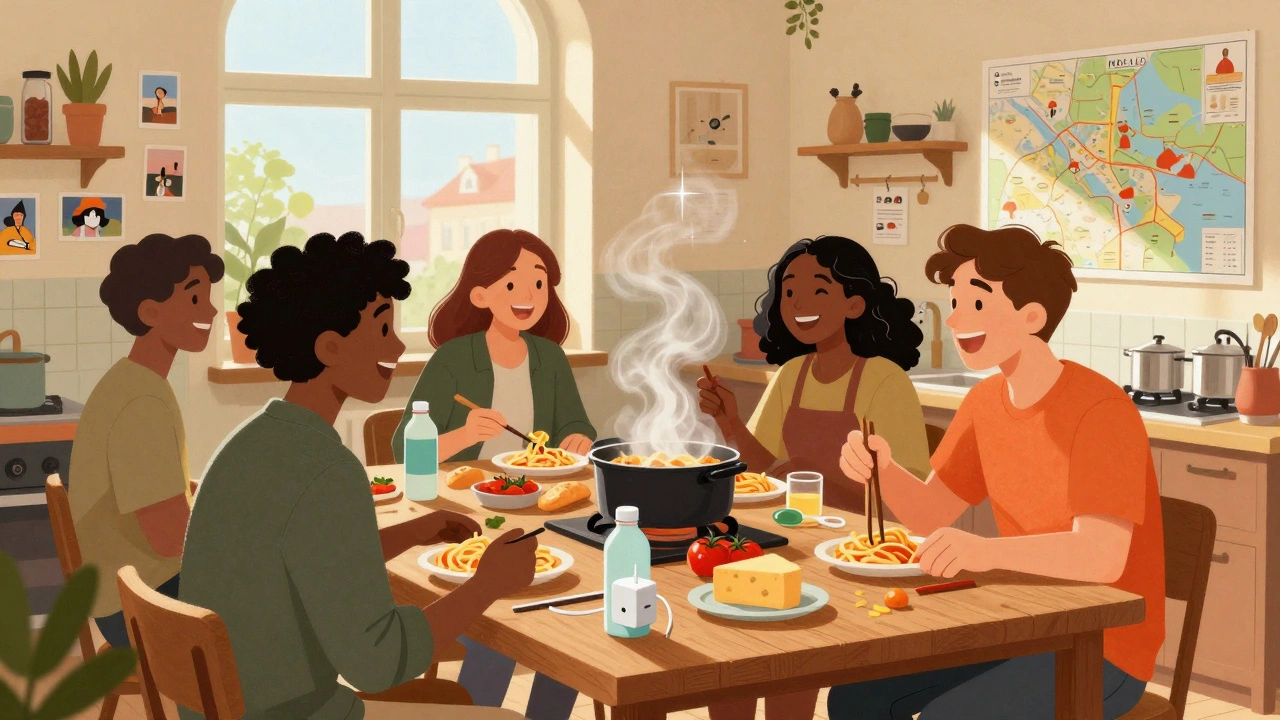
Most students think they need to save £1,500 before leaving. You don’t. Here’s how real students do it:- Work while you travel. In places like Spain, Italy, and Portugal, you can pick up short-term jobs-bartending, cleaning, teaching English. Many hostels offer free stays in exchange for 15-20 hours a week. Search “work exchange Europe” on Workaway or HelpX.
- Use student discounts everywhere. Train tickets, museums, cinemas, even bike rentals. Always ask: “Do you have a student discount?” You’d be surprised how often the answer is yes.
- Travel off-season. July and August are the most expensive. Go in April, October, or November. Flights drop 30-50%. Hostels are quieter. The weather’s still fine in southern Europe.
- Use Revolut or Wise. They give you the real exchange rate. No hidden fees. Load up your card before you leave and use it everywhere. Avoid using ATMs that say “dynamic currency conversion”-it’s a rip-off.
One student I met in Kraków was funding her 3-month trip by teaching English online 10 hours a week. She made £300, spent £220, and had £80 left over. That’s the model.
What to Pack (Seriously, Just This)
You don’t need 10 pairs of socks. Here’s what works:- One lightweight backpack (40-50L max)
- Quick-dry clothes (3 tops, 2 bottoms, 1 jacket)
- Travel towel (dries in 2 hours)
- Universal adapter (UK plug works in most of Europe, but not all)
- Small lock (for hostel lockers)
- Reusable water bottle (tap water is safe in most EU countries)
- Basic first aid: painkillers, plasters, stomach meds
- ISIC card + printed passport copy
Leave the jeans, the fancy shoes, the hairdryer, and the 12 books. You won’t use them. You’ll regret carrying them.
What to Do If Things Go Wrong
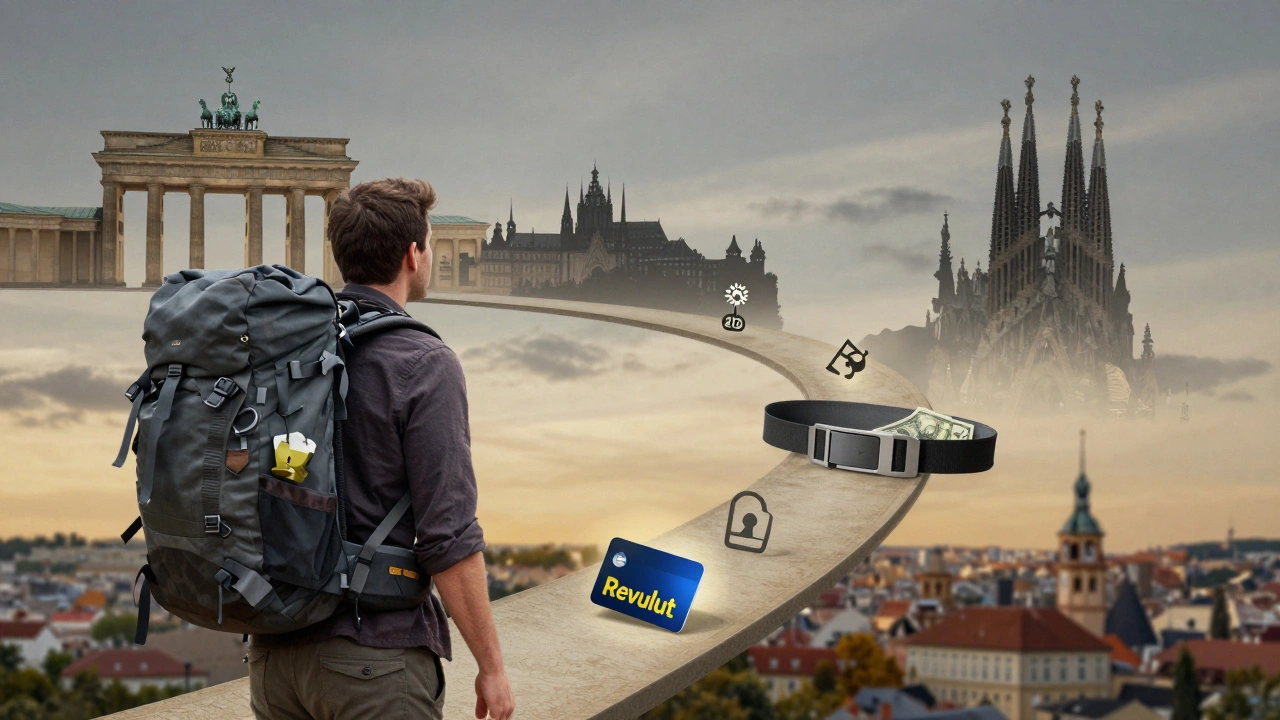
You’ll get sick. You’ll miss a train. You’ll lose your card. It happens. Here’s how to handle it:- Lost card? Call your bank immediately. Block it. Use your emergency cash stash (you did bring some, right?)
- Illness? Go to a local pharmacy. They’ll give you medicine without a prescription. If it’s serious, go to a public hospital. EU healthcare is free or cheap for students with EHIC or GHIC card.
- Missed a bus? Don’t panic. Use Google Maps. Find the next one. Most cities have buses every 15-30 minutes.
- Feeling lonely? Join a hostel event. Most have free dinners, pub crawls, or day trips. Talk to people. You’re not the only one feeling out of place.
Backpacking isn’t about perfection. It’s about learning how to handle messes. That’s the real skill you’ll take home.
Do I need a visa to backpack in Europe as a UK student?
No. UK citizens can stay in the Schengen Area (most of Europe) for up to 90 days within any 180-day period without a visa. That’s plenty for a student trip. Just make sure your passport is valid for at least 3 months beyond your return date.
Is it safe to travel alone as a female student?
Yes, but take extra precautions. Stay in well-reviewed hostels with female-only dorms if you’re uncomfortable. Avoid walking alone at night in unfamiliar areas. Use apps like Noonlight or bSafe to share your location with someone back home. Most female backpackers have safe, amazing trips-just stay aware and trust your gut.
Can I use my UK student discount abroad?
Not directly. But your ISIC card (International Student Identity Card) works in over 130 countries. It’s the only universal student discount card accepted in Europe. Get it before you leave-it costs £14 and saves you hundreds.
How do I stay connected without spending a fortune?
Buy a local SIM card when you land. In Germany or Spain, you can get 10GB of data for £8. Use WhatsApp for calls and texts. Avoid roaming. Your UK plan will charge you £5 per MB if you don’t turn it off.
What’s the best way to carry money?
Use a Revolut or Wise card for daily spending. Keep £100-£200 in cash as backup. Don’t carry all your cash in one place. Split it between your money belt, your hostel locker, and a friend’s bag if you’re traveling with someone.
Next Steps: How to Start Today
If you’re serious about backpacking:- Apply for your ISIC card-takes 2 days online.
- Open a Revolut or Wise account and load it with £300.
- Book a flight to one city-start with Berlin or Lisbon. Look for flights under £50.
- Find a hostel with a kitchen and free breakfast.
- Write down your emergency contacts and share your itinerary with someone back home.
You don’t need to wait for the perfect time. You just need to start. The money will come. The confidence will come. The memories? They’ll last longer than your student loan.