
Imagine stepping off a plane in London or Manchester, only to realize that the social rules you’ve known your whole life don’t quite apply here. For international students arriving in the United Kingdom, the first few weeks can feel like learning a new language all over again. It isn’t just about the accent; it’s about the unspoken codes of politeness, the weather that seems to have no seasons, and the sheer volume of administrative tasks waiting on your desk.
Culture shock is not just a buzzword. It is a real psychological response to being uprooted from your familiar environment. According to the U-curve model of cross-cultural adaptation, most people experience an initial honeymoon phase, followed by a frustration stage where differences feel overwhelming, before eventually reaching acceptance. Knowing this curve exists helps you normalize the struggle rather than feeling like you are failing at being in the UK.
Understanding the Social Code: Politeness and Small Talk
The most immediate hurdle for many students is the British approach to conversation. In many cultures, directness is valued. If something is wrong, you say it. If you want something, you ask for it plainly. In the UK, however, indirect communication is the norm. This doesn’t mean people are hiding things from you; it means they prioritize social harmony and giving others space.
Consider the concept of "small talk." In the US or parts of Asia, small talk might be brief and functional. In the UK, it is a ritual. When you meet someone at a bus stop, in a queue, or even at a supermarket checkout, expect comments about the weather. Yes, really. The weather is the universal icebreaker because it is a neutral topic that everyone shares but no one controls. If you nod and smile back, you are participating in the social contract. If you ignore it completely, you might come across as rude, though rarely intentionally so.
Another key aspect is the use of understatement. If a meal is excellent, a Brit might say it was "quite good" or "not bad." If a project is disastrous, they might call it "a bit tricky." Learning to read between these lines saves you from misinterpreting feedback. Over time, you will learn to distinguish between genuine criticism and polite reservation.
Navigating Daily Logistics: Banking, Health, and Housing
Cultural nuances are important, but practical hurdles often cause more immediate stress. Let’s look at the three biggest logistical challenges: banking, healthcare, and housing.
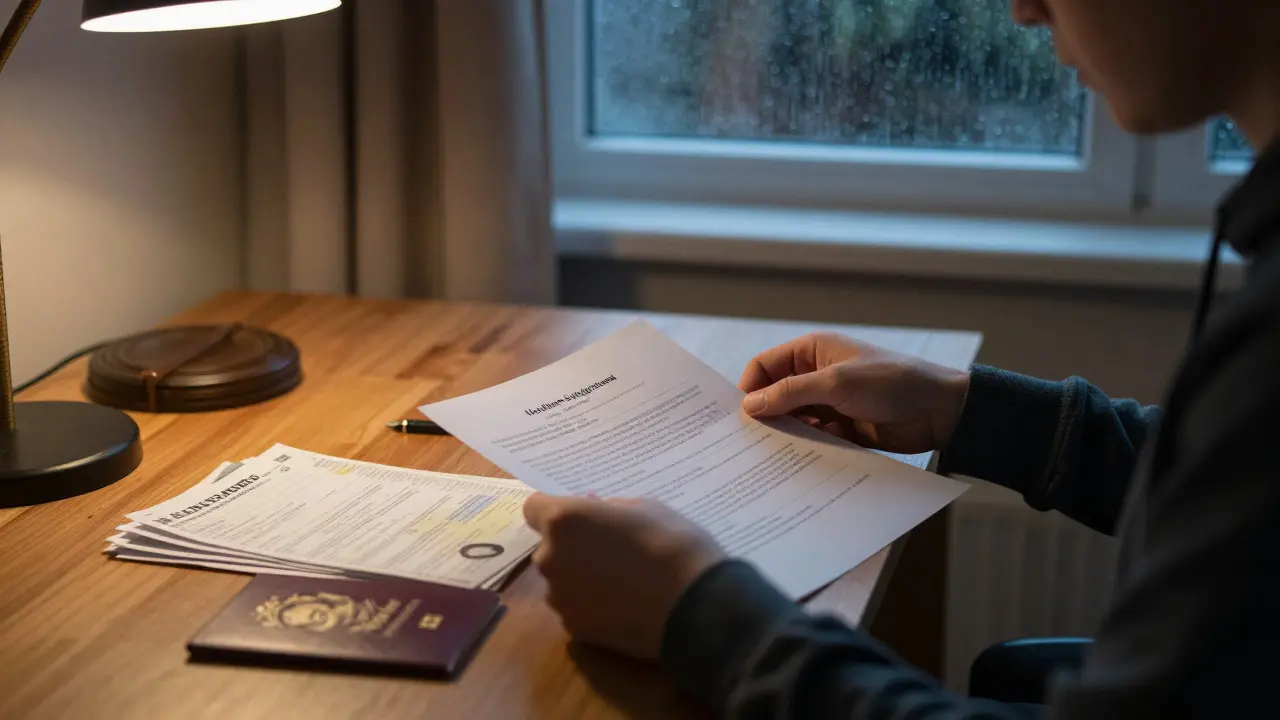
Opening a bank account used to be a nightmare requiring proof of address that you didn’t have yet. Now, with digital-first banks like Monzo or Starling, the process is much smoother. You can open an account remotely before you arrive using your passport and student offer letter. Once you land, visit a branch to confirm your details. This gives you access to a sort code and account number, which are essential for receiving scholarships, part-time wages, or sending money home.
Healthcare in the UK is provided through the National Health Service (NHS). As an international student staying longer than six months, you likely paid the Immigration Health Surcharge (IHS) with your visa application. This entitles you to free primary care. Registering with a General Practitioner (GP) surgery is mandatory. Do not wait until you are sick to register. Go to a local practice within your first two weeks. Bring your passport, visa, and proof of address. Your GP is your gateway to prescriptions, referrals to specialists, and vaccinations. Note that while primary care is free, dental and optical care usually require payment unless you qualify for specific exemptions.
Housing is another critical area. University halls are convenient but expensive. Private rentals offer more space and independence but come with legal complexity. Always check if your lease includes utilities like water, electricity, and gas. In the UK, "tenancy agreements" are legally binding contracts. Read them carefully. Understand who is responsible for repairs. If you are moving into a shared flat, agree on a written housemate agreement covering bills, cleaning schedules, and guest policies. This prevents 90% of roommate disputes.
| Category | Common Assumption | UK Reality |
|---|---|---|
| Communication Style | Direct and explicit | Indirect, understated, and polite |
| Weather Impact | Mild seasonal changes | Frequent rain, short days in winter, requires layered clothing |
| Healthcare Access | Pay-per-visit system | Free primary care via NHS registration after IHS payment |
| Queue Etiquette | Flexible line formation | Strict single-file lines; cutting is socially unacceptable |
| Time Zones | Fixed offset | Switches between GMT and BST (Daylight Saving Time) |
Mastering the Weather and Wardrobe Strategy
If there is one thing that surprises every international student, it is the unpredictability of the British climate. People joke that you get four seasons in one day, and while that is an exaggeration, it captures the essence. Rain is frequent, wind is common, and temperatures fluctuate rapidly.
Your wardrobe strategy should focus on layers rather than heavy coats. A waterproof outer layer is non-negotiable. Look for jackets with sealed seams and hoods. Underneath, wear moisture-wicking base layers and mid-layers like fleeces or merino wool sweaters. This allows you to adjust your insulation throughout the day. Footwear is equally important. Avoid suede or canvas shoes that absorb water. Opt for leather boots with good grip, as pavements can be slippery when wet.
Light also plays a role. In winter, daylight hours can shrink significantly, especially in northern cities like Edinburgh or Manchester. Sunsets can happen as early as 3:30 PM. This affects your mood and energy levels. Many students find that taking Vitamin D supplements during the darker months helps combat Seasonal Affective Disorder (SAD). Keep your living spaces well-lit and try to schedule outdoor activities during the brightest part of the day.
Building a Support Network Beyond Classmates
It is easy to isolate yourself in your room, studying or scrolling through social media. But social integration is crucial for mental well-being and academic success. The best way to build connections is through consistent, low-pressure interactions.
Join university societies. These range from academic clubs to hobby groups like hiking, photography, or gaming. The key is consistency. Attend the same meeting twice or three times, and you will start recognizing faces. Introduce yourself simply: "Hi, I'm [Name], I'm from [Country] and I'm studying [Subject]." People are generally curious and friendly once the ice is broken.
Don’t underestimate the power of part-time work. Working in cafes, shops, or campus facilities exposes you to different demographics, including staff who may not be students. These relationships can provide informal advice about local areas, hidden gems, and practical tips that aren’t in the student handbook. Plus, earning income reduces financial anxiety, which directly impacts your ability to enjoy your studies.

Managing Homesickness and Mental Health
Homesickness is a natural part of the transition. It often peaks around the first holiday break when you see friends and family enjoying normalcy while you navigate a new world. Acknowledge the feeling without judging it. Give yourself permission to miss home.
Create rituals that connect you to your origins. Cook traditional meals, watch shows from your country, or keep a journal in your native language. These anchors provide comfort without isolating you from the new culture. Simultaneously, maintain regular contact with loved ones back home, but set boundaries. Don’t let daily video calls consume your evening; reserve them for specific times so you can still engage with your new environment.
If feelings of loneliness or anxiety persist for more than a few weeks, seek professional help. Most universities have counseling services available to international students for free or at a reduced cost. There is no stigma in using these resources. In fact, proactively managing your mental health is a sign of strength and self-awareness. Remember, adjusting to a new culture is a marathon, not a sprint. Be patient with yourself.
Practical Tips for the First Month
To make the initial phase smoother, here is a checklist of actions to take in your first 30 days:
- Register with a GP: Do this within the first week to avoid long wait times later.
- Open a Bank Account: Set up direct debits for rent and utilities immediately.
- Explore Local Transport: Buy a travel card or set up contactless payments on your phone. Learn the routes to campus and your accommodation.
- Visit the Library: Familiarize yourself with opening hours, booking systems, and study spaces. Librarians are incredibly helpful resources.
- Meet One New Person: Set a goal to initiate one conversation per day, whether in class, at the gym, or in a shop.
- Check Utility Bills: Ensure you understand what is included in your rent and how to pay any extra charges.
By tackling these practical tasks early, you remove the background noise of uncertainty. This frees up mental energy to focus on the cultural and social aspects of your experience. The goal is not to become British, but to feel at home in Britain. That balance takes time, but with the right strategies, it is absolutely achievable.
Do international students need to register with the police in the UK?
Generally, no. Since 2015, most international students do not need to register with the police upon arrival. However, always check the latest requirements on your university's international student portal, as rules can change based on visa type. Your visa status is tied to your enrollment, so keeping your records updated with the university is more critical than police registration.
How much does it cost to live in the UK as a student?
Costs vary significantly by city. London is the most expensive, with monthly costs ranging from £1,200 to £1,800. Outside London, such as in Manchester, Leeds, or Birmingham, you can expect to spend between £700 and £1,100 per month. This typically covers rent, food, transport, and utilities. Budgeting apps and university finance offices can help you track these expenses effectively.
Is it hard to make friends with British locals?
British people can seem reserved initially, but they are generally warm once you break the ice. The key is persistence and context. Joining sports teams, volunteering, or working part-time provides natural settings for interaction. Don't expect instant deep friendships; British friendship often develops slowly through repeated casual encounters before becoming close.
What should I pack specifically for the UK weather?
Pack a high-quality waterproof jacket, multiple layers of clothing, and sturdy, water-resistant shoes. Avoid relying on a single heavy coat, as temperatures can swing widely. An umbrella is useful, but a hooded jacket is often more practical for sudden downpours. Also, consider bringing a portable charger, as power outlets in the UK use Type G plugs (three rectangular pins).
Can I work full-time during my studies?
No. Most student visas restrict you to 20 hours of work per week during term time. During vacation periods, you can work full-time. Check your specific visa conditions, as some post-study work visas allow unlimited work. Keeping to the 20-hour limit is crucial to maintaining your visa status.