Choosing where to live during university isn’t just about finding a bed-it’s about your daily comfort, safety, budget, and even your grades. In the UK, students have three main options: university-run halls, private student accommodation (PBSA), and private rentals. Each comes with different costs, perks, and hidden downsides. Let’s cut through the marketing noise and show you exactly what you’re getting with each type, based on real student experiences and recent data from 2025.
University Halls: The Default Choice
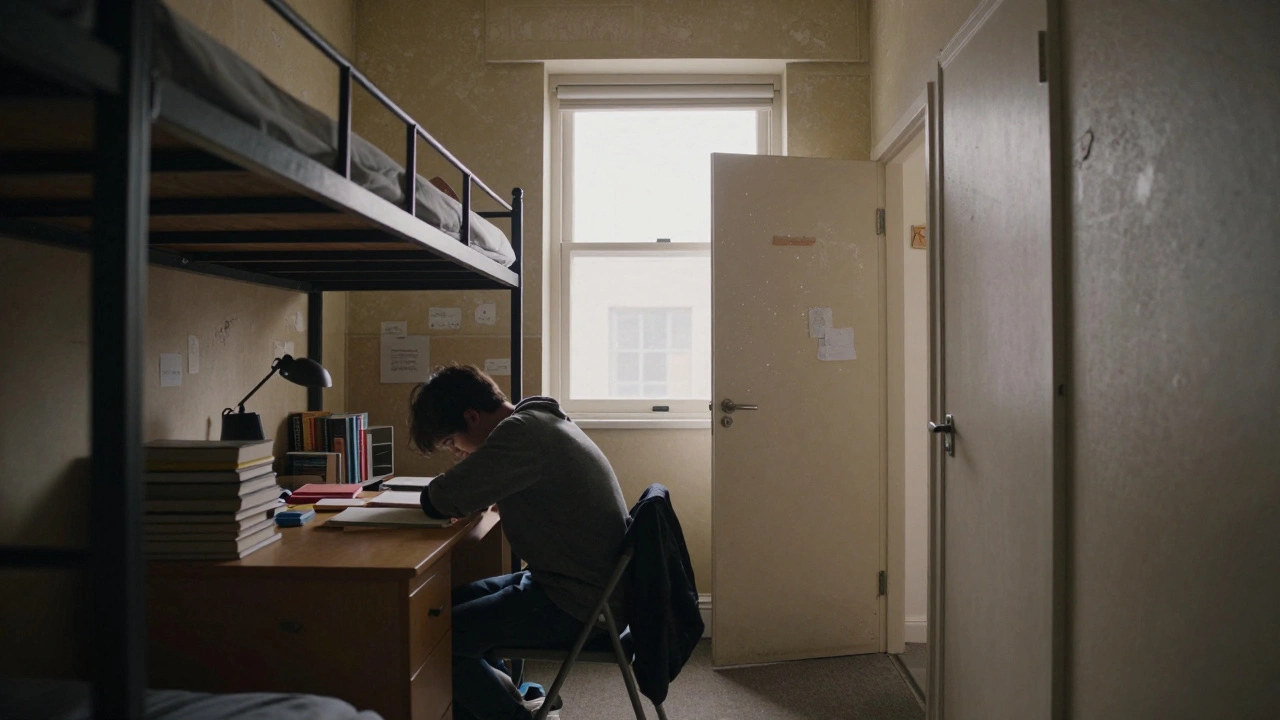
Most international students start here because it’s automatic. You apply with your offer, pay a deposit, and get a room. Simple. But simplicity doesn’t mean quality. University halls are often older buildings, especially outside London and Manchester. A 2024 survey by the National Union of Students found that 43% of students in halls reported issues with heating, noisy common areas, or broken showers within the first month.
On the plus side, halls usually include utilities, Wi-Fi, and cleaning of shared spaces. Rent is often paid term-by-term, so there’s no surprise bill in January. You also get built-in social networks-roommates, floor mates, and events organized by the student union. At universities like Durham and Leeds, halls have dedicated welfare teams and 24/7 security.
But here’s the catch: space. A standard single room in a UK university hall averages 12 square meters. That’s smaller than a parking space. You’ll need a foldable desk, under-bed storage, and zero illusions about privacy. If you’re sensitive to noise or need quiet to study, halls might not be your long-term fit.
PBSA: The Modern Upgrade
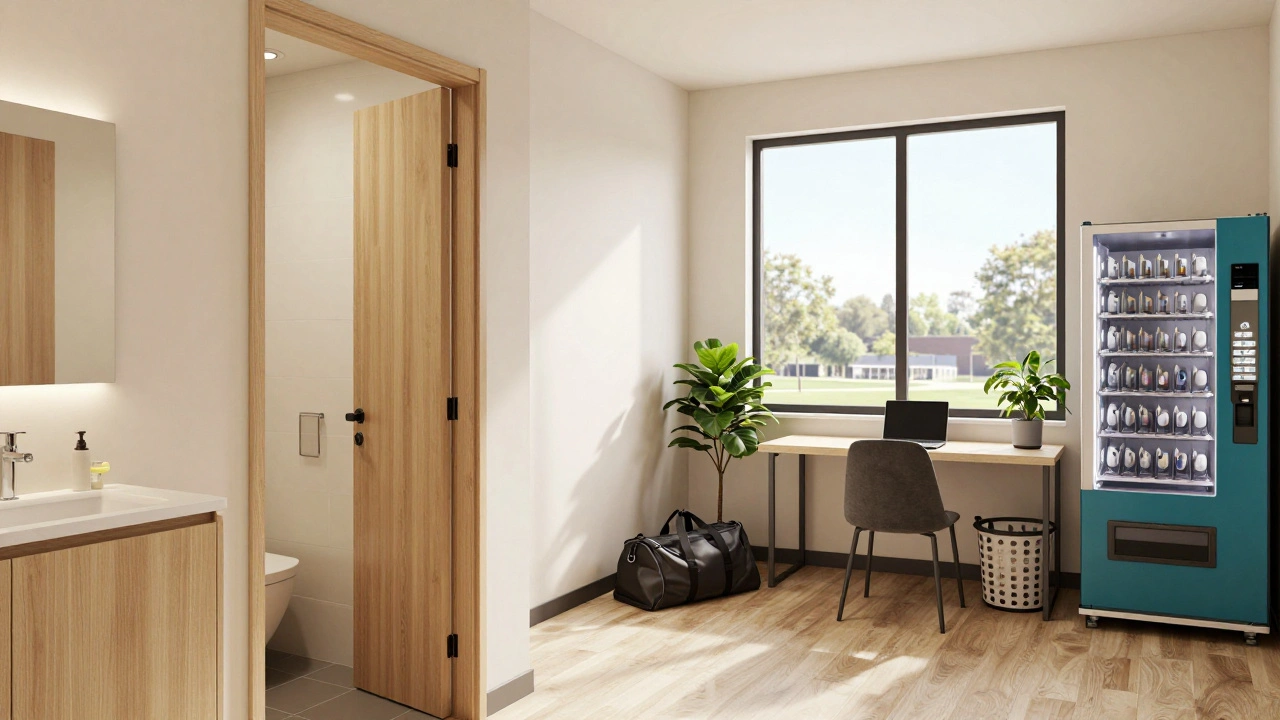
Private Student Accommodation (PBSA) is booming. Companies like Unite Students, iQ, and Student Roost now manage over 40% of all student housing in the UK. These are purpose-built blocks, often near campus, with gym access, cinema rooms, and co-working spaces. You’re not sharing a bathroom with 20 people-you’re sharing with 4 or 6. Most units are en-suite, with a private shower and sink.
Prices vary wildly. In Birmingham or Liverpool, you can find a PBSA studio for £95 per week. In London, that same room might cost £220. A 2025 report from Student.com showed that 68% of PBSA users felt their living situation improved their mental health compared to halls, mainly due to better noise control and cleaner facilities.
But don’t be fooled by the Instagram-worthy photos. Many PBSA contracts are 51 weeks long, meaning you pay for summer break even if you go home. Some charge extra for Wi-Fi upgrades or laundry. And while they promise 24/7 support, real response times for a leaking tap can be 48 hours. Always read the small print: what’s included, what’s not, and what happens if you break your lease early.
Private Rentals: The Wild West
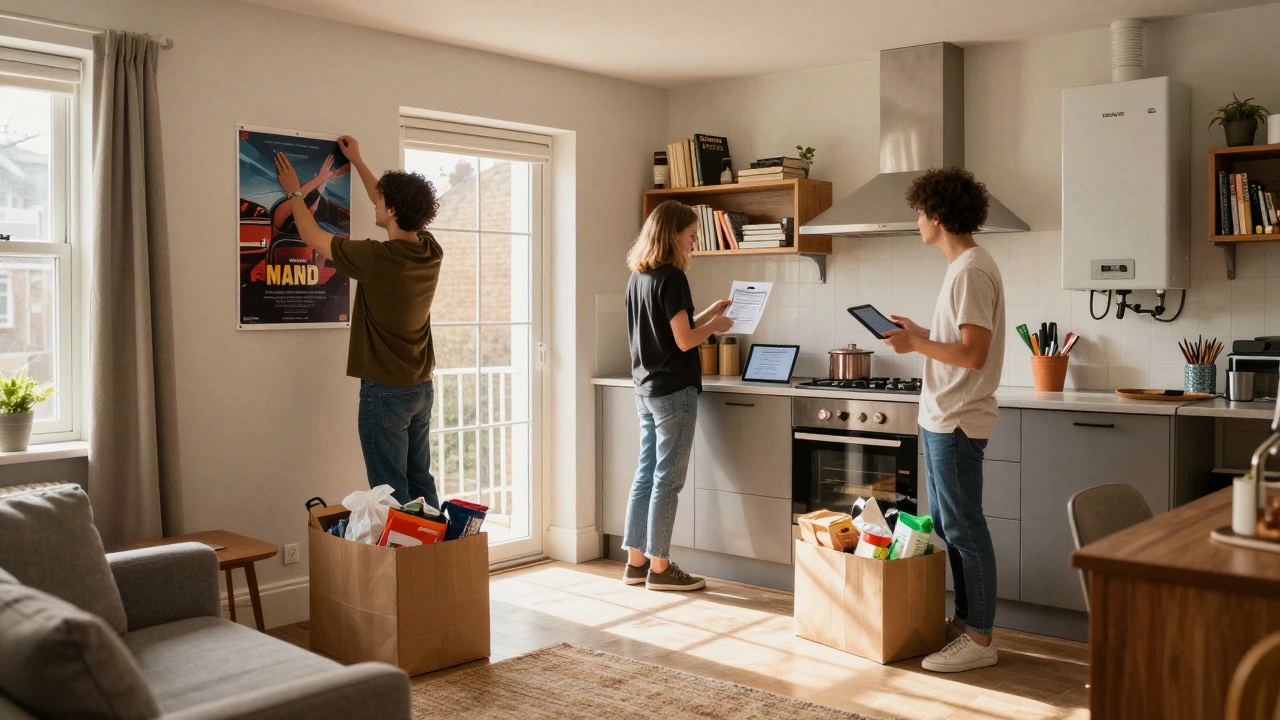
Private rentals-houses or flats rented directly from landlords-are the cheapest option if you’re smart. A three-bedroom house in Sheffield or Nottingham can cost £600 per month total, meaning £200 per person. That’s less than most PBSA options. You get more space, your own kitchen, and freedom to decorate.
But here’s where it gets messy. You’re signing a tenancy agreement, not a student contract. That means you’re legally responsible for the whole rent, even if your flatmates drop out. You’ll need a guarantor (often a parent), a credit check, and a deposit equal to five weeks’ rent. And you’re on your own for repairs. If the boiler breaks in December? You call a plumber. And pay for it.
There’s also the risk of rogue landlords. In 2024, the UK government recorded over 8,700 complaints about unsafe housing, illegal deposits, and no gas safety certificates. Always check the Energy Performance Certificate (EPC)-it must be rated C or higher. Ask for proof of gas and electrical safety checks. And never pay cash without a receipt.
What Really Matters: Location, Noise, and Cost
Let’s cut to the core. Three things decide your quality of life:
- Distance to campus-Walking 10 minutes vs. a 30-minute bus ride changes how much sleep you get and how often you skip class.
- Noise levels-A 2025 University of Edinburgh study found students living in noisy environments scored 12% lower on average in exams. Soundproofing matters more than a fancy gym.
- Total monthly cost-Don’t just look at rent. Add utilities, internet, laundry, and transport. A £150 PBSA room might end up costing £210 after fees. A £180 private rental could be £190 with bills included.
Here’s a real example: Maria, a first-year student at Cardiff University. She started in halls-£140/week. After two months, she moved into a private flat with three others. Rent was £160/month, but she paid £30 for internet, £20 for gas, and £15 for bus passes. Her total? £225/month. That’s £900 per term. Halls were £1,560 for the same period. She saved £660, got a kitchen, and slept better.
How to Decide: Your Personal Checklist
Ask yourself these five questions before signing anything:
- Do I need social interaction, or do I need silence to study?
- Can I handle being responsible for bills and repairs?
- Is the location within walking distance of my lectures and the nearest grocery store?
- Does the contract lock me in for 51 weeks, or can I leave after 39?
- Have I seen the actual room-not just the staged photo?
If you’re unsure, visit in person. Go on a weekend. Knock on a few doors. Ask current tenants: "What’s the worst thing about this place?" Their answer will tell you more than any brochure.
What the Universities Don’t Tell You
Universities push halls because they earn a cut from the contracts. They promote PBSA because it’s part of their marketing strategy-"modern living," "community spaces." But they rarely warn you about:
- That "all-inclusive" PBSA package often excludes high-speed Wi-Fi upgrades.
- Some halls have curfews for under-18s, even if you’re 19.
- Private landlords aren’t required to offer the same legal protections as university-managed housing.
Also, don’t assume the "best" accommodation is the most expensive. A 2025 survey by Which? found that student satisfaction was highest in mid-priced PBSA options-not the luxury ones. The top-rated places had good cleaning schedules, responsive maintenance, and quiet study zones.
Final Tip: Plan for the Long Term
Most students switch housing after their first year. Why? Because halls get noisy, PBSA gets expensive, and private rentals feel more like home. So don’t treat your first choice as permanent. Think of it as Year One. Save your money. Build your credit. Learn what you need.
If you’re planning to stay for three or four years, start thinking about your second-year housing now. Talk to upper-year students. Join housing groups on Facebook. Check out your university’s housing board-they often list private flats from outgoing students.
There’s no "best" option. Only the best option for you. And that depends on your budget, your sleep habits, your tolerance for chaos, and how much you value peace over perks.
Are university halls cheaper than PBSA?
It depends. University halls often have lower weekly rates, but they don’t always include all bills. PBSA usually bundles rent, Wi-Fi, and utilities, but may charge extra for laundry or cleaning. In most cities, halls are cheaper for the first year, but PBSA offers better value if you plan to stay longer. Always compare total monthly cost, not just rent.
Can I live in private housing as an international student?
Yes, but it’s harder. Most private landlords require a UK-based guarantor-usually a parent or close relative living in the UK. Some agencies help international students with guarantor services, but they charge fees. Always check visa rules: some student visas restrict full-time work, so make sure your rent won’t depend on income you can’t legally earn.
What’s the difference between PBSA and regular private rentals?
PBSA is designed for students, managed by companies, and usually has fixed-term contracts (40-51 weeks). Regular private rentals are standard tenancies under UK law, with 6-12 month minimums. PBSA often includes cleaning, maintenance, and social events. Private rentals give you more freedom but require you to handle everything yourself-from repairs to finding flatmates.
Is it safe to pay a deposit to a private landlord?
Only if they’re registered with a government-approved deposit protection scheme. In the UK, landlords must place your deposit in one of three schemes: Deposit Protection Service (DPS), MyDeposits, or Tenancy Deposit Scheme (TDS). Ask for proof. Never pay cash or transfer money without a signed contract and receipt. If they refuse, walk away.
Do all PBSA providers offer 24/7 support?
They claim to, but response times vary. Some companies reply within hours. Others take 2-3 days. Check reviews on sites like StudentCrowd or Trustpilot. Look for mentions of "maintenance delays" or "unresponsive staff." The best PBSA providers have live chat or apps with real-time repair requests-not just a phone number that rings unanswered.