
Moving to the UK as an international student is exciting-but finding a place to live can feel overwhelming. You’re not just picking a room; you’re choosing your safety, your budget, and your daily rhythm for the next year or more. The good news? There are clear, proven ways to find housing that works-without getting scammed, overcharged, or stuck in a place that feels more like a prison than a home.
Know Your Options Before You Apply
The UK offers several types of student housing, and each has pros and cons. You won’t find one perfect fit for everyone, but you can narrow it down fast if you know what’s out there.
- University-managed halls: These are on-campus or near-campus rooms run directly by your university. They’re usually the safest option for first-year students. You get a bed, a desk, a shared kitchen, and sometimes a bathroom. Bills (electricity, water, internet) are almost always included. You can’t always pick your roommates, but you’ll be surrounded by other students, which helps you settle in.
- Private student accommodation (PBSA): These are buildings built just for students, often owned by companies like Unite Students, Student Roost, or iQ. They look modern, have gyms, cinemas, and study lounges, and often offer en-suite bathrooms. Rent is higher than halls, but you get more control over your space and lease length. Read the contract carefully-some require payment for the full year even if you leave early.
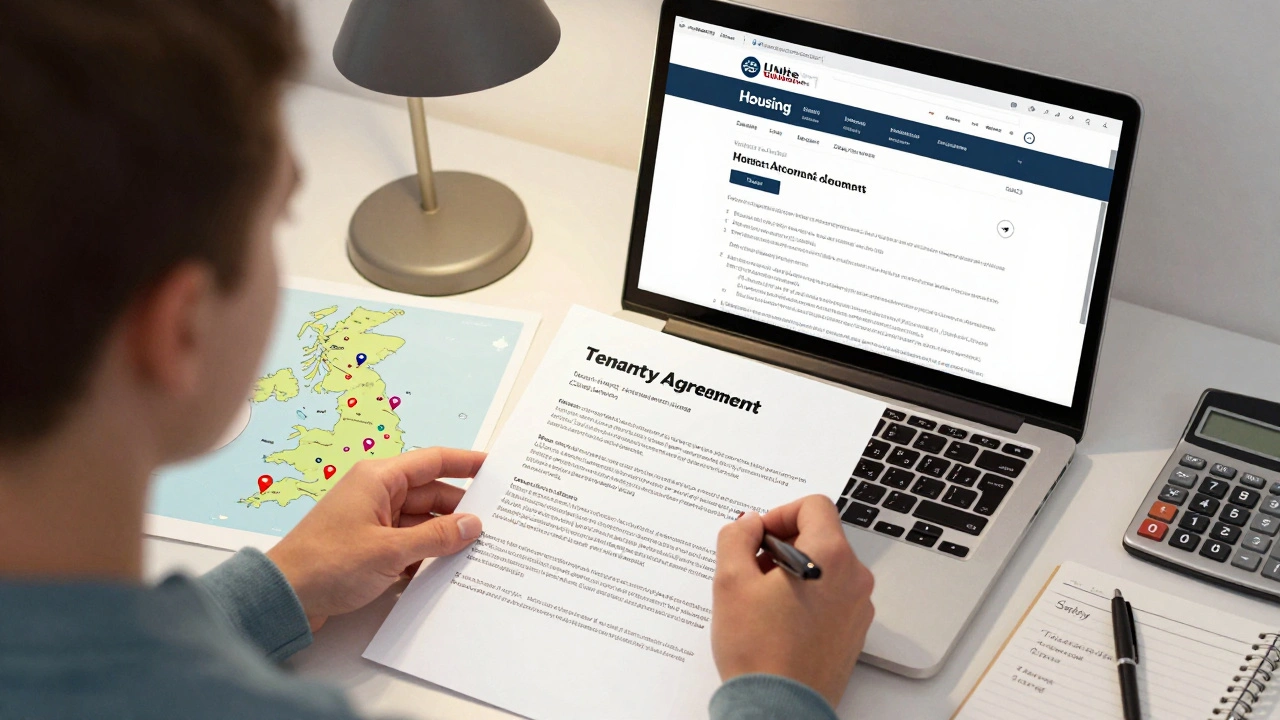
- Private rentals (houses or flats): You rent a room in a shared house with locals or other students. This is common in cities like Manchester, Edinburgh, or Birmingham. You’ll sign a tenancy agreement with a landlord or letting agent. You pay for utilities separately, and you might have to deal with repairs, noise, or house rules. This option is cheaper but requires more responsibility.
- Homestays: You live with a local family. This is rare for undergraduates but common for younger students or those learning English. You get meals and cultural immersion, but less privacy. Check if the family has experience hosting international students.
Most universities give you a list of approved housing providers. Stick to those. If a landlord says they’re "recommended" but isn’t on the official list, walk away.
What Makes Housing "Safe"?
Safety isn’t just about locks and alarms. It’s about trust, transparency, and legal protection.
First, always check if the property is licensed. In England, landlords must get a license if they rent to five or more unrelated people (called an HMO-House in Multiple Occupation). You can search for licenses on your local council’s website. If they don’t have one, they’re breaking the law-and you’re at risk.
Second, look for 24/7 security. Most university halls and PBSA have keycard access, CCTV, and on-site staff. Private rentals rarely do. Ask: "Is there a night porter? Can I get help after 10 p.m. if something goes wrong?" If the answer is "no," think twice.
Third, verify the tenancy agreement. Never sign anything without reading it. Look for:
- How long is the lease? (Most are 40-52 weeks)
- Can you break it early? (Usually not without penalty)
- What’s the deposit? (It must be protected in a government scheme like Deposit Protection Service)
- Who pays for repairs? (Landlords must fix structural issues, plumbing, heating)
And never pay cash. Always use bank transfers with a receipt. If someone asks for cash or PayPal "for speed," it’s a red flag.
How Much Should You Actually Pay?
Prices vary wildly. In London, a room in private halls can cost £1,200-£1,800 per month. In cities like Leeds or Cardiff, you might pay £550-£800. Always compare using real data-not ads.
Use StudentCrowd or Unipol to see average rents by city. These sites pull data from real student reviews, not marketing hype.
Here’s a rough breakdown of monthly costs (2026 prices):
| Location | University Halls | Private Student Accommodation (PBSA) | Private Rental (Room) |
|---|---|---|---|
| London | £950-£1,400 | £1,200-£1,800 | £700-£1,100 |
| Manchester | £700-£950 | £800-£1,100 | £550-£750 |
| Edinburgh | £800-£1,100 | £900-£1,300 | £600-£800 |
| Birmingham | £650-£850 | £750-£1,000 | £500-£700 |
| Cardiff | £600-£800 | £700-£950 | £450-£650 |
Remember: rent isn’t the only cost. Utilities, internet, and a TV license (required if you watch live TV) add £50-£100/month. Budget for a £200-£500 deposit too. Some universities offer payment plans so you can pay monthly instead of upfront.
When to Start Looking
Don’t wait until you arrive. Most universities open applications for housing in January or February for September intake. If you wait until July, you’ll get the leftovers-far from campus, noisy, or overpriced.
Here’s your timeline:
- November-January: Research housing options. Talk to your university’s international office. They often have housing fairs or videos from past students.
- February-March: Apply for university halls. These fill up fast. If you’re accepted, you’ll get a room offer by April.
- April-June: If you’re not getting university housing, start looking at PBSA. Many companies release rooms in April. Book early to get the best deals.
- July-August: Only look at private rentals if you’re flexible. This is when prices spike and choices shrink.
If you’re arriving late (e.g., for a January start), you still have time. Apply as soon as you get your offer letter. Some universities reserve rooms for late arrivals.
Red Flags to Walk Away From
Scams targeting international students are common. Here’s what to watch for:
- "Too good to be true" prices: A £400 room in London? It’s fake. Or worse-it’s a rental scam where you send money and never get the keys.
- Pressure to pay immediately: Legitimate landlords give you time to review contracts. If they say "I have three others waiting," they’re lying.
- No in-person or video tour: You should be able to see the room, the kitchen, and the building. If they only send photos, say no.
- Landlord won’t show ID or proof of ownership: Ask for a copy of the property deed or a letter from the university (if it’s university-managed). No proof? No deal.
- Payment to a personal account: Always pay to a company account, never a personal one. Check the name on the bank account matches the company name.
If you’re unsure, email your university’s housing office. They’ve seen every scam in the book-and they’ll tell you if something’s fishy.
What to Do If You Already Signed a Bad Contract
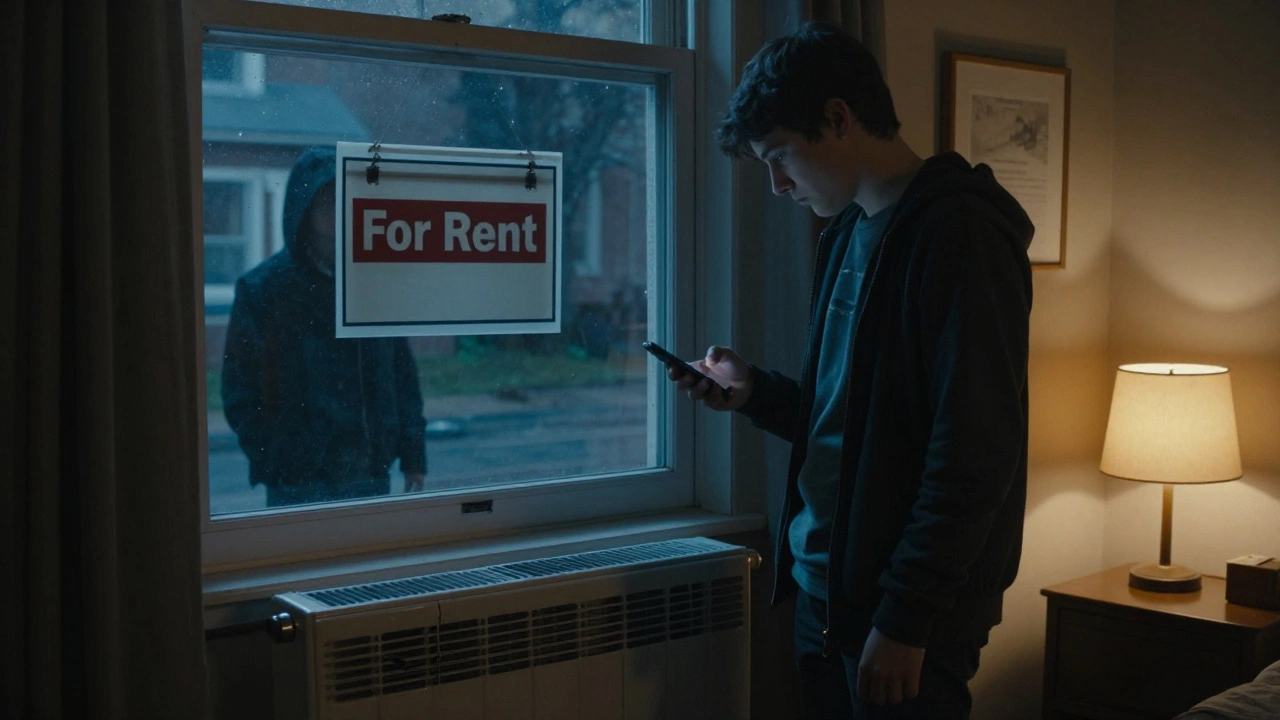
It happens. Maybe you were desperate. Maybe you didn’t read the fine print. Now you’re stuck in a noisy flat with no heating or a landlord who ignores repairs.
Here’s what you can do:
- Report the issue to your university’s student union. They have housing advisors who help students negotiate with landlords.
- Check if your deposit is protected. If not, you can claim up to three times the deposit back through the courts.
- Use the Student Housing Advice Service (free, run by the National Union of Students). They help with disputes, repairs, and eviction threats.
- If you’re in danger-like mold, broken locks, or threats-contact your local council’s environmental health team. They can force repairs or even shut down unsafe properties.
You’re not alone. Thousands of international students face this every year. Universities have systems to help. Use them.
Final Tip: Talk to People Who’ve Been There
Reddit threads, Facebook groups like "UK Student Housing 2026," and university Discord servers are goldmines. Ask: "What’s the worst place you lived?" or "Which landlord actually kept their promises?" Real stories beat brochures every time.
Don’t just pick the cheapest room. Pick the one that lets you sleep well, study without stress, and feel safe. That’s worth a little extra.
Can I live off-campus if my university offers halls?
Yes. Most universities don’t force you to live on campus. But first-year students often get priority for halls, and living on campus helps you adjust. If you choose off-campus, make sure you understand your visa conditions-some require you to live within a certain distance from your university.
Do I need a UK bank account to rent?
Not always, but it helps. Many landlords and letting agents prefer UK bank accounts because they can set up direct debits for rent. If you don’t have one yet, some PBSA providers accept international transfers. Others let you pay via PayPal or Wise. Always ask ahead.
What if I arrive before my housing starts?
Many universities offer short-term stays in halls for a few nights before your contract begins. Others partner with hostels or hotels. Check with your international office before you book a hotel-sometimes they have discounted rates just for new students.
Are pets allowed in student housing?
Almost never in university halls or PBSA. Private rentals sometimes allow small pets, but you’ll need written permission from the landlord. Always ask before signing. Breaking this rule can get you evicted.
Can I share a room with my friend?
In university halls, you usually can’t choose roommates unless you apply together early. In PBSA and private rentals, yes-you can request to live with someone. Just make sure both of you are on the same contract so you’re equally responsible for rent and rules.